Tripoli's Old City: A Soap Trade Older Than the Citadel Watching Over It

Souk al-Nahhasin, Nine in the Morning
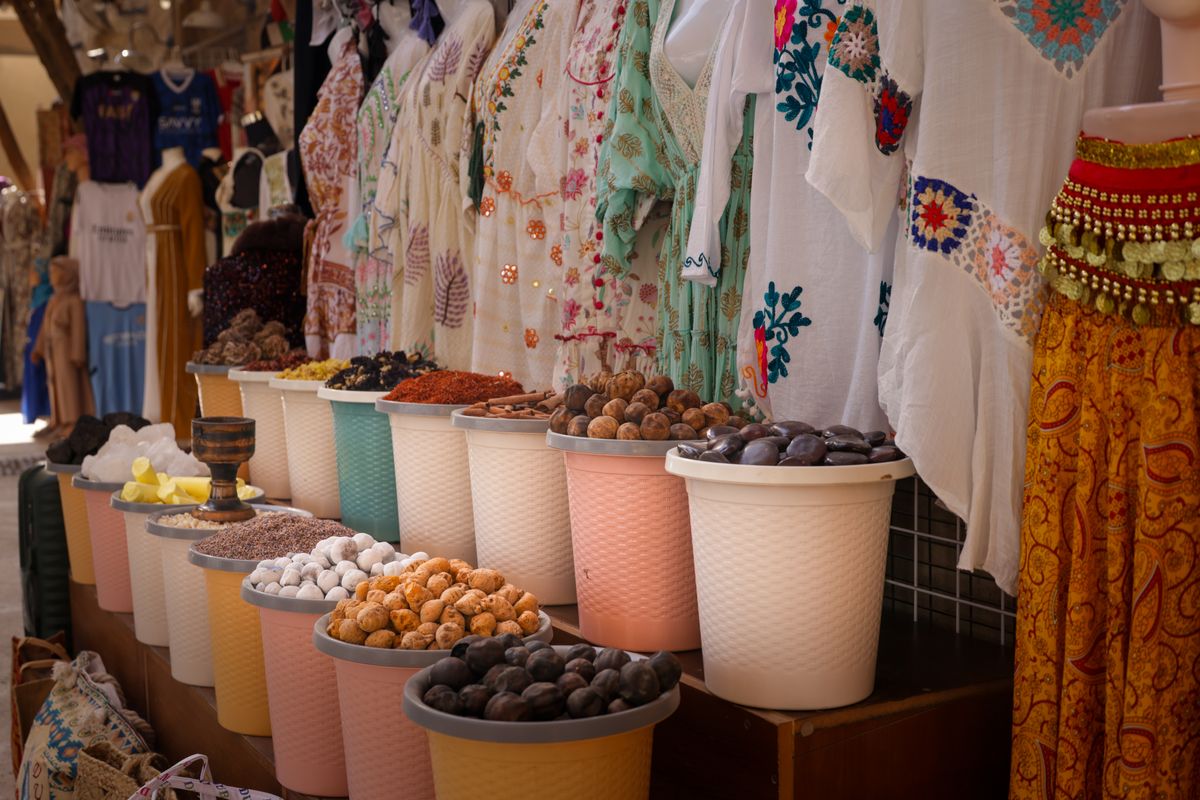
The copper souk opens with a hammer on brass, not a simile, just Khodr Ballout's nephew flattening a dented pot before the heat sets into the stone. Old Tripoli has traded like this since the Mamluks rebuilt the city inland in the 1290s, and the question worth asking before buying anything is why a Crusader-era port moved two kilometers from its own coastline.
Sultan Qalawun razed the coastal capital of the County of Tripoli in 1289 and ended nearly two centuries of Crusader rule over the port. The Mamluks who resettled the population picked a defensible rise on the Abu Ali river instead of rebuilding on open shore, and the souks that filled in around that decision, Souk al-Nahhasin for coppersmiths, Souk al-Haraj for general trade, Souk al-Bazerkan for cloth, still run along street lines too narrow for two loaded mules to pass without one backing into a doorway.
Ballout has sold sumac, dried lime, and jars of toasted chickpeas from the same six-foot stall for twenty-two years, since he took it over from his father. Skip the brochure line about a timeless slice of Ottoman-era life; it's a working market that opens at seven and empties by two, when the heat trapped under the vaulted stone gets worse than the open street outside.
Ballout prices his sumac and dried lime at two dollars a bag and says the chickpeas come from Akkar, an hour north. Most of what else fills the stalls around him, cheap textiles, packaged coffee, plastic housewares, now arrives from Turkey and China same as it does in souks from Beirut to Amman, which the guidebooks calling this a preserved Ottoman marketplace tend to leave out.
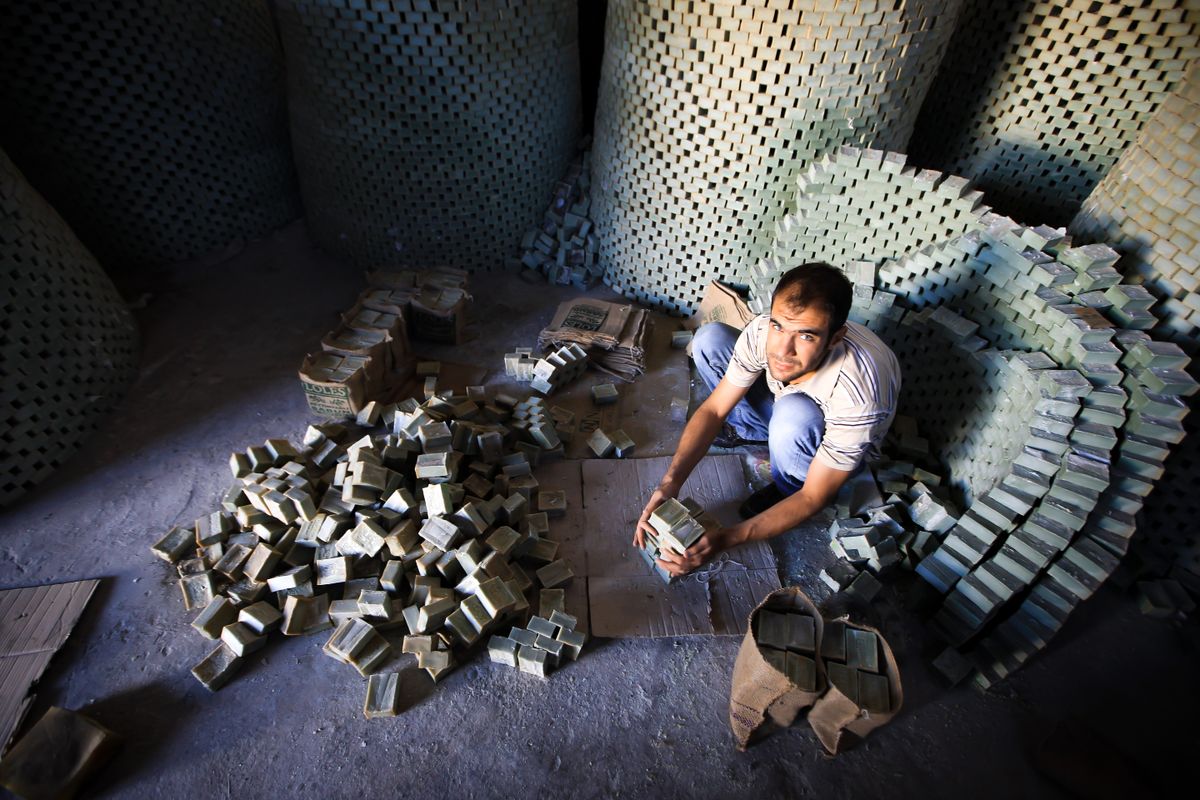
Khan al-Saboun
Inside Khan al-Saboun the light drops by half and the smell turns to olive oil and something green and medicinal that turns out to be laurel. Ottoman governors built the khan in the seventeenth century as a caravanserai for the soap trade, a stone courtyard ringed with storerooms where merchants once slept above their goods.
Tripoli's soap guild predates the building by centuries, going back to Mamluk-era workshops that saponified olive oil with wood-ash lye and scented the batch with laurel oil pressed from berries grown in the hills above the city. Workers still cut the cured slabs by hand into blocks, stamp each one, and stack them into pyramid towers that dry from white to gold over the course of a year.
Abu Fadi has cut soap at the khan for thirty-one years, dragging a wire cutter through a slab the size of a door without looking at his hands. "Real soap has an ugly stamp," he said, tapping a low relief F into a bar with his thumbnail. "The clean printed labels are for tourists who won't be back to complain."
Ask a shop one street over and someone will call it Aleppo soap; it isn't. Aleppo's version leans harder on laurel and comes out of a different guild across the Syrian border, while Tripoli's bars sit closer to Nabulsi olive-oil soap in base, cut to a house ratio Abu Fadi says hasn't changed since he started.
Soap that cures for months outlived the empires that taxed it; that's the whole case for Tripoli's khan.
The Citadel of Raymond de Saint-Gilles
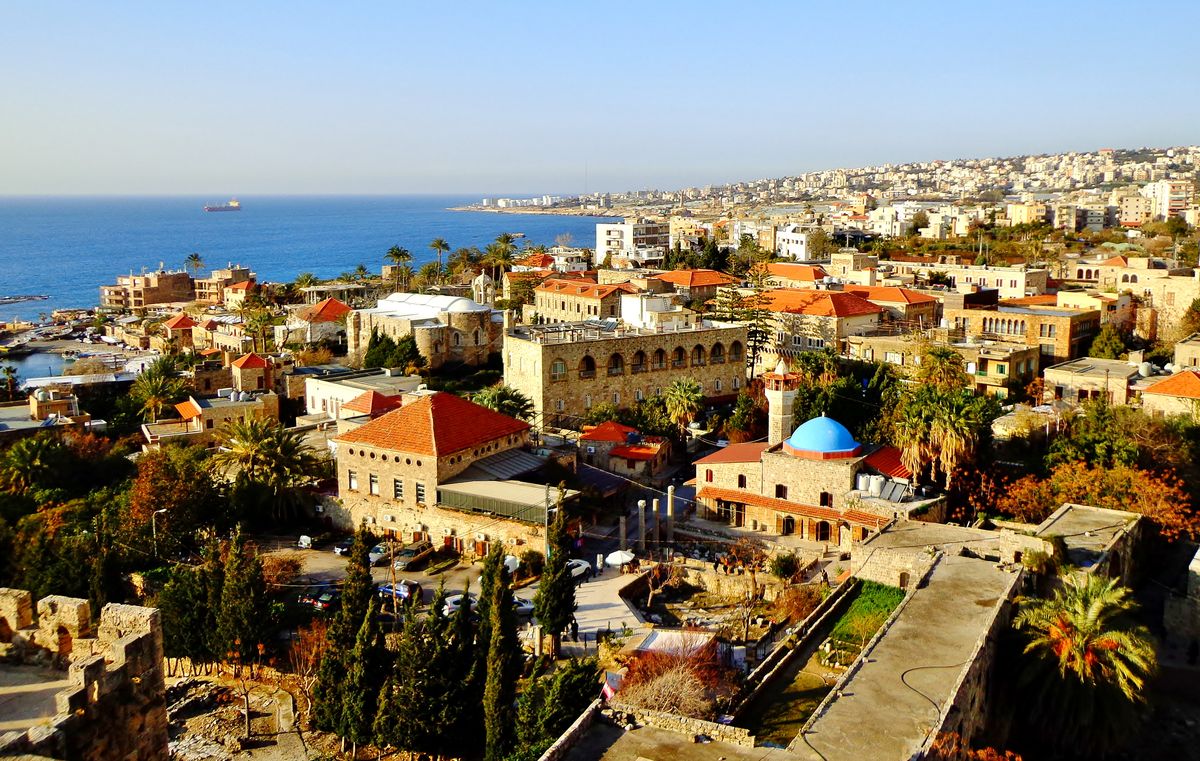
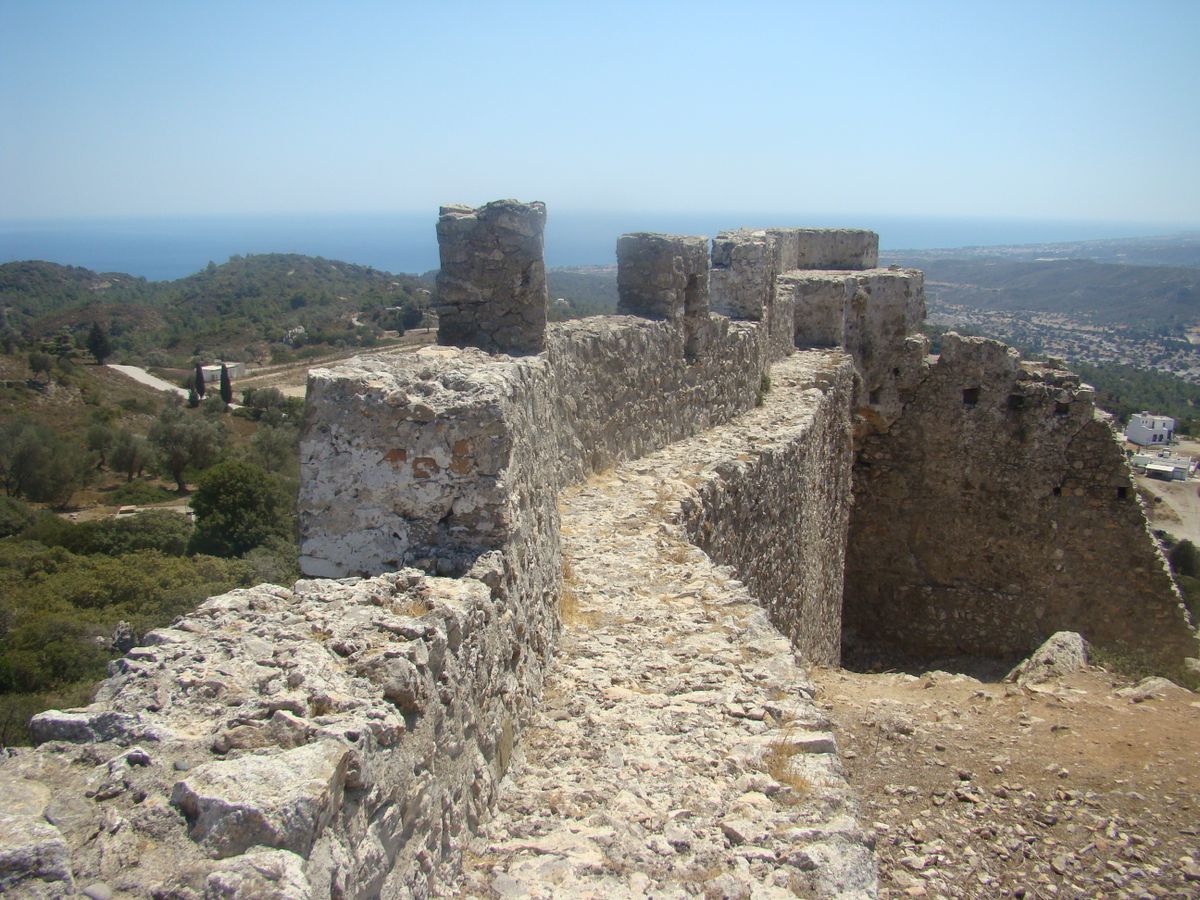
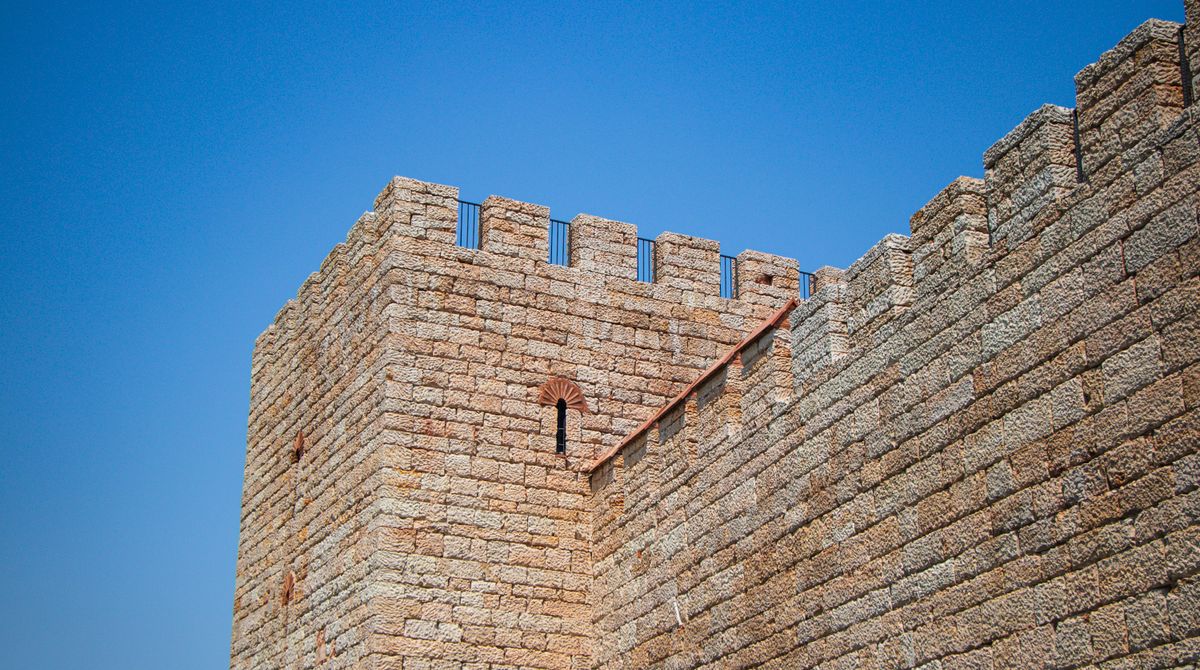
The climb to the citadel starts at a green iron gate below the old city and ends on a rampart wide enough to walk four abreast, looking down at the Abu Ali river splitting the souks in two. Raymond de Saint-Gilles started building here in 1103, three years before he died and six years before the city he was besieging finally fell to his son, Bertrand.
Most of what stands today isn't his. The Mamluks tore down the Crusader stronghold on the coast in 1289 and rebuilt this hilltop fort as a garrison post, and Ottoman governor Mustafa Barbar added the outer defenses in the early 1800s after surviving a siege of his own. Call it the Crusader castle, the way most signage in town still does, and you're naming maybe a fifth of the stone actually holding the hill up.
The ticket booth attendant, a woman who gave her name only as Umm Hassan, said the citadel gets a clear view to the Mediterranean on maybe half the days in July, the rest lost to haze the coast produces on its own without anyone's help. On a clear one, the sea sits past the newer city's rooftops like the fort ended up with the better address by accident.
One Day, Souk to Citadel
Before the Stone Gets Hot
Start at the citadel, not the souk. The ticket booth opens at 8am and the ramparts hold shade until mid-morning; by noon the exposed stone throws heat back at you. Lebanon runs on USD cash day to day, so bring small bills for the $3 entry, since the booth rarely has change for a $20.
Out Through Bab al-Raml
The old city empties out through Bab al-Raml, a stone archway wedged between the citadel's outer wall and a shop selling souvenir pinwheels that spin even when there's no real wind, just the draft off passing cars. Bab al-Raml was one of several gates the Mamluks kept in the reconstructed city walls, a security measure for a population still recovering from having its coastal capital burned.
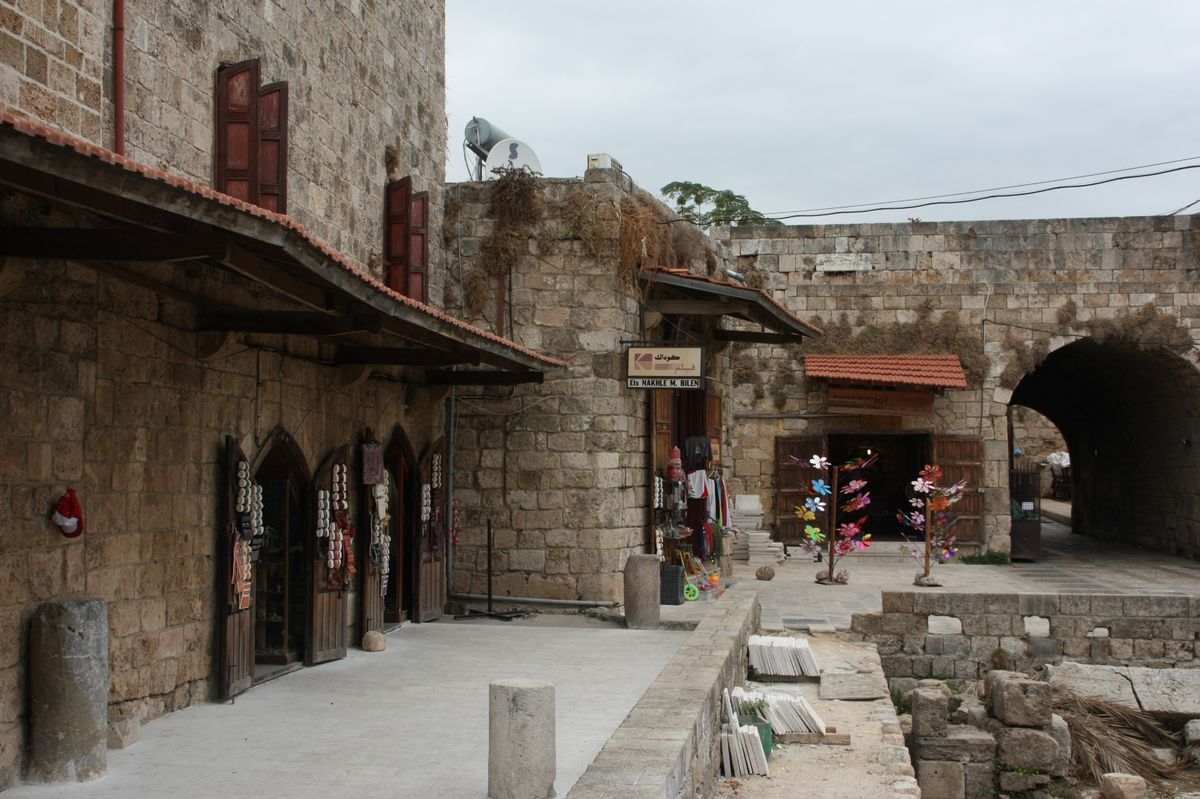
Rima Debs sells the pinwheels along with keffiyeh scarves and cedar-shaped keychains from a stall her family has run at the gate for three years, since the highway bypass pulled some of the day-trip traffic off the old road. "People come for the citadel and leave in an hour," she said, straightening a rack of postcards. "Nobody stays for the souk anymore unless someone tells them to."
Whether that was a complaint about tourism or about her own foot traffic, she didn't say, and I didn't ask twice. The souk was still working when I left, hammer on brass, same as it opened, which is either an argument for staying longer or just what a market sounds like at the end of a long day. ■