Beirut's Old City, Rebuilt on Itself

A pigeon lands on the sandstone ledge above Nejmeh Square's clock tower at nine in the morning, and the bell inside doesn't care that Beirut has fallen down twice since it was installed. Why does a square rebuilt more than once still function as the city's compass, and for whom is it pointing?
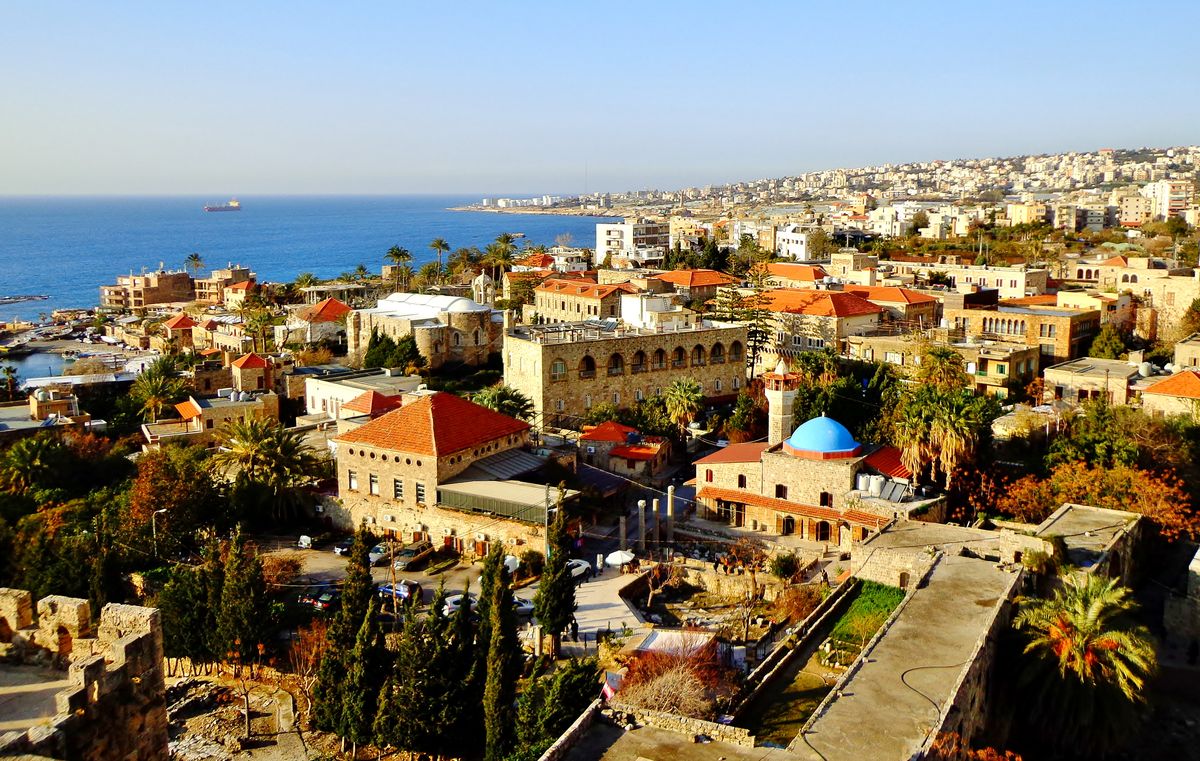
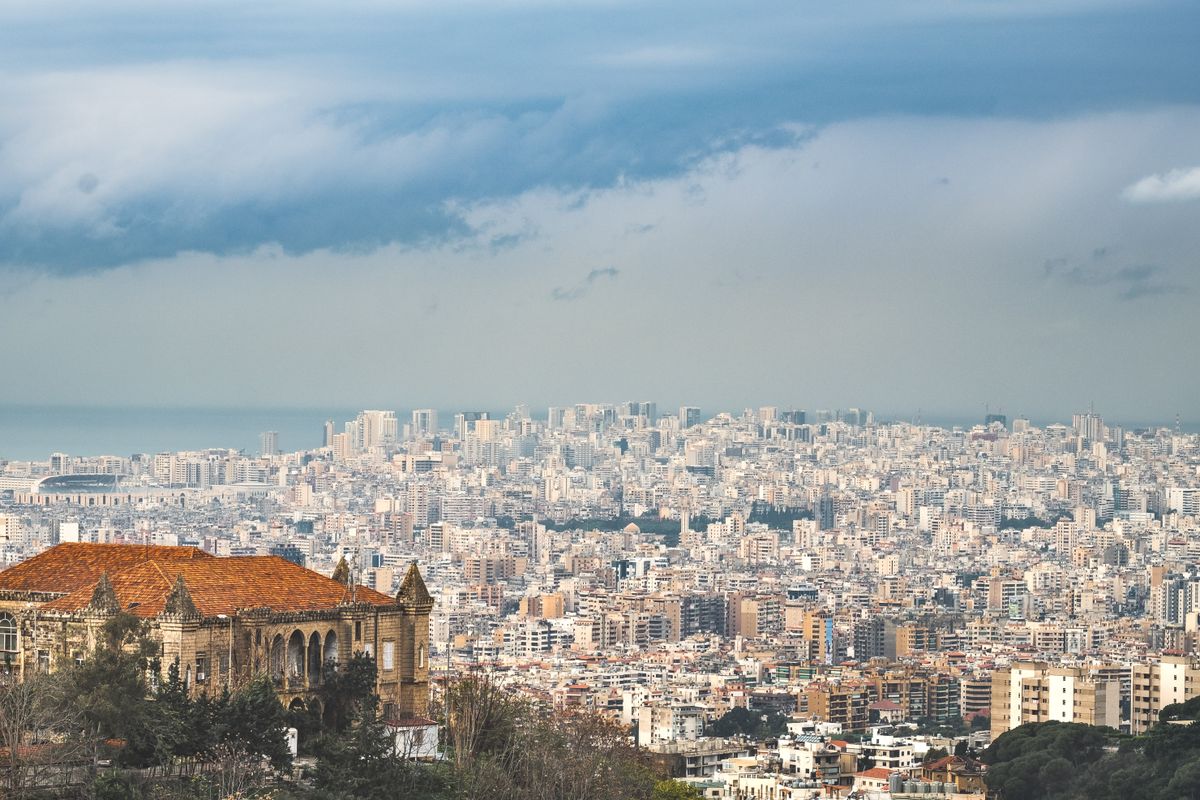
Downtown Beirut was demolished by earthquake, shelled through fifteen years of civil war, then rebuilt by a private development company with the enthusiasm of a real-estate pitch. Each layer is still legible if you know where to look, and most of that knowledge lives with people who never left.
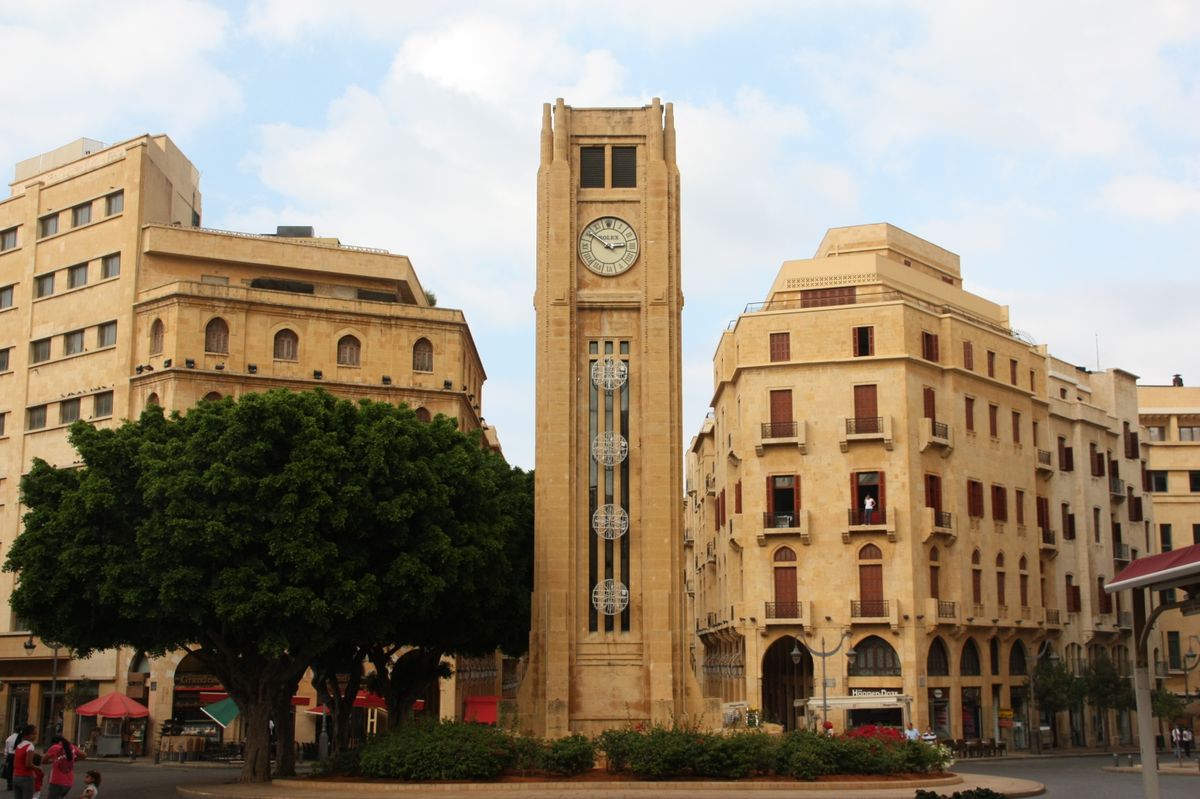
Place de l'Étoile, Nine A.M.
Waiters set up chairs under the arcades of Place de l'Étoile before the heat arrives, and by ten the star-shaped intersection is doing what it was built to do: funnel six streets of foot traffic past the same clock face. Locals still call the picturesque town square intersection by its French name and its Arabic one, Nejmeh Square, in the same sentence.
French Mandate planners laid out the star pattern in the 1920s, radiating six avenues from a hub that wouldn't get its signature monument for another decade. The clock tower is Art Deco, not Ottoman: a four-faced Rolex clock gifted to the city by Lebanese-Brazilian businessman Michel Abed in the 1930s, set down after the streets around it were already built. Beirut's parliament building sits one block off the square, which is why the plaza has been fenced and guarded on and off since 2005.
Nabil Saade has guided walking tours through downtown for nine years and starts every group at the clock tower because, he says, it's the one monument in the square nobody argues about. "Everything else here, someone will tell you it's fake, or too new, or built by the wrong people," he said. "Nobody complains about the clock."
The square itself is not Ottoman, and neither, strictly, is its clock. The star pattern, the arcaded facades and the centuries-old market square commercial plaza date to the French Mandate's 1920s design; the Rolex-faced tower at the center went in roughly a decade later, a private gift, not a sultan's.
The Layer Under the Layer
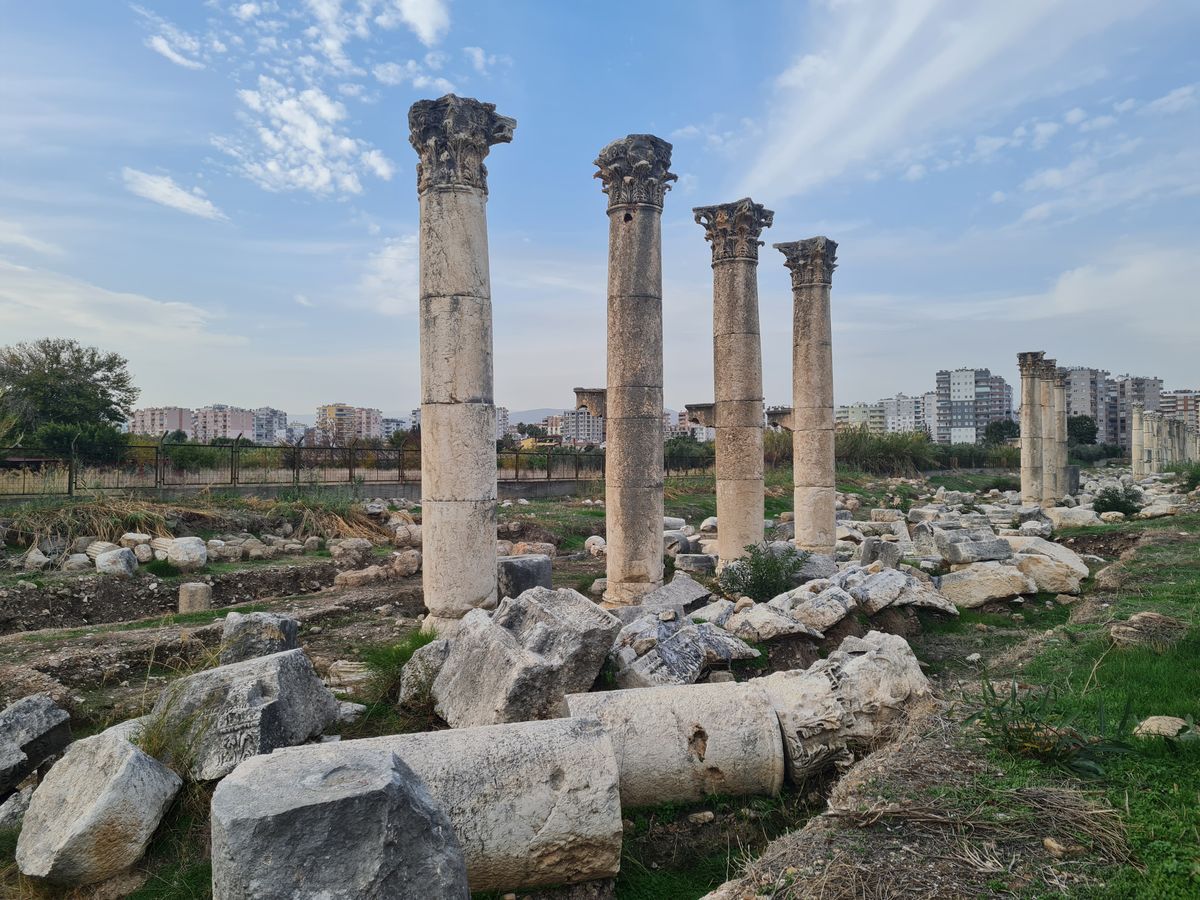
A row of column stumps sits below street level a few minutes' walk from the square, fenced but visible from the sidewalk, catching the late sun in a color no reconstructed facade quite matches. Office workers eat lunch on the railing above them without looking down.
Berytus was a Roman colony by the first century BCE, home to a law school prominent enough that Roman jurists studied there before an earthquake and tsunami leveled it in 551 CE. The colonnades on view now surfaced only when Solidere, the private company that rebuilt downtown after the war, cleared and excavated the site through the 1990s.
A weathered plaque near the railing credits the excavation but skips the argument that followed it: preservationists wanted more of the ancient city left exposed, developers wanted foundations poured. Mona Osseiran, who worked the digs as a junior surveyor in the 1990s, said the compromise shows in how little is visible today. "What you see is maybe a tenth of what we mapped," she said. "The rest is under a parking garage now."
The popular version of this story is that Solidere unearthed a lost city single archaeological layer; the more accurate one is that diggers found Roman, Hellenistic, Ottoman and Mamluk strata stacked in the same trenches, which is why clearing the site took years longer than planned.
Every layer downtown sits on the one that failed before it, by design or by neglect.
Facades That Kept the Receipts
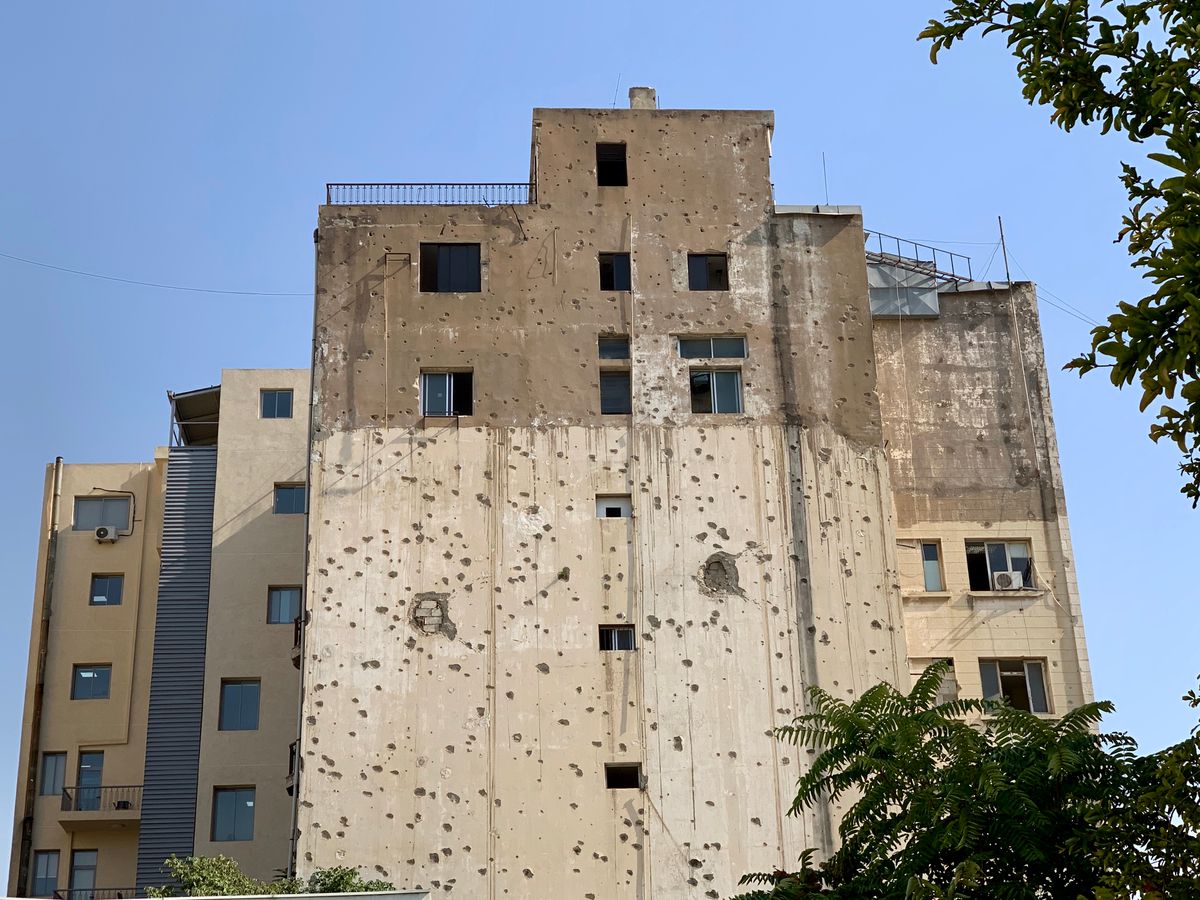
Fact-check: is the war damage a preservation program?
Most bullet-scarred facades left standing downtown and in Achrafieh are private decisions, not a municipal preservation scheme; owners either can't afford glass-tower reconstruction or, like Beit Beirut, kept the damage on purpose. There is no citywide protected list of them.
Beit Beirut rises at the old Sodeco crossing with its balconies still punched through by shellfire, a sandstone building standing directly across from a glass residential tower with a rooftop pool. Tour buses stop for the facade, not the tower.
The building held a sniper position through the fifteen years of civil war because the intersection below it sat on the Green Line dividing the city, and it survived postwar demolition only because architect Mona Hallak campaigned to preserve it as a record rather than an eyesore. It opened to the public as a heritage museum in 2017.
Georges Abou Jaoude runs a stationery shop two doors from Beit Beirut and remembers the years the building sat empty and fenced off before the museum opened. "People wanted it torn down, easier to look at," he said. "Now school groups take pictures of the holes."
Not every scarred building gets Beit Beirut's ending. Solidere's postwar heritage list ran into the hundreds of buildings; most came down for new construction, and preservation was always the exception, not the rule.
Gemmayze Rebuilds Itself, Again
By seven in the evening the café street in Gemmayze fills with outdoor tables under red awnings, waiters weaving trays past parked scooters, palm fronds catching the streetlight. Half the facades along here are less than five years old, which most visitors don't notice unless someone points it out.
The August 4, 2020 explosion at the port tore through Gemmayze and neighboring Mar Mikhael less than a kilometer away, damaging thousands of buildings by most public counts. Government reconstruction funding was minimal; volunteers, NGOs and shop owners paying out of pocket did most of the rebuilding that followed.
A downtown-to-Gemmayze afternoon, priced
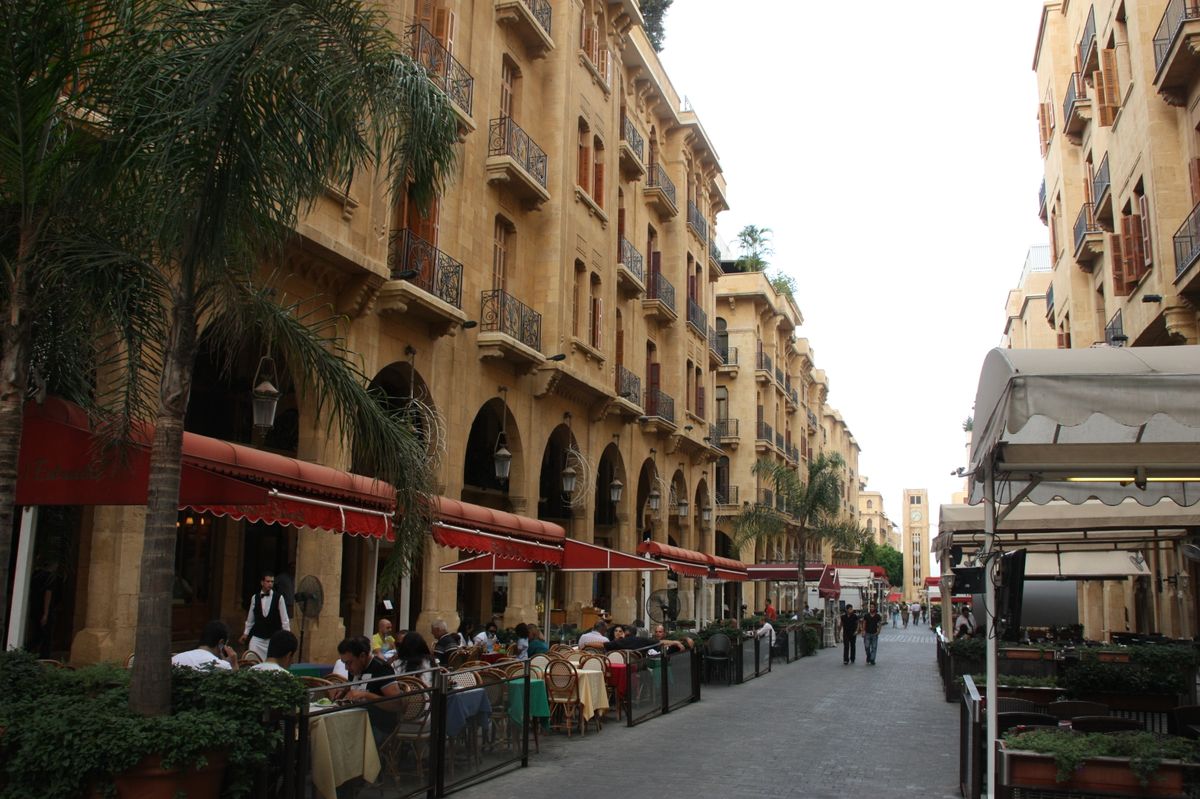
Tania Khoury reopened her café eight months after the blast, paying for new glass and a rebuilt ceiling herself because, she said, the compensation promised never fully arrived. "We didn't wait for a plan," she said. "You fix what's yours and hope the street does the same."
The rebuilding along this street is not, whatever the awnings suggest, a sign the crisis passed. Lebanon's currency lost most of its value in the years before and after the blast, and the cafés reopening fastest are often the ones that priced their menus in dollars from the start. ■