The Valley Moves Anyway: Wine, Caves, and a Fault Line in the Bekaa
Château Ksara's wine caves and the Yammouneh fault run through the same stretch of the Bekaa Valley. One was dug by men escaping wartime conscription; the other is still active beneath the vines.

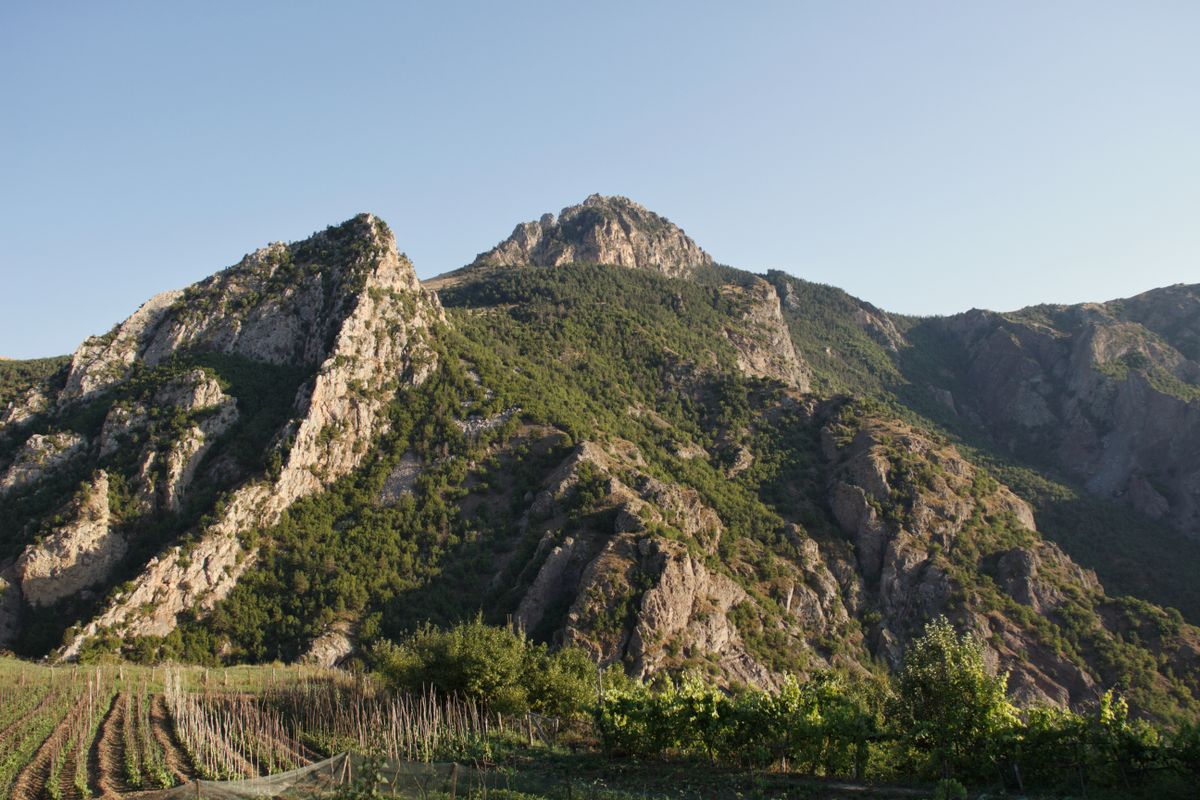
The ridge above Château Ksara's vines rises as one uplifted slab, gray stone tilted at an angle no quarry would choose on purpose. Why does a fault line under a vineyard matter, and to whom? The wine still ships on schedule; the label never mentions tectonics.
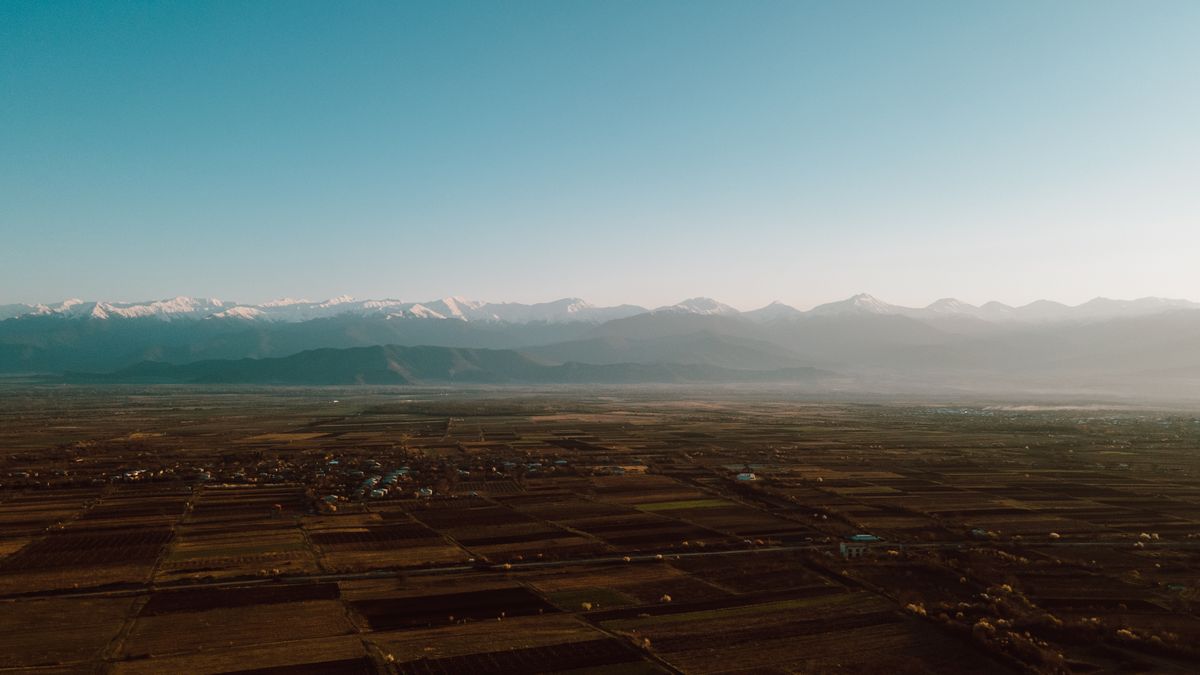
The Ridge Is a Fault Line, Not a Backdrop
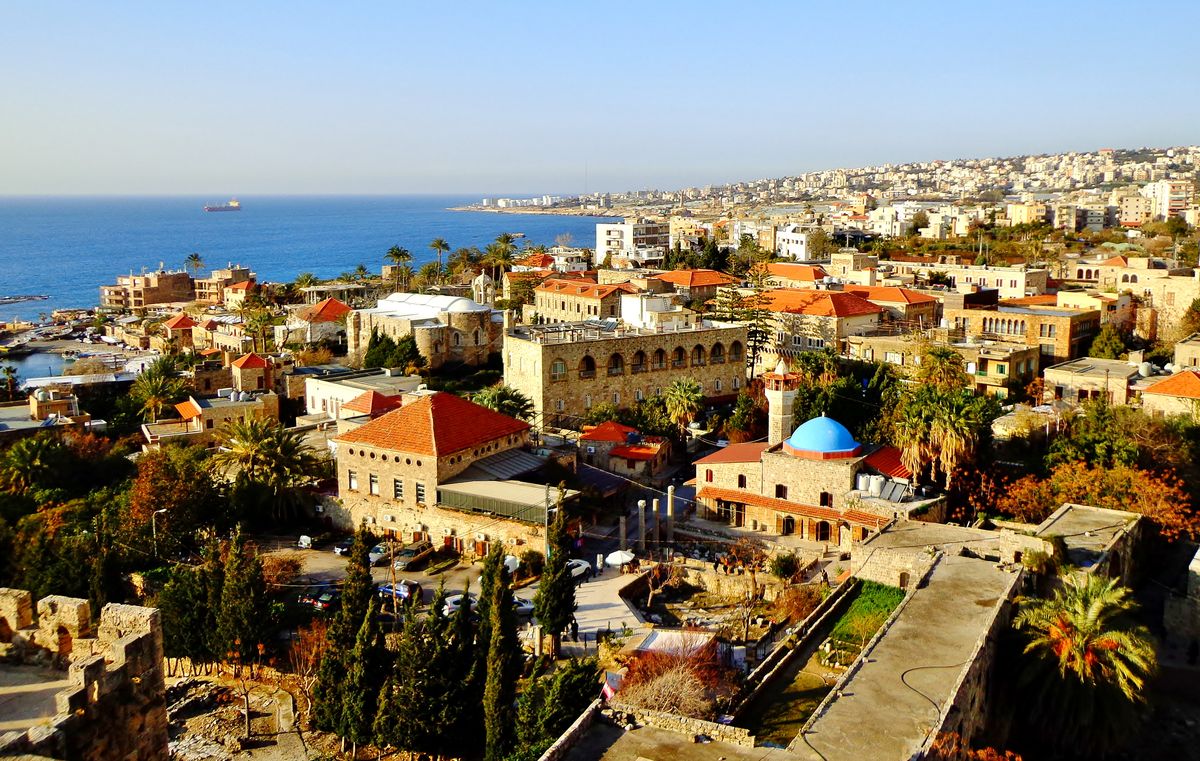
From height, the Bekaa reads as one flat trough between two mountain walls, farmland ruled into rectangles that run to the foothills. That flatness is the tell: this is a rift valley, opened between Mount Lebanon and the Anti-Lebanon range. The forces that opened it are still working, widening the gap by a small amount every year.
The mechanism is the northward creep of the Arabian plate against the Levantine plate. The collision pulls the valley floor down, a process geologists call transtension, and pushes the mountain flanks up, called transpression. All of it falls under one system, the Dead Sea Transform, which continues south through the Jordan Rift Valley to the Dead Sea.
The most continuous strand of that system here is the Yammouneh fault, tracing the western edge of the southern Bekaa. It forms the eastern slopes of the Jabal Barouk massif, on the Mount Lebanon side of the valley. It doesn't announce itself with a crack in the ground. The valley just keeps being a valley, one imperceptible increment at a time.
None of that is felt underfoot on any given afternoon. Major earthquakes here run on a centuries-long cycle, not a tremor under every harvest. The last one large enough to reshape local memory predates every vine currently planted here.
The wine region here grew inside a plate boundary, not around scenery.
Ksara's Caves: A Fox, Then a War
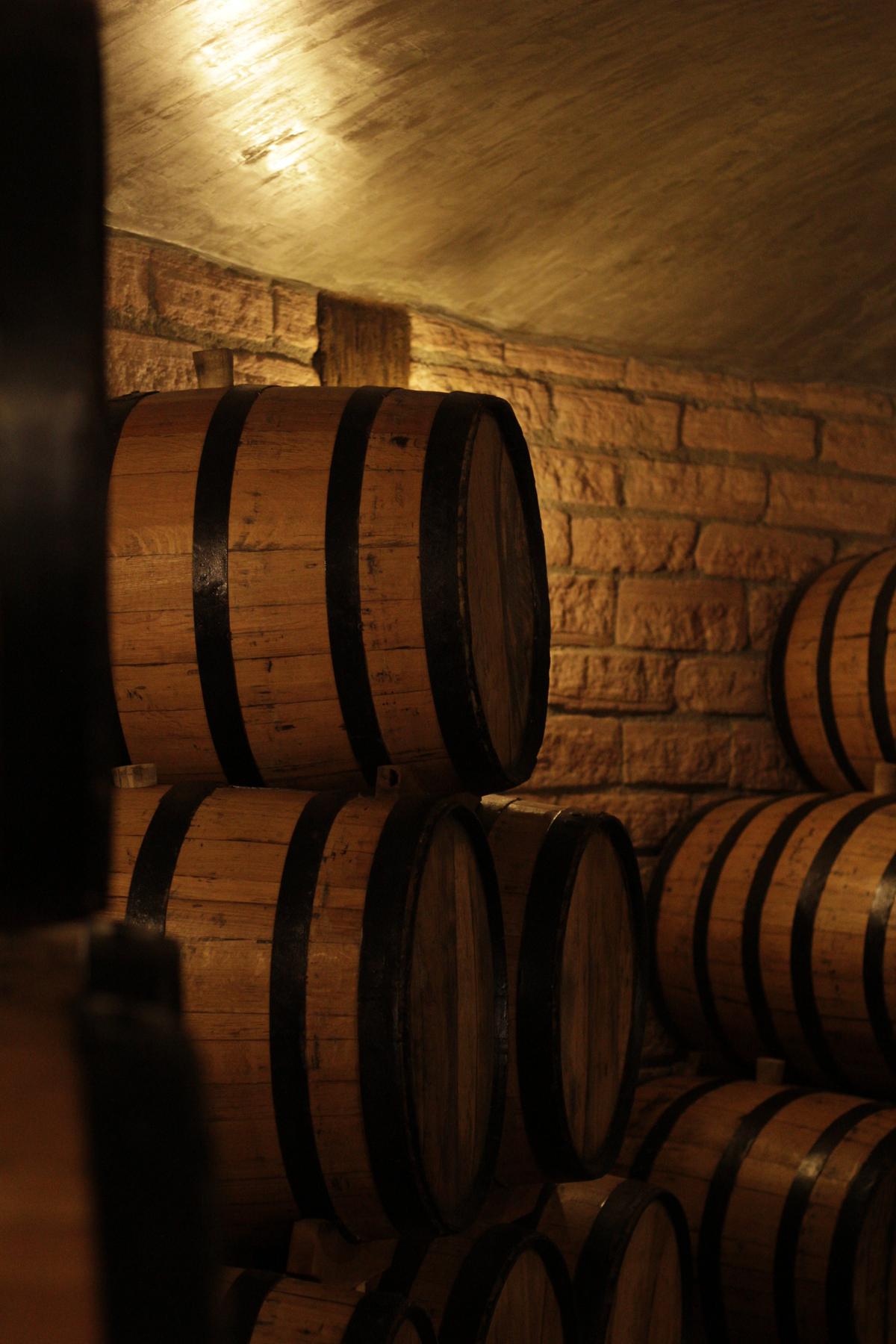
Jesuit fathers planted the first vines at Château Ksara in 1857, which makes it the oldest modern winery in Lebanon. That's a claim backed by a date, not a slogan. The estate sits outside Zahle, on the flattest, most workable stretch of the valley floor.
The caves beneath the vineyard weren't part of anyone's plan. In 1898, according to the estate's own account, a fox had been raiding the chicken coops, and the men sent to smoke it out found Roman-era tunnels running under the vines. It turned out to be less a hidden gem than a discovered air pocket, already at the temperature and humidity a cellar master would otherwise pay to engineer.
Rita Abou Khalil has guided visitors through the tunnels for nine years and still points out the same low arch near the entrance. "People expect us to say monks built this for the wine," she said. "Nobody built it. We just found a use for what was already there."
The Ottoman army was conscripting local men during the First World War, and the caves offered a place not to be found. Workers extended the original Roman tunnels to nearly two kilometers, digging as much for shelter as for storage. The estate dates that expansion to the war years in its own materials, not local legend.
The caves now draw more than 80,000 visitors a year, a figure Château Ksara publishes itself. That's a number with an owner, which is more than most cave legends get.
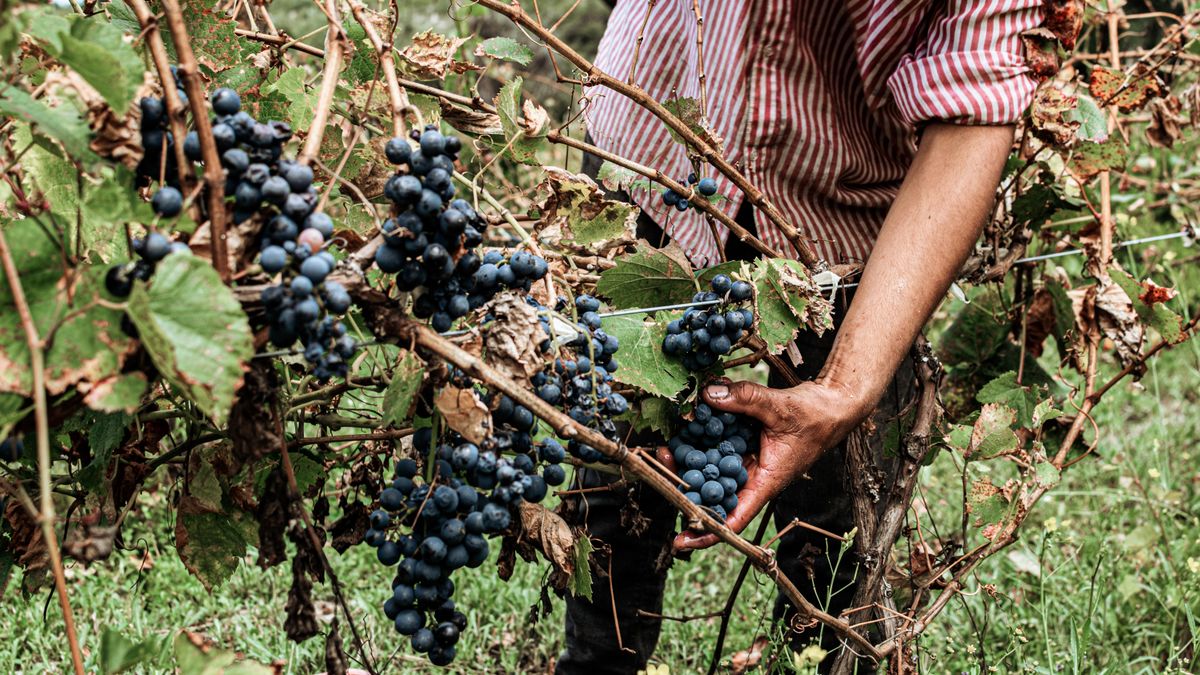
The Harvest Doesn't Care About the Rift
A hand closes around a cluster of dark grapes, twists, and drops it into a plastic crate already half full. The motion repeats down the row at a pace set by ripeness, not by the tectonic drama two kilometers underground.
Lebanon's wine history in the Bekaa runs back to Phoenician times, which makes it one of the oldest continuously worked wine regions anywhere. The valley's flatness and altitude come from the same rift geometry that built the mountains on either side. Early growers got cool nights and good drainage from it, with no name for the geology behind either one.
This isn't a journey of discovery scheduling problem, solved the same way every year. Cinsault comes in first, usually in the last week of August, because it's the grape most likely to rot on the vine if a picker waits for better light.
The harvest calendar isn't romantic. It's agronomic, set by sugar readings a lab technician checks daily, not by the mood of the mountain. The fault line will still be there in September, moving at roughly the rate a fingernail grows, whether or not anyone picking grapes that week gives it a thought. ■