Byblos: The King's Alphabet and Egypt's Cedar Bill
A 1922 landslide uncovered nine royal tombs and the oldest known Phoenician alphabet, and a damaged Egyptian papyrus records the cedar deal that actually built the city's fortune.

Byblos, Tomb V: Twelve Metres Down
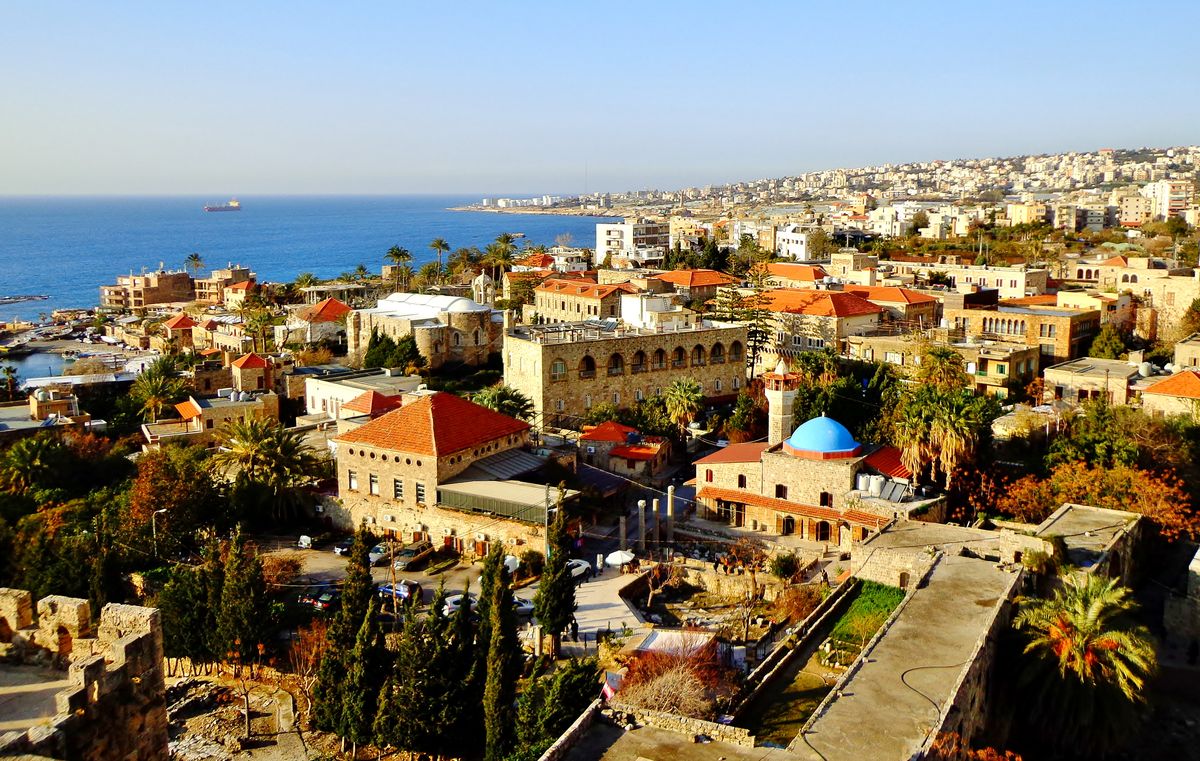
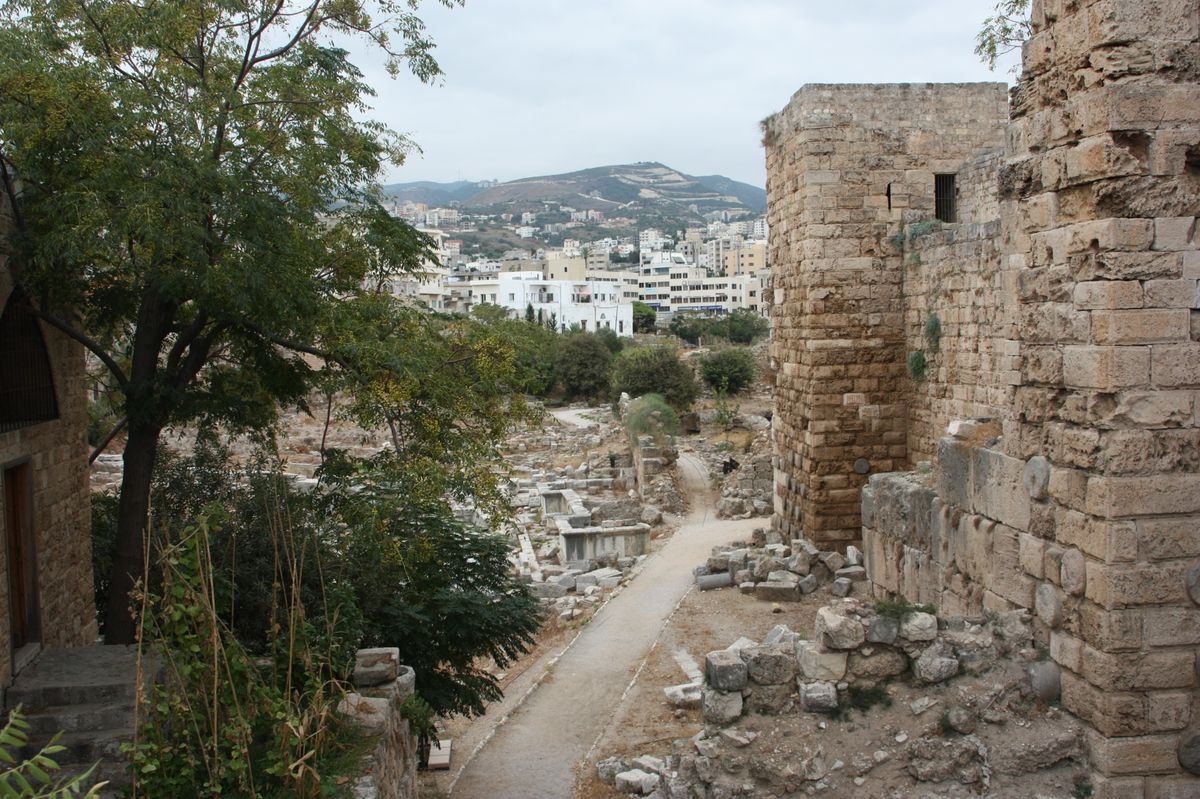
A slab of hillside outside Byblos gave way in February 1922, and what the collapse exposed was not rubble but a shaft, cut straight into rock and sealed for roughly four thousand years. Why a burial pit should outrank everything else on this stretch of coast is a fair question, and the answer sits inside one of the nine chambers that shaft eventually led to.
Pierre Montet, the French archaeologist who opened the site, spent the 1920s working through what the landslide had uncovered. Henri Dunand finished the excavation in the decades after him, and between them they cleared nine royal tombs from the Middle Bronze Age. Some of the shafts run 12 metres into the cliff; the oldest tomb dates to roughly 2000 BC. Guidebooks like to call a find like this an ancient mystery waiting centuries to be solved a construction problem handled with rope and patience: nine shafts dug by hand, then backfilled with rubble to keep out anyone who wasn't a priest.
Tomb V, opened in 1923, held the sarcophagus of Ahiram, a Phoenician king who ruled Byblos around 1000 BC. Cut around the rim of its lid is the earliest known example of the fully developed Phoenician alphabet: 19 of the eventual 22 consonant letters, carved into stone centuries before that alphabet became ancestor to Greek, and eventually to the one this sentence is written in.
The rest of the carving borrows just as freely. Egyptian lotus blossoms run along one register, crouching lions in a Hittite style along another, a rope pattern common across Syria finishes the border. It is a Phoenician king's coffin, decorated with whatever the trade routes happened to be carrying that decade.
Nadim Abou Rjeily has guided visitors through the Byblos site for over a decade, and he stops every group at the shaft that once held Ahiram's tomb. 'People expect the alphabet to still be here, on the stone,' he said. 'It isn't. What's here is the hole it came out of.'
The sarcophagus itself is not at Byblos. It left the site after the 1923 excavation and now sits in the National Museum in Beirut, under glass, an hour down the coast from the tomb that held it. What remains in Tomb V, and in the eight chambers around it, are the stone shafts alone: empty, roped off, worth the visit for the depth of the cut, not for anything inside it.
Nineteen letters cut into a coffin lid outlived the king, the language, and the empire that copied them.
Byblos, 1050 BC: The Invoice for a God's Barge
Wenamun was a temple official from Thebes, sent north around 1050 BC by the high priest there on an errand that any Egyptian official before him would have found routine: buy cedar at Byblos for the ceremonial barge of the god Amun. What made his trip worth writing down was that routine had stopped working.
The account he brought home, or a scribe's copy of it, describes a local prince who no longer treated Egyptian requests as orders, and who wanted payment before he cut a single log. Popular retellings frame the trip as a diplomatic mission a price negotiation that an increasingly confident Byblos was winning. The timber came, eventually, but only after Wenamun sent back to Egypt for more goods to cover the bill.
Where the pieces actually are
Ahiram's sarcophagus: National Museum, Beirut, not the Byblos site itself.
The empty tomb shafts: on site at Byblos, included with general admission.
Cedar country: the reserves inland and up toward Mount Lebanon, a separate trip from the coast.
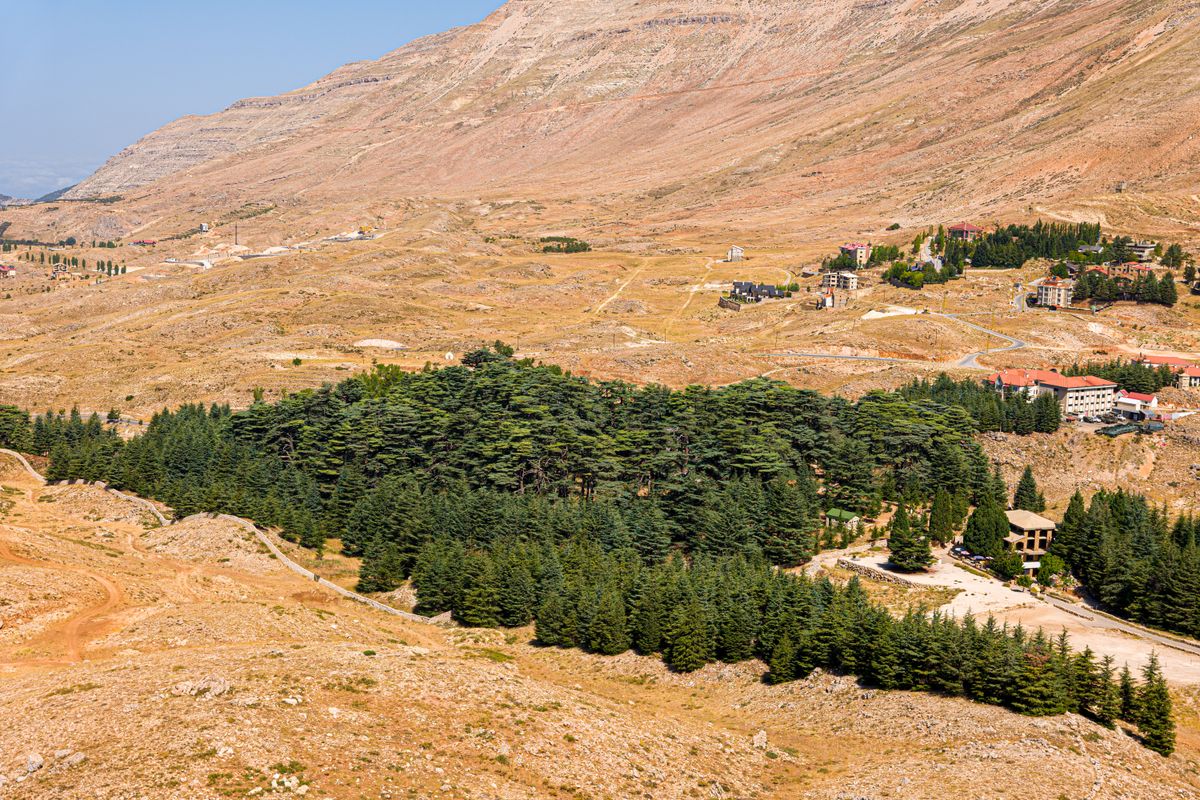
Cedar, not fish, is what paid for Byblos across most of its history. Mount Lebanon's forests supplied Egypt with timber for temple beams and ship hulls for well over a thousand years, a trade that was already old by Wenamun's time and kept running long after his papyrus stopped being useful as a source.
The papyrus does not end with Wenamun sailing home in triumph. It breaks off mid-account, damaged, before the story resolves either way, which is a more honest ending than most summaries give it. Byblos got its price. What Wenamun got, beyond the wood, the text does not say. ■