Packing Cubes vs Rolling: The Boring Truth, After About Two Hundred Load-Outs

The Kit Before the Question

Before any of it goes in a bag, it goes on the floor. That part matters more than what you put it in.
The first sound of packing for a gig isn't a suitcase zip. It's a guitar case latch, checked twice, clicking shut on the one thing in the bag that isn't negotiable. Everything else gets built around that click, the way you'd build a set around the one song the room actually came for.
So when people ask whether I roll or cube, I have to explain that I've been answering a smaller question than the one they're asking. I've flown out of Dublin and Shannon more times this year than I've bothered counting, and driven to gigs in vans where the boot space was decided by an amp, not a wardrobe. The cube-versus-roll debate online treats packing like it's the whole show. For most of us it's the soundcheck. Nobody buys a ticket for the soundcheck, but a bad one still ruins the night.
Before a nine-date run through Munster last spring I laid the whole kit on the floor of a rented room in Ennis, same as I do before every tour, cubes and rolls both still empty. Nine gigs, one stage outfit that has to survive all nine, four changes of ordinary clothes, a rain jacket that never gets used but always gets packed. Laid flat like that, it's obvious in about ten seconds whether it fits a 40x20x25cm cabin bag. Zipped into anything, cube or roll, that obviousness disappears until you're standing at a gate in Shannon doing sums you should have done at home.
That's the bit nobody selling packing cubes on the internet wants to lead with. The method is not the test. The floor is the test.
The Cube Case

The one rule that's actually worth following
Forget cubes versus rolling. Cube or roll the things you won't need again until the next city, and keep the next 24 hours worth of clothes loose on top, whatever bag you're using. That's the difference between a two-minute repack and a fifteen-minute one, and it has nothing to do with which method you swore allegiance to online.
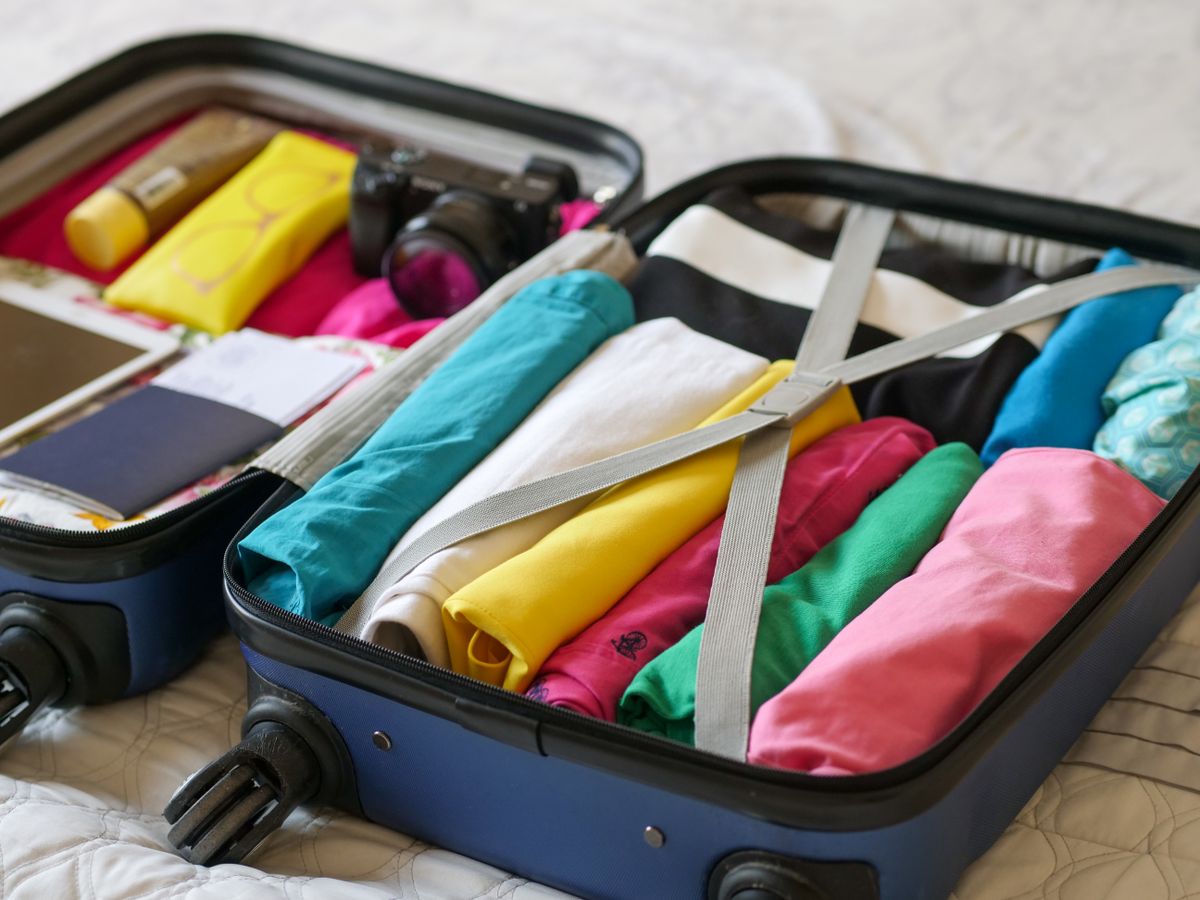
Cubes get sold like a woodwind section, everything in its own case, nothing touching anything else, and there's real truth in that. I've used the same six-piece set for close to three years, one cube for stage shirts, one for the ordinary stuff, a slim one for cables and a capo and the small things that otherwise migrate to the bottom of a bag and stay lost for a fortnight. Pull the stage-shirt cube out at a venue in Utrecht and it comes out still shaped like a cube, not like whatever the bag decided it should be shaped like on the flight over.
That's the part that actually earns its keep on the road: not the packing, the unpacking. A dressing room at eleven at night, twenty minutes before doors, is not a place you want to be hunting through a bag one sock at a time. Pull the cube, unzip, done. It's less like a well-mixed set and more like a good stage manager, unglamorous, mostly invisible, and you only notice it when it's missing.
Where the cube case gets overstated is repacking speed. After a 2am load-out in Cork, half-asleep, the cube system asks you to sort as you go: this shirt in this cube, that charger in that pocket. Drunk, tired hands don't sort. They stuff. I've watched myself do it, cube unzipped on a hotel bed, clothes going in whatever order my hands found them, the actual organising happening the next morning when I'm sober enough to care. The cube didn't save me twenty minutes at 2am. It saved me twenty minutes at 9am, once I'd undone my own mess from the night before.
A good cube system rewards someone who was already organised. It doesn't build organisation in you from nothing, no matter what the six-cube starter set promises on the box.
The Roll Call
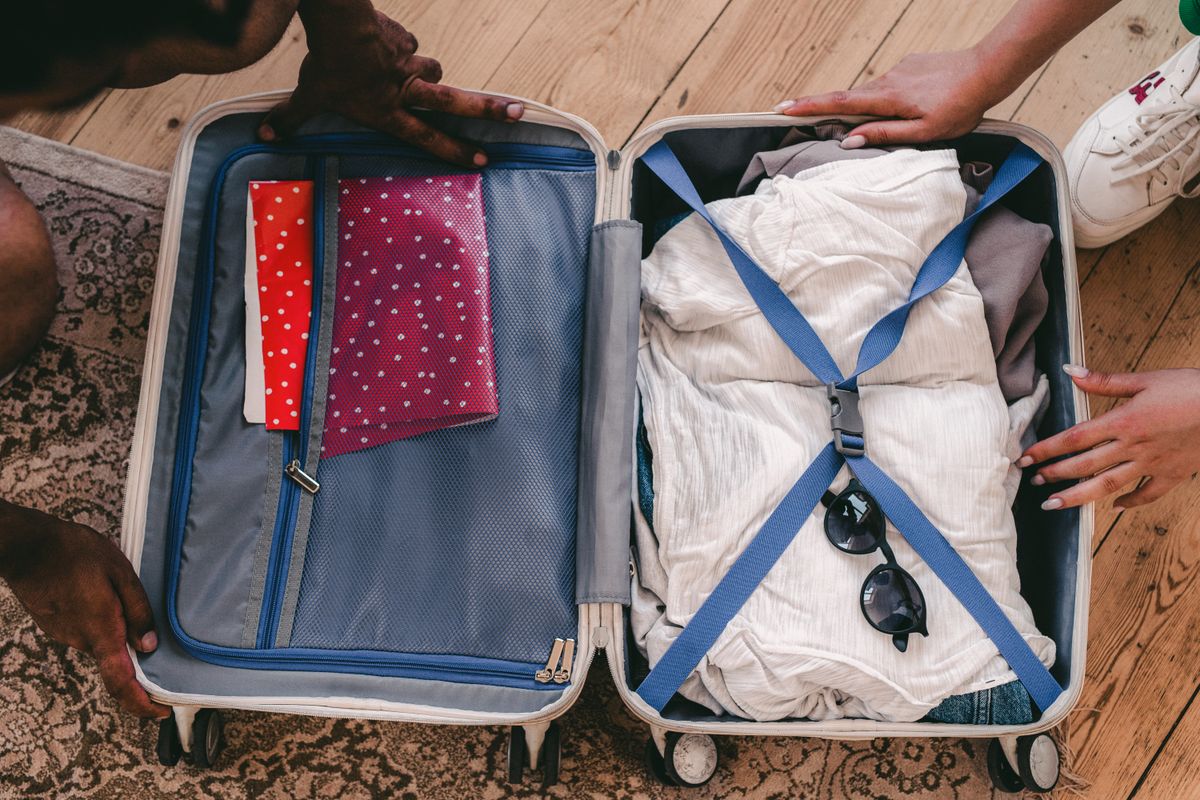
Rolling has one honest advantage and about four imagined ones. The honest one is volume: rolled clothes, done properly, sit lower and pack tighter around odd shapes than folded clothes do, which matters when the odd shape you're working around is a mandolin case or a pedalboard. I've fit a full week's ordinary clothes into the gaps around gear using nothing but rolls, on runs where a cube simply wouldn't have flexed into the space available.
The imagined advantages are the wrinkle claims. Rolling supposedly beats wrinkles. It beats folding badly, which is a different thing. A cotton shirt rolled tight against a phone charger for six hours on a bus from Cork to Donegal comes out with a crease exactly where the charger sat, same as it would if you'd folded it there. What actually beats wrinkles is not overpacking the bag past the point where anything can shift, which is advice nobody can sell you a product for, so it doesn't get said as often.
Rolling also loses the one thing cubes are quietly good at, which is keeping categories apart. Roll everything loose into a bag and by the third city the stage shirt has migrated in with the ordinary ones, and you're pawing through the whole lot in a dark green room seven minutes before you're on. I know this because it happened to me in Dingle, in front of a support act who found it very funny.
Neither method survives contact with a van floor at 2am. Organisation does.
The Real Test: Bin Space and the 2am Load-Out
Here's the test that actually decides it, and it's not a stopwatch test done fresh in a hallway, which is what most of the comparison videos run. It's whether the bag goes into an overhead bin without an argument at the gate, and whether you can find your capo in it half-asleep after a set that ran forty minutes over.
What the debate actually costs
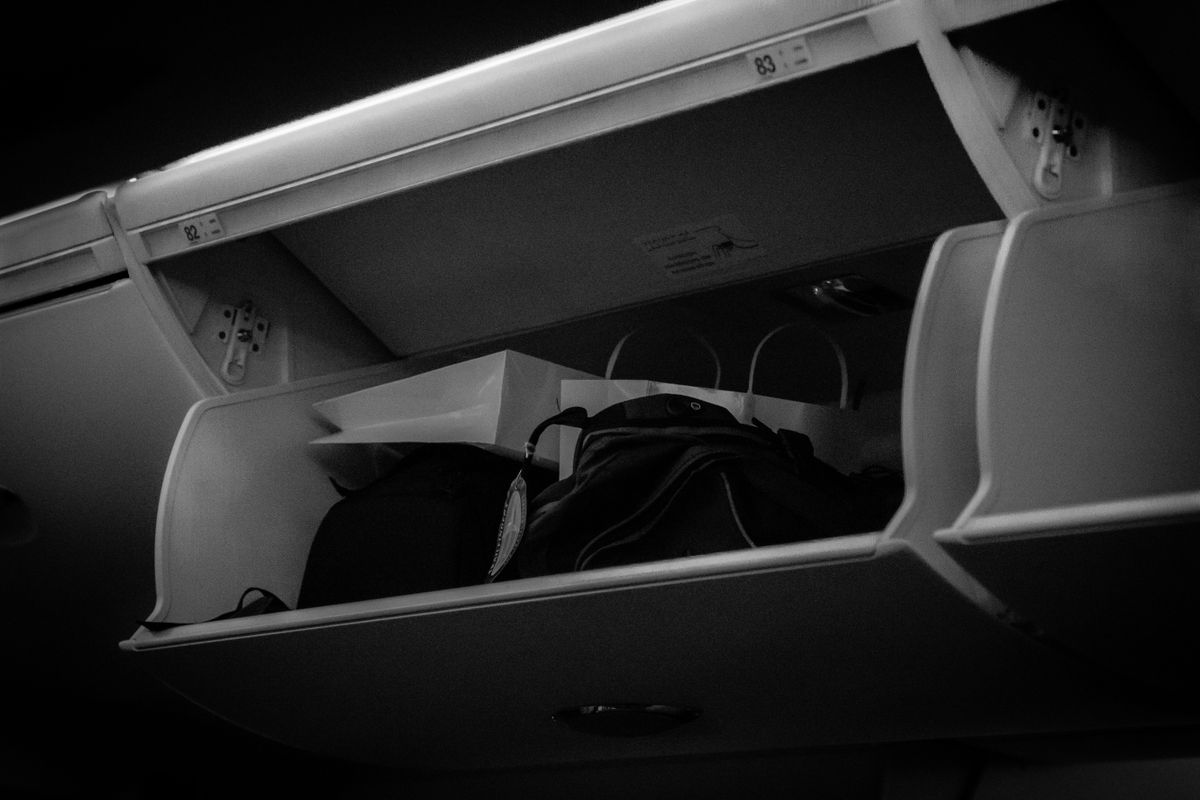
On that test, cubes and rolling come out close enough that the gap isn't worth the argument it generates online. Both fit a 40-litre cabin bag if you're not overpacking it in the first place. Both survive a van floor about equally badly, which is to say a cube stops being a cube-shaped object the first time an amp gets stacked on it, and a roll stops being rolled the first time someone digs through the bag looking for a charger. The variable that actually predicts whether you're calm at a gate or sweating over a scale is whether you packed with a plan or packed at midnight the night before, and no cube or strap fixes that part for you.
Forty-five euro is the real number behind most of the online panic, and it has nothing to do with cubes or rolls. It's the fee for guessing wrong about volume, which either method will let you do if you're not paying attention, and neither method will save you from if you are.
So that's the verdict, such as it is, and I'll admit it's a duller one than the forums want. I use cubes now, mostly because I like handing a dressing room chaos to a system instead of my own memory at midnight. But I've toured plenty of good years on rolled clothes and a cross-strap, and the gigs went fine, and nobody in any crowd ever once asked how the shirt got there. ■