Carry-On Only: The Twenty-One-Day Forecast
A meteorologist runs her three-week carry-on kit through the same conditions-first read she gives a weather front: capsule counts, fabric physics, and the one laundry day the whole system depends on.

The Fabric System
Carry-on allowance for most airlines runs about fifty five by forty by twenty centimetres, weight limit somewhere between seven and ten kilograms depending on the airline, worth checking rather than assuming. Inside that box for twenty one days: six tops, five bottoms or their equivalent, a couple of light layers, one or two jackets, no more than two pairs of shoes worn or packed. That is the whole forecast model. Everything else is commentary.
The discipline underneath those numbers matters more than the numbers themselves. Every top has to pair with every bottom, no orphan pieces that only work with one thing. Two pairs of shoes, one on the feet at the gate, one flat in the bag, because a third pair is dead weight that never once justifies its volume.
One shell does the job that used to take three coats: it blocks wind at altitude, it drapes fine over a collared shirt at dinner, it folds into itself in fifteen seconds when the evening light starts going the color of weak tea and the temperature drops with it. A jacket that only works for one kind of weather shouldn't have made the cut.
Old backpacker wisdom holds that natural fibers breathe and synthetics suffocate. It sounds like superstition until you work through the mechanism: cotton fibers absorb water into the fiber itself and hold it there, merino and synthetic fibers move moisture straight to the surface where the air can take it away. That is capillary action and evaporation rate, not a personality trait of the fabric. It is also why merino and quick-dry synthetics are the actual multiplier on trip length. They dry overnight. They resist odor for days past when cotton would have surrendered. They pack down smaller because there is no need to double up against the smell.
One merino shirt can reasonably survive three or four wears before it needs a wash, which sounds implausible until you have done it and it holds. Cotton does not get that grace period. Pack one cotton shirt anyway, because everyone does, and call it a seventy percent chance of regretting it by the third wear, the other thirty percent being the days it stays folded at the bottom of the bag.
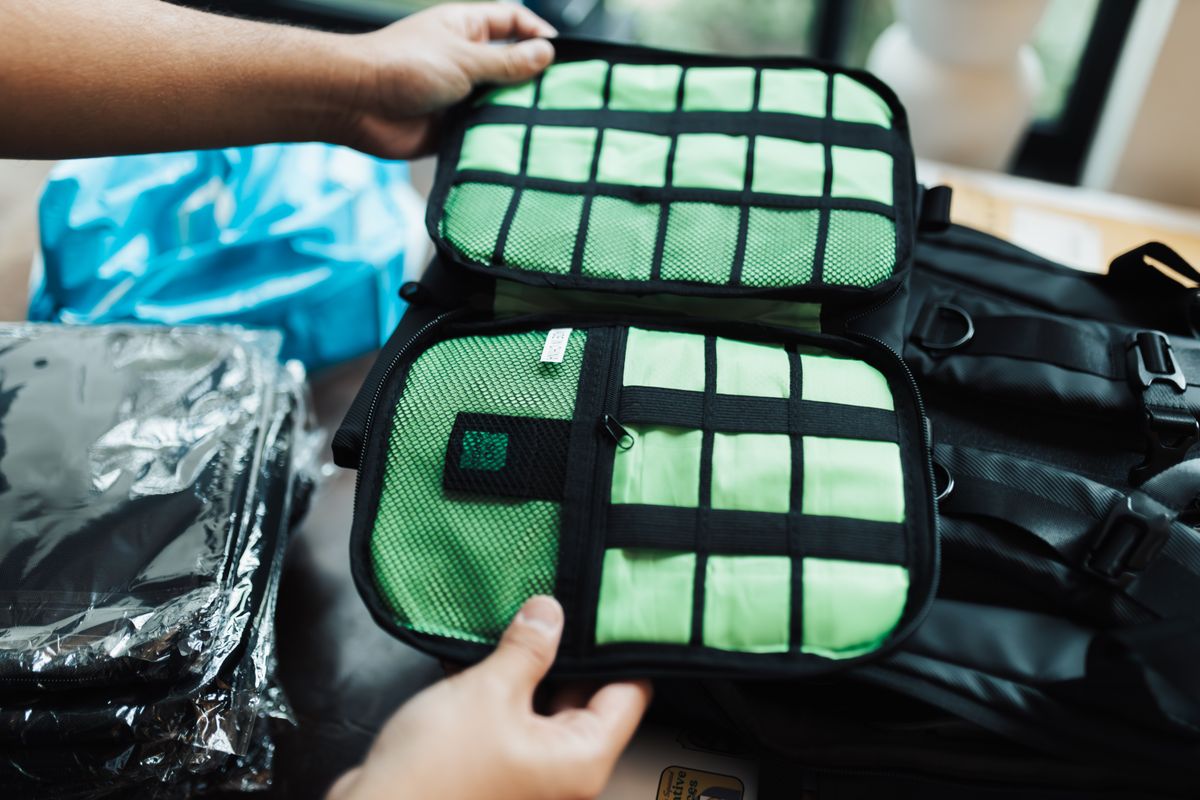
Three packing cubes carry the whole system: one for tops, one for bottoms, one for base layers and the odd sock that never met its pair. Compression cubes do what compression always does, they trade air for volume, and the six top five bottom count only fits the box because the air has been squeezed out first. Outlook for the fabric system: holds for about a week before it needs the next front to move through.
A jacket that only works for one kind of weather shouldn't have made the cut.
The Wash Cycle
Day nine is when the kit's actual condition starts to show. Not literally, but the six tops have each logged two or three wears and the margin is thinning. The rule that actually holds for three weeks: pack roughly a seven day capsule, not twenty one days of untouched changes, and plan on one real laundry event, maybe two, somewhere in the middle of the trip. Trying to pack for all twenty one days without washing anything just means carrying eighteen extra items that exist only to avoid a task that takes less time than clearing immigration.
Day to day, the actual system is a sink wash most nights: cold water, a travel sheet of detergent or a bar of hotel soap, wrung out hard and hung wherever there is airflow. The flagged laundry day in the middle of the trip is the one exception, a real load through hotel service or a laundromat, the closest thing to home laundry the whole three weeks gets. The evening a sink wash goes up, the light outside is usually already sliding toward dusk, and that timing turns out to matter less than it seems to.
Outlook: the sink wash
Cold water only: hot water can set odor into synthetic fibers instead of releasing it.
Wring by rolling the garment in a towel before hanging. Damp is the target, not wet.
Hang near airflow, a cracked window, a fan, a bathroom vent, not just a warm room. Moving air dries fabric, warmth alone does not.
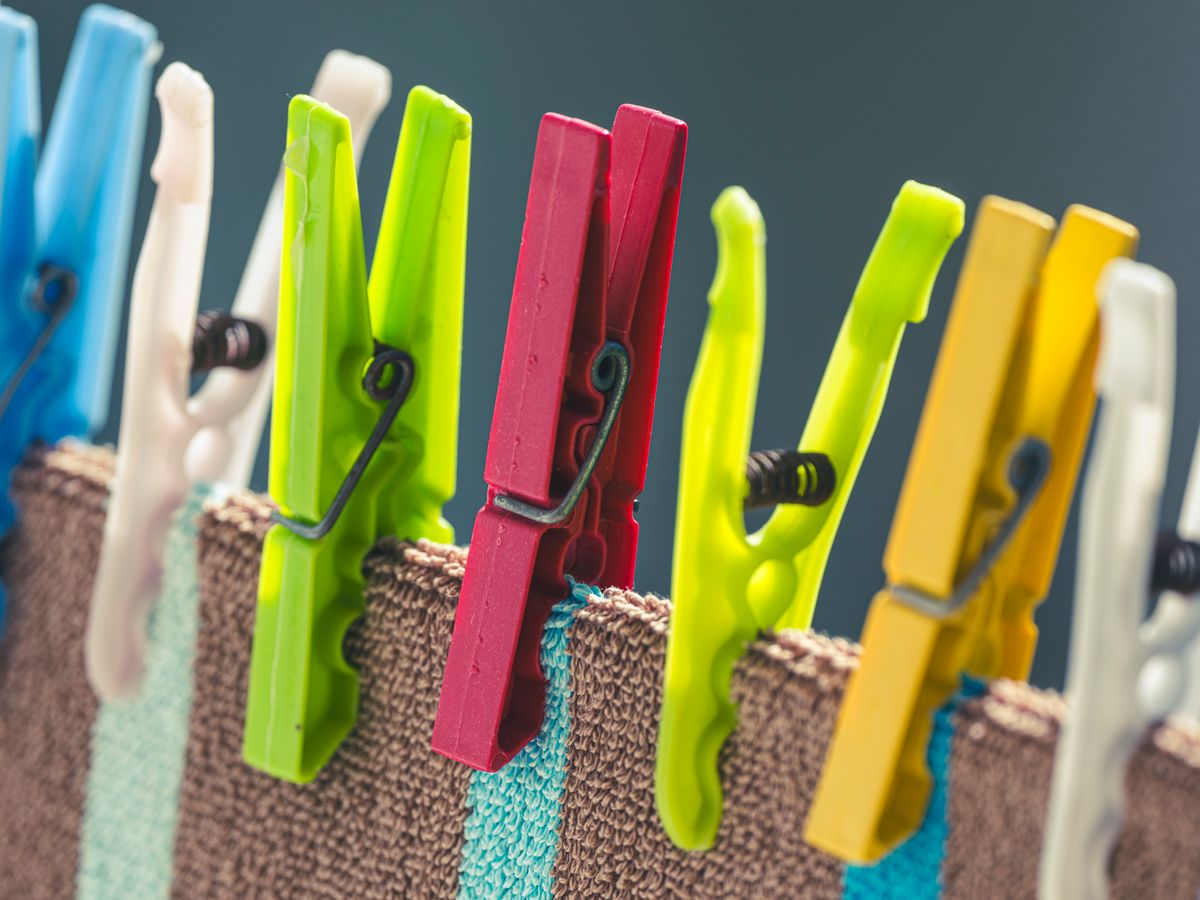
There is an old traveler's line that clothes need sun to dry properly, that a shirt hung indoors overnight comes back stiff and half finished. It sounds like superstition until you work out what is actually happening: drying is airflow moving moisture away from a wet surface faster than the air can reabsorb it. Sunlight helps mostly by warming the air and speeding that exchange, not by doing anything to the fabric directly. A fan pointed at a shirt overnight in a dark bathroom finishes the job just as well as a clothesline at noon, sometimes faster, because moving air is moving air.
A carry-on packed to this system usually lands close to the lower end of that seven to ten kilogram window, light enough that hour fourteen of a long-haul sector does not turn the overhead bin into a small negotiation. That is the actual payoff. Not the color coordination, not the cubes, just a bag that still feels manageable when the trip is three weeks old.
Outlook for the whole kit, three weeks out: mostly settled, one disturbance around day nine when the laundry has to happen whether or not there is a laundromat nearby, and nothing in the forecast that a sink and a length of cord cannot clear by morning. ■