Makgadikgadi After Dark: A Night on the Salt Pans, Logged to the Minute
In the Kalahari, meerkats keep their own clock, the quad convoy runs a few minutes down, and the stars arrive early enough to log the difference.

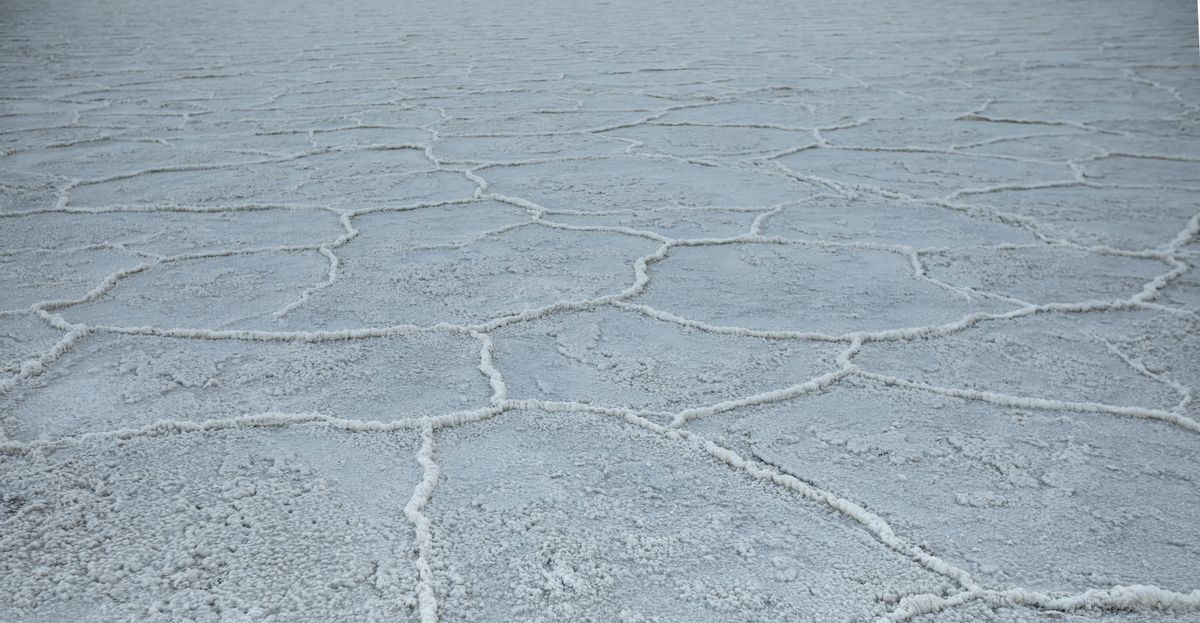
Wheels down at Maun at 1410, eleven minutes ahead of the printed schedule, which is not information most travel writing bothers to keep, but I logged it anyway, out of habit. Ninety minutes later, dust road, a family of kudu crossing without right of way, Camp Kalahari's flag came up at 1548. Call it on time. Nobody hands you a marker for where the mopane scrub ends and the pan begins. The ground just goes from red to white.
The Clan Takes Attendance
Guide's estimate for the walk to the burrow: twenty minutes, twenty-five if the clan was slow to surface. Departure logged at 0620, camp still dark, cold enough to see breath, which nobody warns you about before a Kalahari sunrise.
Burrow reached at 0641. Twenty-one minutes against a stated window of twenty, four inside the outer estimate. First head broke the surface at 0649, eight minutes after arrival, against a forecast of 'the first ten, if we're patient.' On schedule, by a minute.
At 0704 one of the four adults selected my shoulder as a lookout post, no request lodged, none granted, none required. Contact held for approximately four seconds, no injuries, subject then relocated to a termite mound for a marginally better vantage. No further comment issued by either party.
Guide's window: twenty to twenty-five minutes out, ten to first sighting. Actual: twenty-one out, eight to sighting, one unscheduled shoulder landing partway through. Call the morning on schedule, with a minor systems check nobody had flagged in advance.
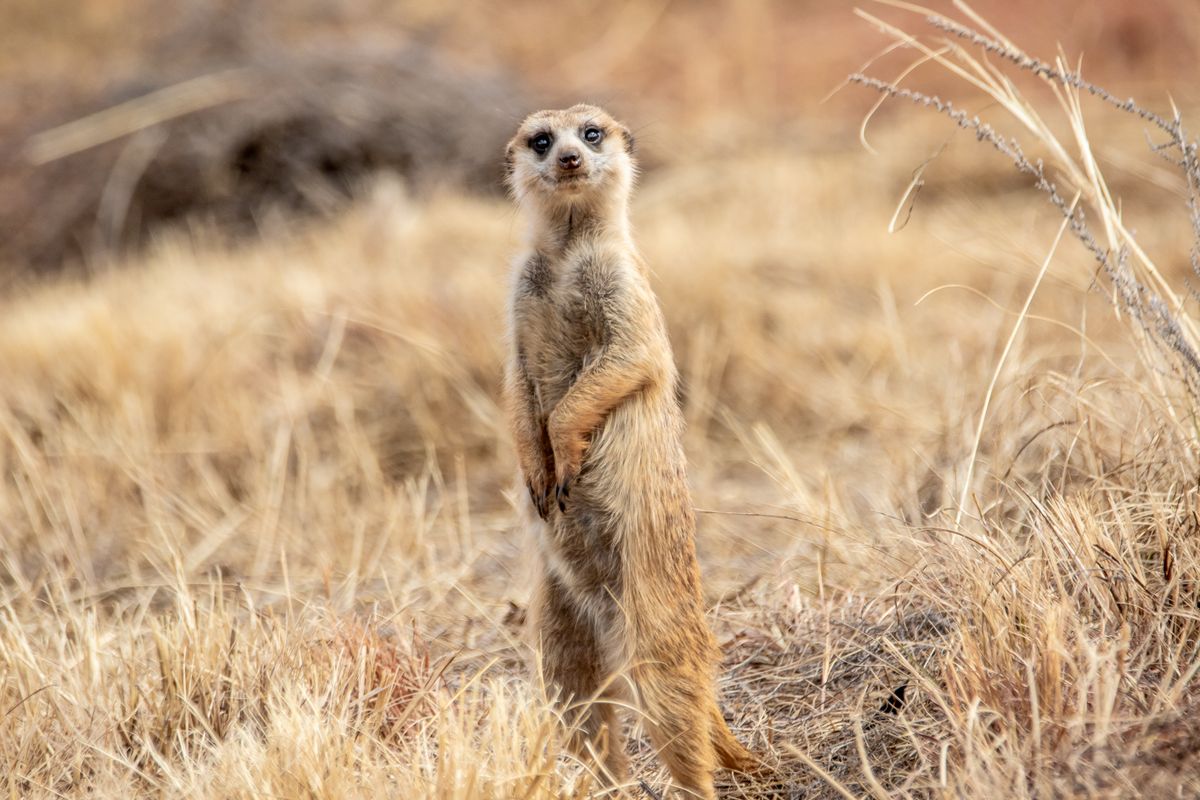
Contact held four seconds, no injuries, no further comment from either party.
Out Onto the Pan
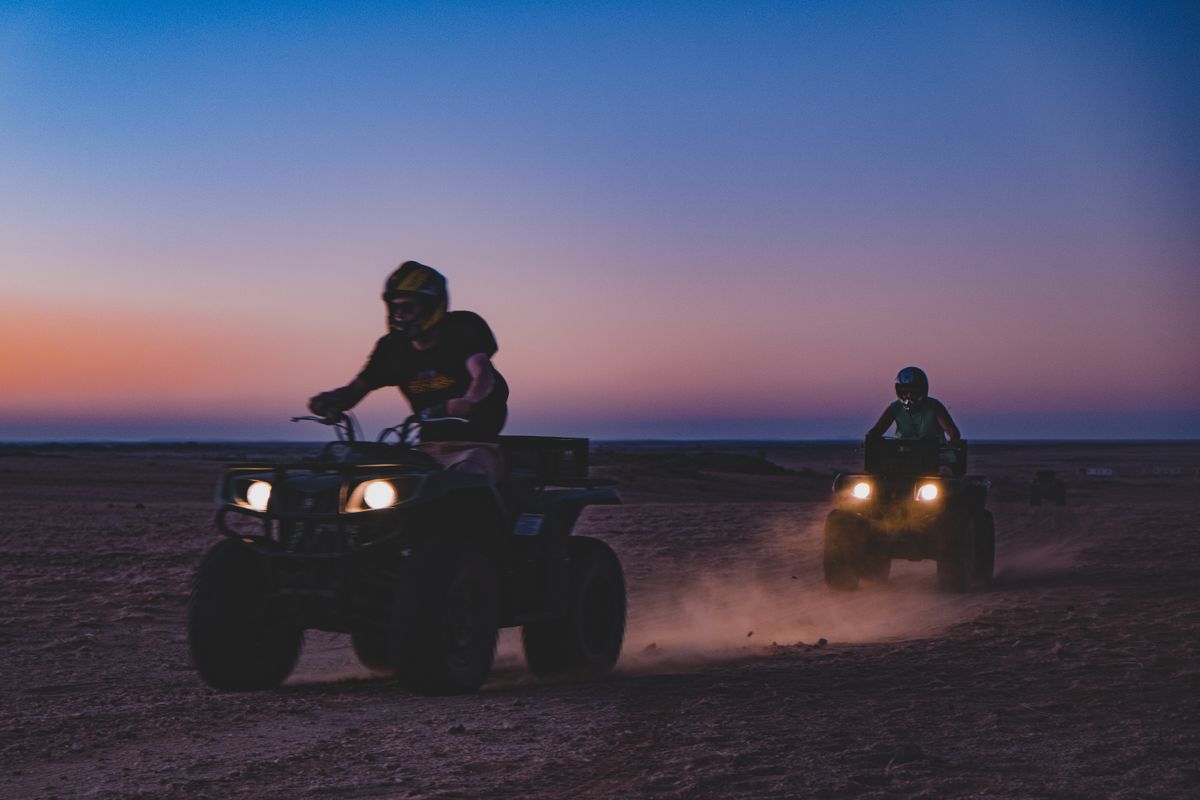
Quad convoy briefed for a 1630 departure. Engines running at 1637, seven minutes down, blamed by the guide on a stuck choke and logged without further comment, because that is what the log is for.
Forty minutes out in single file, the mopane thinned to grass, the grass thinned to nothing, and the pan opened flat and white to a horizon with no fixed point on it in any direction. Headlights came on one by one as the light dropped, last rider switching from dark to lit at 1804, four minutes past the guide's called last light.
One quad clipped a tuft of grass at the pan's edge and stalled, no other traffic in the vicinity, rider upright, unhurt, mildly affronted. Restart logged at forty seconds. A controlled halt on featureless terrain, filed as a non-event.
Briefed for 1630, rolling at 1637, camp fires visible on the pan's edge by 1826. Seven minutes down at the start, never recovered, never missed either. Ran under advisement, not behind it.
Desert Night, Packed For
A proper down layer, because desert days run hot and pan nights drop close to freezing.
Closed shoes for the quad run; sandals stay at camp.
A headtorch with a red-light setting, to keep your night vision intact on the walk back from the fire.
A buff or scarf for the dust thrown up by the lead rider.
A dry bag for anything that shouldn't end up gritted by sunset.
Zero Light Pollution, Filed as Advertised
Camp brochure promised 'some of the darkest skies on the continent' at check-in, 1840. First stars logged at 1912. Full dark and the Milky Way laid edge to edge across the pan by 2005, thirty-five minutes ahead of the guide's forecast of 'full dark by nine.'
No tree line out here to trim the horizon, no fence line, no glow from anywhere for the eye to file as a town. The camp's own fires were the brightest thing within a hundred kilometres by a wide margin, and even those were kept low. Lie flat on the pan's crust and the sky reads as a dome with no edges, which after four decades of watching aircraft find their place in ordered lanes above Gaborone is a genuinely unfamiliar kind of traffic to look at.
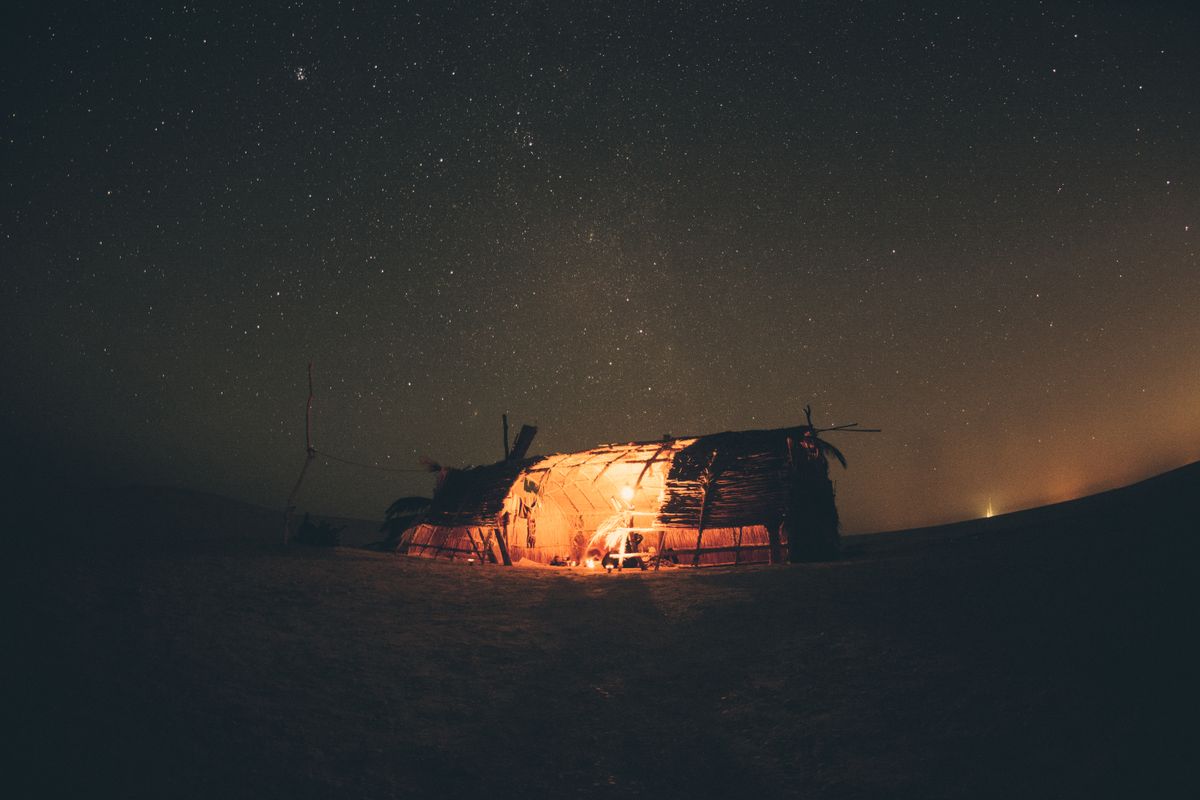
At 0140 a guide called out a slow-moving light crossing above the fire as a satellite. Ninety seconds of debate settled it as Venus, setting. Correction filed, no formal retraction issued, guide moved on to identifying Scorpius without missing a beat.
Three days, estimates logged against actuals: meerkats eight minutes ahead on first sighting, one unscheduled shoulder landing; quad convoy seven minutes down at departure, recovered by dusk without incident report; stars thirty-five minutes ahead of forecast. Call the whole run on schedule, within tolerances any tower would sign off on without remark. ■