Kenting, Counted: Field Notes from Taiwan's Southern Tip
A marine biologist's first trip to Kenting National Park turns into a two-day survey of Taiwan's southern coast, one dive log and one crowded beach at a time. The reef isn't dead. It's just not where the brochures point you.

Hengchun to Nanwan: First Reading
Getting Around Kenting
125cc scooter, about TWD 500/day at shops near Hengchun's gates. Bring an international driving permit plus your home license, they do check.
Highway 26 loops the whole peninsula. Fuel up before Eluanbi, the pumps thin out past the lighthouse turnoff.
Typhoon season runs roughly June to November, peak August to September. Check the Central Weather Administration warnings before committing to a coastal ride.
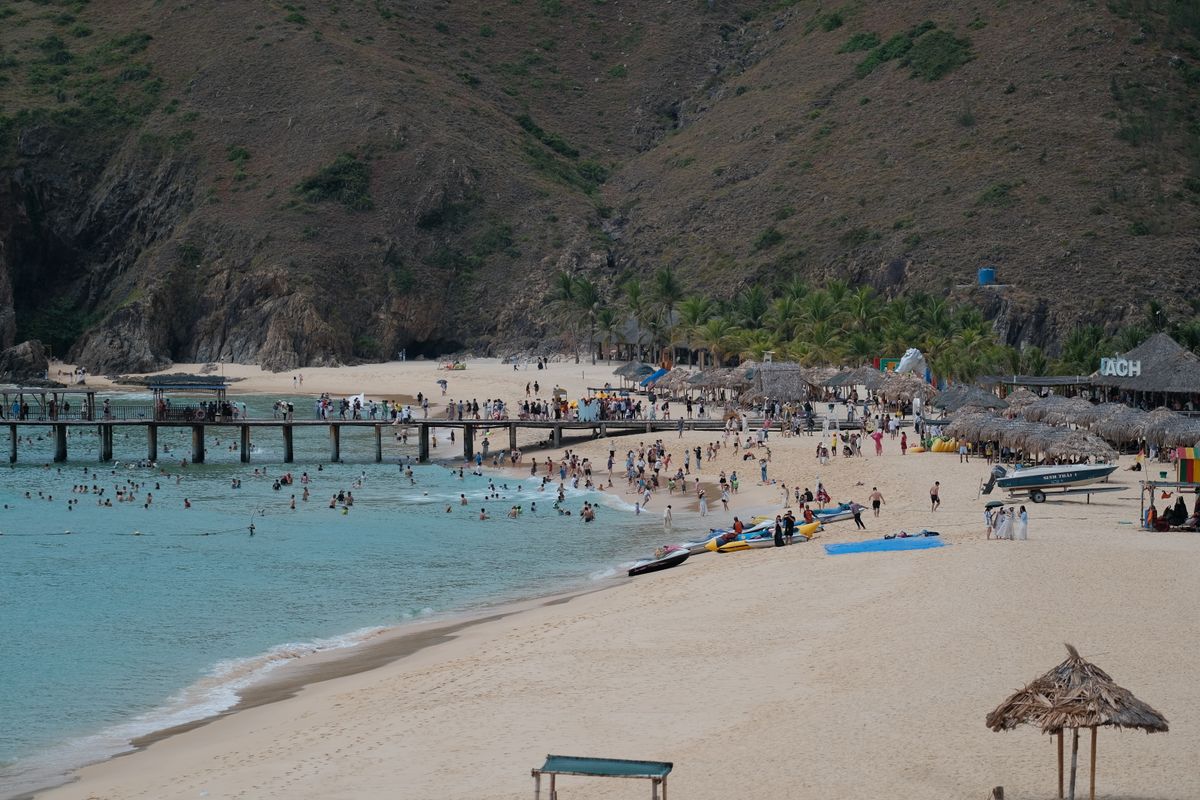
Water temperature at Nanwan, ten in the morning: twenty-eight degrees on the thermometer clipped to my dive bag, chop under a foot, visibility maybe four meters at the shore break, cloudy with sunscreen and outboard wash. Not a reef reading. A crowd reading, and the crowd was already loud by nine.
I'd landed in Kaohsiung the day before and taken the train south to Hengchun, the walled town that serves as Kenting's front door. Its four Qing-dynasty gates still stand, coral-stone blocks gone soft at the edges, motorbikes leaned against them like nobody told the scooters they were parking on a monument. A shop near the East Gate rented me a 125cc for TWD 500 a day, no questions past the international permit, the owner sizing me up the way you size up someone about to hand your bike back with a dead battery.
Nanwan is the beach everyone means when they say Kenting, and it earns the reputation the way a watering hole earns its crowds: reliably, all day, whether or not everyone in it actually wants to be there together. Count for one hour on the sand: eleven parasail runs, six banana-boat convoys in matching orange vests, one groom in a rented tuxedo wading in to his knees while a photographer yelled at the swell to time itself better. Nobody in the water was looking at the water. Verdict on Nanwan: good beach, bad transect. If you want the reef, it starts somewhere quieter.
Houbihu: The Warm-Water Reef
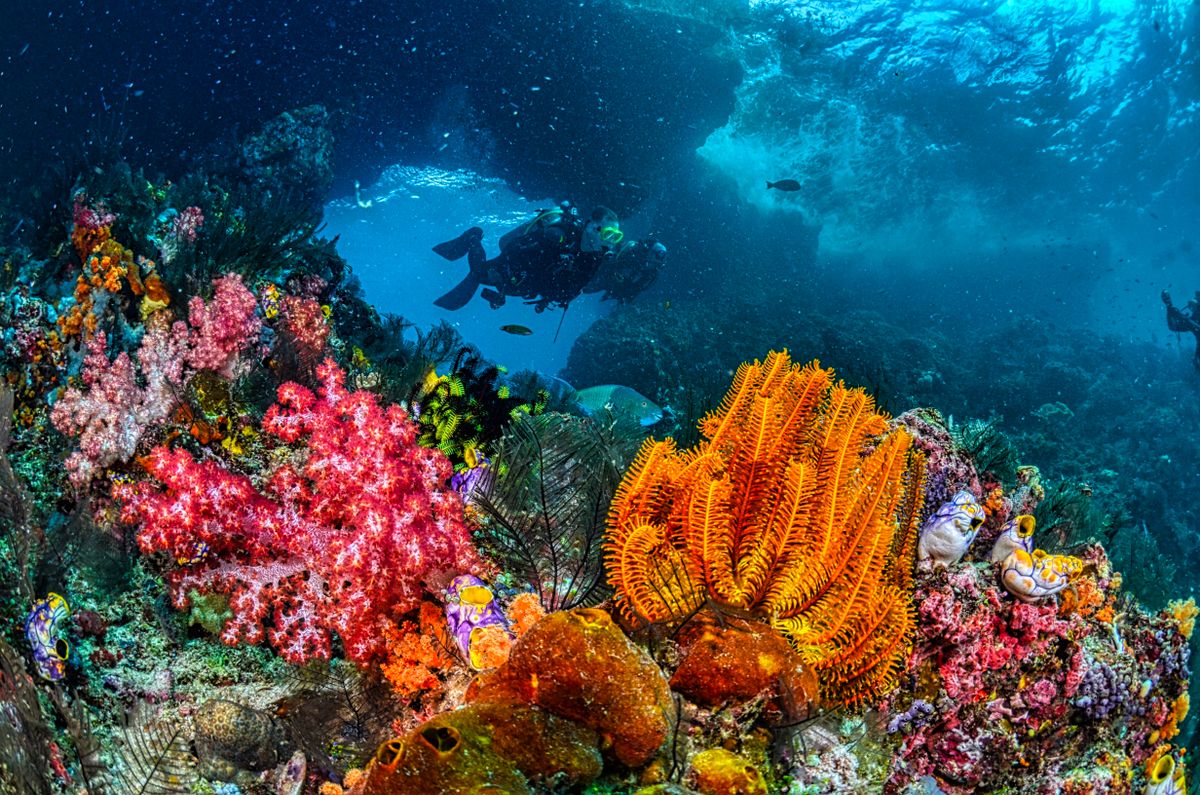
Dive log, Houbihu house reef, first tank: sixteen meters of visibility on the slate, twenty-nine degrees at twelve meters, current negligible. Better numbers than I log most mornings off Tayrona, and I wasn't ready for that.
Houbihu is a working fishing harbor before it's a dive site, boats going out for tuna and squid past the same jetty the dive shops use to launch. The water runs warm here partly because the Third Nuclear Power Plant's outflow channel sits just up the coast, and the story repeated on forums is that the discharge cooked the reef. It didn't. What it did was keep a patch of coral warmer and better fed than the surrounding coast, the opposite problem from the one everyone assumes when they hear power plant runoff. Vivian, who runs the shop and has logged this same reef for eleven years, keeps a laminated chart on the wall listing the coral genera her regulars have tagged. I didn't count them all, only what I could see on one tank.
What's Actually Living Here
Forty minutes on the reef wall gave me four species of anemonefish, more than I've tallied in a single dive back home, plus a hawksbill turtle that surfaced twice for air before angling back down along the wall. Soft coral in reds and oranges thick enough to lose a hand in, crinoids working the current on top of it. The reef isn't pristine. Sections past the mooring line are bare rock where something, storm surge or a crown-of-thorns bloom the shop still hasn't finished clearing, stripped the cover down to skeleton. But bare and dead aren't the same reading, and Kenting's reef gets called dead by people who never got in the water to check.
Verdict on Houbihu: better reef than its reputation, worse harbor smell than advertised. What I'd go back to check: the ledge past twenty meters that the divemaster waved off as still recovering. Recovering from what, exactly, she didn't say, and I didn't have the bottom time left to find out myself.
Two-Tank Morning at Houbihu
Bare and dead read the same from the surface, not from twelve meters down.
Eluanbi and Longpan: Reading the Coastline
Longpan Park
No fences, no marked trail. The grass ends and the cliff starts with no warning, especially in wind.
Free entry, open access, best light early morning before the tour buses reach Eluanbi next door.
Typhoon season can close stretches of Highway 26 with little notice. Check conditions before riding this section.
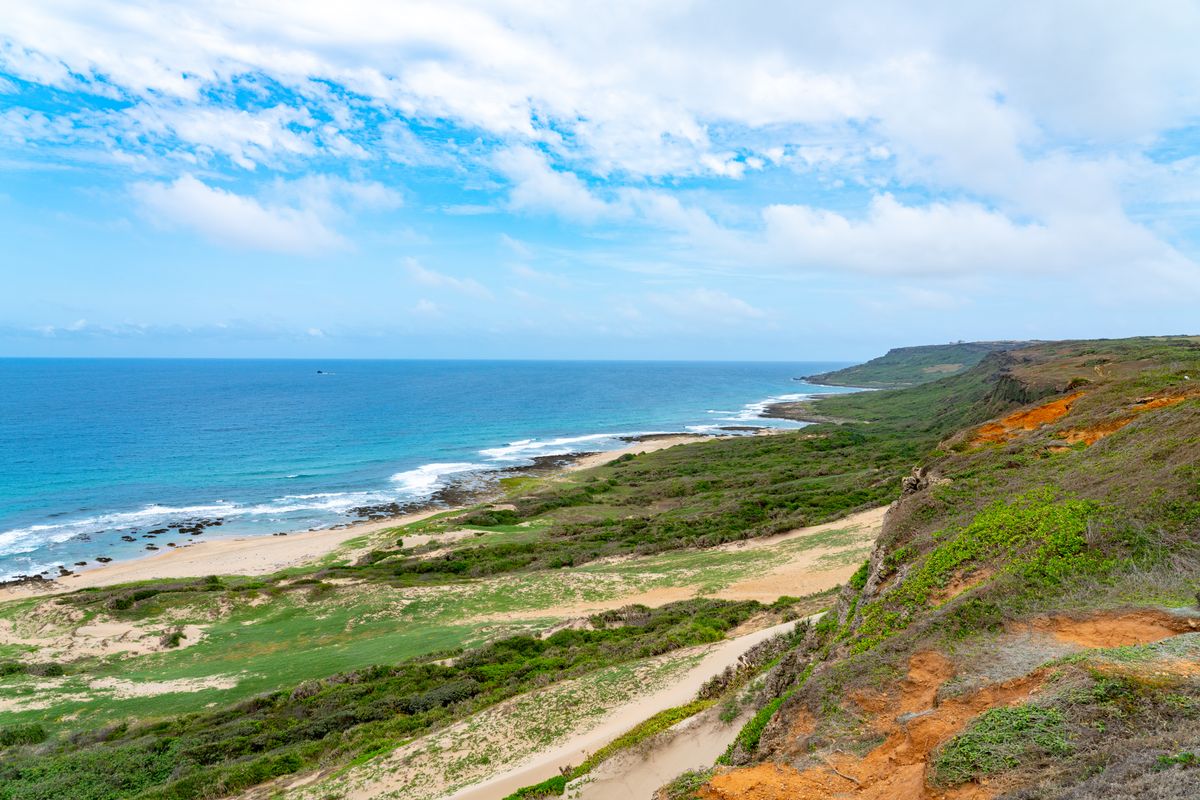
Cliff line at Longpan runs unbroken for a couple of kilometers, uplifted reef limestone gone over to grass, no fence and no rail anywhere along the drop. Wind hard enough that I stopped trying to keep my hat on and just carried it.
This whole stretch of coast used to be reef, the same limestone terracing still readable in the exposed rock at the base of the cliffs, pushed up out of the water over enough millennia that grass took over the top of it. Longpan is free, unmarked beyond a gravel pull-off, and empty enough on a weekday morning that I had a kilometer of clifftop to myself and a pair of black kites working the updraft.
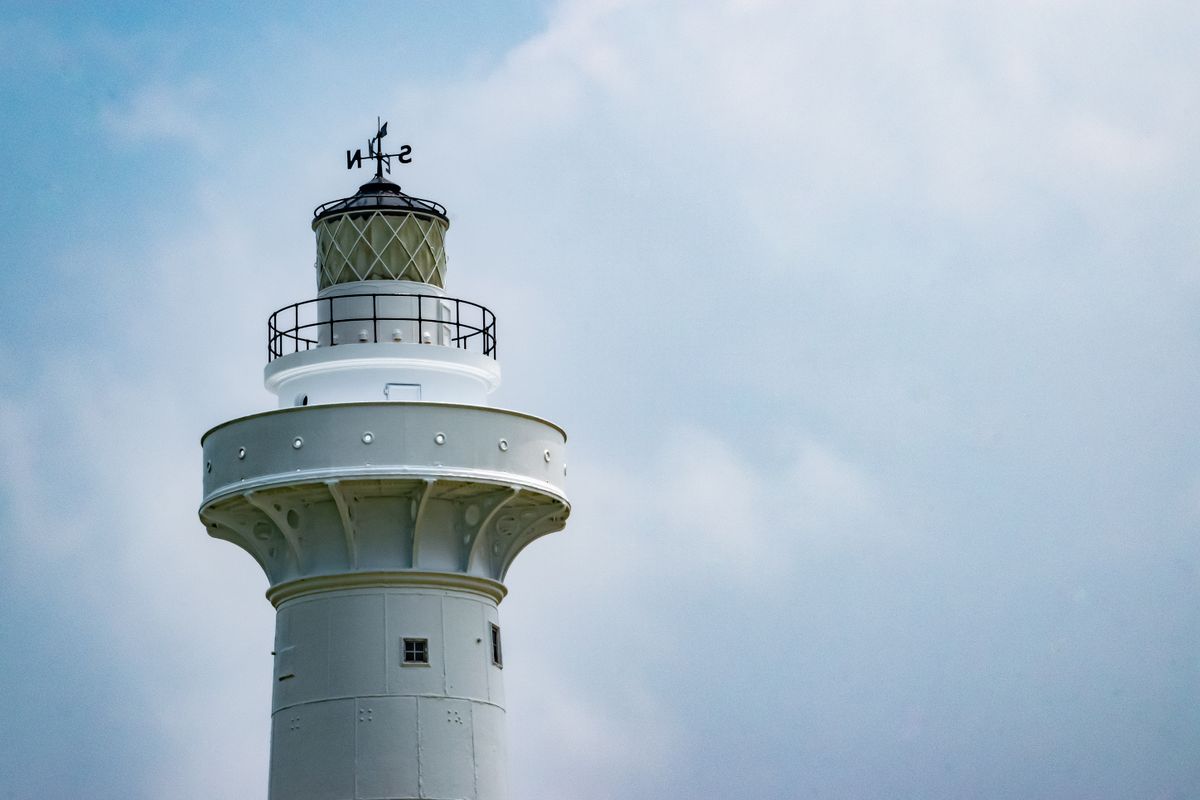
Eluanbi Lighthouse marks Taiwan's southernmost point, a fifteen-minute ride further down the coast road, TWD 60 to get past the gate. The lighthouse used to be armed, a relic of a period when this stretch of coast mattered strategically enough to justify a small garrison and a perimeter fence with a gun mount. Most of that is gone now, except an informational sign that mentions it in passing, like an afterthought.
Species count at the lighthouse gate, twenty minutes: fourteen matching couple outfits, one drone confiscated at the entrance for flying too close to the light, and a tour group photographer arranging forty people into a single frame with the patience of someone who does this daily and no longer expects gratitude. Verdict on Eluanbi: the lighthouse earns the postcard. The two empty kilometers of grass just north of it earn the trip.
Back at Houbihu, After the Sun Goes
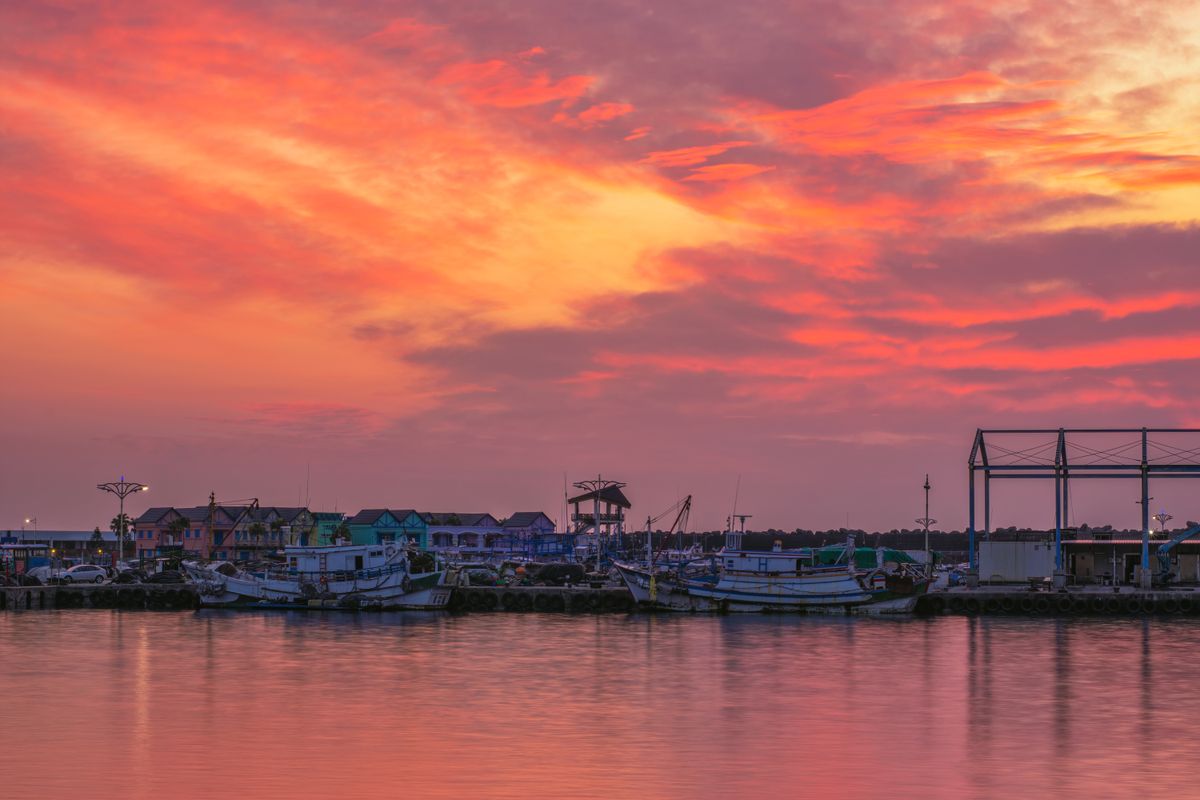
Boats out of Houbihu at dusk, counted from the jetty: nine squid boats with their lamp rigs still dark, running past the breakwater before dropping anchor to fish the drop-off after dark, the green lights pulling squid up through the water column once the sky finishes going orange. I'd spent the afternoon at Jialeshui, the wave-cut rock shelf twenty minutes east, watching two surfers time a break that only works on a rising swell, and come back to the harbor with no plan beyond dinner.
The stalls near the dive shops sell whatever the day boats brought in. A woman running the third stall down waved me over before I'd decided anything, pointed at a tray of something small and silver, and said today, today, like that settled it. It did. Grilled on a stick for TWD 60, gone in four bites, and I never did get a name for the fish.
I didn't get back in the water at Houbihu a second time. The afternoon boat was full, and the shop with the laminated chart doesn't run a sunset trip. What I'd check, if I come back: whether the ledge past twenty meters is still recovering a year from now, or whether that word was just a way to end the conversation. Reefs don't resolve on a travel schedule. Mine still hasn't, four days after leaving, counting green lights on the horizon from a plane window and wondering how many boats were still down there. ■