El Chaltén Doesn't Warm Up: A Trainer's Read on Patagonia's Trekking Capital

Round one. Chin down, weight forward, and don't burn your air on the flat stretch before the hill even starts. That's the instruction I give every fighter in the first minute of camp, and it's the one nobody in El Chaltén follows, because the town doesn't look like it's about to hurt you.
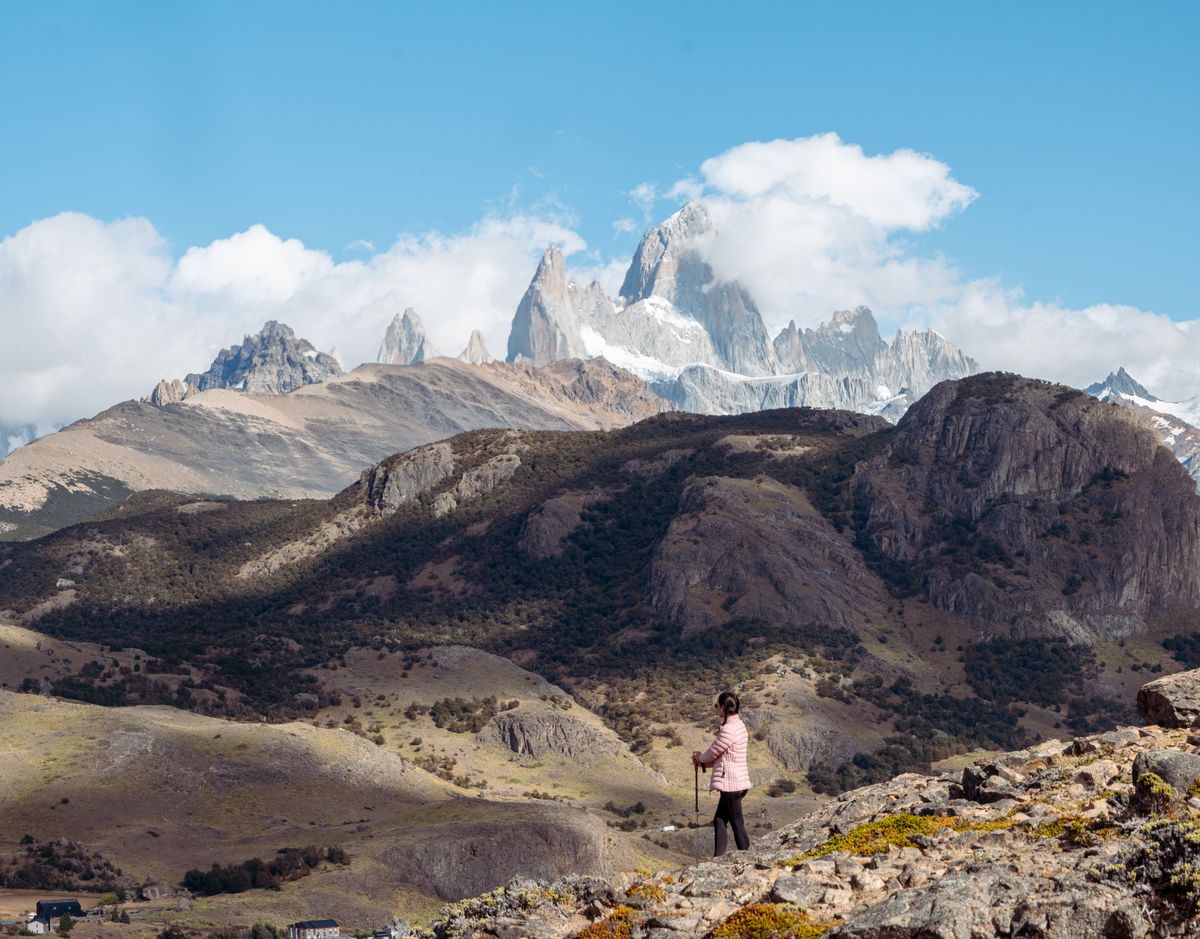
Argentina built this place in 1985 for one reason that had nothing to do with hiking. Santa Cruz province was a live border dispute with Chile, and a town with people in it is a stronger claim than an empty valley, so the government planted El Chaltén at the base of Cerro Fitz Roy and Cerro Torre and let the mountains do the recruiting. Forty years on, the whole economy runs on foot traffic up two trails, and the town calls itself Argentina's trekking capital without much argument from anyone. I run a Muay Thai gym in Bangkok. I corner fighters for a living, which means I didn't come here for a view. I came to find out whether a town founded as a political maneuver could actually condition a person, or whether it would gas people out on the first incline and let the scenery cover for it.
Round 1
The Laguna de los Tres trail opens easy, and easy openings are the first lie every long fight tells. Flat dirt, gentle grade, trekkers from four continents chatting at a pace they haven't earned yet. A guy in boots still creased from the box took the first kilometer at a jog. Slow down, I wanted to shout, you'll want that air in ninety minutes, but you compliment before you correct, so I let him keep his good posture a little longer before the hill took it off him for free.
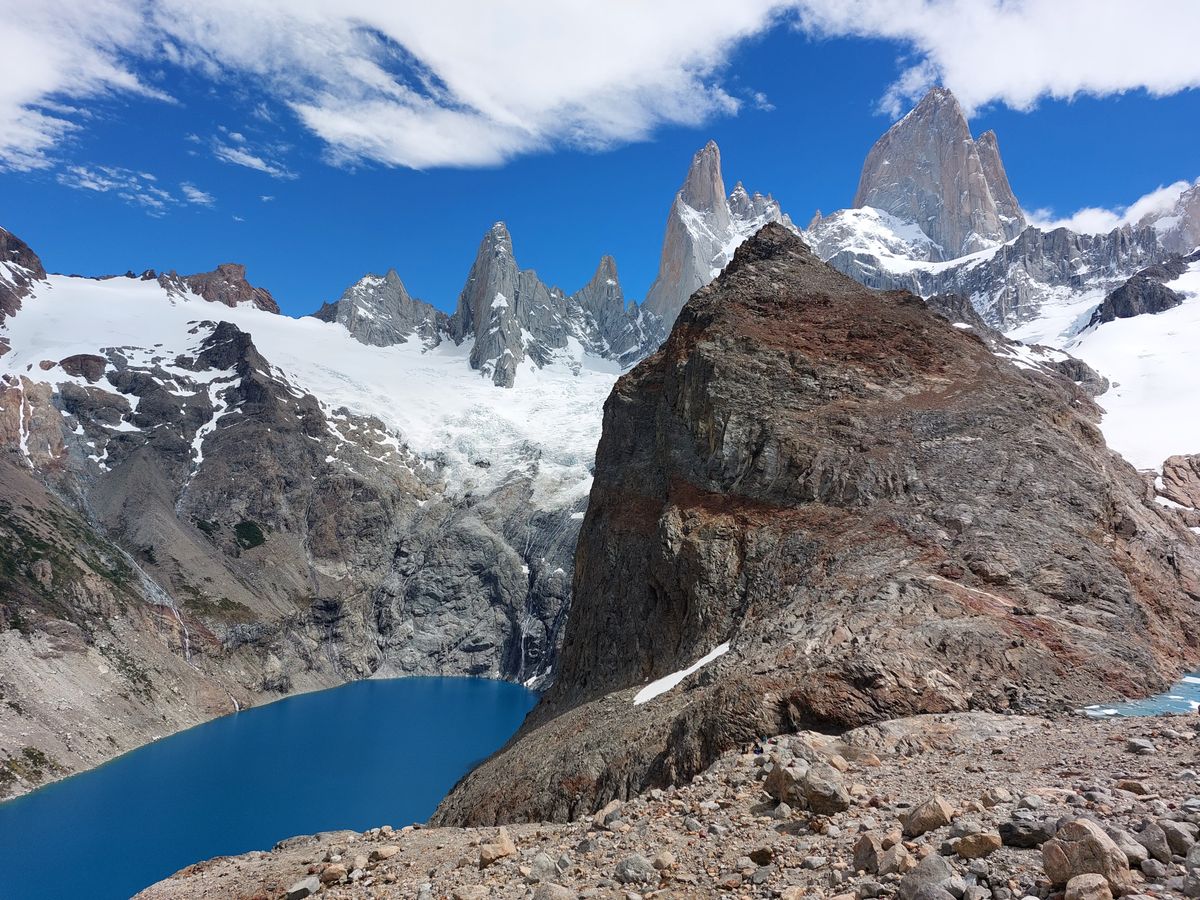
It's a twenty-kilometer round trip, and the distance isn't the number that matters. What matters is where the work gets loaded. The last hour is a steep, exposed scramble straight up loose scree to the viewpoint below Fitz Roy, no switchbacks to spread the climb across your legs, just elevation stacked on elevation right when your quads are already spent from the approach. Morning at the trailhead starts near freezing. By the time you're on that final wall the sun at elevation is strong enough to burn exposed skin in under an hour, cool air or not, so the body is managing cold hands and a hot neck in the same climb. Breathing goes ragged on that last pitch and legs start firing out of sequence. The fix isn't grit, it's shorter steps and a slower cadence that keeps your heart rate in a zone you can actually recover in mid-climb. Nobody tells you that at the bottom. I'm telling you now.
At the top, Fitz Roy stands over the lake like it's been sparring since the Pleistocene and never dropped a round, and that's not actually the story worth filing. The story is the couple next to me, poles planted in the same clean rhythm every single step, weight rolling heel to toe with nothing wasted, next to a solo guy behind them whose ankles kept rolling on the scree and who was breathing through his mouth like he'd forgotten his nose existed. Fix your gait before you try to fix your lungs. Both of them summited. Only one of them will want to do this again tomorrow.
Fitz Roy doesn't care how you trained. The last hour finds out anyway.
Round 2
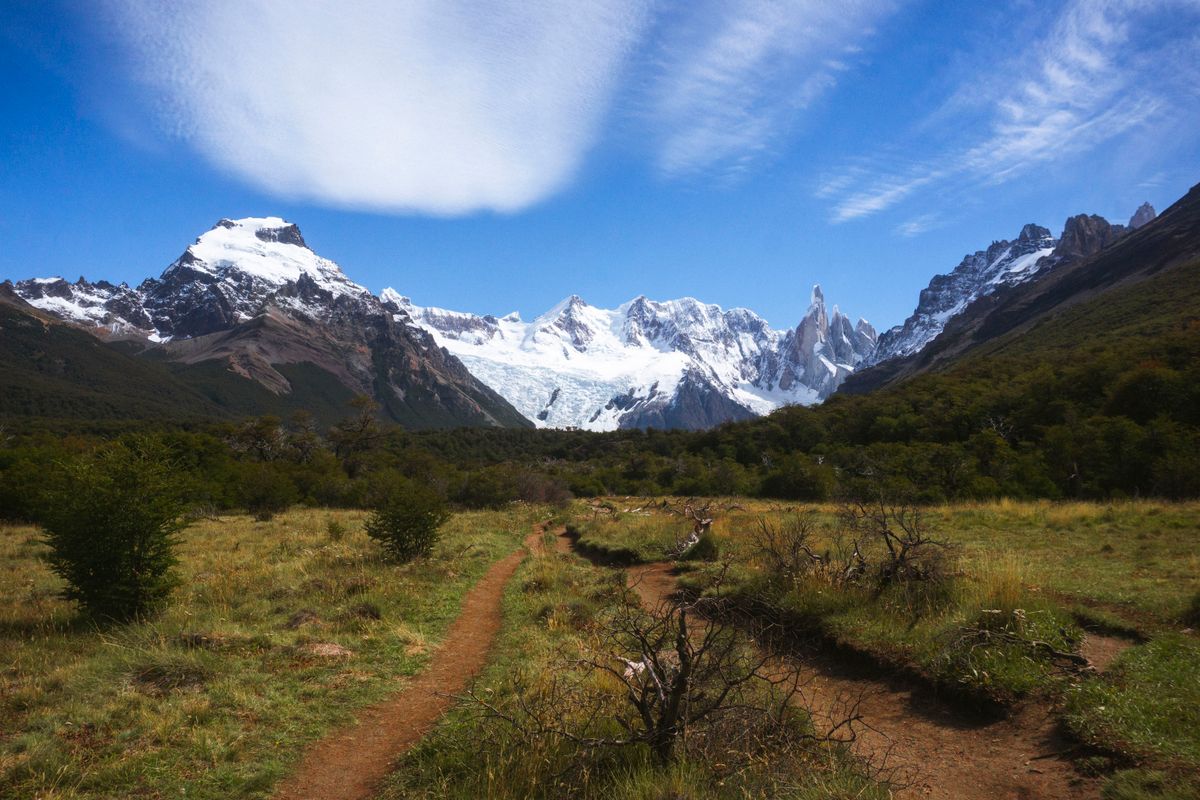
Laguna Torre is supposed to be the recovery day. Less steep than the Fitz Roy approach, more forest cover, an easier grade the whole way to the viewpoint near Cerro Torre. On paper, that's true. Patagonian wind doesn't read the itinerary, and it doesn't warm up before it hits you either. It goes from a headwind you can lean your whole body into, to a crosswind that puts you sideways, inside the length of a single gust. I've cornered five-round wars in a Bangkok gym that turns into a sauna by round three, and I know what a sudden shift in conditions does to a fighter's technique. It finds whoever has sloppy footwork and it punishes them specifically.
You can watch it sort people in real time on the exposed sections. Upright walkers get shoved off the trail edge and grab for a tree that isn't there. The ones bracing low, poles wide, weight dropped into their hips like they're holding a stance in a clinch, barely break rhythm. Stop walking into open ground standing straight up, you're a sail out there. Good, now copy the woman fifty meters ahead of you leaning into the gust before it even arrives, she's reading it early. That's the whole skill. Read it early, load your stance, keep moving.
Back in town that evening I watched a man outside a refugio split firewood with an axe he was fighting instead of using, muscling the swing from his shoulders and missing the log's grain twice before it split. Bad technique burns more energy than the wind will ever cost you. His neighbor did the same pile in half the swings, wrists loose, letting the axe head do the work on the way down. Nobody was cornering him. He didn't need it.
What the two days actually cost
Round 3
By dark my legs were done in the honest way, not the dramatic way. Quads locked up on the walk back into town, the specific tightness that means the muscle fired eccentrically all day and needs blood moved through it, not left alone. The fix is boring and it works: legs elevated for twenty minutes, water with actual electrolytes in it instead of just water, calves stretched before they cool down and set tight. Skip that step and you wake up unable to walk to breakfast, which is not toughness, it's bad programming.
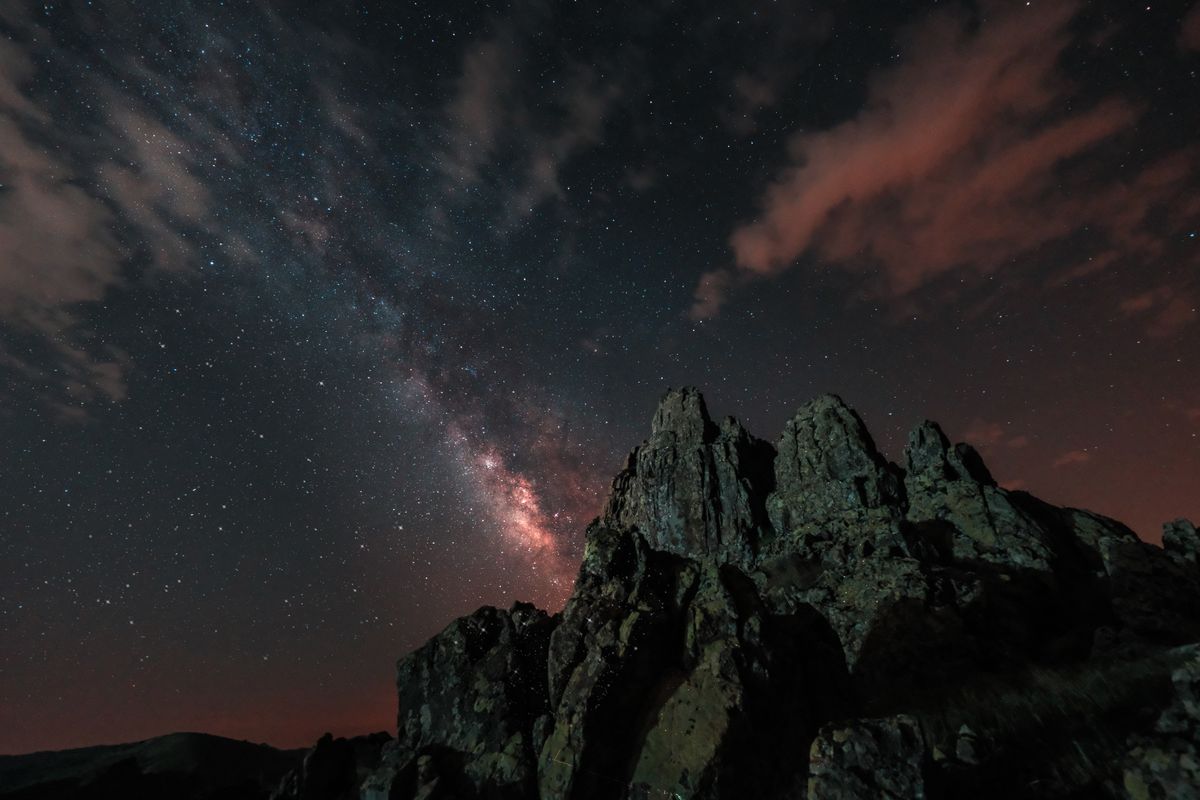
The reward for doing the programming right is that you're still upright when it's worth being upright. El Chaltén has almost no light pollution this far from any real city, and once your eyes adjust the sky stops looking like a photo and starts looking like weather, dense and moving. It only reads that way to a body that isn't burning its last reserves fighting its own fatigue instead of standing still and looking up. Waste your legs badly enough on the trail and you'll spend the best sky of the trip lying in a tent instead of under it.
fight notes
Start Laguna de los Tres at first light. Wind builds through the day, and you want the exposed final climb done before it peaks.
Rent poles in town for a few pesos a day. They fix your stance in wind for less than a coffee.
Pace the last hour to Fitz Roy shorter and slower, not harder. Your heart rate should stay low enough to hold a sentence.
Layer for a forty-degree swing in one day. Freezing at the trailhead, strong sun at elevation, cold wind by afternoon.
Stretch and elevate the legs before dinner, not after. You want blood moved out of tight muscle before it sets.
I didn't come away from this with some tidy lesson about the mountains humbling me. My hips were sore for three more days and I complained about it the whole flight home. What I'll say is that a town built for a border dispute turned out to have real conditioning in it, the kind that finds weak technique whether it's on scree, in wind, or swinging an axe outside a refugio. Most places I've cornered don't have that honesty built into the terrain. This one does. ■