Ushuaia Sells You Its Summer Sky. The Real One Keeps Winter Hours.
Tour operators pitch stargazing at the height of cruise season, exactly when Tierra del Fuego's nights refuse to get dark.

Day: The Season They Book You Into
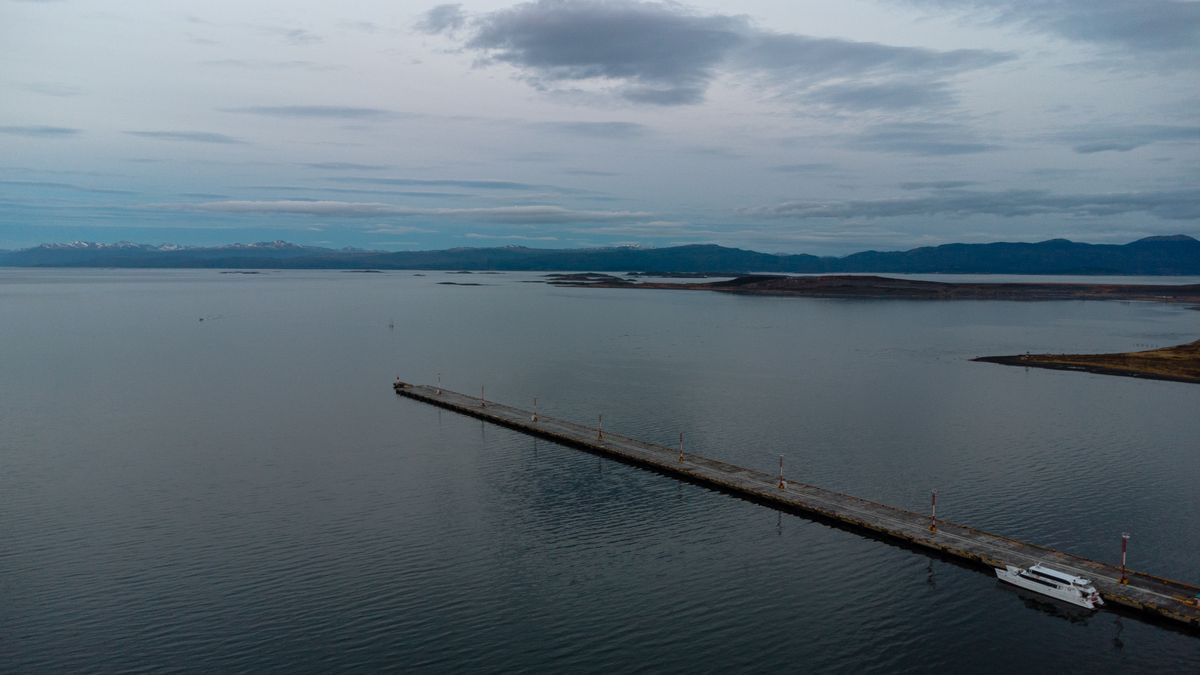
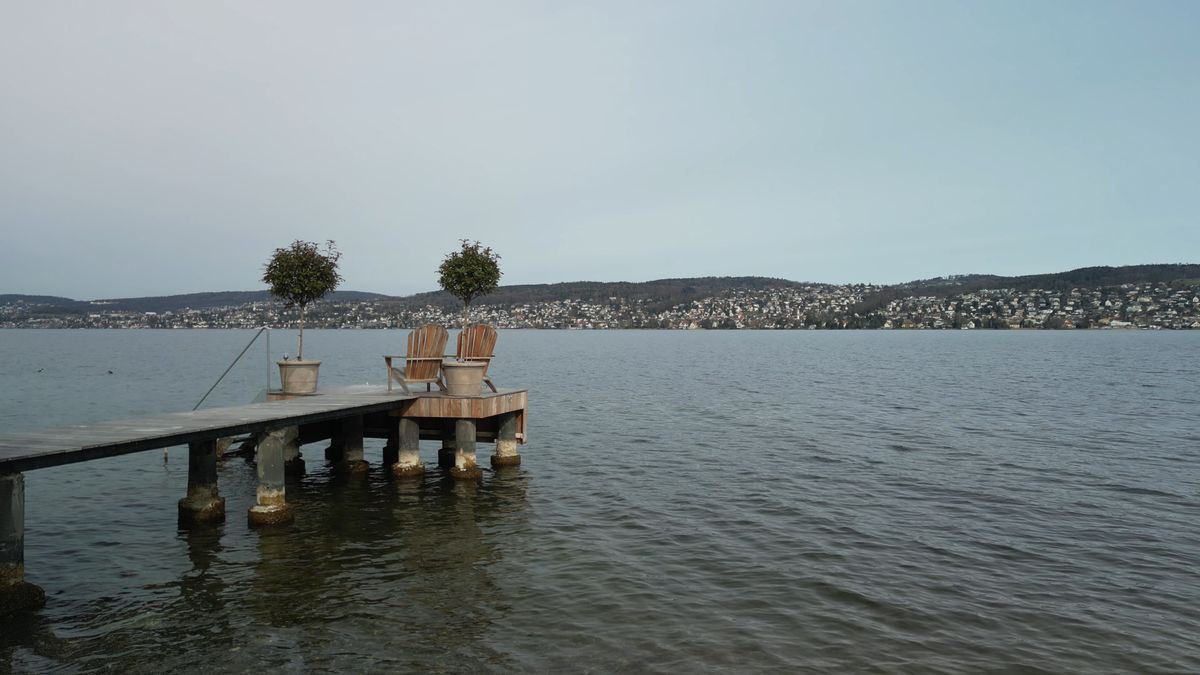
The pier by daylight, the version of Ushuaia the cruise calendar sells.
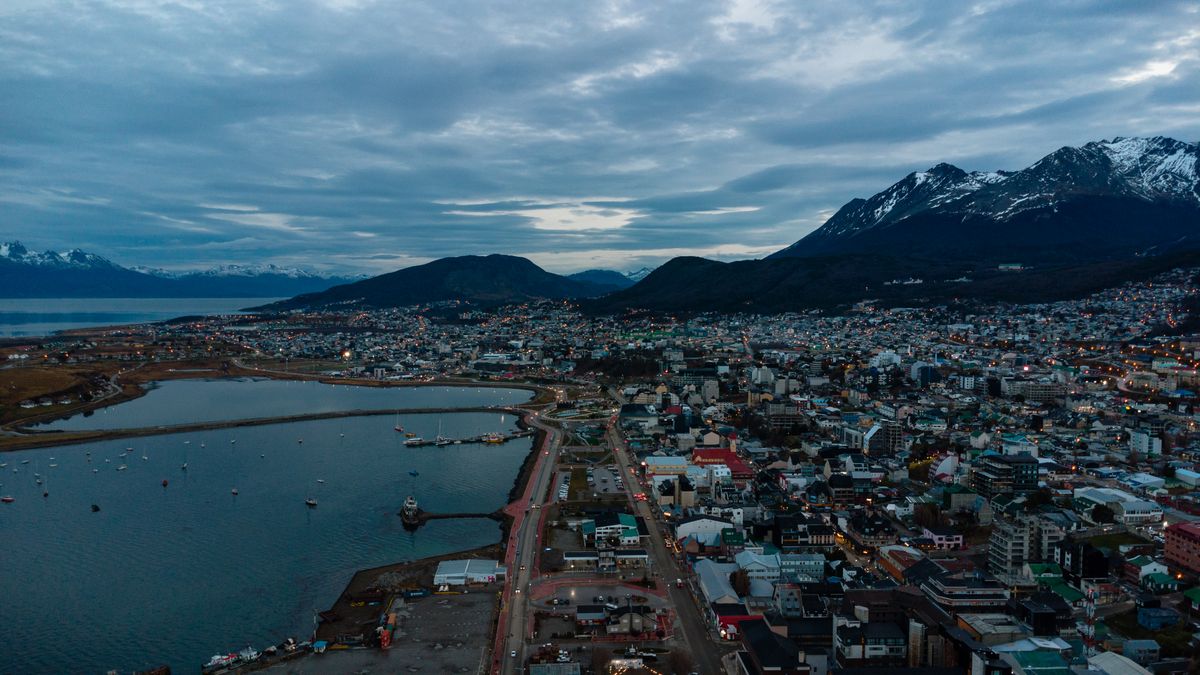
Every operator running boats out of Ushuaia in December pitches some version of the same line: come to the end of the world and see its skies. The tourist office window on Avenida San Martín keeps a laminated photo of the Beagle Channel dusted with stars taped up next to the ferry timetable. Cruise ships bound for Antarctica use this port as their last stop before the Drake Passage, and across the summer season, November through March, the pier can hold several of them at once, lined up like buses at a terminal.
Day trips off those ships run on a fixed clock. A few hours ashore, a bus out to Tierra del Fuego National Park, a photo at the world's southernmost post office, maybe a ride on the narrow-gauge Tren del Fin del Mundo before boarding calls. None of that schedule leaves room for dark, and none of it is meant to.
Other day options fill the same slot: the Museo Marítimo y del Presidio in the old prison building, or a catamaran out past the sea lion colonies on the Beagle Channel. All of it is genuinely worth doing. None of it requires the sun to go down, which happens to be the entire point of scheduling it during the one season when the sun barely does.
Ask the woman at the souvenir kiosk on San Martín when the best time to see the stars is, and she says now, this month, because now is when the shop has stock to move and a line of passengers to sell it to. She isn't lying exactly, just answering a different question than the one being asked.
Night: The Season Nobody's Booked For
The kiosk answer is wrong in a way that's easy to check. December sits inside the Southern Hemisphere's high summer, and this far south that means days stretched long enough that true astronomical darkness gets thin, some nights it never fully arrives. Selling stargazing at the peak of cruise season is close to selling a tide that isn't scheduled to come in.
Tell a summer visitor this and most take it well. A few ask if the ship's excursion desk can arrange a private winter showing. It cannot. Winter doesn't run charters.
The window that actually works runs on the opposite half of the calendar. Southern Hemisphere winter, roughly May through July, is when Ushuaia earns its reputation, up to seventeen hours of real darkness some nights. It's also when the cruise piers empty out and half the tour desks on San Martín cut their hours, because there's no ship trade left to staff for.
There's a second reason winter matters here that has nothing to do with hours logged dark. Ushuaia's magnetic latitude sits close enough to the pole that the city can fall inside the auroral oval during a moderate geomagnetic storm, one of the few inhabited places on the planet outside Antarctica itself with a genuine shot at aurora australis overhead rather than just in a gift shop print.
A shot isn't a booking. Strong storms push the oval out far enough to paint over Ushuaia; quiet ones leave the sky exactly as dark and exactly as empty, no matter how clear the night or how far the drive to stand under it. 2026 sits inside a solar maximum, so storms strong enough to matter are turning up more often than they did a few quiet years back. That shortens the odds. It doesn't fix them.
dark-sky notes
Book May through July for actual dark, not the December through February cruise season.
Check space weather and geomagnetic activity forecasts, not tour calendars, for aurora odds.
2026 is a solar maximum year: storm activity is more frequent, not guaranteed.
Winter means fewer open tour desks in town; sort gear and transport before arriving, not after.
Field log, 03:40: the dark here isn't rationed by distance, it's rationed by month.

I run a small setup outside Tolhuin, up Ruta 3, on the nights the forecast looks worth the drive. Most winter trips log nothing more dramatic than a clean, dark, ordinary sky, which by local standards still beats anything December offers. The rare aurora night isn't a fixture of the routine. It's the exception that makes the routine worth keeping.
Reading for the night logged here: clear sky, no moon, visibility holding steady horizon to horizon, good enough that Orion hung upside down over the channel without a satellite dragging a line through it. The geomagnetic index sat quiet all week, so no green, no curtain, nothing but the cold and the stars doing what stars do without an audience. Grade: as good as this city's sky gets on its own, with the rest of it down to a forecast nobody controls. ■