Two Tanks in the Sea of Seven Colors

The Dock at San Luis, 7:10 AM
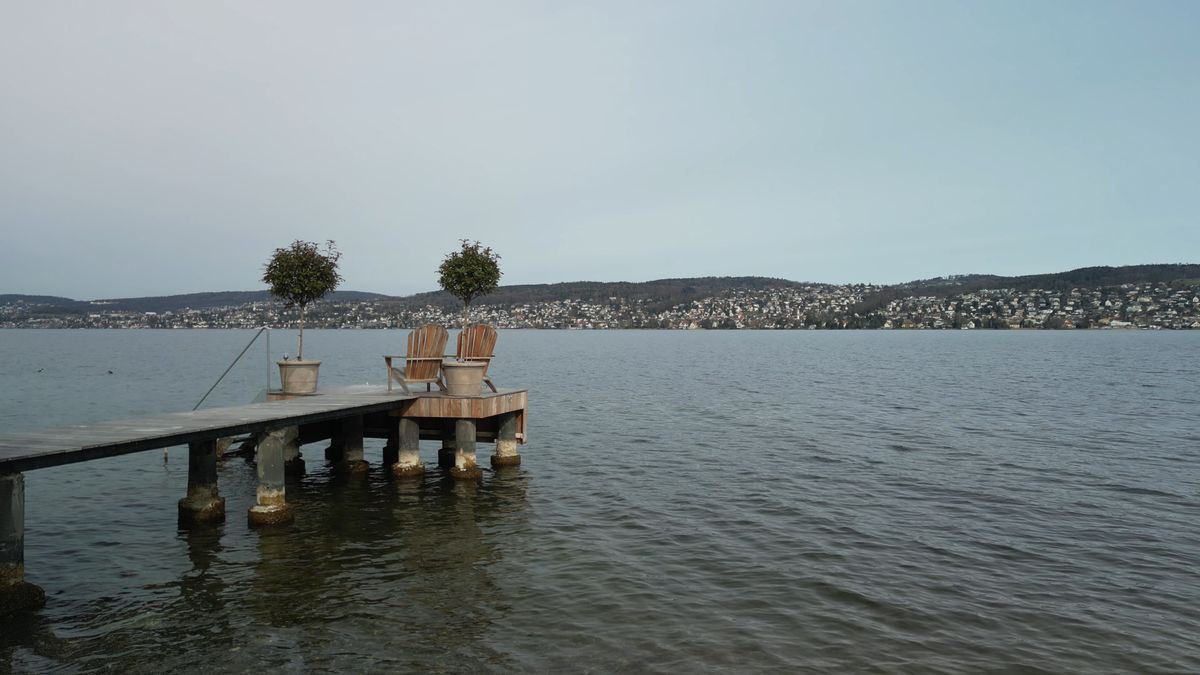
Water at the dock, seven-ten in the morning: flat, salt-pool clear, visibility past eighteen meters without a mask anywhere near it yet. Low tide had the sand showing pale under the pilings and three roosters going at each other on the shore road behind the shop. Not a reef reading. A parking-lot reading, taken before the boats had even left the rope.
Blue Life Dive Shop runs the two-tank boat trip out of San Luis most mornings, and the sign-in counter does the same three things it does everywhere: passport number, certification card, a form asking if I have ever had chest pain underwater. I paid the desk COP 280,000 for the boat and two tanks, another COP 70,000 for a full gear set since my own bag is still in a bin in Bogotá, and COP 20,000 at the same counter for the Seaflower day fee, the marine-protected-area charge that's supposed to fund reef patrol boats rather than sit in general island tourist tax. Lunch, fried snapper and patacón waiting back at the same dock for COP 18,000, gets paid after, in cash, to a woman who never writes anything down and has never once been wrong about the total.
Nine of us on the boat, four in matching rental wetsuits still tagged at the ankle. Count for the ride out: two selfies taken mid-swell with the phone held at arm's length over open water, one dropped and recovered, one not. Nobody asked the divemaster a single question about depth.
Logistics verdict: San Luis loads a boat efficiently and prices it straight, no surprise add-on once you're standing on the dock. Nobody could tell me where the Seaflower fee actually goes once it leaves the counter, which is its own kind of data point.
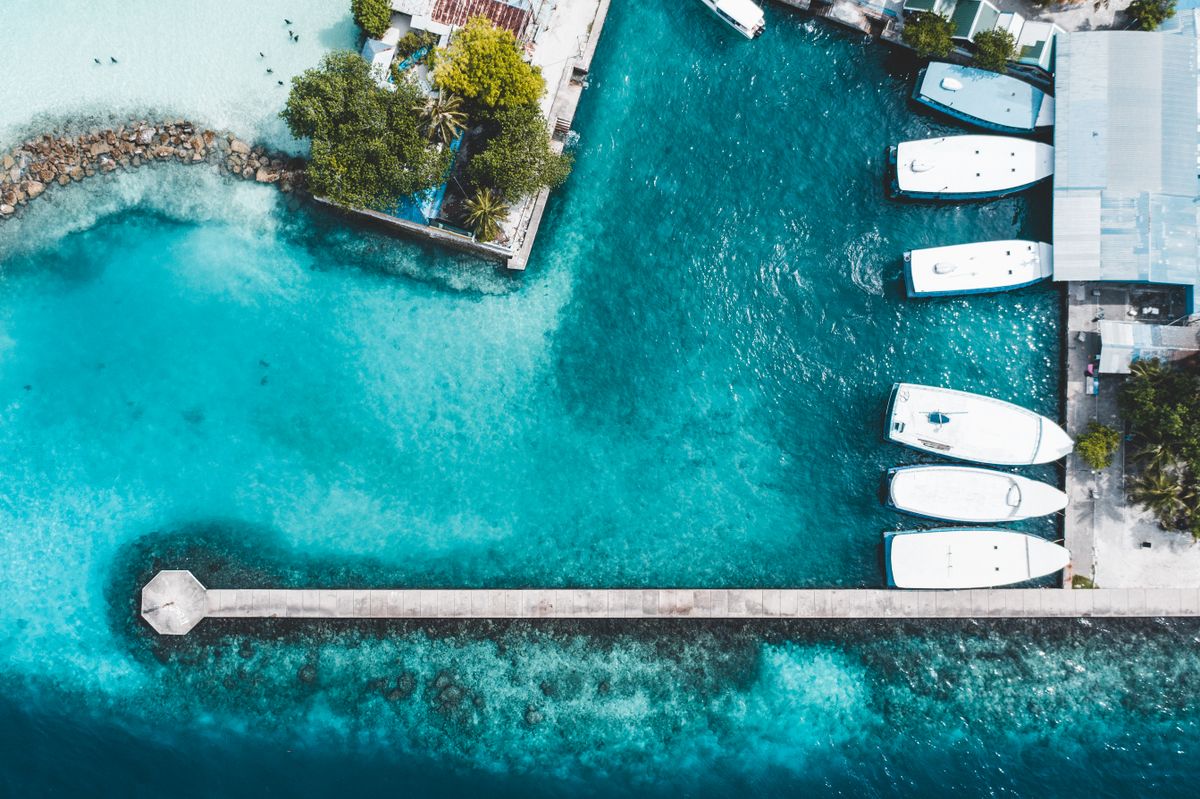
Two-Tank Day, Blue Life Dive Shop
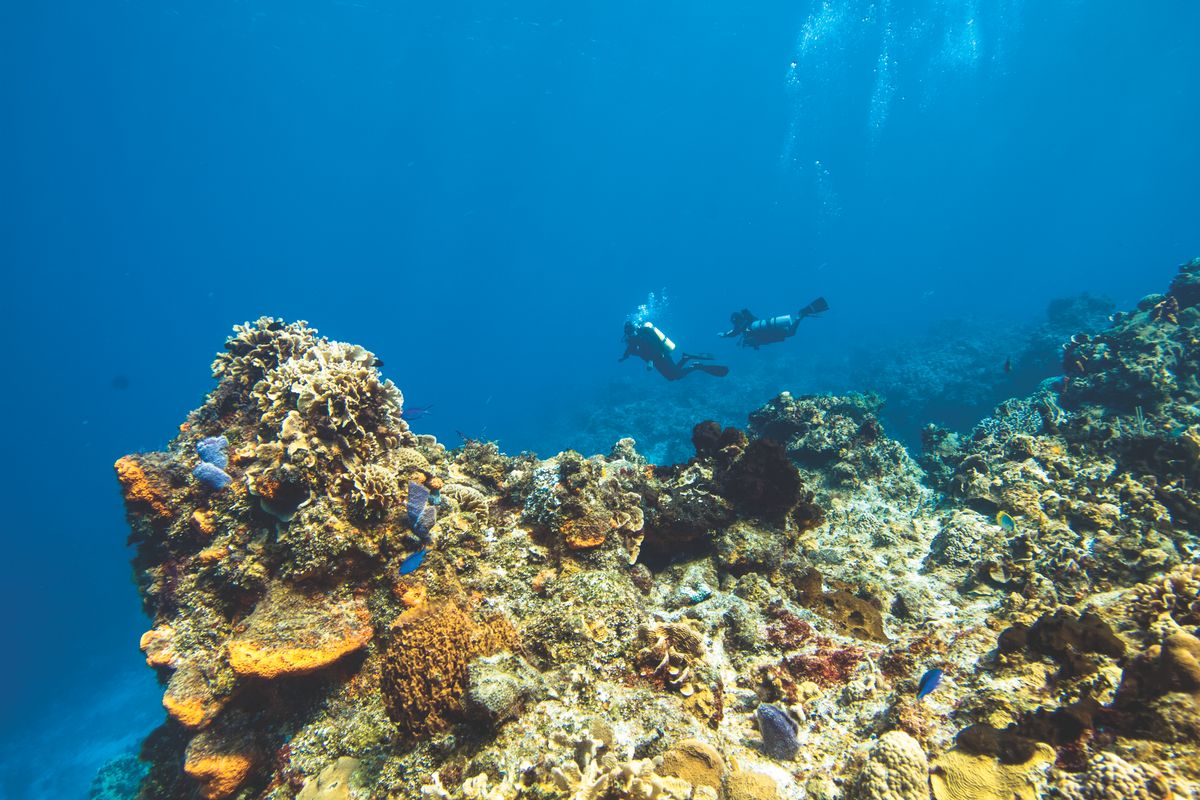
Bajo Bonito, First Tank
Depth twelve meters at the sand break, twenty-five meters of visibility running out along the reef crest, water temperature twenty-eight degrees on the computer clipped to my BCD. Current was a light drift south, easy enough to fin against on the way back to the mooring line. Elkhorn coral held the shallow terrace, healthy branching, no bleached tips visible from six meters out, which is more than I can say for reefs I've logged closer to town.
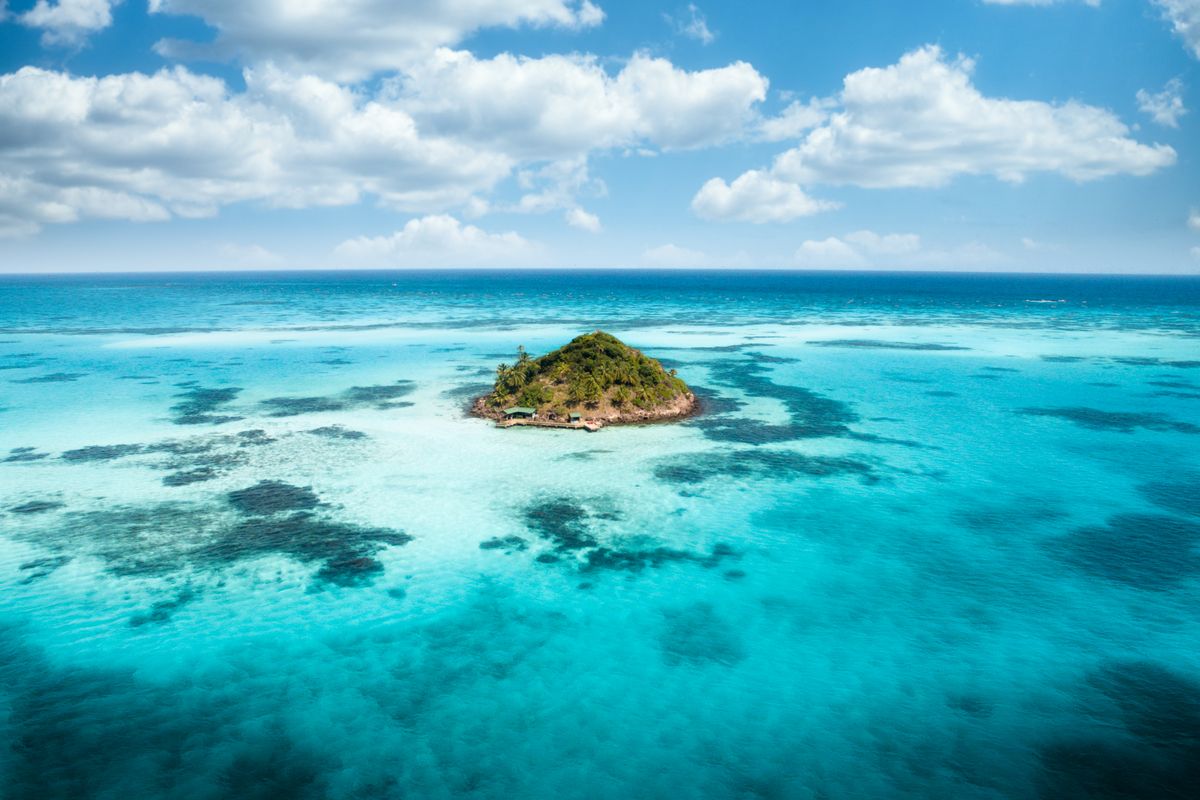
A resting nurse shark tucked under a coral head near the wall drop, two feet of it visible, tail out. Sergeant majors guarding a purple patch of eggs on a dead coral slab, charging at anything that got within a meter, including me, twice. The postcard at the dive shop calls this stretch of water the Sea of Seven Colors. From twelve meters down it reads as one continuous gradient, pale sand blue shading to reef blue to wall-drop navy, not seven bands of anything. The count is a tourism-board number, not a measured one.
Two paddleboarders drifted directly over the mooring line during our safety stop, unbothered by the dive flag they'd paddled straight past. Specimen count for the surface interval: one selfie stick recovered from four meters down, its owner delighted rather than embarrassed.
Site verdict: Bajo Bonito holds real cover and a shark that isn't going anywhere, worth the first tank of any day out of San Luis.
Seven colors is a brochure count, not one I've ever measured past twelve meters.
The Blue Diamond, Second Tank
Before you drop onto the wreck
Hold at least three meters off a feeding turtle. It reads as predator distance, not curiosity, and closing it just moves the animal, it doesn't habituate it.
Check your trim above the hull, not on it. Fin wash off the Blue Diamond's superstructure silts out visibility for whoever's behind you for a good ten minutes.
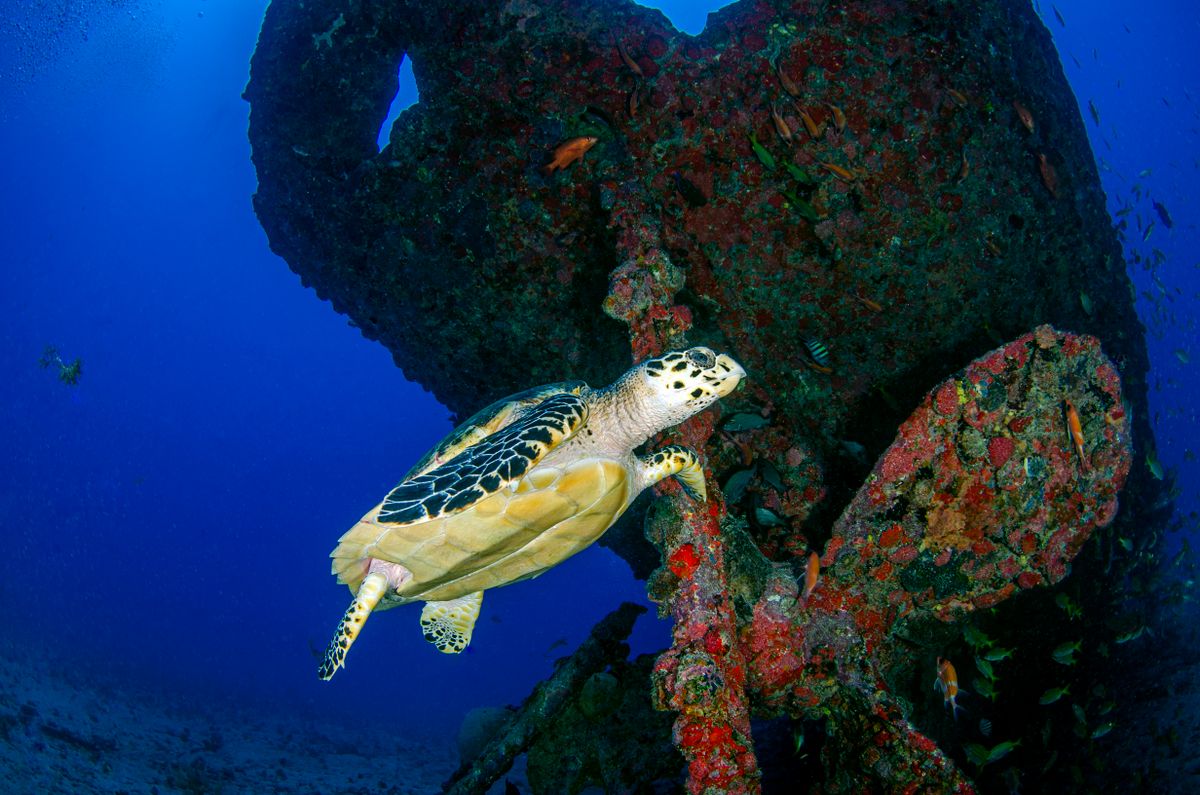
Second tank ran us out to the Blue Diamond, a cargo freighter scuttled deliberately in 1996 to give the west side a wreck dive that didn't depend on live reef. She sits canted on her port side across white sand, bow at eighteen meters, stern sliding down past twenty-eight, superstructure gone soft under a decade of sponge and fire coral. Visibility dropped to maybe fifteen meters this far out, the wreck's own silhouette going grey-blue before we reached it.
A hawksbill worked the hull near the stern, pointed beak tucked into a sponge growth on what used to be the propeller housing, the carapace tiles overlapping in the pattern that separates hawksbill from green at a glance, no need to guess. It didn't spook when six of us settled ten meters off to watch, kept working the same patch of sponge for the length of the stop. Worth noting for anyone who assumes a stationary turtle at a dive site has gotten used to an audience: it hasn't, it's just eating.
Wreck verdict: the Blue Diamond earns the second tank on structure alone, and the hawksbill sighting was incidental, not staged, which is rarer at a site this dived than the shop lets on.
The Shallows After, La Piscinita
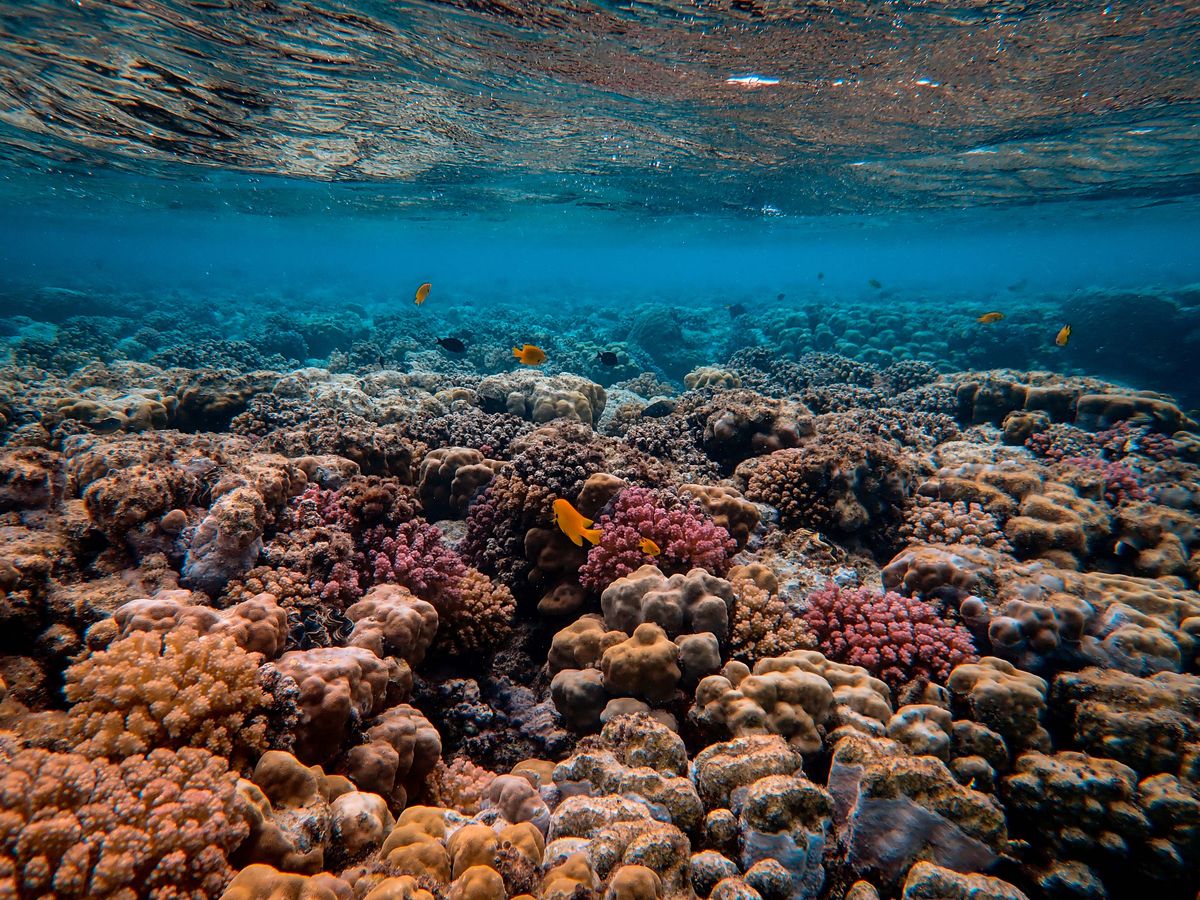
Safety stop drifted us into La Piscinita's shallow terrace, three meters over a reef plate lit gold where the sun came straight through, no wall or wreck depth left to read, just coral heads and a loose shoal of blue chromis breaking apart and reforming over my shadow. Surface chop above looked like a held breath from below, rippled but not broken.
A woman in a rented life vest lifted a cushion sea star clear of the water for a photo, held it a good twenty seconds while her friend found the angle, put it back roughly where she found it. Sea stars breathe through the water column across their skin. Twenty seconds out isn't fatal by itself. It adds up across the forty or so people who'll do the same thing to the same animal by the end of the day, and nobody at the counter mentions that when they sell the snorkel add-on.
I'd go back to check the same star, if it's findable, and see whether it's shifted off that shelf or just gotten picked up again for someone else's photo. Sea stars probably don't learn caution. Doesn't mean I won't look.
Two tanks, one wreck, one shoal of tourists working the shallows harder than anything with gills. The reef didn't need me to feel anything about it, and mostly I didn't. ■