Caño Cristales, Counted: Field Notes from Colombia's Color Season
A field biologist walks the guide-marked pools of Caño Cristales at the peak of its red season and finds out what's actually growing there.

The Trail In, No Sunscreen Allowed
Before You Touch the Water
No sunscreen, no insect repellent, no lotion of any kind before entering the river. The plant reacts to what's on your skin.
Swim only in the pool your guide points to, when they point to it. Not before, not past the marked line.
Rinse-off stations exist for a reason; use them before the trail, not after.
Checkpoint at the ranger station outside La Macarena, seven-forty in the morning: group of eight cleared through in eleven minutes, permits checked one by one against a paper list, not a screen. Two guides for eight bodies, which is the ratio the park sets, not a suggestion anyone gets to negotiate.
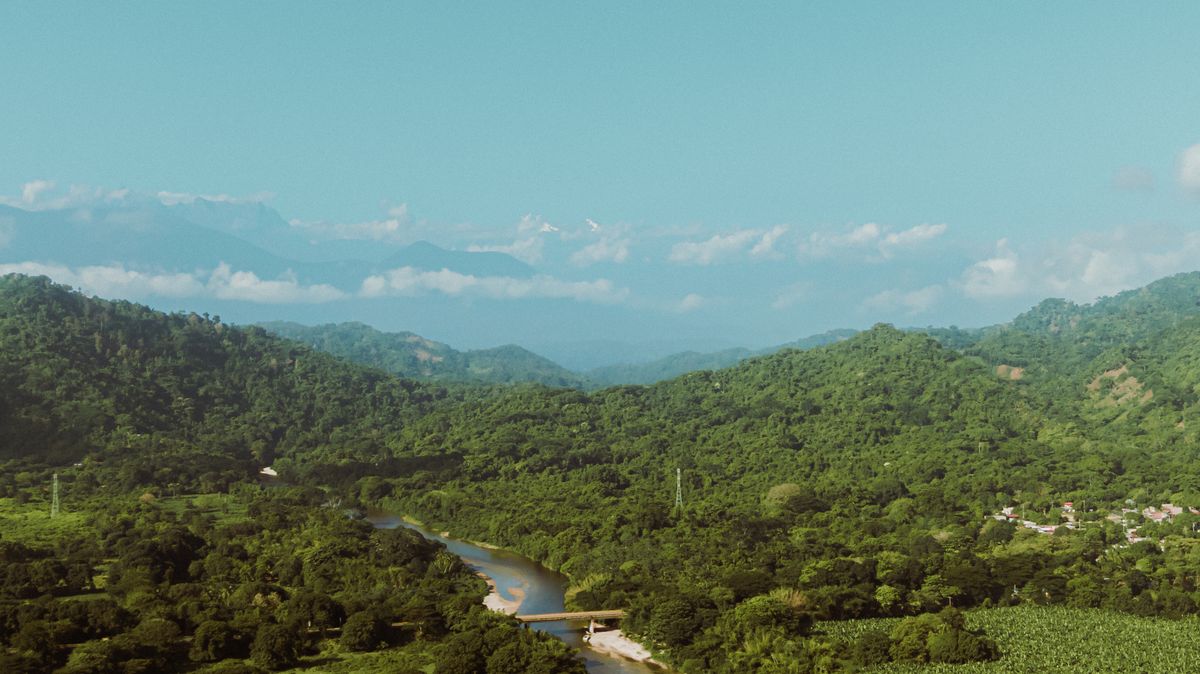
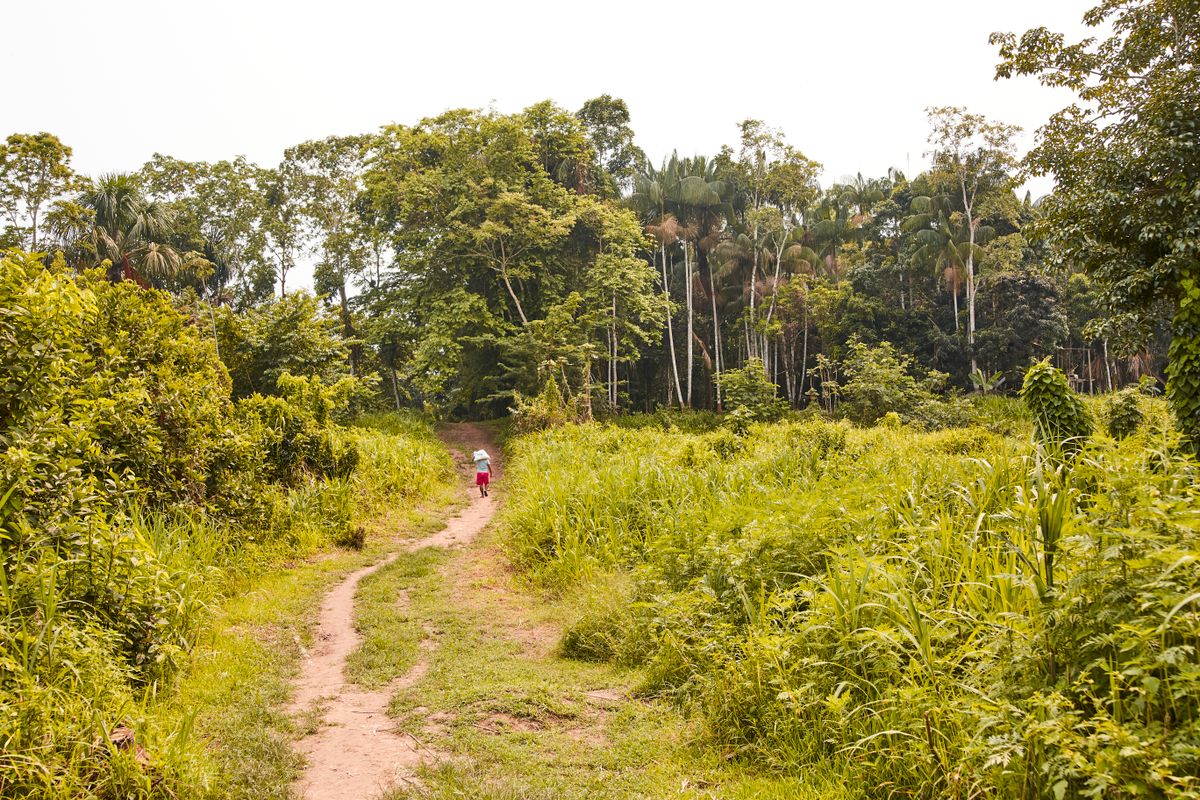
The trail runs across savanna first, open and already hot before eight, then drops into gallery forest where the light goes green and the ground goes soft. My own count on the walk in: fifty minutes, no rest stop, one stream crossing on flat stone that the guide called out by name before we reached it. Caño Cristales sits inside Serranía de la Macarena National Park, and nobody enters this stretch of river without a permit and a guide walking point. That's not overhead. It's the reason the plant that makes the whole trip worth taking is still alive to see.
First water I saw was a feeder stream, not the main channel: ankle-deep, running fast over flat rock, clear enough to count individual grains of sediment lifting and resettling with each step downstream of my boot. Not red yet. That comes later, and only in patches, and only if the water's sitting where it wants to sit. Verdict on the walk in: worth doing slow, because the forest is doing its own thing before the river does anything at all.
Los Ochos, Measured Out
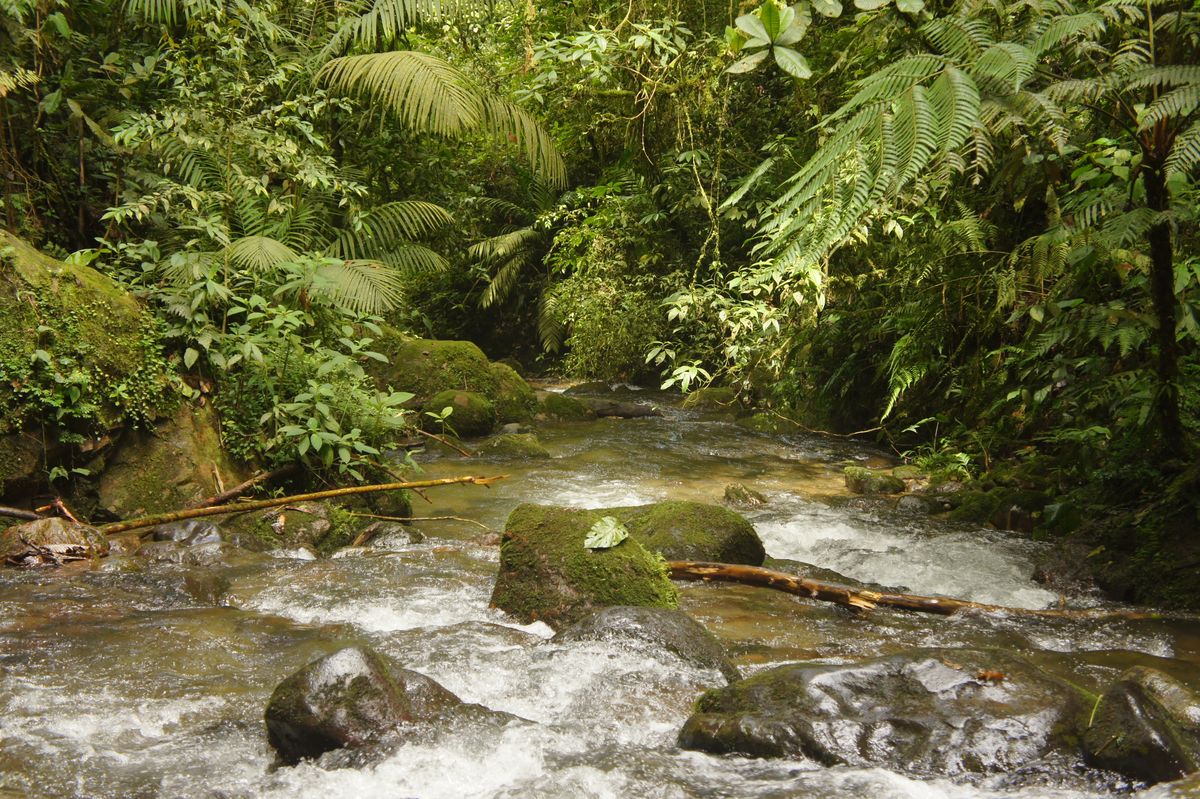
Los Ochos, eleven-twenty: eight linked pools stepping down a rock shelf, current moving fast enough to push a loose leaf through the first four in under a minute by my count. Visibility to the bottom of the shallow pools, easily three meters. In the deeper ones I couldn't see a clean bottom at all, just red going darker red going black where the light gave out.
The rock here is worn smooth and grooved in long channels, and the current sits in those grooves the way it's been sitting for longer than anyone's been counting. Depth varies pool to pool: shin-deep at the first, past my waist at the fourth, deep enough at the eighth that the guide had already called it closed for the day before we got there, water running high from rain two days upstream.
Behavior noted at pool four: eleven separate attempts by the same visitor to get a photo where her hand appeared to be touching the red without actually touching the red, guide intervening on attempt three and again on attempt nine. No hands entered water outside the marked pool. Camera came away satisfied regardless.
Verdict on Los Ochos: it's the postcard for a reason, but the postcard skips the part where you're standing in fast water on wet rock for twenty minutes waiting your turn to look at one pool properly.
It isn't dyed and it isn't dying, just a plant that only turns red when the water sits exactly right.
What's Actually Red
Water level reading at the gauge rock near Los Ochos, checked against the mark the guide showed me: mid-range, four days without heavy rain upstream. That's the window. Push the level too high and the current scours the plant flat and colorless; let it drop too low and the plant dries out and browns. This week had both the light and the level right, which is the only reason there was color to count at all.
The story that gets repeated on every van ride in is that the river is dyed, or that it's an algae bloom, or, more than once, that it's coral. None of that holds up to standing over it. Coral doesn't grow in fresh water at eleven hundred meters of elevation. Algae blooms cloud water; this water was clear enough at the shallow pools to read my own dive computer through eighteen inches of it. What's actually red is a plant: Macarenia clavigera, an aquatic species rooted to this rock shelf and nowhere else I've surveyed, and it only shows that color when sunlight reaches it through water that isn't running too fast, too high, or too low. Take away any one of those conditions and the same plant sits there green or brown, doing the same job, just not performing it for anyone.
What I didn't get a clean read on: how much of the color variation pool to pool comes down to depth cutting off light versus current speed cutting off the plant's hold on the rock. Both looked like they mattered. Neither guide had a number for it, and neither did I. Next trip's job, with a light meter this time instead of guessing by eye.
Verdict on the color itself: it's real, it's a plant doing exactly what plants do under the right light, and it deserves a better explanation than the one that gets handed out on the drive in.
Cooling Off Outside the Line
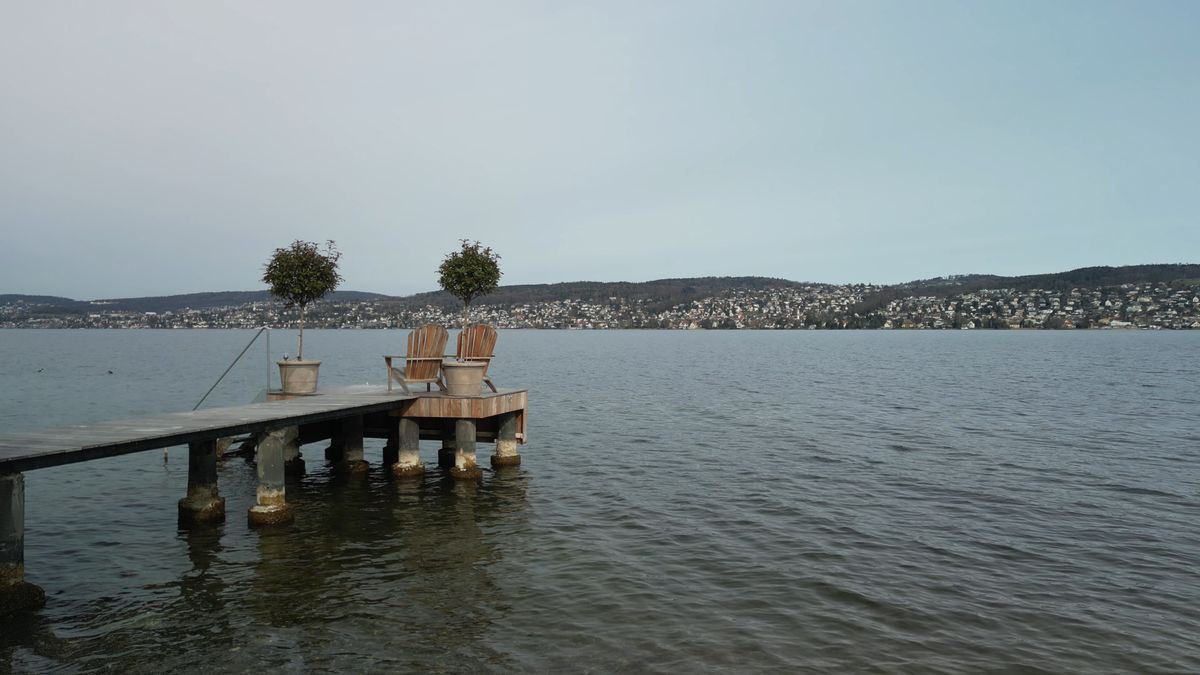
Different water entirely, forty minutes back toward town by truck: a swimming hole outside the park boundary, no permit checked, no guide required, water moving slow enough that a dropped water bottle sat spinning in the same eddy for the whole ten minutes I watched it.
This isn't Caño Cristales and I want to be clear about that, because the river itself only opens for swimming in the pools a guide marks out, and this wasn't one of them. It's a separate pool at the base of a falls outside the reserve, used by locals as much as anyone passing through, sunscreen allowed, no plant on this stretch that cares one way or the other. Depth at the center, by feel rather than instrument: over my head, maybe two and a half meters, cold enough coming off the falls that nobody stayed in past fifteen minutes without complaining about it.
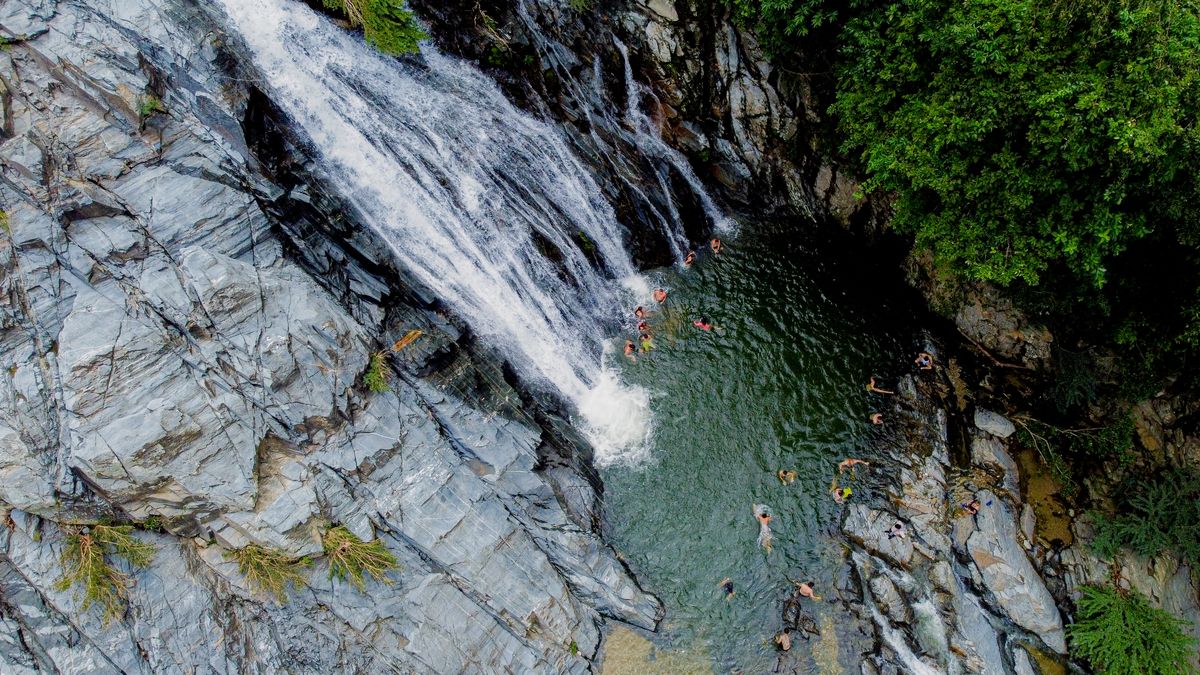
Verdict on this pool: it does the job the river can't, which is let you get in the water without worrying about what's on your skin or which patch of rock you're standing on.
Verdict on the whole circuit, river and swimming hole together: go in the window between too much rain and too little, listen to the guide about your hands twice as hard as you listen about anything else, and don't expect the postcard color to hold still long enough for a phone camera to catch what a slower look gets for free. I'd go back in October to see if the color reads any different at the tail end of the season. That's the comparison I don't have a number for yet. ■