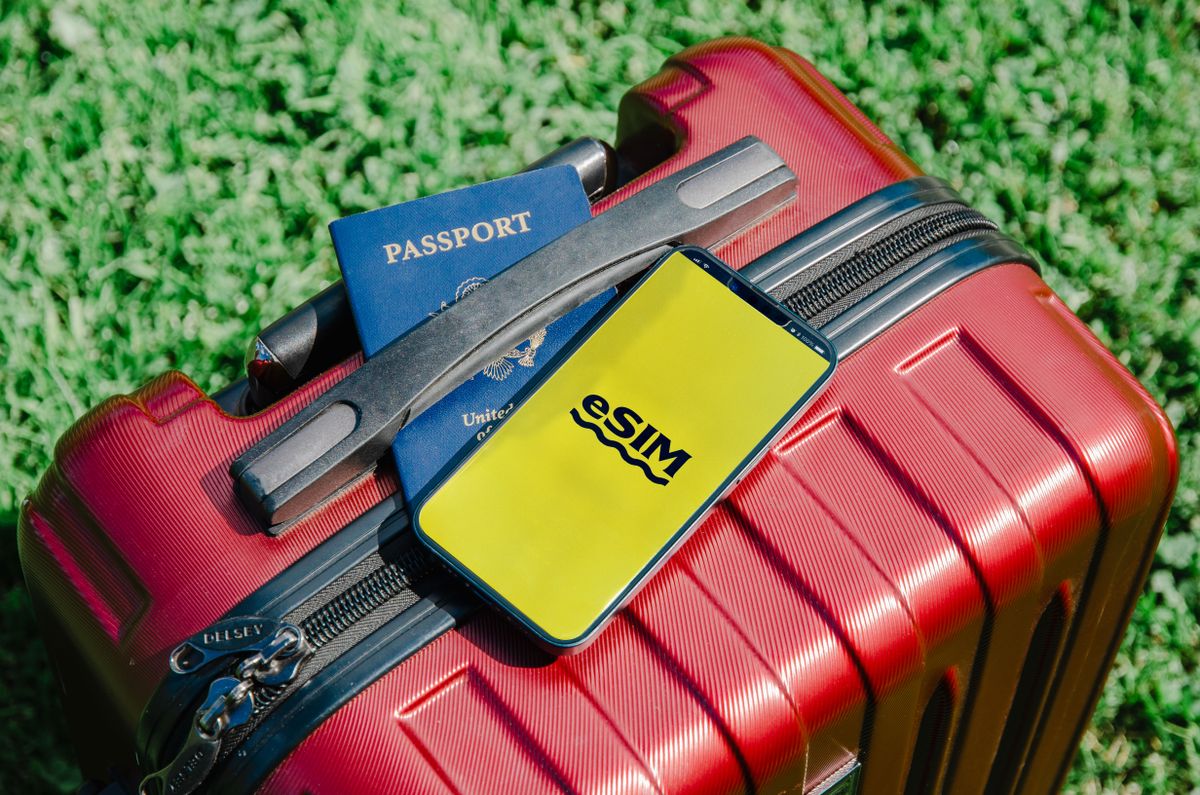
Two eSIMs, One Itinerary: Timed Against the Instructions
A retired air traffic controller clocks an Airalo install against a five-minute promise, then logs a Holafly throttle and a locked handset the way she'd log any other delay.

GBE-DOH-LIS, 0455 Push-back: Airalo Before Anything Else
0330, kitchen table, Gaborone. Suitcase closed, passport tucked in the outside pocket, phone flat on top of it with the screen already lit. The Airalo app promised the Discover Global plan would activate in under five minutes once the QR code was scanned. Old habit, not fully retired: stopwatch running before the app was even open.
Scan logged at 0512, confirmation banner at 0521. Nine minutes against a promise of five, for a plan priced from 8.50 US dollars covering seven days and one gigabyte, valid, by Airalo's own listing, across 169 countries and networks. Four of those minutes belonged to the kitchen wifi, which dropped once mid-download and needed the router power-cycled, no fault chargeable to the eSIM itself.
The install went in before the case left the house, on home wifi, exactly as it needed to: downloading a data profile requires a working connection, and there's none reliably waiting on the tarmac at 0455. Activation, the actual switch-over, waited for touchdown in Lisbon. The phone ran two SIMs the whole way, home number on one slot for calls and texts, Airalo on the other for data, so nobody trying to reach the Gaborone number got a dead line over Doha.
Airalo's catalogue is built mostly on fixed allowances like this one rather than unlimited data, a gigabyte bought and a gigabyte spent. That model held up fine for a travel day of maps and boarding passes. It was the unlimited plan, bought for the days after landing, that needed watching more closely, logged in the next entry.
The suitcase logged its own irregularity at the Doha transfer desk: tagged twice, once correctly for LIS and once, going by the spare sticker still stuck to the handle, for a flight to Luanda that wasn't on this itinerary at all. Sorted against the boarding pass in under a minute, no bag misrouted, no connection missed, no injuries.
Nine minutes against a promised five is an overrun on paper. In practice the connection came up within seconds of landing, gate-side, confirmed working before passport control, which is the only schedule that mattered that morning.
Nine minutes against a promised five, and the delay was the wifi's, not the eSIM's.
Lisbon, Day 3: Fair Use Policy Logged Like an Incident
Day 3, 1140, Alfama, checking data the way a hold time gets checked: Settings, Mobile Data, tap the plan, read the number. Holafly's unlimited tag had held clean for two full days.
By 1140 the download speed had dropped hard enough that a map tile sat spinning for several seconds, the data equivalent of a hold pattern issued with no explanation on the frequency. The explanation, once chased down, was Holafly's Fair Use Policy: no published hard ceiling, but the throttle sits somewhere around three to five gigabytes used inside a single day, and the previous evening's video call plus two days of maps had pushed past four. Saily and Nomad's metered plans, by comparison, run with no daily cap of that kind, worth checking before the next trip if the itinerary runs data-heavy rather than unlimited-but-throttled.
No fault against the network, no refund owing, no plan broken. This is what unlimited means once the fine print gets read, which happened after departure rather than before. Filed as a note for the next booking, not a complaint against this one.
Addendum: The Phone That Never Got a Second Profile
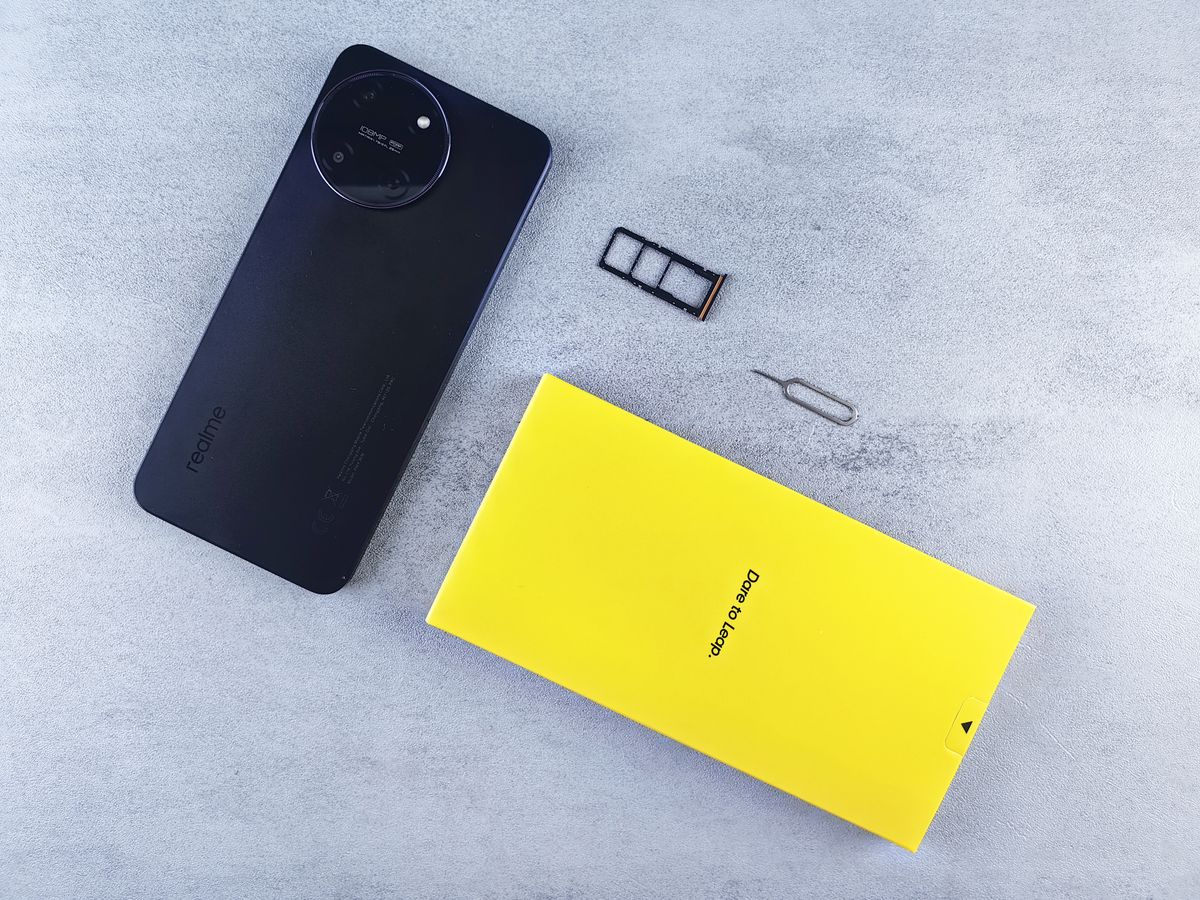
Cause, established first: the second handset on this trip, carried purely to run this comparison, had been bought on an installment plan through a carrier that locks the device until the contract closes. eSIM-capable by the spec sheet. Locked regardless. The Holafly profile wouldn't install, no error worth quoting, just a spinner that gave up after forty seconds and dropped back to the same empty slot in Settings.
The workaround was the older method: a paperclip, since the ejector tool that ships in the box had already gone missing the way ejector tools do, and a physical SIM bought from a kiosk near Restauradores. Tray out, old card out, new card in, tray back in, forty seconds door to door, network registered on its own inside a minute. Close enough to the failed eSIM attempt that neither method wins on speed. The difference sat in what could go wrong: the tray carries a card that can be dropped down a drain and a slot that can be misaligned, where the locked phone had nothing physical to lose, only a restriction it couldn't get past.
Setup Log, Filed Before Departure
Install the eSIM profile on home wifi before leaving; switch to it only after landing.
Confirm the handset is carrier-unlocked, and not still mid-installment, before buying any plan.
Keep the home number live on the second slot for calls and texts while data runs on the travel eSIM.
Check data usage under Settings daily on an unlimited plan; the Fair Use throttle doesn't announce itself.
Cost Breakdown
Day 3 closed on schedule despite the throttle and the locked handset, both logged, neither one a surprise by dinner. The item carried forward to the next trip: confirm a handset is carrier-unlocked before it leaves the house, not at a kiosk with a paperclip standing in for the proper tool. ■