Reading the Reef: Open-Water Swim Notes from Fiji's Coral Coast
A marine biologist times the currents, counts the crowds, and reads Fiji's Coral Coast the way she reads a transect line.

Lagoon Flats, Sigatoka to Pacific Harbour
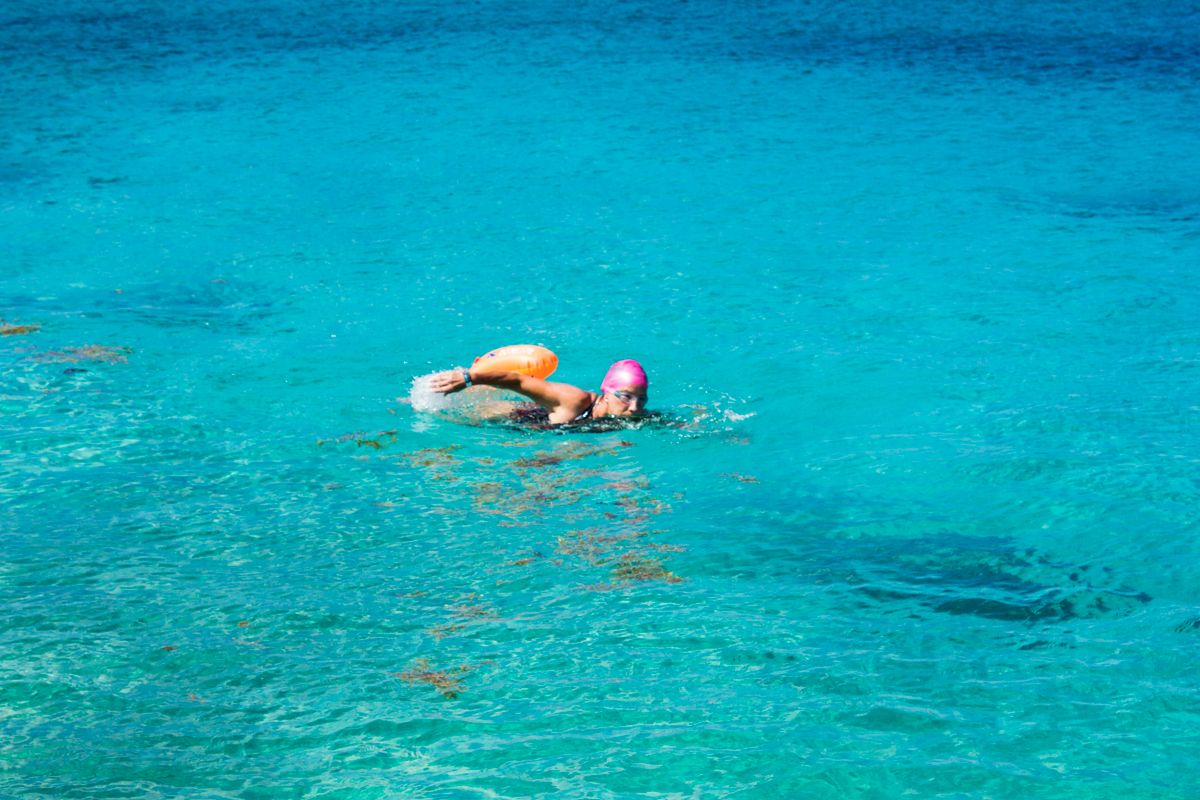
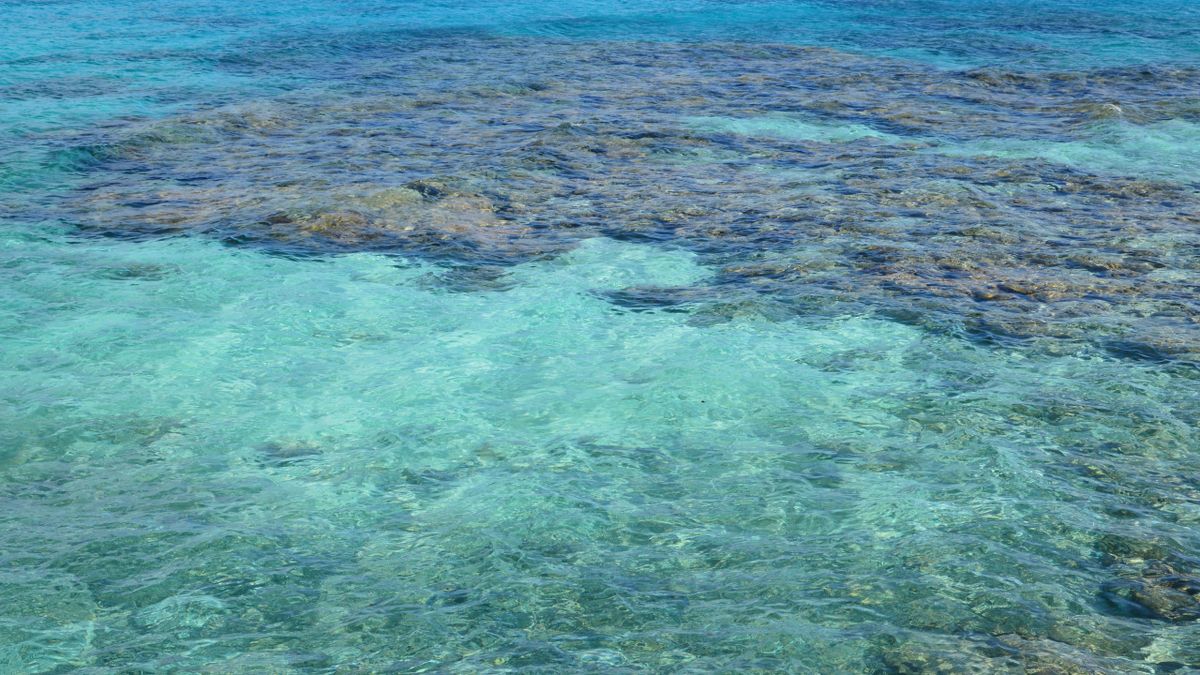
Water temperature at the reef flat off the Coral Coast road, nine in the morning: twenty-nine degrees on the thermometer, no chop, visibility past fifteen meters over sand and coral rubble. A lagoon reading, the kind you get inside a fringing reef with the swell doing its breaking somewhere else.
Fiji's Coral Coast earns the name honestly. The fringing reef sits close to shore along this stretch of Viti Levu, between Sigatoka and Pacific Harbour, and the water it encloses barely moves. I swam a slow rectangle for forty minutes, maybe three hundred meters out and back twice, and never lost the sand line below me.
Count for one hour from the shallows: four glass-bottom boat groups anchored over the same coral head, two guides pointing at the same pair of clownfish each time, one child asking her father if the fish were real. He said yes. Nobody in the boats got in the water.
The lagoon looks uniformly alive from a boat, which is the myth worth correcting here. Coral cover on the flats I checked ran patchy, healthy plate coral in the deeper pockets, bare rubble and turf algae on the shallow tops where boat traffic and sun exposure do the most damage. Calm water is not the same measurement as healthy reef, and the postcard shot doesn't show the difference.
Good swim, easy conditions, a reef better looked at with a mask than judged from the surface.
The Passage, Running Out
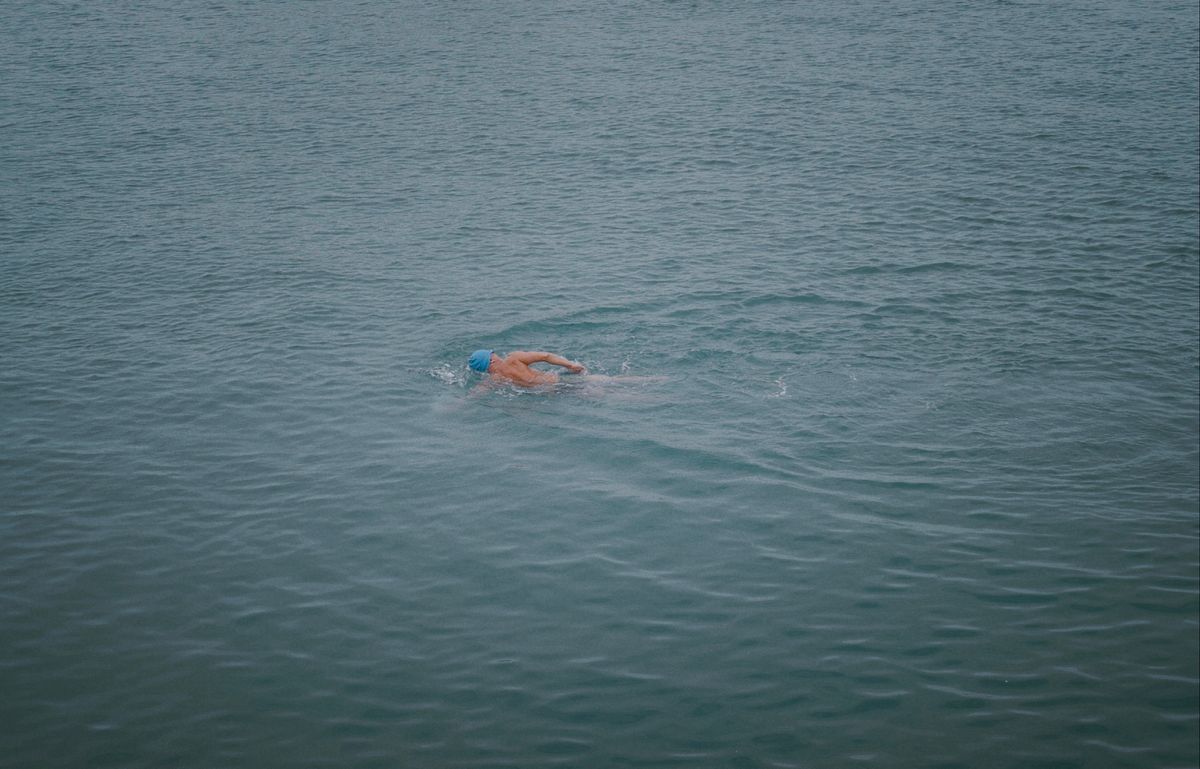
Drift test at a reef passage east of Sigatoka, timed against a fixed marker on the outer reef edge: forty seconds to cover roughly twenty meters, unassisted, current pulling straight out toward open water. Close to a knot. I wasn't trying to swim against it.
Coral Coast passages are the gaps where the fringing reef breaks to let the lagoon drain, and they're tidal in the most literal sense. Current runs hardest on an outgoing tide, when the whole lagoon's worth of water is trying to leave through one channel at once. Dive operators along this coast plan boat timings around exactly that ebb window, because it's the same water pulling divers as it is swimmers.
I checked the tide chart before getting in, mid-ebb, an hour past high, and it matched what the drift test showed. Swimmers who check the chart after noticing the pull are checking it too late. The passage doesn't announce itself until you're already past the reef edge and the bottom has dropped from three meters to fifteen.
Worth swimming, not worth swimming carelessly, check the tide before you check the view.
Passage timing
Check tide tables before entering, current peaks on the outgoing tide.
Swim lagoon-side of a passage near slack water, not mid-ebb.
A local guide who dives the channel daily reads the pull faster than a chart does.
The passage doesn't announce itself until the bottom has already dropped away.
The Launch Point
Six in the evening at a village landing along the Coral Coast, three punts pulled up on the sand, one outboard being bailed out with a cut bottle, two women rinsing fish at the waterline while the tide was still high enough to float the boats off without dragging.
This is the working edge of the same coastline the resorts sit on, the Sigatoka River silting the water brown for a few hundred meters where it meets the sea, clean again past the point. Kids were swimming off the landing in school uniforms rolled to the knee, in and out of the water in the ten minutes I stood there, entirely unbothered by a current I'd just spent an hour measuring a few kilometers up the coast.
Nobody at the landing asked what I was doing with a dive slate and a thermometer. A man mending net line asked instead whether the fish were still there past the reef break, past tense, like he already knew the answer depended on which year you asked. I didn't have a count for him, not for that stretch.

The Coral Coast rewards a swimmer who treats the lagoon and the passage as two different bodies of water, because they are. Inside the reef it's an easy, warm, close to overfamiliar swim past a lot of boat traffic. At the reef edge it's open ocean on a schedule, current included. I'd go back to run the drift test again at a full spring tide, see if a knot becomes something worse. ■