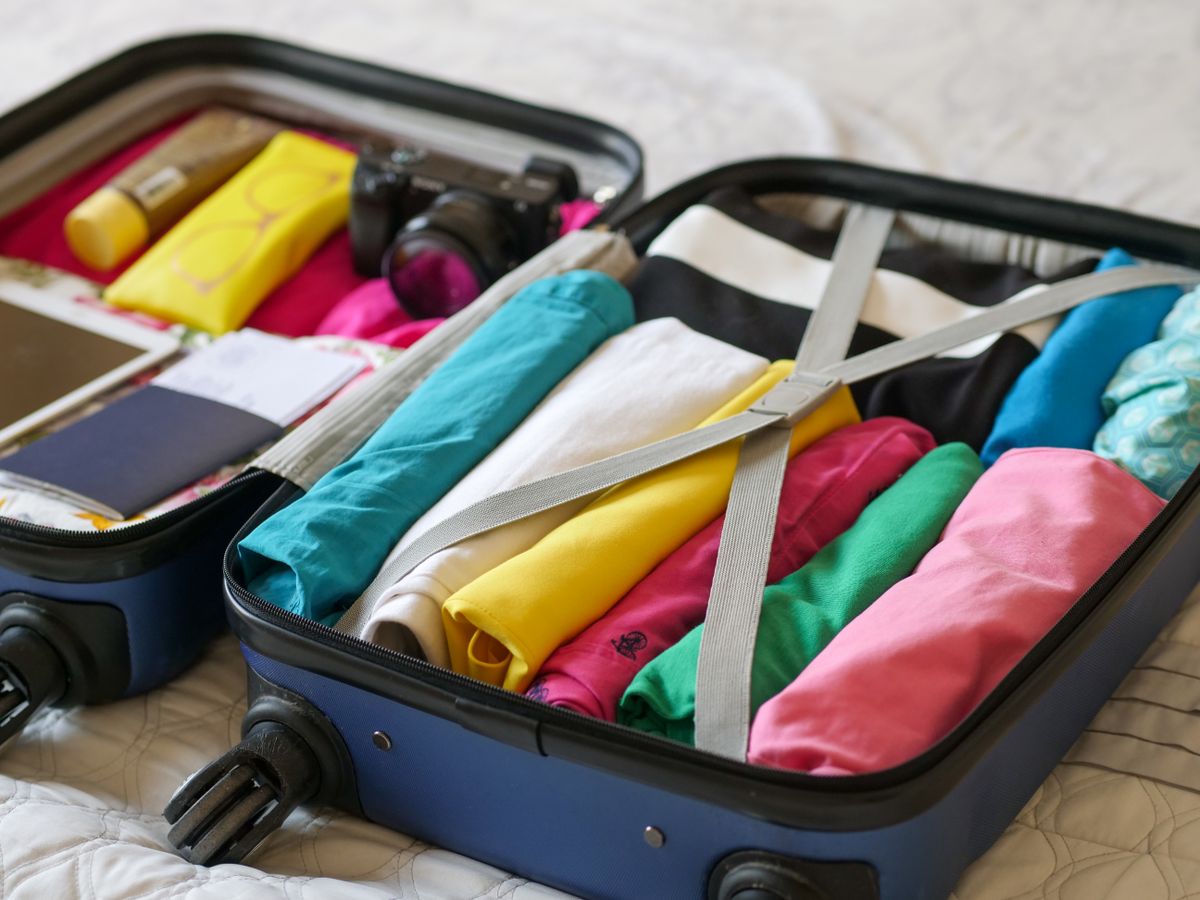
Carry-On Only for Three Weeks: One Bag from Monsoon Kochi to Cold-Desert Leh

The Forecast Problem: Kochi to Leh in Twenty-One Days
Twenty-nine degrees Celsius, relative humidity at 91 percent, sky the flat pewter of a monsoon that stopped announcing itself weeks ago and just moved in. That was Kochi on the morning I started laying kit out on the bed, and it was the easy end of the forecast. Six days later the same suitcase, or what was left of it, needed to survive Leh: 3,524 metres, night temperatures down near 4 degrees, air so dry it cracks the skin on your knuckles by day three.
Three weeks, one bag, three climate regimes: monsoon Kerala, a hot dry stopover in Delhi where the mercury was pushing 38, and the cold desert of Ladakh, where the UV index at altitude reads like a warning label. A meteorologist packs for probability, not for postcard weather, and the honest probability across twenty-one days and four thousand vertical metres of altitude change was that no single wardrobe would cover it. The job wasn't picking clothes for a place. It was building a system that could hold three separate forecasts in one 40-litre volume.
Outlook for the rest of the week: less about what to pack, more about what one bag can be asked to do at once.
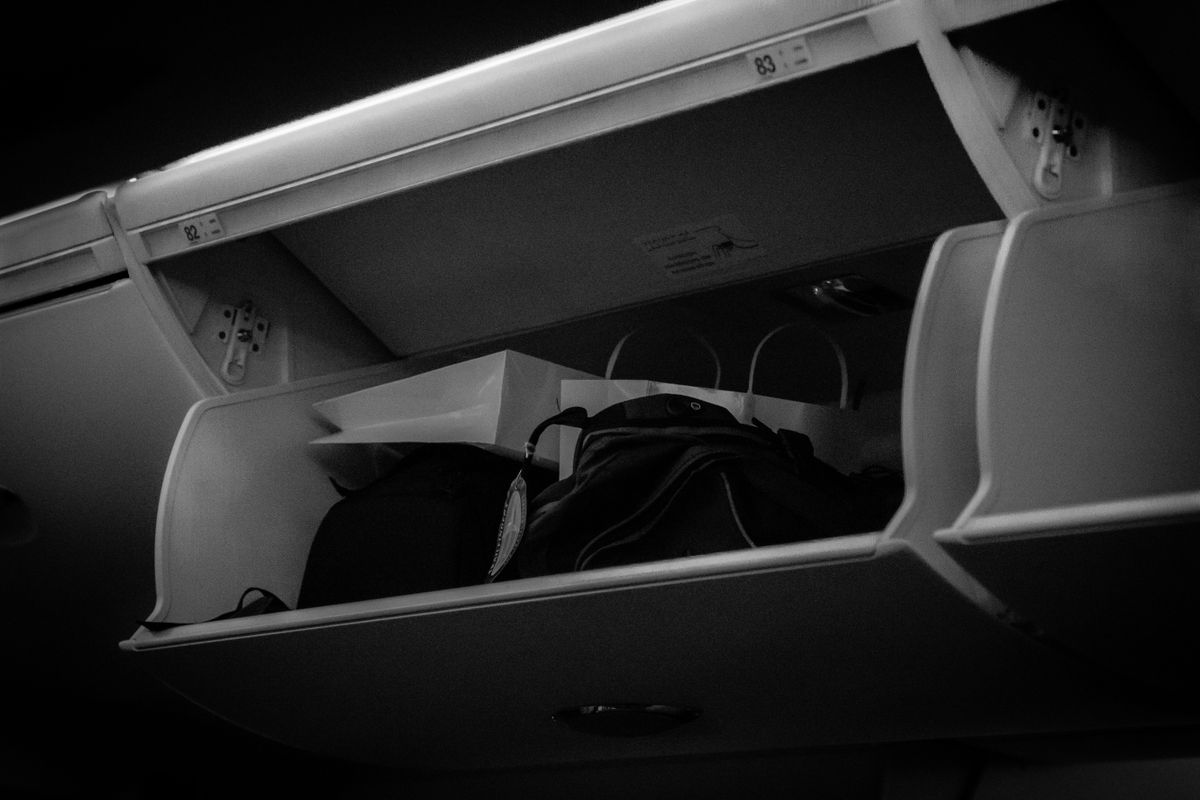
The Bag and the Weigh-In
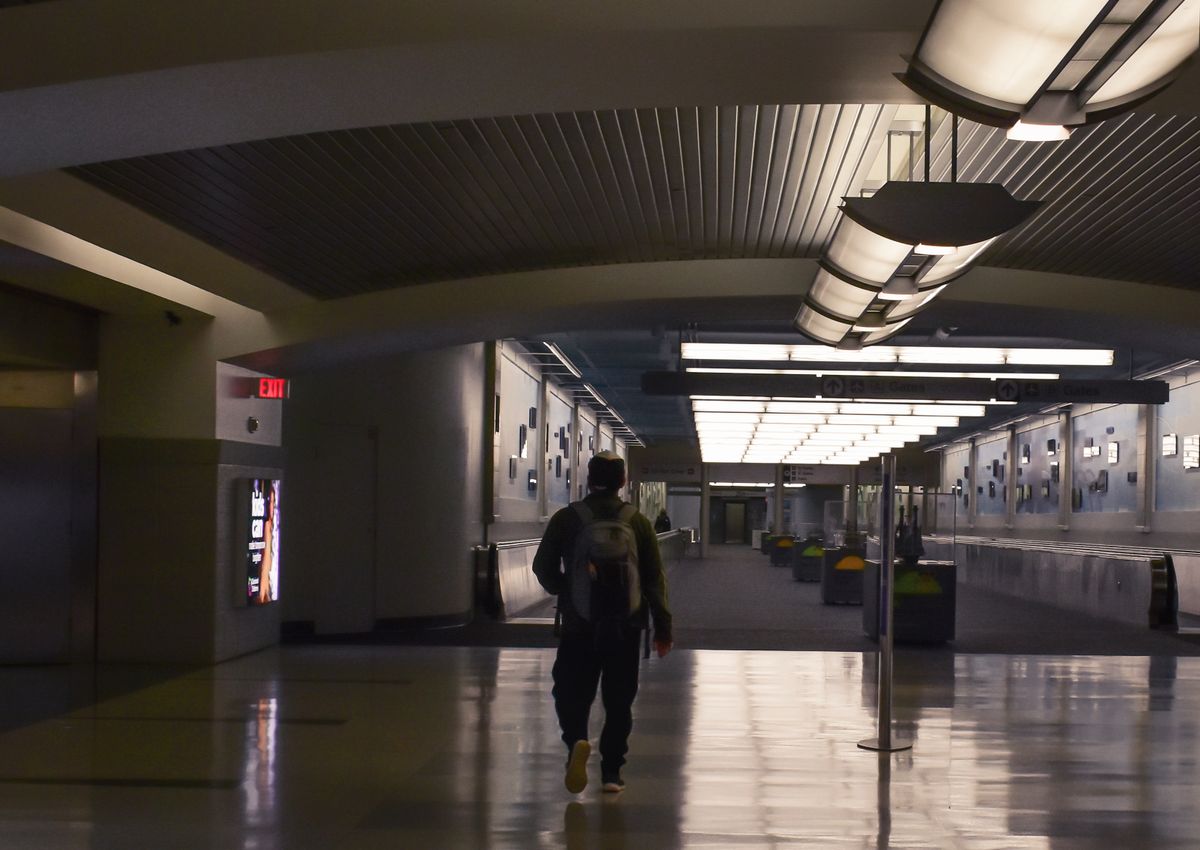
Thirty-eight degrees at the gate, the terminal air conditioning losing an argument it had already lost twice that day. That was Delhi, and it's where the carry-on rule gets tested, not at check-in but at the gate-side scale IndiGo wheels out for anyone whose bag looks like it's pushing limits.
The bag itself: an Osprey Farpoint 40, 1.54 kilograms empty, external dimensions 55 by 35 by 23 centimetres. That's the actual number that matters here, not the marketing one. IndiGo's cabin allowance is 7 kilograms and 55 by 35 by 25 centimetres for economy, and Air India runs close to the same, so the Farpoint slots into both without argument, at least on the size gate. Weight is the one that gets watched.
Packed, kitchen scale reading before I left Kochi: 6.8 kilograms, water bottle empty, laptop and camera worn on the body rather than counted in the bag's weight, a trick every gate agent has seen before and none has stopped me trying. That left 200 grams of margin for whatever I bought in Leh, which turned out to be exactly one hat.
Outlook: the bag holds. What goes inside it is the harder forecast.
Layering Like a Frontal System
Six degrees at 6 a.m., climbing to 19 by early afternoon, under a sky so clear the mountains look cut out with scissors. That was day nine in Leh, and the 13-degree daily swing is the entire packing problem in miniature: dress for the morning and you cook by 2 p.m., dress for the afternoon and you're shivering at the guesthouse before dinner.
The system I run is the same one I'd use to read a frontal passage: base layer, insulating layer, shell, added or stripped as conditions change rather than swapped out for different climates entirely. One piece did the whole three weeks: the Icebreaker 200 Oasis merino long-sleeve, worn alone in Kochi's air conditioning, under a windbreaker in Delhi's evening dust storms, under down in Leh before sunrise.
The mid-layer is a Uniqlo Ultra Light Down jacket, 190 grams, that compresses to the size of a water bottle. A Patagonia Houdini windbreaker serves as the shell, 100 grams, and it is not a rain jacket; I never pretended it was one. Three pairs of Darn Tough hiking socks did the sock job entirely, hand-washed in a Leh guesthouse sink at an altitude where laundry dries in about forty minutes flat, no line needed: the air pulls the water straight out of the fabric.
A Buff neck gaiter did double duty as UV shield against Ladakh's altitude sun and dust mask against Delhi's construction-season air, the kind of two-job gear a carry-on system depends on. Nothing in the bag existed for one climate only.
Outlook: the system holds until Kochi's monsoon reasserts itself on the way back in, which it does, on schedule, the way monsoons do.
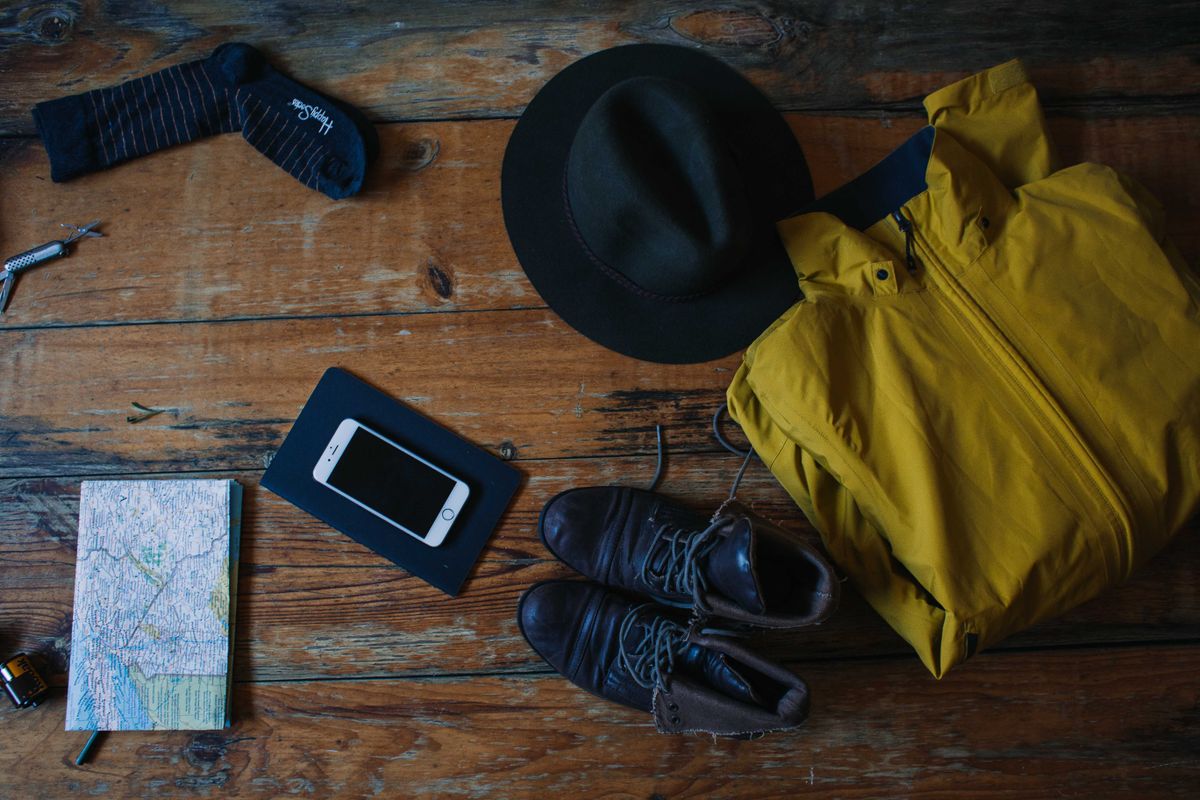
The Kit, Priced
Dress for the swing, not the season, and the bag stays the same size.
What Didn't Make the Cut
Twenty-seven degrees and the humidity back over 85 percent, rain falling in the straight vertical lines that mean no real wind aloft, just weight coming straight down. That was Kochi again, final week, the return leg I'd forgotten to forecast for properly.
What got cut from the bag before departure: a proper rain shell. I'd reasoned that the Houdini and an umbrella would cover Kochi on both ends of the trip, and that held for the outbound leg, when the monsoon was taking one of its afternoon breaks. It didn't hold coming back.
Auto-rickshaw platform, Ernakulam, 9:40 p.m., rain coming down at a rate any hydrologist would call a serious event, and the Houdini doing exactly what a windbreaker does under sustained rain, which is let it through in about six minutes. I stood there rethinking three weeks of careful layering logic over one skipped item, laptop held against my chest under the jacket, everything else already resigned to getting wet.
The rain shell is on the packing list now, permanently, wedged into the outside pocket where the umbrella used to live. Twenty-one days, three climates, one recurring gap in the forecast: I keep underestimating the water.
What I'd Repeat
Weigh the packed bag at home, not at the gate
Wear one merino layer instead of packing a spare change of clothes
Buy the packable rain shell even with a windbreaker already in the bag
Hand-wash socks the first night in any dry climate; they won't dry as fast anywhere else
Wear the heaviest jacket and shoes onto the plane, always