Burano: Colour Under Permit, Lace Under the Loupe
On Burano the houses come with paperwork and the lace should too, so an amber trader checks both against their tags.

Item: Burano, First Impression
Item: one day on Burano, sold as a photogenic stopover. Clarity grade: SI2, heavy inclusion of souvenir lace. Flaw note: everyone photographs the houses and almost nobody asks who signed off on the colour.
Item: Facade Paint, Registered Palette
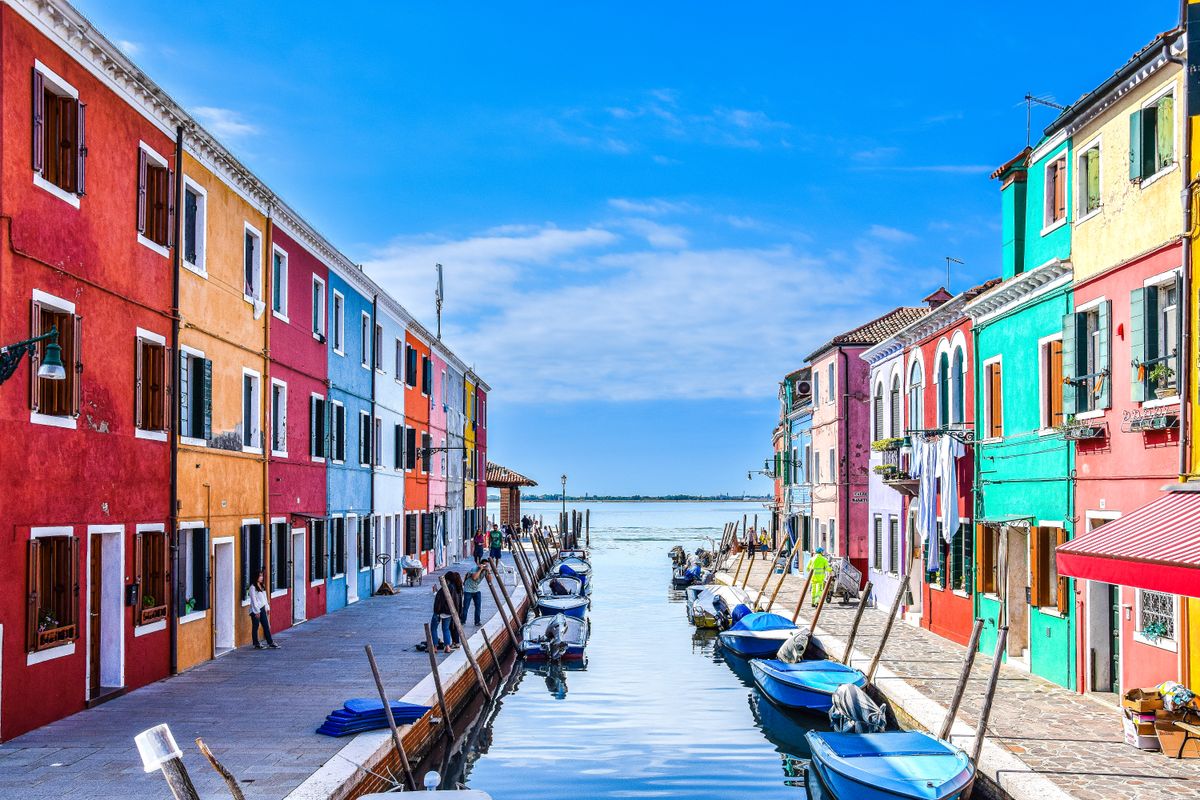
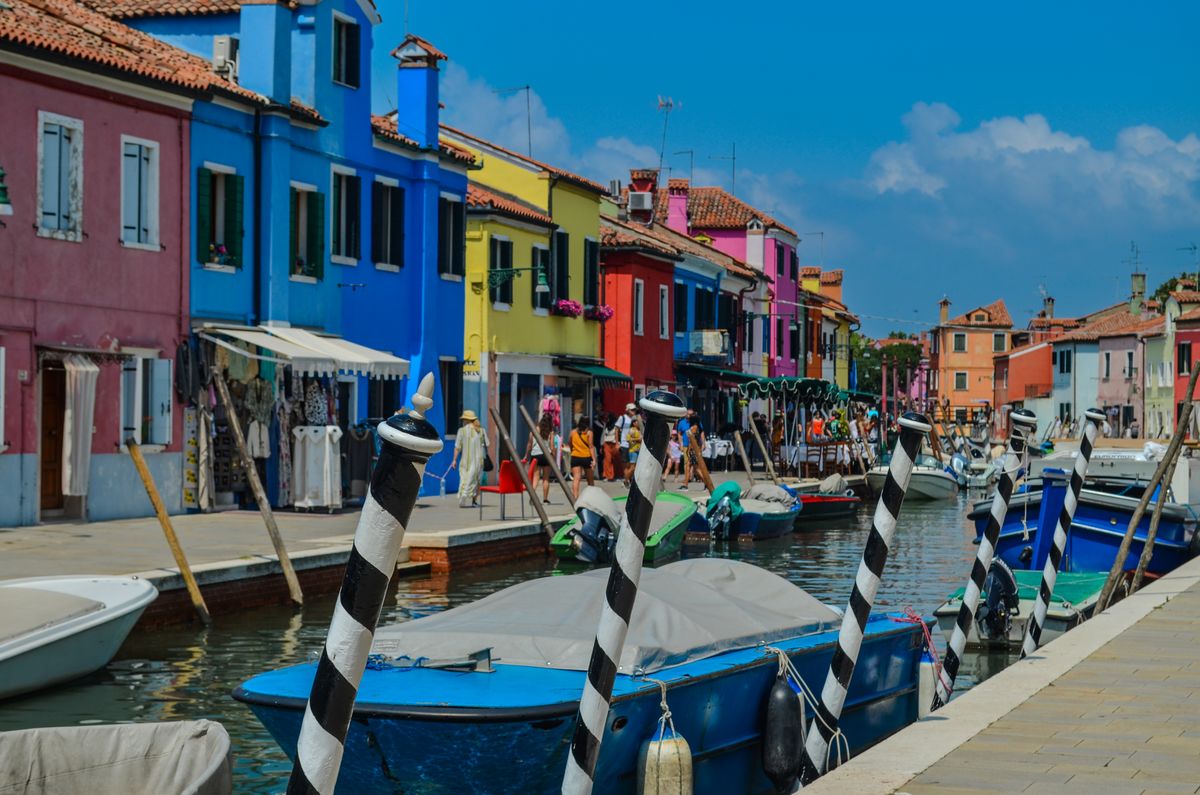
Ticket: canal front house, cobalt over an ochre undercoat, repainted within the last season or two by the look of the edges. Clarity grade: VS1. Flaw note: none I could find, and I looked.
The vaporetto for Burano leaves from Fondamente Nove, line 12, and the ride runs forty to forty five minutes across open lagoon before the island shows itself as a smear of colour against grey water. I have priced enough stones under bad light to know that first impressions lie, so I waited until the boat docked before I let myself believe any of it.
Up close the houses hold. Ochre against violet against a red that has no business working next to that particular green, and it works anyway, house after house down the canal. The story every guidebook repeats is that the colours let fishermen spot their own roof through fog, a claim I can't verify and that nobody selling postcards has ever tried to back up with a logbook or a harbourmaster's note. What I can verify is duller and more interesting: a homeowner here can't simply buy a tin of paint they like. Any repaint needs permission from the local authority, and the colour has to come from a palette already registered to that specific house. It is the closest thing to a certificate of authenticity I have seen applied to a building instead of a stone.
I asked a woman resetting a window box outside a magenta facade on a side canal how long the approval takes. She shrugged in the particular way that means longer than you would like and shorter than you would fear, and went back to her geraniums. No paperwork to show me, no framed permit on the wall the way a workshop hangs its assay certificates. I believed her anyway, which surprised me less than it should have. Some claims do not need a document waved in front of you. This one has decades of matching brushwork behind it, house after house, and that kind of repetition is its own proof.
Verdict on the paint job: eight carats out of ten. The fog story stays unweighed, repeated at face value by everyone who tells it, and I am marking it down for that alone. The permit system, the actual documented mechanism behind the colour, earns every carat back.
A repaint needs a permit and a colour already registered to the house, a certificate for a wall.
Item: Needle Lace, Provenance Unconfirmed
Ticket: length of white lace, floral border, tagged merletto di Burano and priced like it. Clarity grade: unassessed, no maker's mark, no workshop name anywhere on the tag. Flaw note: everything about the presentation says handmade except the thread.
The lanes off Piazza Galuppi run thick with lace shops, awnings out, tablecloths and doilies pinned along the doorways like specimens under glass. I have handled enough amber sold as Baltic, natural, guaranteed to know what a confident tag sounds like, and these tags are confident. Handmade. Merletto di Burano. Prices that would be fair for months of a lacemaker's labour and steep for anything run off a machine in a factory that has never seen the lagoon.
Most of what sits on these racks is not handmade on this island, and it is not exactly a secret, just a fact nobody at the counter volunteers. It has been reported for years that a large share of the lace sold here and across greater Venice is machine made or imported, much of it from Asia, and sold under a local name that costs the seller nothing to print. Genuine needle lace, the kind fishermen's wives were making here from at least the sixteenth century, takes months of one person's labour for a single piece. A small handmade piece already runs into the hundreds of euros. Larger work costs a great deal more. When a tablecloth sized handmade piece is priced like a fridge magnet, that price is the flaw, not the bargain.
I picked up a lace collar in a shop near the canal and asked the woman behind the counter, plainly, whether it was made on Burano. She said yes, the way sellers say yes to everything, no pause before it. I turned the collar over. The stitch repeated with a regularity no hand keeps for more than a few centimetres, spacing too even, tension too consistent row over row. I told her, flatly, that this reads as machine lace, and asked if she had anything with a workshop name attached. She reached under the counter for a different piece, smaller, plainer, and named a price four times higher. That price, unlike the first one, I believed.
Item: Scuola dei Merletti, Founded 1872
Ticket: lace school building, Piazza Galuppi, beside the church of San Martino. Clarity grade: documented, provenance intact throughout the collection. Flaw note: none. This is where the honest stones live.
The Museo del Merletto occupies the building that opened in 1872 as the Scuola dei Merletti, the lace school itself, right on the main square next to San Martino. Inside, the collection runs back to the sixteenth century, real pieces with real provenance, the kind of chain of custody I ask for on any stone worth more than pocket change. For a serious purchase, the museum affiliated consortium, or one of the handful of surviving genuine workshops, will give you exactly that on request: workshop name, material, method. Ask before you pay, not after.
loupe notes
Vaporetto line 12 from Fondamente Nove runs forty to forty five minutes each way. Check the return schedule before wandering far from the stop.
Ask any lace seller for a workshop name and method before paying handmade prices. Genuine pieces come with both, no hesitation.
The Museo del Merletto sits on Piazza Galuppi next to San Martino church. The consortium there can confirm origin on a serious purchase.
A small genuine handmade piece already runs into the hundreds of euros. Treat anything cheaper sold as handmade the way you would an unverified stone.
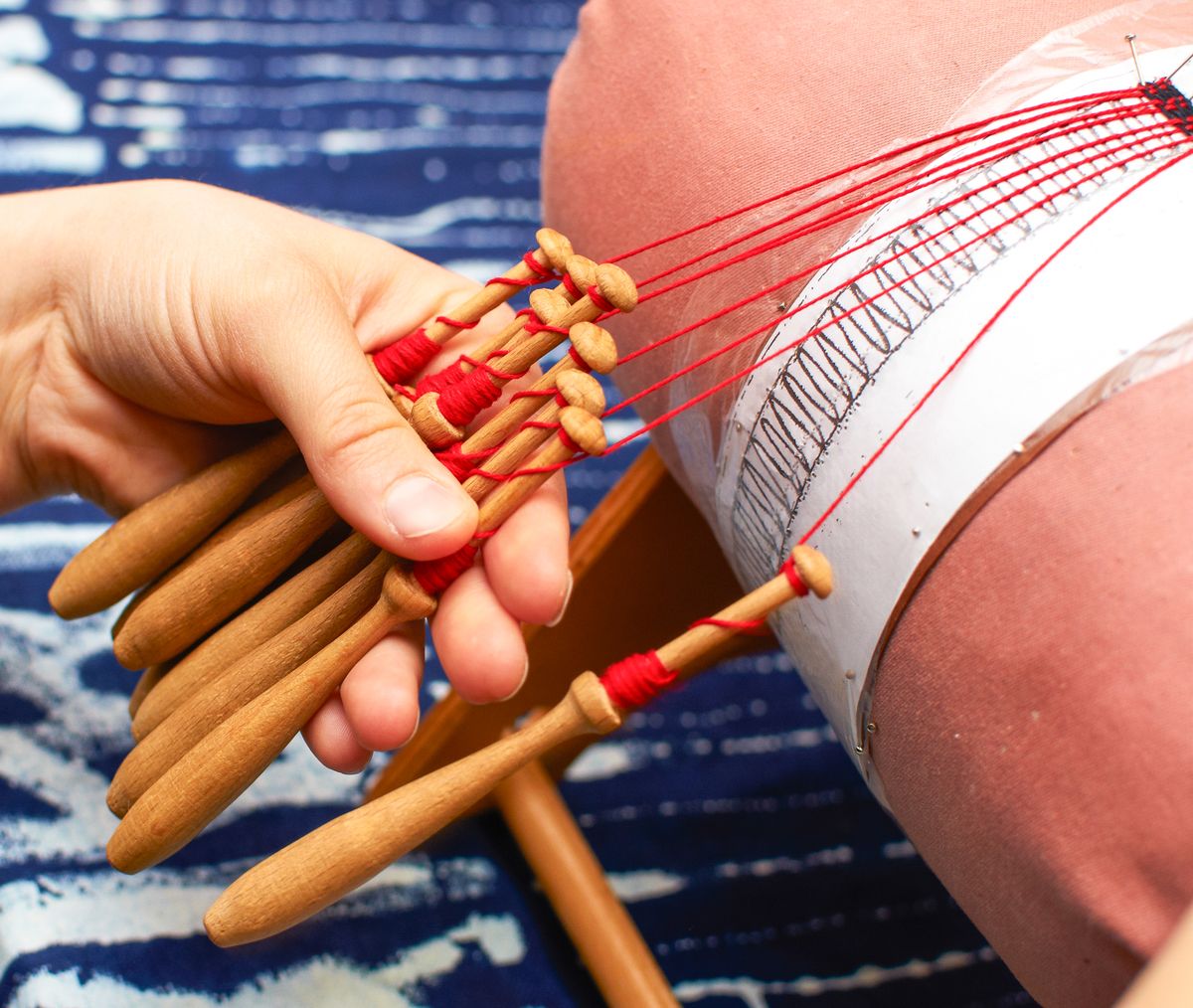
Near the museum entrance a woman was working a lace pillow the day I visited, thread looping between pins at a pace that did not quicken for the cameras pointed at her. I watched longer than I meant to. Whatever the exact technique in front of me, the arithmetic holds regardless: hours for a centimetre, months for a piece anyone would call finished. No machine in any shop on this island runs at that speed, and that gap, hours against a die cutter's minutes, explains the whole of the price difference without a single word from a seller.
Outside, a tour guide told her group that all the lace on the island was handmade by island women, present tense, no qualifier attached. I did not correct her. Some claims are not worth the loupe. They are worth walking away from.
Verdict on Burano as a whole: nine carats out of ten. The colour is honestly earned, permit by permit, house by house. The lace trade grades lower on its own merits, most of it, but the real stone is still here if you know to ask for the paperwork, and the museum will hand it over without an argument. ■