Airbnbs I'd Book Again, Rated By Weather (And the One I Wouldn't)

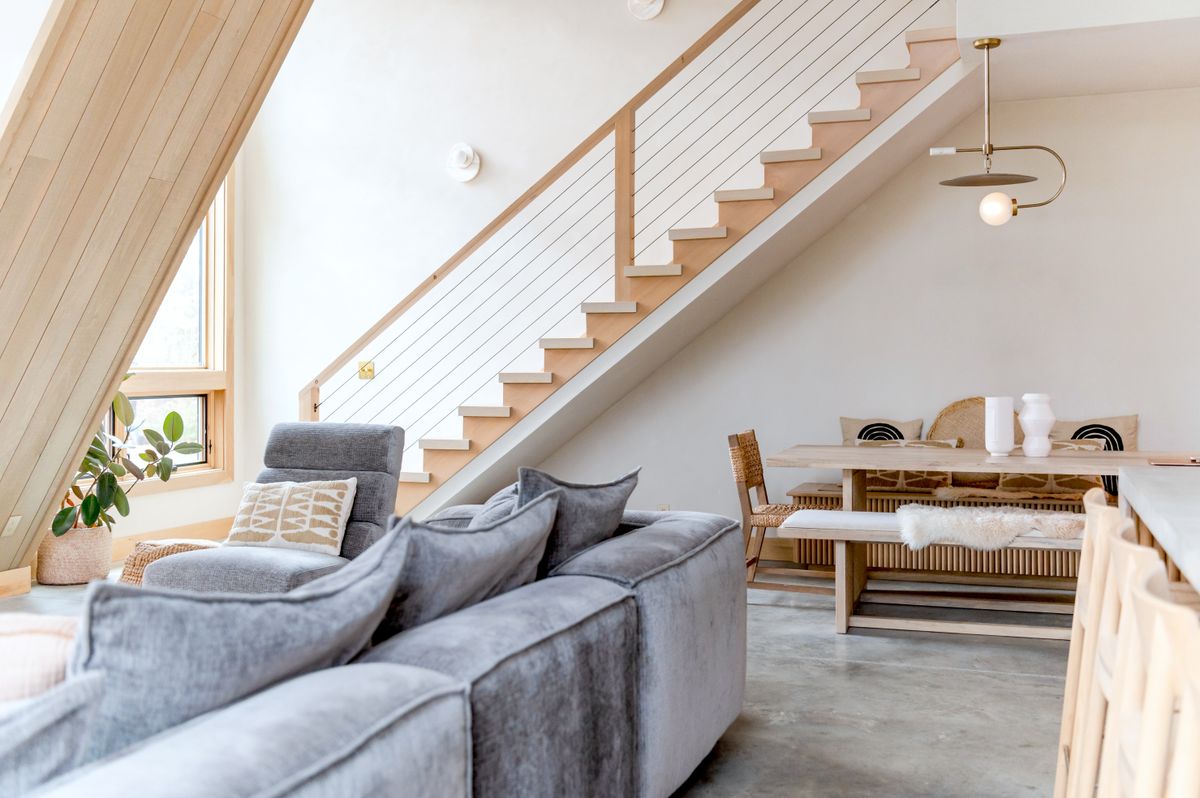
Cold front over the White Mountains, temperature down nine degrees between check-in and the first coffee. That was the forecast the A-frame in Bethel, Maine, delivered before I'd even unpacked, through a wall of single-pane glass that fogged on one side and stayed clear on the other depending which way the wind turned. I'd booked it for a ski week and stayed a week longer, partly because the host had oriented the whole cabin toward the afternoon sun and partly because I'd started keeping a private ledger of rentals by how they handled weather instead of how they photographed.
Four stays go into that ledger here. Three I'd book again without opening a second tab to compare prices. One I'd cancel from the driveway if I could do it over, though by the time I'd worked that out I was already hauling bags up a staircase that smelled of new carpet glue. Every one of them taught me something about reading a listing photo the way I read a satellite image, not for what it shows, but for what it's framed to leave out.
Santa Teresa, Rio de Janeiro — the Wall That Held the Heat Out
Twenty-nine degrees at ten in the morning, humidity sitting close to ninety percent, the kind of Rio heat that turns the harbor into a haze by noon. Santa Teresa sits high enough on its hill to dodge the worst of it, three hundred metres above the bay where the old tram line runs, and the elevation was the first thing I checked before I booked.
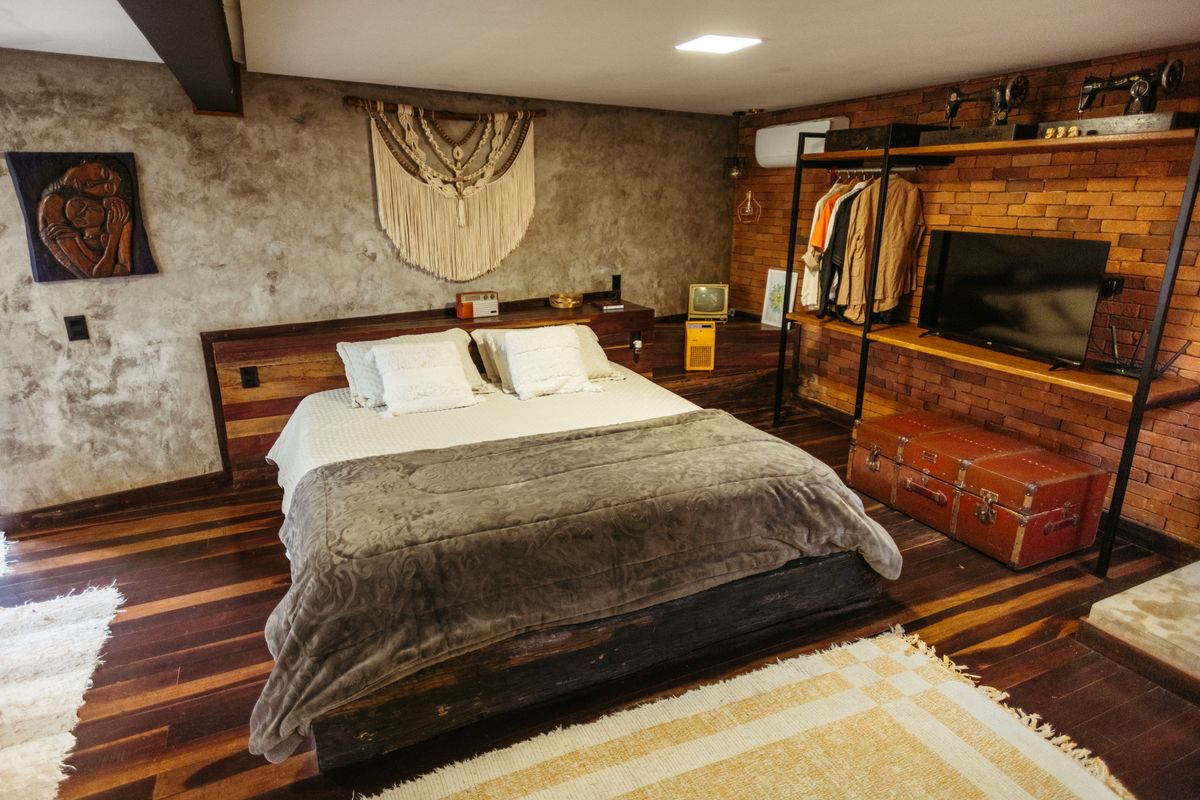
The room was R$340 a night, a converted single at the back of a house off Rua Almirante Alexandrino, walls poured in raw concrete the host had never bothered to plaster over. I assumed that meant an oven by afternoon. It didn't. Concrete that thick takes hours to absorb heat and just as long to give it back, so the room ran a degree or two behind the street outside until well after dark, an old trick dressed up as a design choice.
Storms came through twice that week, both afternoon convective cells that built off the bay heat and blew themselves out inside twenty minutes, standard tropical-highland behavior. The roof held, the window stayed dry on its sill, and my host texted a warning both times, forty minutes ahead, from watching the same cloud tops I was watching. Anyone booking that street should check the elevation over the bay before checking the star rating. The tram noise will be back once repairs finish, and it's worth it anyway.
Domingos Martins, Espírito Santo — Kitchen Light You Could Set a Watch By
Eighteen degrees at seven, the kind of hill-town cool that Rio never gets, mist sitting in the valley below the house until the sun cleared the ridge around eight-fifteen. Domingos Martins runs eight hundred metres above sea level in a state most people know only for its coastline, German and Pomeranian settler stock in these hills keeping the old building sense that comes with a colder climate.
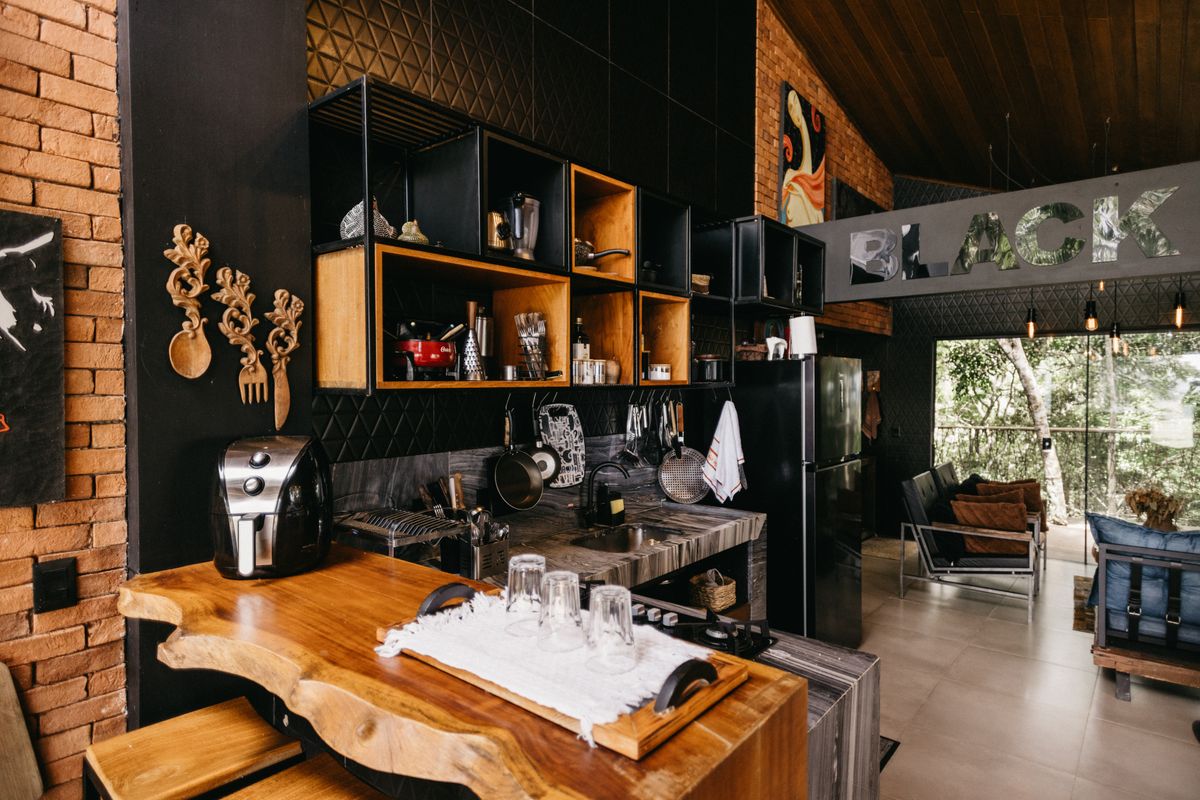
R$260 a night for a wood-frame house with a kitchen window facing due east, which I only understood was deliberate on the second morning, when the light came in low and full onto the table exactly at coffee time and was gone, diffuse and indirect, by ten. Someone sited that window on purpose, for morning light and afternoon shade both, the kind of decision that shows up nowhere in a listing description but everywhere in how a day actually goes.
No storms that week, just valley mist burning off on schedule every morning, closer to a well-calibrated forecast model than a coincidence. A listing photo taken between seven and nine in a hill town is showing you its best hour, not its only one. Ask what the kitchen looks like at three before you book it.
A house sited for its own morning light will always outperform one merely photographed in it.
Dal Lake, Srinagar — a Houseboat That Reads the Wind
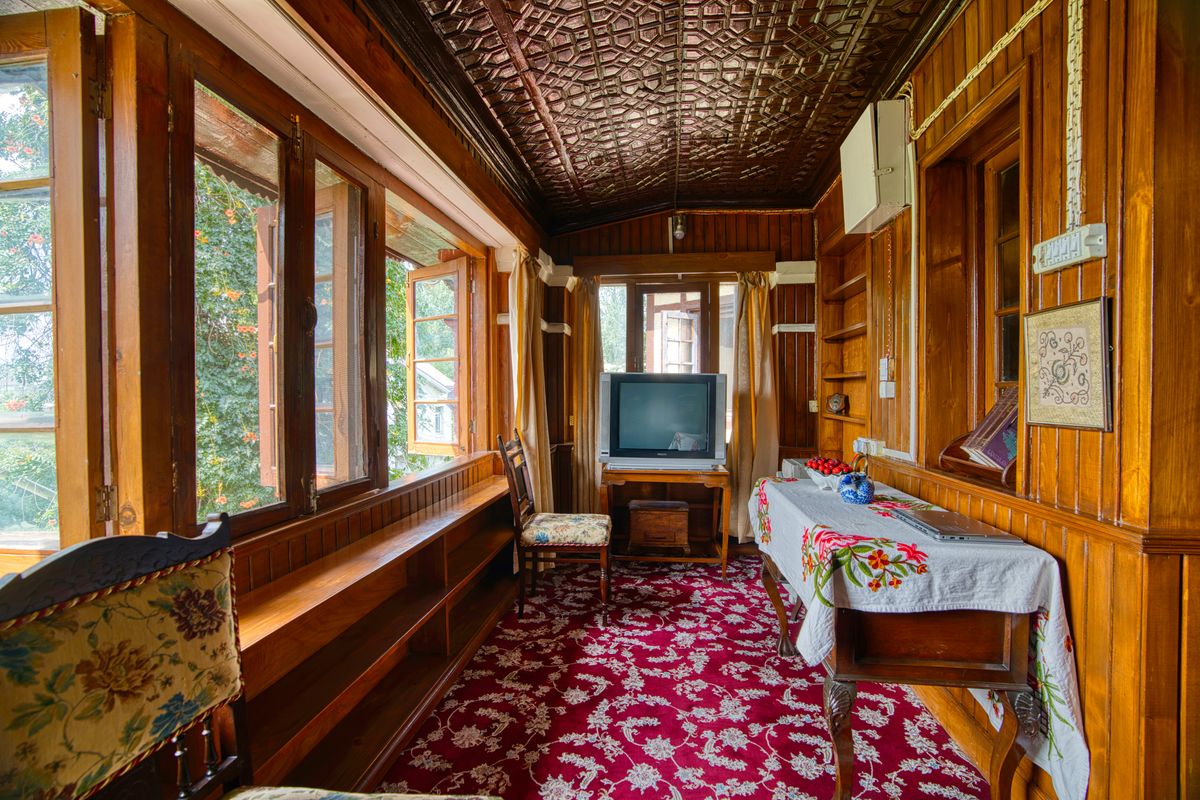
₹4,200 a night. Windows lined up west, straight into the four o'clock breeze.
Thirty-one degrees by midafternoon in early June, still air over the lake until the daily breeze kicked in around four, cedar-scented and a good three degrees cooler than the water side of the boat. Dal Lake runs its own small weather system in summer: still mornings, an afternoon breeze off the temperature difference between water and surrounding hills, gone again by dusk.
₹4,200 a night for a room on a houseboat moored off Ghat 7, a carved walnut khatamband ceiling overhead that the family said took the original builder six months to fit without a single nail. Deodar cedar throughout, which explained the smell and also, I suspect, some of the temperature swing. Cedar's a poor insulator against direct sun, so the boat ran warm at midday and cooled fast the second that breeze arrived, faster than a concrete building would have.
The owner, whose family had moored boats off that ghat for three generations, kept a barometer nailed by the door out of habit older than tourism, tapping it each morning before deciding whether to shift the boat closer to shore. Anyone chasing a houseboat listing should ask which direction the windows face. The ones lined up west catch the breeze and the four-o'clock light both. The ones that don't just catch the heat.
Four nights, four ledgers
Stowe, Vermont — the One I Wouldn't Book Again
Minus six overnight, the tail end of a nor'easter that had dumped forty centimetres on the mountain two days earlier and was still finding new drafts to move through by the time I checked in. Vermont in a system like that separates buildings fast. The ones with real storm windows and dense-pack insulation barely notice. The ones without turn every wall into a second thermostat.
The listing showed a wood stove, a stack of quilts, string lights across exposed beams, $189 a night for what it billed as a converted farmhouse basement suite. What I got was a single overhead fluorescent tube, beige carpet worn thin in a path from door to window, and a space heater the host produced only after I texted twice. The wood stove in the photos, it turned out, belonged to the main house upstairs and had never been anywhere near this room.
Reading a listing photo like a satellite image
Check which direction the windows face. A room lit gold in every single photo was probably shot in its one good hour, not photographed at random.
Look for storm windows or visible double-glazing in wide shots. Single-pane glass with nothing else in frame is a cold-climate red flag.
Search the reviews for words like 'drafty,' 'space heater,' or 'photos didn't match.' Insulation problems rarely get fixed between guests.
If a wood stove or fireplace shows up in the photos, confirm in the written description that it's inside the room you're actually booking, not the main house.
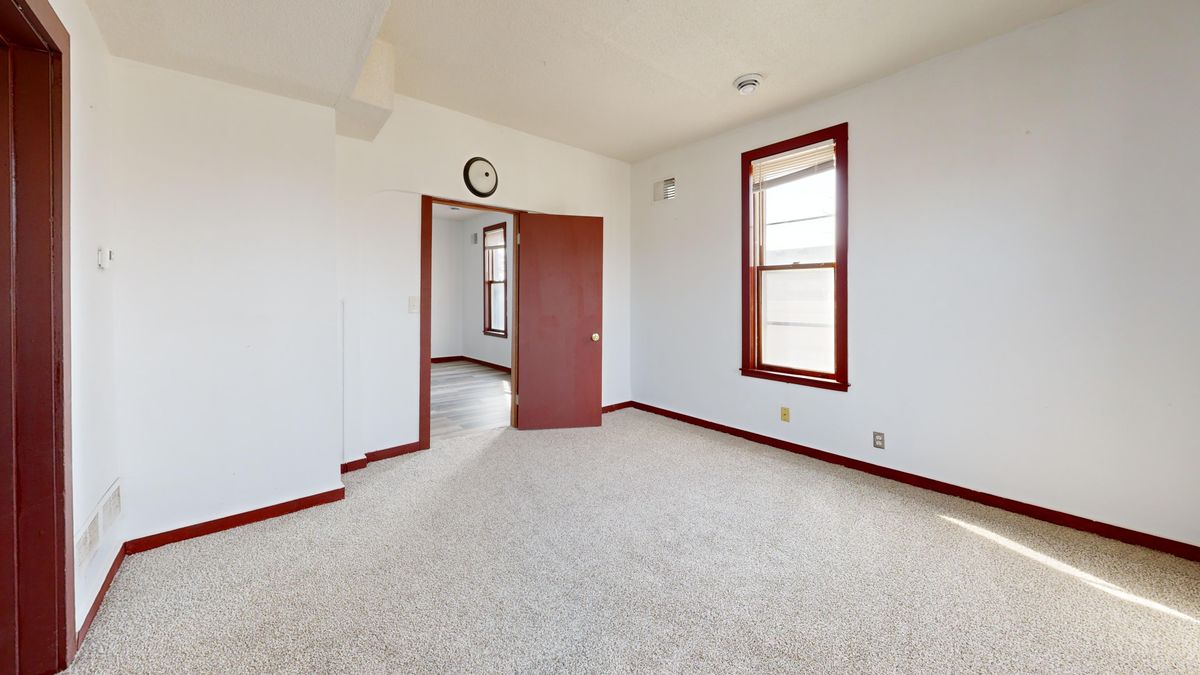
No fireplace glow to check the storm against, so I read the weather off the window instead, frost forming on the inside of the glass by midnight, a fair sign the wall behind it wasn't holding much. I never did work out whether the host photographed a different room by mistake or on purpose. Either way the space heater held the line until the front cleared around dawn, and I left a review instead of a tip. ■