Underwriting the Long-Haul Meal Tray

Rate an unfamiliar long-haul route for a genuinely edible meal past hour six, and I would underwrite it at even odds, fifty percent, until I actually check who is flying the metal. That is the whole discipline of my job: never price the base rate when you can pull the claims history instead. Four sectors this year gave me a claims history worth writing down.
I flew Singapore Airlines from Helsinki to Singapore in February, ANA from Helsinki to Tokyo in April by way of Munich, American Airlines from Chicago to Helsinki in May on the way home from a conference, and Norse Atlantic from Oslo to New York in June, booked because the fare undercut anything with a hot meal attached by roughly two hundred euros. Four underwriting philosophies, four different trays under four different sheets of foil.
The Reliable Carriers
Call the odds of a genuinely good hot meal on Singapore Airlines ninety percent, and I am being conservative. The airline runs a pre-order program called Book the Cook on its long-haul routes, though it's reserved for Premium Economy and up, not the cabin I was pricing. Economy still gets a real choice off the cart, and mine came down to a Singaporean laksa or a Western chicken dish. I took the laksa and got an actual laksa, not a beige negotiation between chicken and pasta.
ANA ran the same discipline on the Tokyo route with less marketing behind it. A hot towel arrived before the tray did, the choice was a genuine one between a Japanese-style set and a Western one, and a second hot drink service showed up unprompted, the kind of thing most carriers now treat as a rounding error. Neither flight left me hungry before landing, and neither airline charged extra for the second drink. In underwriting terms, that is a low loss ratio: full fare collected, something close to full value paid out.
I underwrite the reliable carriers at 9 out of 10. Premium worth paying, and I would renew the policy without shopping the market first.
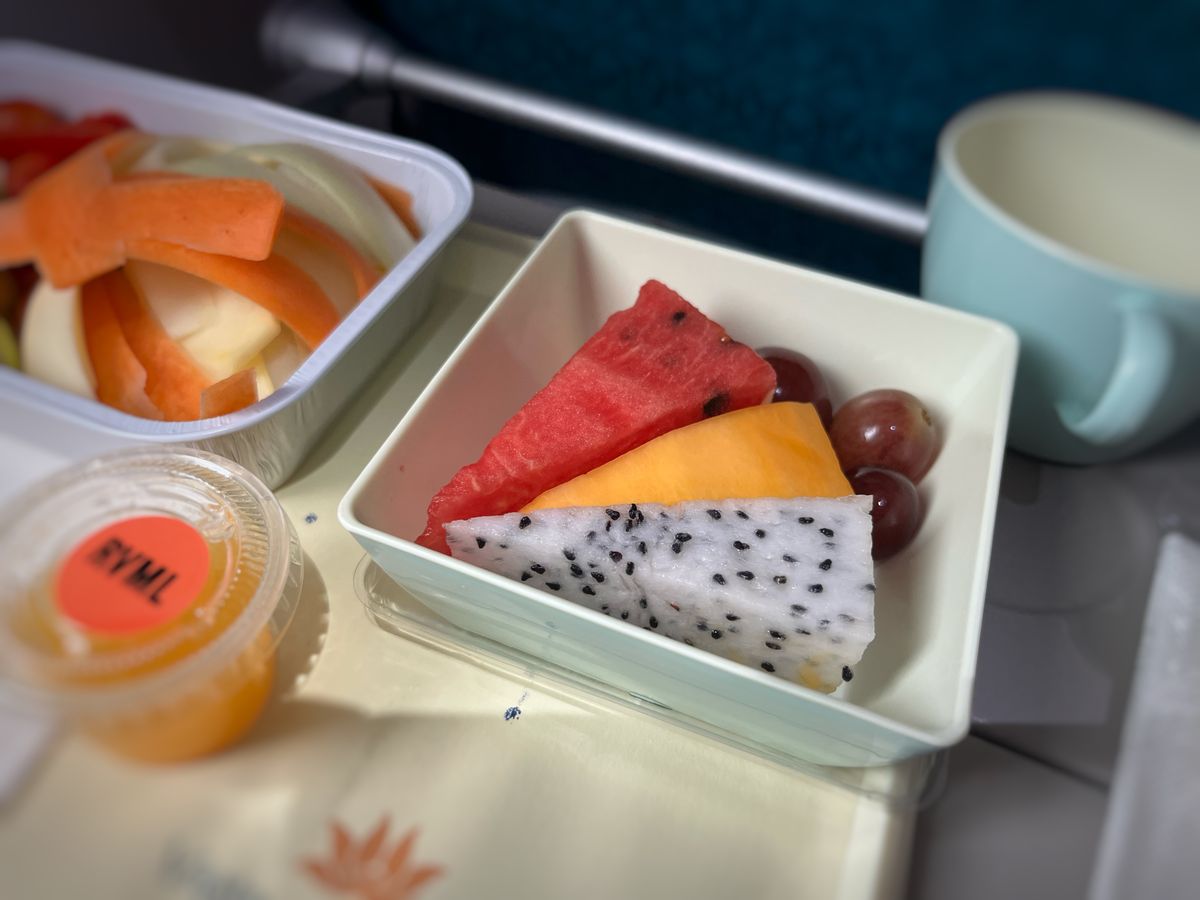
Loss ratio: what a full fare buys, versus what lands on your tray.
The Cost-Cutters
Put the odds of a hot meal on a seven-hour American transatlantic sector at one in three now, and falling. My Chicago-to-Helsinki flight in May served a single tray about ninety minutes after takeoff, no second service before a nine-hour descent into a Finnish morning, and the choice was a cold wrap or a smaller cold wrap. United and Delta have made comparable cuts on similar-length routes. The full hot dinner still survives on the longest sectors and in premium cabins, but the shorter long-haul routes increasingly get a snack box or a single smaller meal instead of the two-service standard that used to be the industry floor.
None of this is a scandal so much as a pricing decision, the same kind I make every renewal season. Catering costs rose, fuel costs rose, and somewhere a revenue team decided the marginal economy passenger would not switch airlines over a missing bread roll. They were probably right about that. I switched anyway, eventually, on the return leg.
Call it 4 out of 10. Not a bad airline, a bad food policy, and those are different risks with different premiums.
Underwriter's notes
Check the aircraft and route length before the airline name. The same carrier can serve a full dinner on a 13-hour sector and a snack box on a 7-hour one.
Pre-order where it exists. Singapore Airlines' Book the Cook locks in your actual meal instead of the leftover choice by row forty.
On any budget long-haul carrier, assume the base fare buys the seat only. Price the meal separately before comparing fares head to head.
The Buy-On-Board Model
Assume zero percent chance of a free meal on Norse Atlantic and you will never be disappointed, only occasionally pleased at the price. The basic fare from Oslo to New York bought a seat and nothing past it. Every item on the cabin crew's cart, food included, carried a card-reader price tag, the same buy-on-board model used across the budget long-haul segment on carriers like Scoot.
Norse Atlantic, Oslo to New York: what the tray actually cost
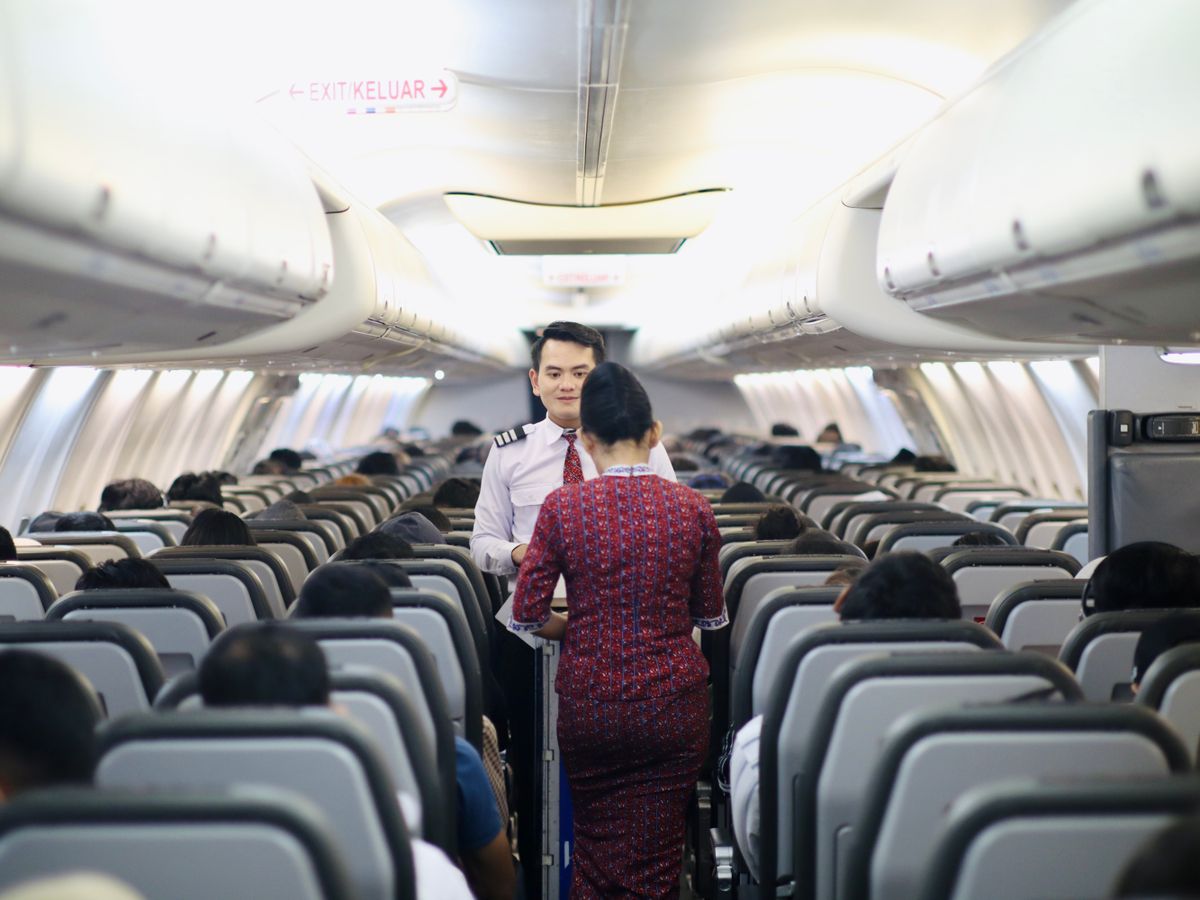
I ordered a hot meal, a coffee, and a small bottle of wine somewhere over Greenland, mostly out of curiosity about what eight hours of transatlantic buy-on-board actually costs a passenger who wants to eat. What arrived was ordinary rather than bad, closer to an airport kiosk than an insult. The bill is the real underwriting exercise here.
I underwrite the buy-on-board model at 3 out of 10 for the food itself, though the fare that got me onto the plane was a policy worth buying on its own terms. Thirty-one dollars for one meal, one coffee, and one glass of wine is not a loss I would carry twice in a week. Next time I bring a sandwich from the terminal and let Norse Atlantic keep the seat pitch honest instead. ■