Eight Thousand Years of Skin Contact
A Georgian qvevri winemaker drives Kakheti's cellar route to judge how much skin contact everyone else is actually giving their wine.
Crush
Twenty degrees in the must and rising, the kind of reading that means the yeast woke up before anyone rang a bell for it. I drove down from my own village into the Alazani Valley in the last week of September, past Telavi, to see how the rest of Kakheti treats a grape it didn't grow for me.
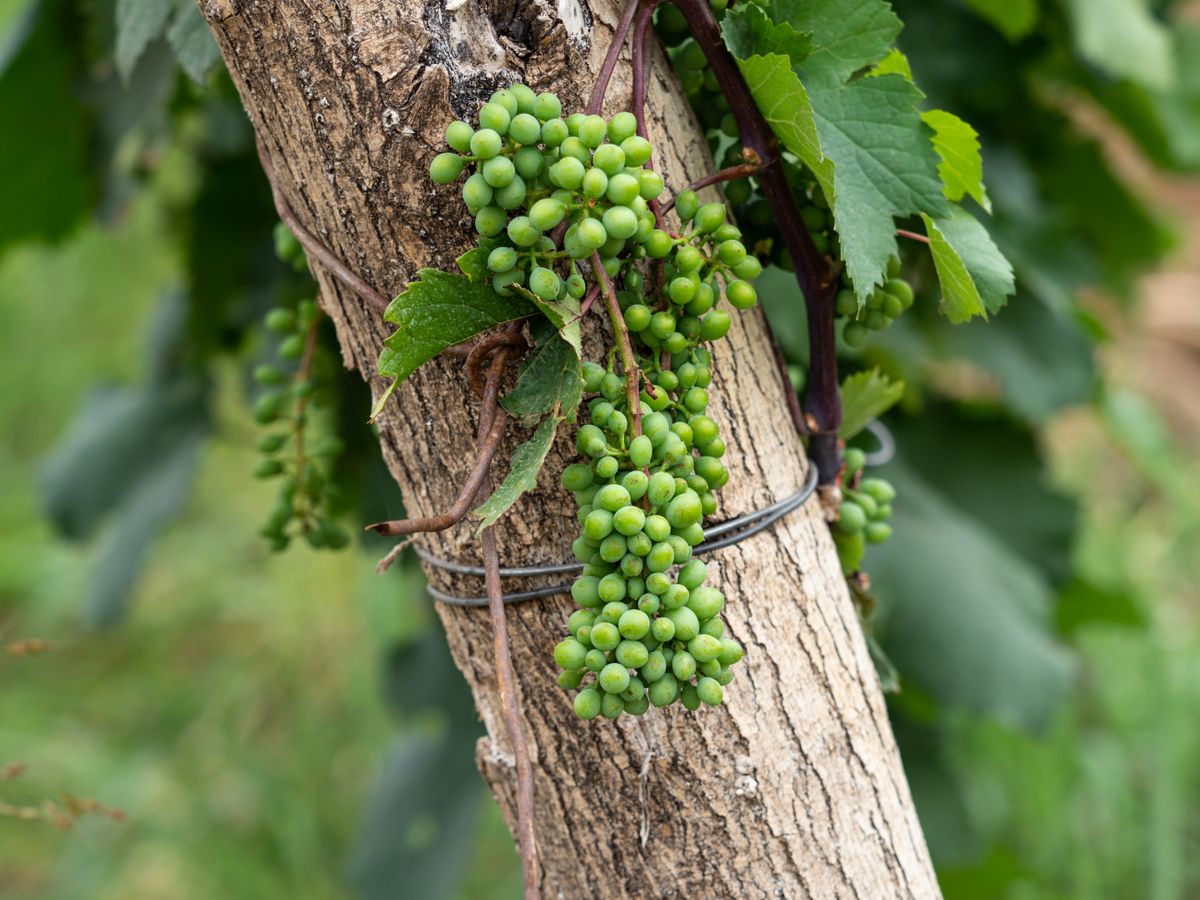
Rkatsiteli came off the vines first, pale green clusters heavy enough to bend the support wire, and the pickers moved through the rows the way people move when they've done this since childhood: no wasted motion, no debate about when to stop. A family working the next block over let me stand at their crusher for an hour and find nothing to complain about, which from one winemaker to another is close to a compliment.
Some of what came through that morning was hand-sorted on tables before it ever touched a crusher, stems picked out one cluster at a time. Other lots went in whole, stems included, because the family running that press trusts tannin from stems as much as tannin from skins. Both looked confident. Neither looked wrong yet, though I have opinions I mostly kept to myself.
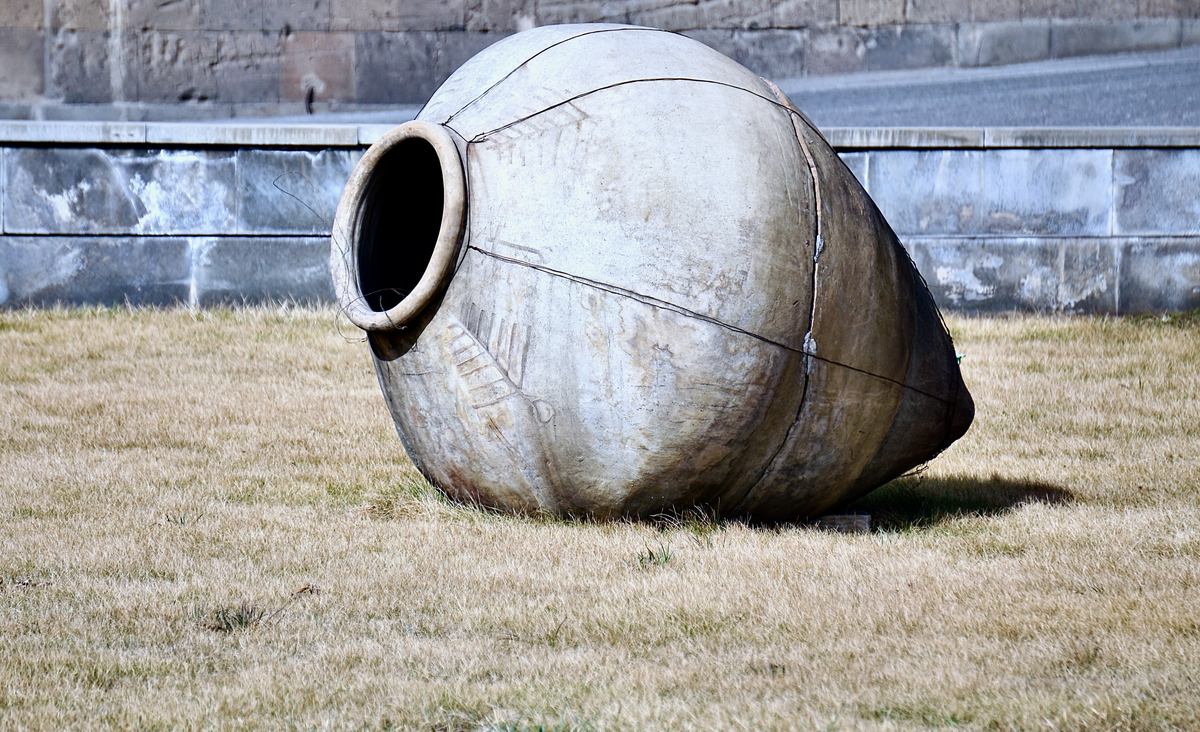
Georgians have been fermenting this way for something like eight thousand years, a number that sounds invented by a tourism office until you stand in a vineyard where nobody bothers repeating it. Qvevri winemaking, the buried clay vessels and everything that happens inside them, went onto UNESCO's list of intangible cultural heritage in 2013. Nobody at the crusher mentioned that either. They were watching sugar levels, same as I would have been.
By the time the first crusher stopped for lunch, three separate vats of must were already running warmer on day one than mine ever does. A fast start isn't the same as a good one. Ask me again in three weeks, once the skins have had time to argue with the juice.
Skin Contact, Then Burial
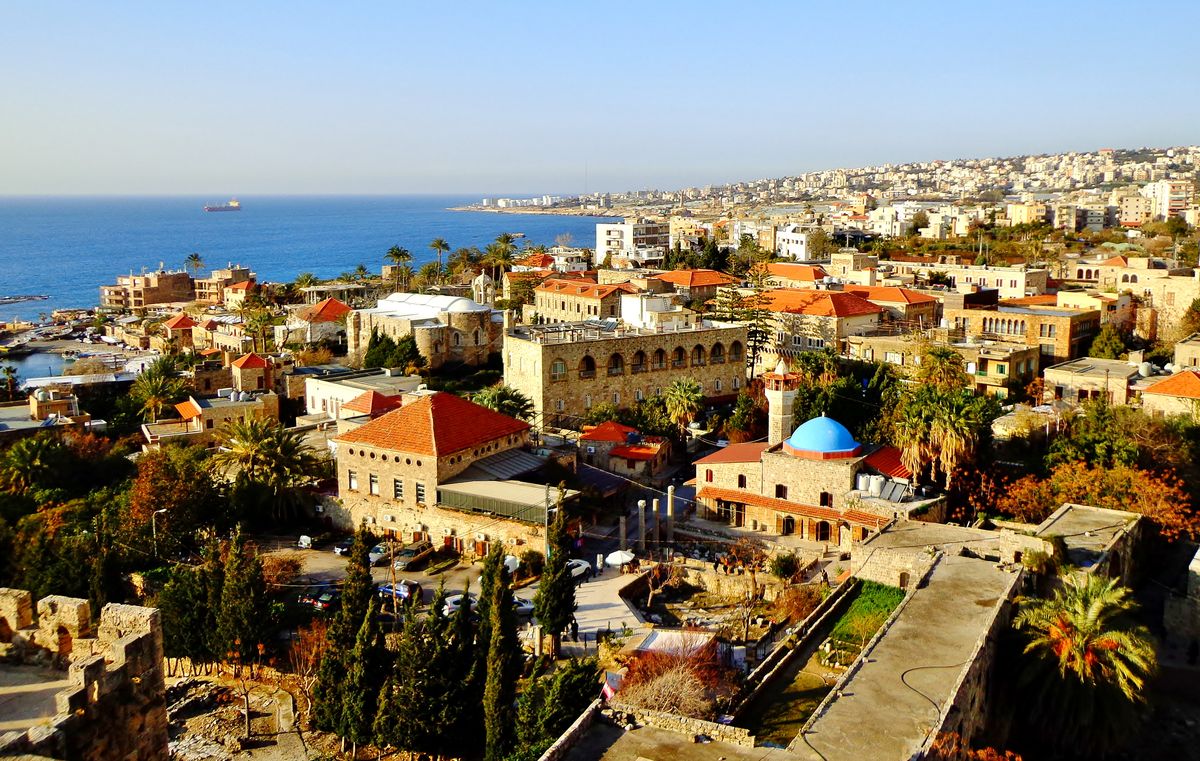
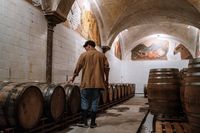
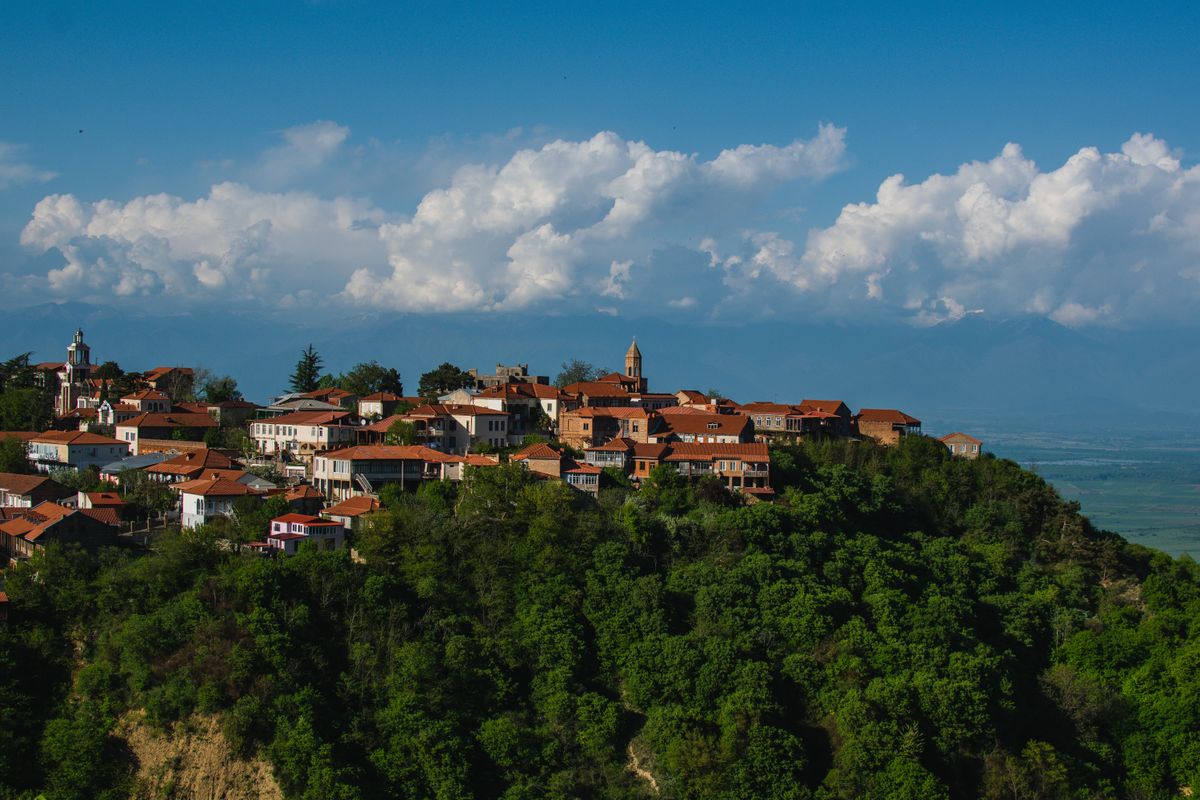
The cellar under Sighnaghi's town center held a flat twelve degrees before I even asked, the temperature a qvevri wants and rarely gets inside a building with a door on it. The town sits on a ridge above the Alazani Valley, close enough to the Caucasus that on a clear afternoon the peaks look painted onto the sky behind the red tile roofs.
Down the hill from the main square, past the old fortress wall and the road out toward Bodbe Monastery, the town narrows into lanes barely wide enough for one car. Every third doorway seemed to lead to a cellar instead of a house, which in Sighnaghi may amount to the same thing.
Half the ground floor rooms in that old town turn into tasting rooms without much signage, poured by the glass, which is not how most of Georgia sells wine to a stranger. I worked through four of them in one afternoon and read the same story in different handwriting: skins left on the juice anywhere from a few weeks to six months, buried the whole time, everyone convinced their own number is the correct one.
Out past the ridge, in the village of Tibaani, Pheasant's Tears has been doing this since 2007, when an American painter named John Wurdeman and a Georgian winemaker named Gela Patalishvili decided the rest of the world should taste what skin contact does to a white grape. Every wine they make still ferments underground in qvevri, no exceptions, which is either stubbornness or the entire point, depending which of us you ask. Most people who credit anyone with putting amber wine on tables outside Georgia credit them first.
Not every cellar earns that patience. One pour on my fourth stop had the color of amber wine and the extraction of nothing much, three weeks on the skins at most, bottled and poured to strangers as the genuine article. Not finished. Barely started, if I'm honest about it.
Here, skin contact is just how long you're willing to wait before calling it wine.
— Nino Beridze, cellar notes
Unearthing
Whatever they'd unearthed that morning smelled like bread crust and wet stone, the particular smell of a qvevri that's stayed closed since spring. I ended the route back in Sighnaghi, at a cellar small enough that the owner poured for me herself.
She set three glasses on a wooden tray without asking what I wanted: one amber, two red, the local method of teaching a stranger the difference by making him compare instead of listening to an explanation. The middle glass held the color a white grape gets when nobody rushes it off its skins, somewhere between apricot and old brass.
winemaker's notes
Sighnaghi's cellars pour amber, rose, and red by the glass, so you can compare skin contact side by side before committing to a bottle.
Ask how long a wine sat on its skins before asking how it tastes. That number tells you more than the label does.
Pheasant's Tears in Tibaani ferments everything in buried qvevri, worth the short trip out from Sighnaghi if you want to see the vessels, not just the glass.
Qvevri winemaking joined UNESCO's intangible heritage list in 2013. The person pouring your glass usually won't bring it up first.
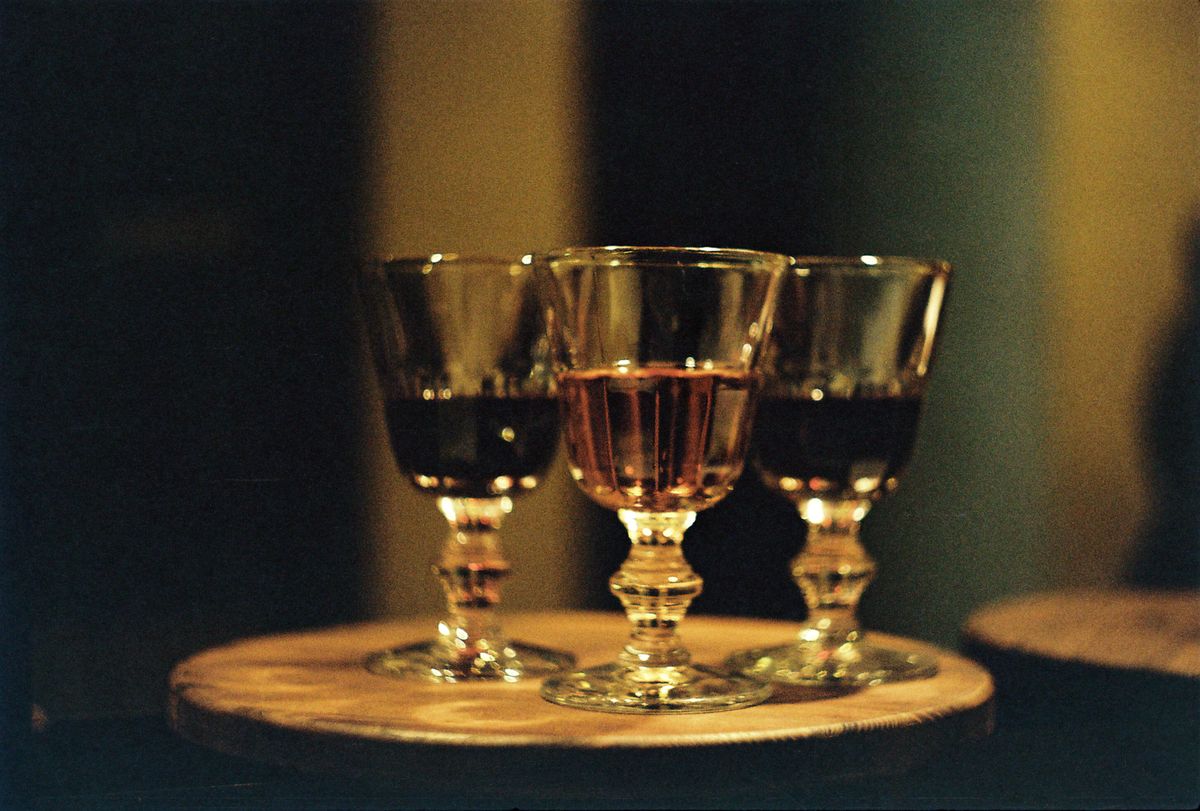
Amber wine is just white wine treated like red: left on its skins instead of pressed off them fast, picking up tannin and color the way a red does from contact with grape skins rather than clear juice. The glass in the middle had a structure no quick-pressed white ever gets. Whoever unearthed that particular qvevri let it sit long enough for it to mean something.
I didn't find a cellar in Kakheti that ferments worse than my own. I also hadn't expected to. What I found were four or five different ways of trusting the same clay, most of them patient in ways I recognized and one of them not patient enough. I drove home with an empty water bottle full of someone else's saperavi and no plans to tell him it needed another month. ■