Underwriting the Airbnb: Three Stays, Three Ratings
An actuary rates three short term rentals like insurance policies, and lets one lapse.

I keep a mental loss ratio on every short term rental before I have even unlocked the door: what I paid, against what the listing actually delivers once I am standing in the room. Three stays this year moved that number in three different directions, and only one of them broke the policy.
Structural and Fire Risk
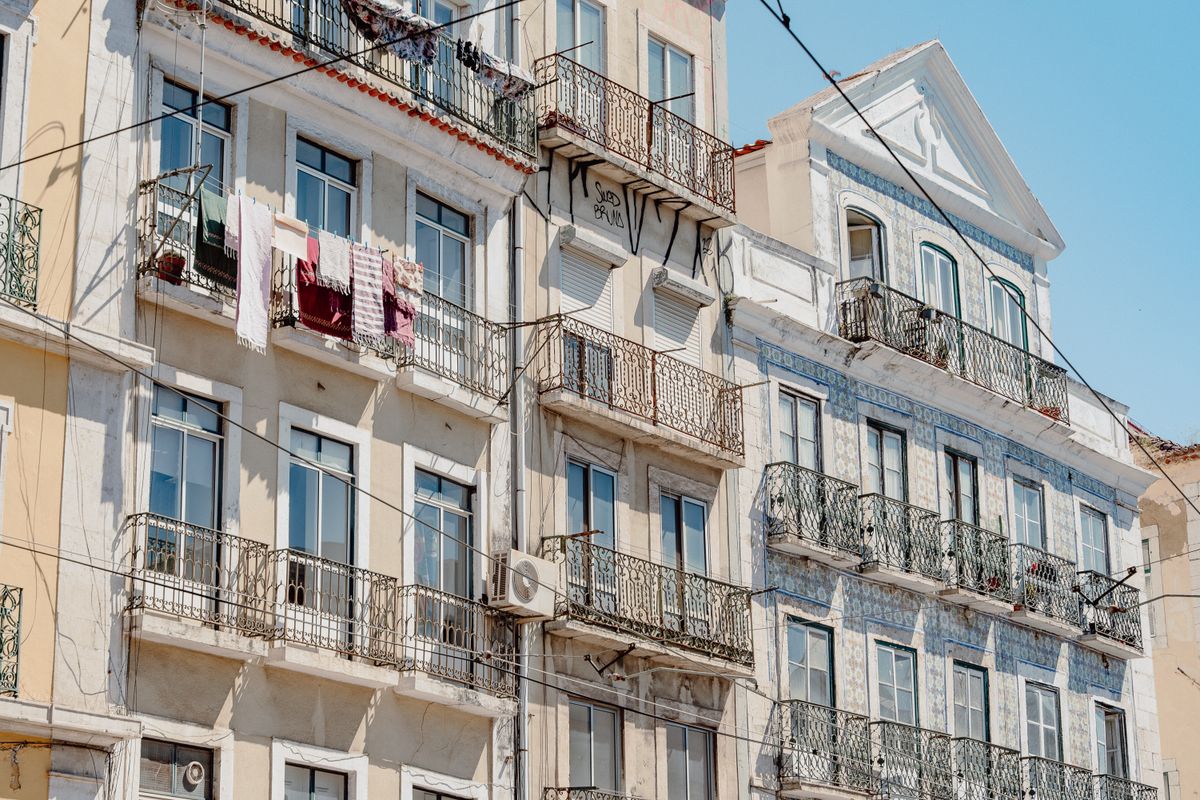
I underwrite an unfamiliar prewar stairwell at even odds of hiding at least one fire code violation, until I have actually climbed it. A pretty tiled facade tells you nothing on its own. Peeling grout and a rewired panel can sit behind the same exterior, and from the street you cannot tell which building you are walking into.
This one, six flights up a narrow marble stair in central Lisbon, priced itself correctly. Someone had mounted an extinguisher at every second landing, the exit signage was lit and not just decorative, and the electrical panel in the entry hall looked recently replaced rather than merely painted over. The wrought iron balconies outside my window were original, rust spotted in the right places for their age but structurally sound, no give in the railing when I leaned on it, which I always test.
A building that spends money on wiring and extinguishers instead of just fresh paint is telling you something about how it prices its own risk, usually because the landlord has been burned once already, likely not literally. I underwrite this stay at 9 out of 10. Premium worth paying, and I would renew without shopping the block next door first.
Environmental and Isolation Risk
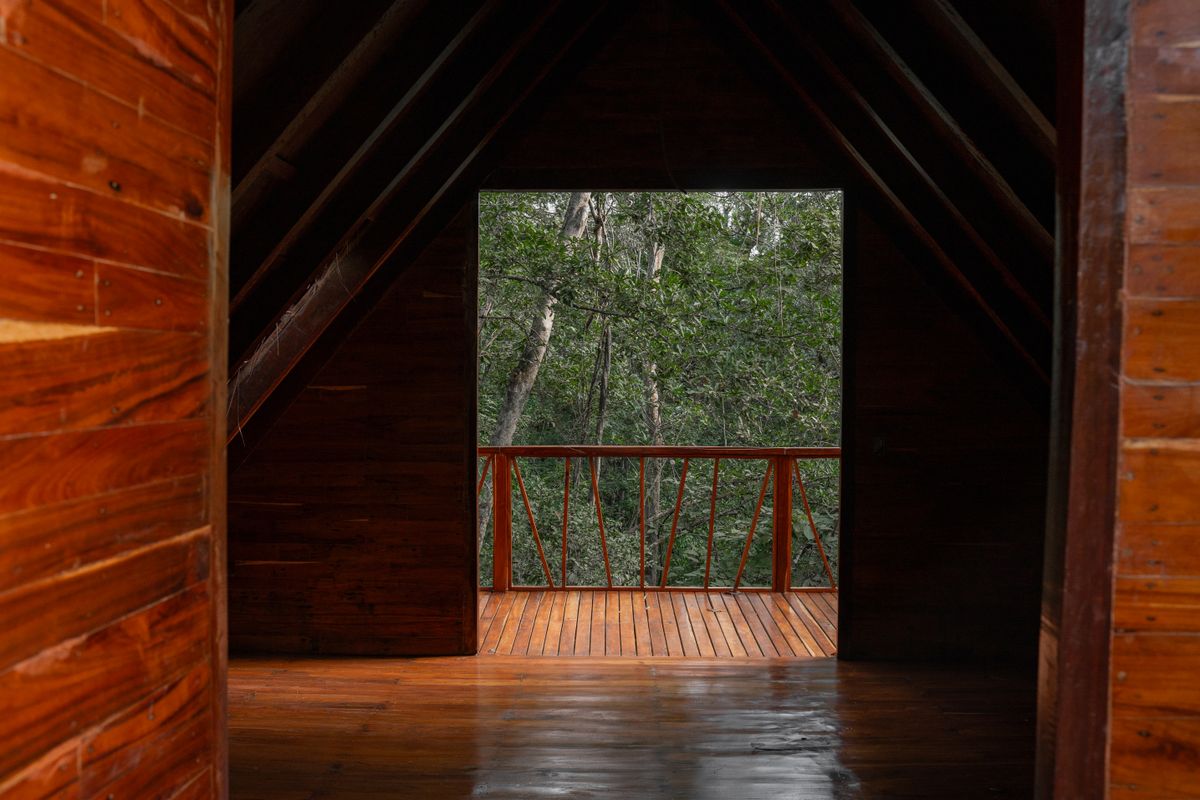
Put a wooden cabin forty minutes past the last paved road, inside a rainforest that floods its own trails twice a day, and I put the odds of some kind of access delay during a three night stay at roughly one in four. Not a claim, a delay: a washed out bridge, a generator that needs coaxing, an hour added to what should have been a short transfer.
The cabin earned its odds back the moment I stepped onto the private balcony. It was built the way an actuary wants a structure like this built: elevated well above the flood line, hard local wood that shrugs off humidity instead of a softer import that would swell and stick within a season, screened rather than glassed so the canopy noise comes in but the insects mostly do not. The balcony opened directly onto the tree line, close enough that a troop of howler monkeys moved through it on the second morning without ever coming down to investigate the coffee.
Rain came through hard on the second night, hard enough to test the roofline, and nothing leaked, nothing swayed that should not have. I underwrite this stay at 8 out of 10, the two points held back for a claim I did not personally file but could see the shape of: a slower emergency response than I would want if someone on the property actually got hurt. Premium worth paying, with the deductible clearly disclosed rather than hidden in the fine print.
underwriter's notes
Download offline maps before the paved road ends; the signal does not follow you into the canopy.
Carry small cash for the shuttle and the guide, the nearest card machine is a real drive away.
Pack a headlamp you trust, the property generator is honest about its own limits after dark.
Closed shoes on the trail, not sandals; the mud does not care how careful you are.
Misrepresentation and Nuisance Risk
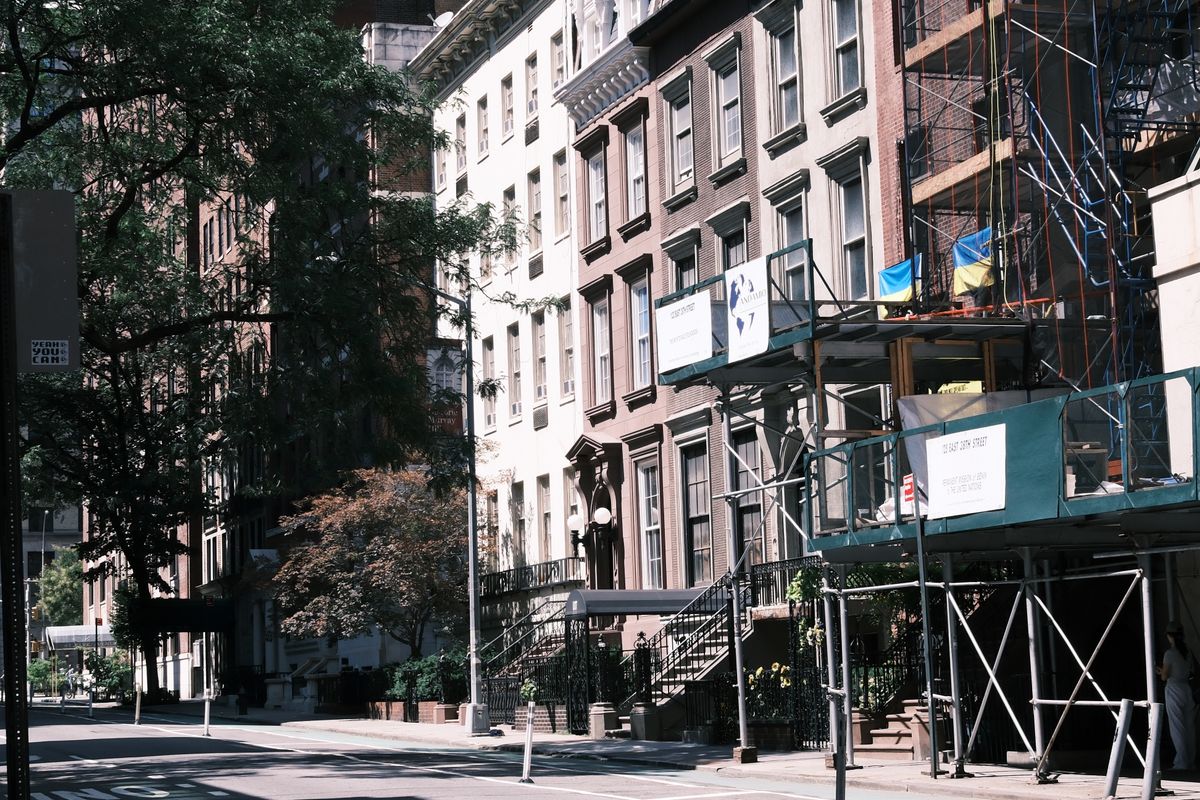
I put the odds of a booked view surviving unchanged from the listing photos to the actual stay at no better than four in five, in any city old enough to keep renovating itself, and I should have priced this one closer to the truth. The photographs showed a clean brownstone street, tree cover, the kind of light that sells a listing in the first three images.
Scaffolding had gone up on the building next door roughly a week before we arrived, a full sidewalk shed, netting across what had been the view, and a demolition crew running from eight in the morning most days. None of that was in the listing, and the photographs were clearly shot before the permit went up, not doctored exactly, just no longer true. The host, when I raised it, said the work had only just started and that they had not thought to update the listing, which may even have been honest.
Loss ratio: what the photographs promised against what the scaffolding actually delivered.
A view is not a guaranteed asset, I know that, weather and season and time of day all move it. An undisclosed, already permitted construction project next door is a different category of risk entirely, a known liability the host chose not to price into the listing. I underwrite this stay at 3 out of 10. Premium not worth paying twice, and I would not renew the policy even at a discount.
Add the three together and the book still comes out ahead: two policies I would renew without a second look, one I am letting lapse. That is a better loss ratio than most years give you, actuarial or otherwise, and it is the only kind of travel review I know how to write with a straight face. The Lisbon stairwell and the Costa Rica balcony both priced their own risk honestly, which is rarer than it should be. The brownstone priced someone else's noise into my week and called it a view. ■