Two Hundred Palenques and a Nose That Won't Be Fooled
In Santiago Matatlán, a street cook follows agave from the coa to the copper still and rates every palenque like she'd rate a customer's plate.

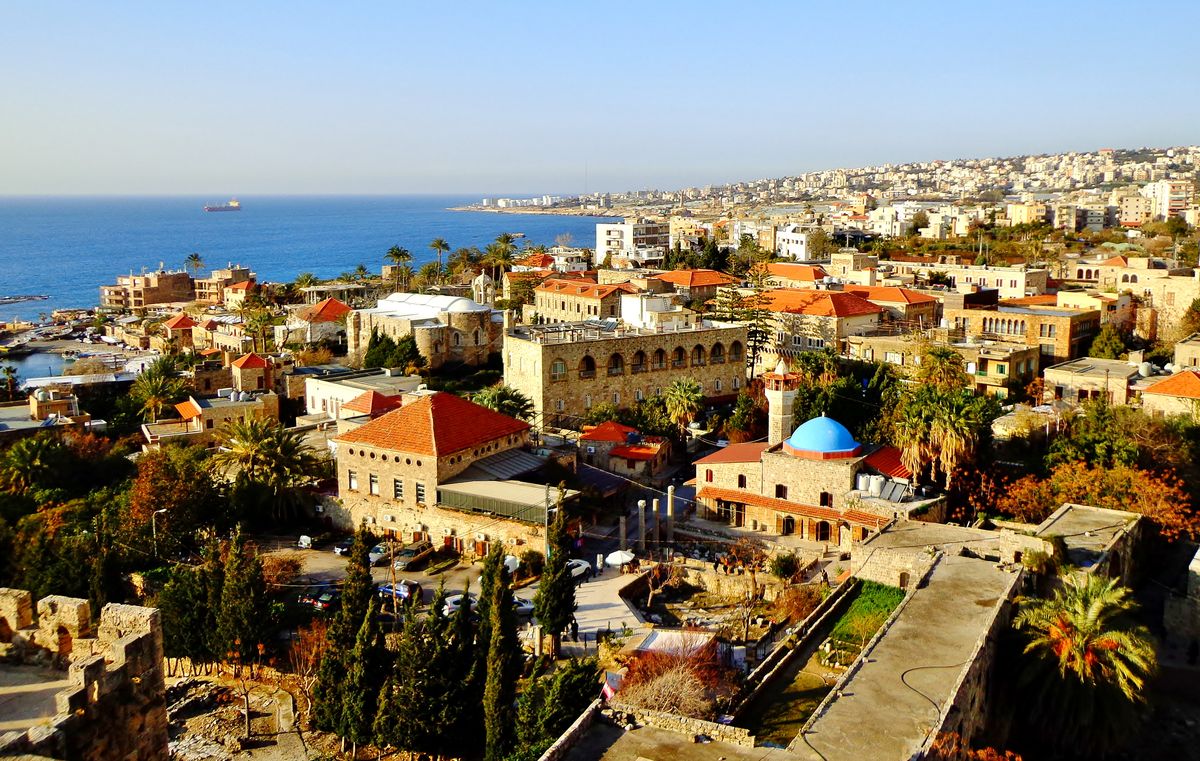
Smoke got into my hair before I even saw the pit. Not the sweet smoke off my charcoal grill back home, but something dirtier, more mineral, like someone had thrown wet earth on a fire and dared it to keep burning. That was Santiago Matatlán to me before it was anything else: a town that smells of roasted agave from one end to the other, out past Oaxaca city where they call themselves the world capital of mezcal and have more than two hundred small family palenques to back the claim up.
My cart has one burner and a char pit no bigger than a rice pot, and it's fed me for decades on the theory that heat plus patience beats a fancy recipe every time. I came to the Tlacolula district to see if a whole town runs on the same theory, just scaled up and set on fire underground.
The Cut Before the Char
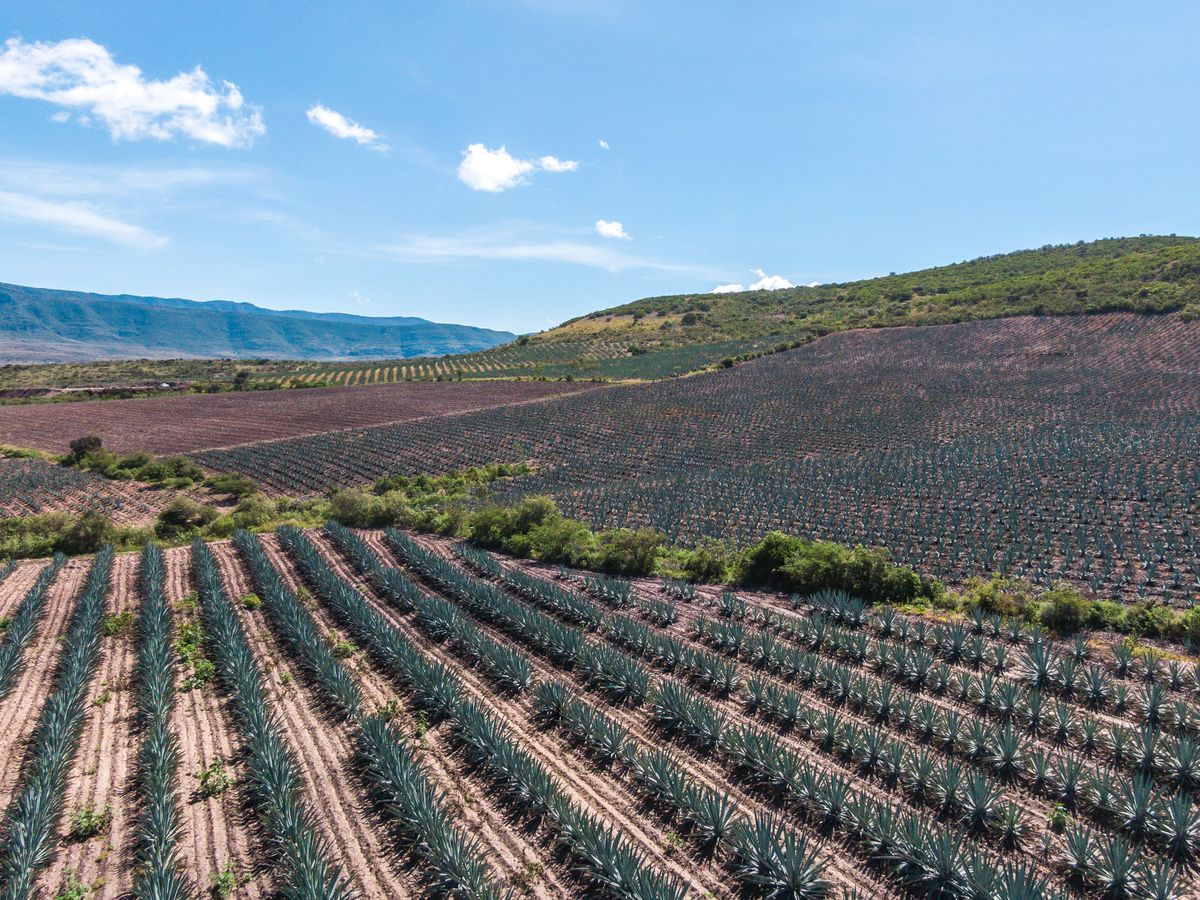
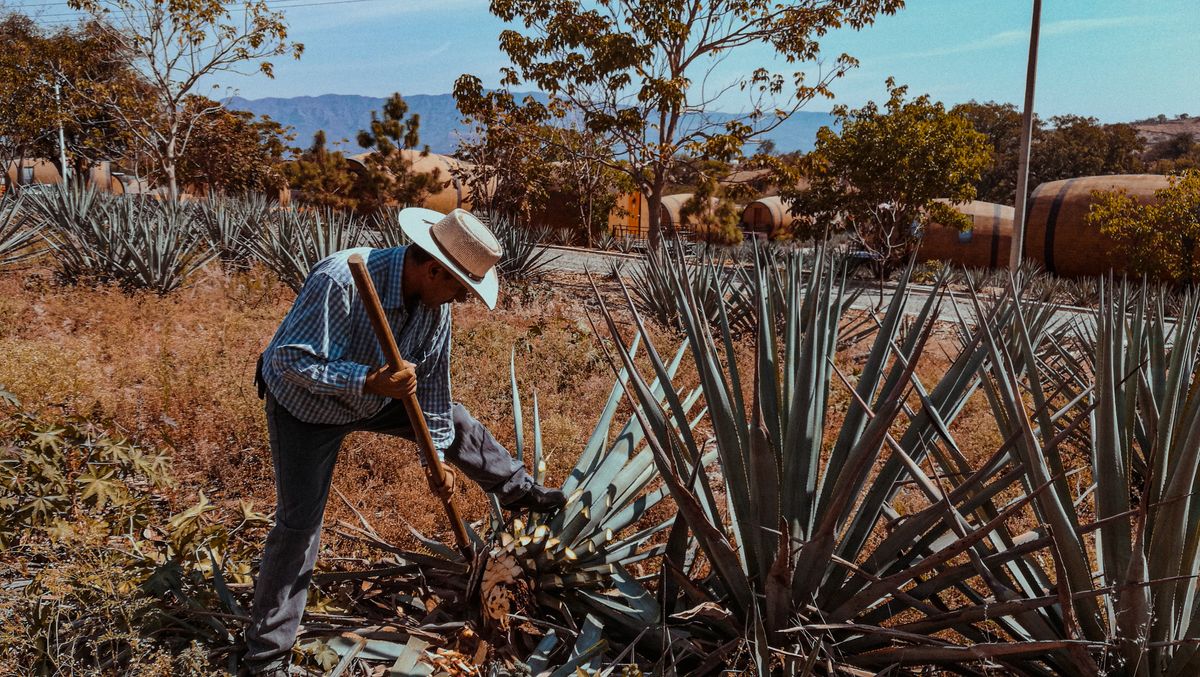
Espadín is the workhorse agave around here, the way water spinach is mine: not glamorous, but you build a business on it because it's reliable and it's everywhere. A jimador works the rows with a coa, a blade on a long pole, trimming the spiny leaves off the plant down to its heart, the piña. He doesn't hack. He turns it in his hand and cuts close, the way I trim a chicken so there's no waste left clinging to the bone.
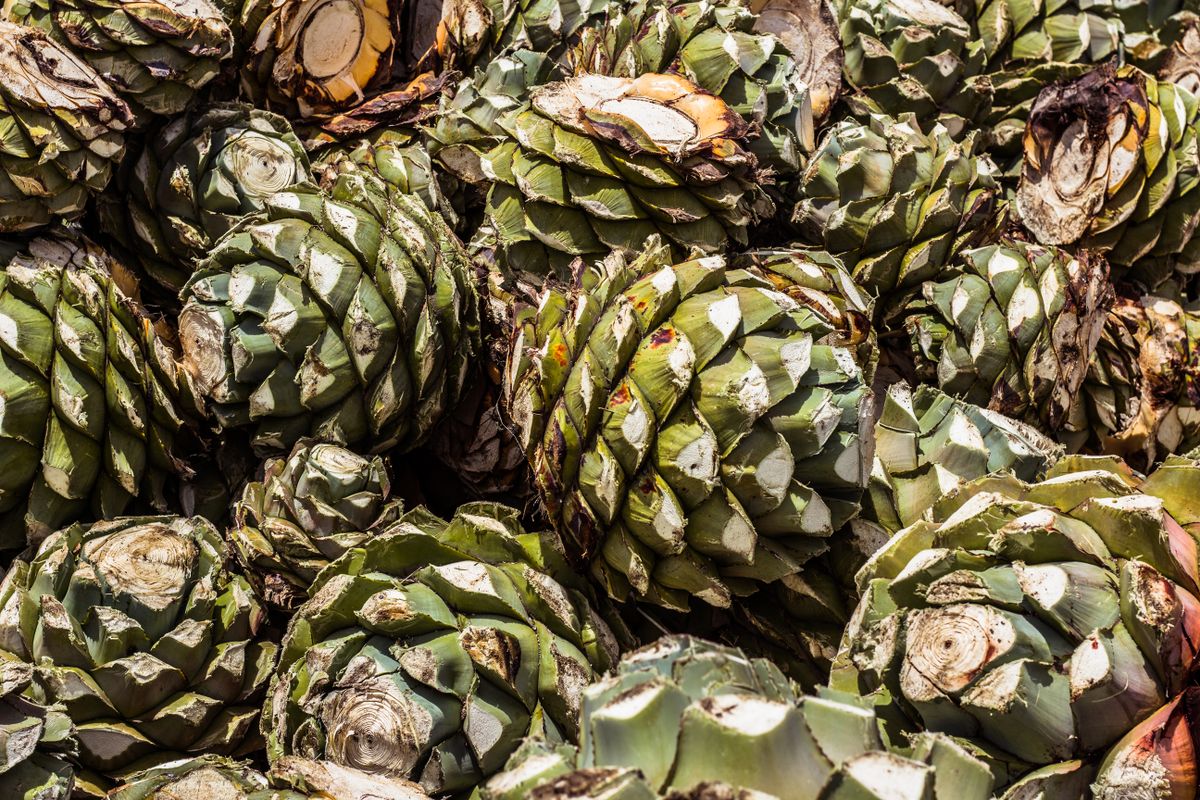
The piñas go into a pit dug straight into the ground, lined with volcanic stone and stacked with wood that's left to burn down to coals before the agave ever touches it. That's the whole trick, and the whole difference from tequila, which never sees an open flame like this. My grill does something similar in miniature: I let the coals go grey before the meat goes on, because flame chars the outside and leaves the inside raw, while coals cook it through. Whoever dug this pit learned the same lesson at a much bigger scale.
Watching a jimador work a coa is the closest thing to good kitchen prep I've seen out here: clean cuts, no wasted motion, the kind of discipline a cook respects even in a language she doesn't speak. Eight out of ten, and I'm only holding back the other two because I never got to taste a piña raw before it went into the ground.
The Wheel, Then the Waiting
Crushed agave smells sweeter than roasted agave, more like burnt sugar than the mineral hit of the pit, and that's the first sign of how much changes between chapters here. Some palenques still crush with a tahona, a stone wheel the size of a cart wagon turning in a circular stone pit, more often pulled by a mule than a horse when I asked around Matatlán. The mule doesn't hurry. Neither does the man walking behind it.
The crushed fiber and juice go into open wooden vats to ferment on wild yeast, nothing added, nothing measured out of a packet. I let broth for the cart sit overnight at most, because I'm feeding people the next morning and can't afford to wait on nature's schedule. These vats wait days, sometimes longer depending on the weather, and nobody rushes it by adding anything to speed things along. That's a patience I don't have in my own business and won't pretend I do.
The ferment is where I'd fail if I tried to run a palenque instead of a cart, because everything in me wants to check it, stir it, rush it along. Seven out of ten for the tahona wheel alone, docked for nothing except that I wanted to put my hand in the vat and nobody would let me.
Mine needs a burner and a clock. Theirs needs a mule, a stone wheel, and the nerve to wait.
Copper, Clay, and the Glass in Front of Me
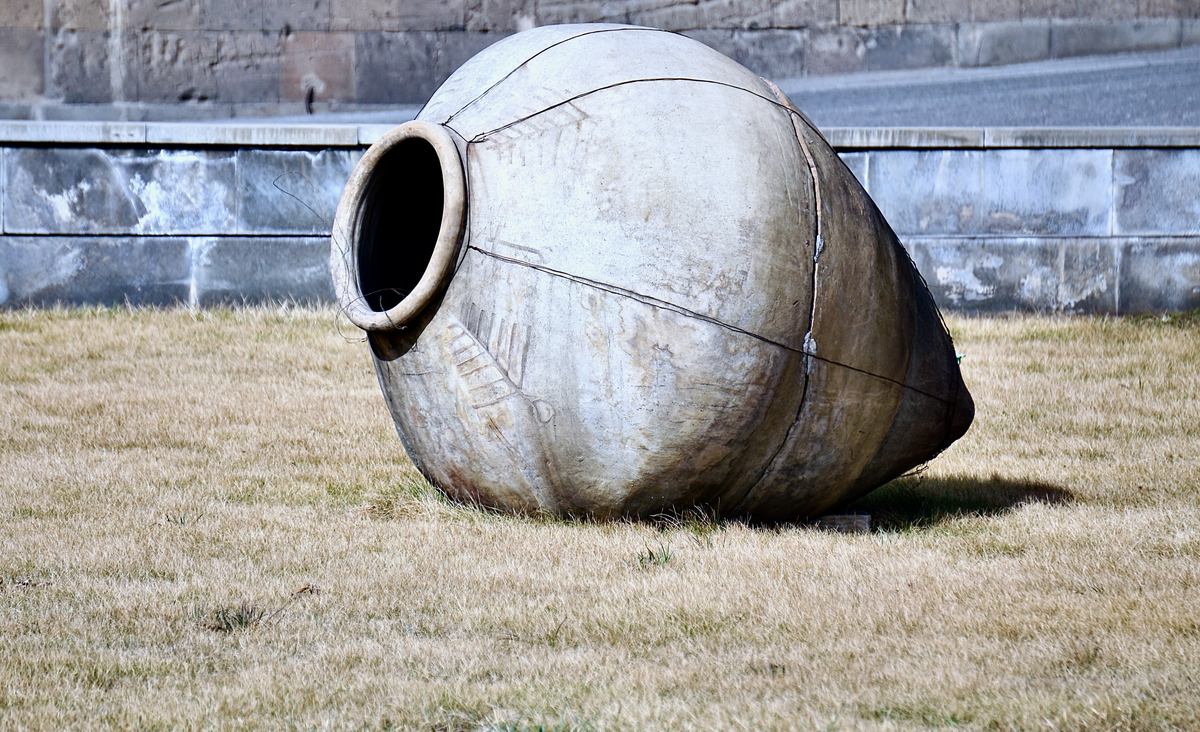
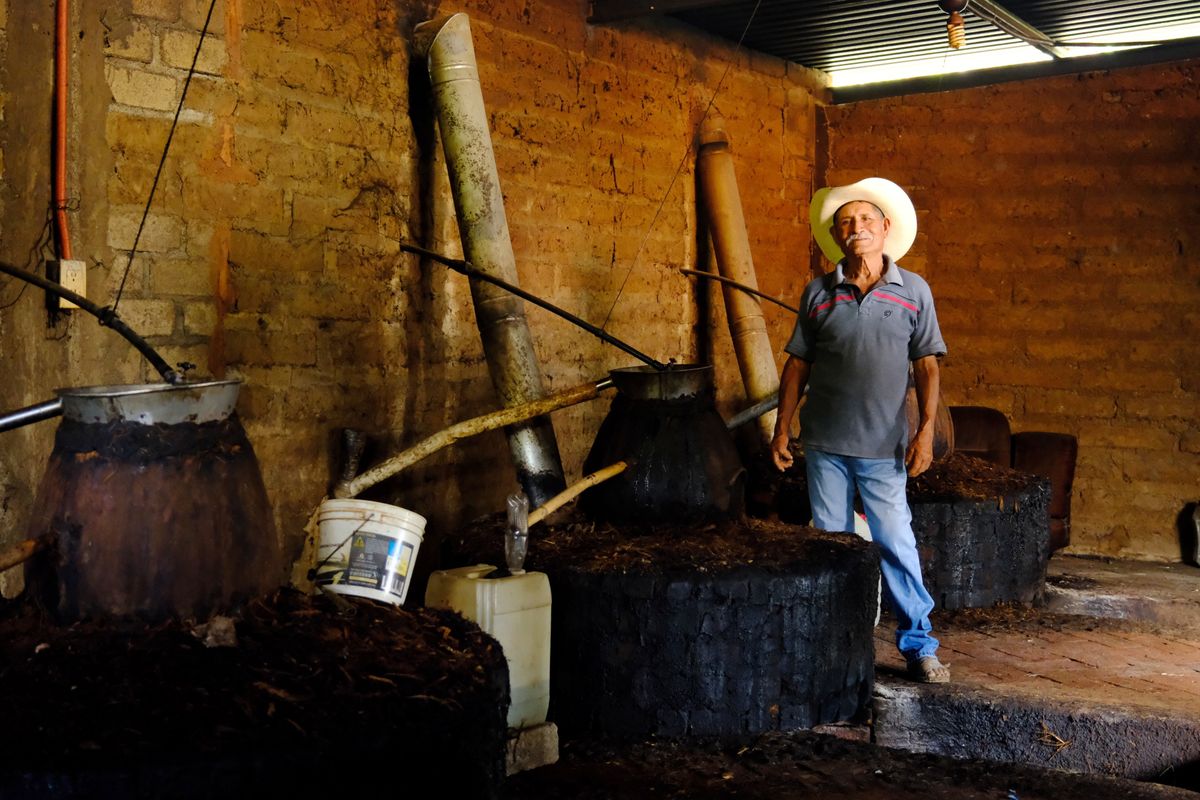
Double distillation is the rule at every palenque I stopped at: the raw ferment run through once for strength and again for character, the same logic as reducing a broth twice to lose what you don't want and keep what you do. Most stills here are copper pots, though I saw a couple of ollas de barro, clay stills, still working a batch the old way, and the man tending one told me clay holds heat differently than metal. I believe him. Clay pots do the same thing to my broth overnight, holding warmth longer after the burner's off than any metal pot I've owned.
What a Palenque Afternoon Cost Me
The mezcal itself opens with that same pit smoke on the nose before anything sweet gets through, and the good ones let the agave show up right behind it instead of burying it. A bad one is all smoke and burn, no more layered than lighter fluid, and I had two of those before I found one at a smaller palenque outside Matatlán that actually tasted like something had been grown, not just set on fire. That's the same test I'd give my own broth: can you still taste the bones under the char, or did the fire win.
I won't pretend I came home converted into a mezcal drinker. I still think a shot of anything that strong is wasted on my palate when I could be finishing a bowl of broth I've been building since five in the morning. But I'll say this for Santiago Matatlán: nobody there is cutting corners on their fire, and after decades on my own coals, that's the only compliment I hand out for free. ■