Guanajuato and the Streets That Run Underground
Getting around Guanajuato means following streets that climb steeply and sometimes vanish into the hill.

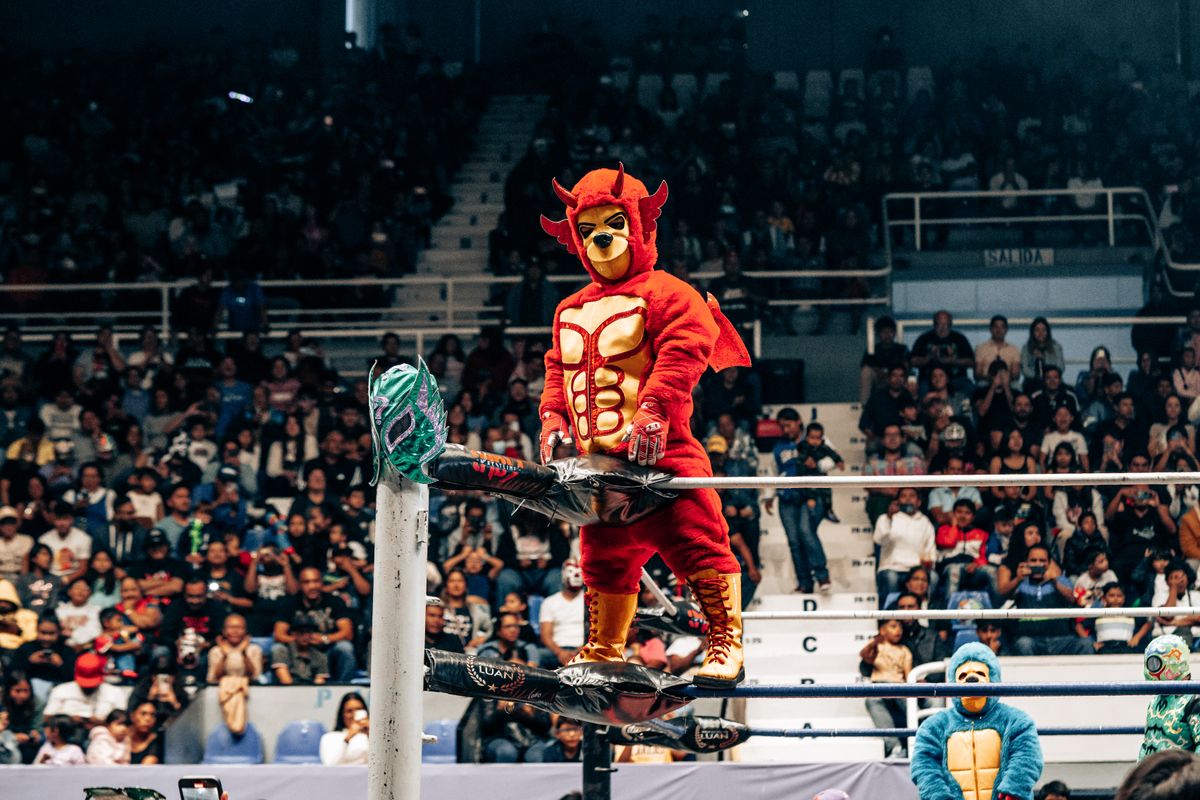
Irish whip. That is the move where one wrestler slings another across the ring by the wrist, and it is what one lane did to me in Guanajuato.
Guanajuato is a city in Mexico built in a narrow valley, and the valley set the street plan: lanes wind, many are alleys too tight for a car, and others are long stairways up the mountainsides. I went for one day in October, on foot, with nothing planned beyond a map on my phone. By the top of one long stairway I was out of breath, and I stopped to rest before the next.

The alleys
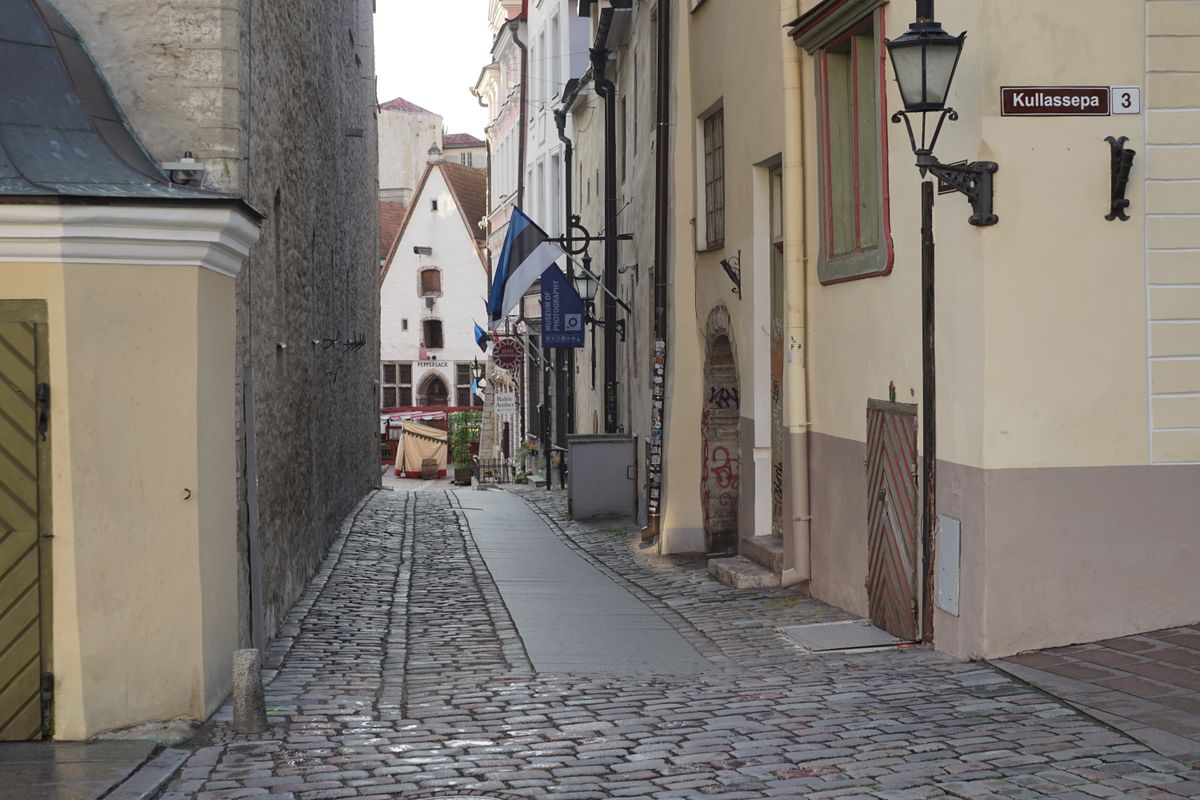
My opening turn was a wrong one, and a passer-by walking out of it said, "Other way," without slowing. I went back to the last junction and took the other way. The cobbles there held a chill even without rain. When I put a hand on a wall, I found it dry and rough, because many buildings in this town are built of sandstone and adobe.
The money behind all this stone came out of the surrounding mountains. Guanajuato's mines were among the most important in the Americas during the colonial period, and in the 18th century the city was the world's leading centre for getting silver out of the ground. The place was formally founded as an outpost in 1548. I stood there for a while trying to picture that wealth coming through it, and could only manage the thought that everyone would have had to take turns.
One lane is called Sal si puedes, which means Exit if you can, and I liked the name. I also walked the Alley of the Kiss. It is only 168 cm wide in places, and I held my elbows in, although there was room.
The underground road
Floods were the other trouble. Two major floods, in 1760 and 1780, nearly wiped Guanajuato out, and they spurred the digging of large ditches and tunnels to divert the overflow in the rainy season. I walked the valley floor with that in my head, and the hills on both sides seemed closer than they had before.
I followed Juarez Street for a while. It is one of the few through streets that stays on the surface, and I wanted to see what became of the others, which run partly or fully underground, following those old channels. The one I watched simply ran out of daylight at a tunnel mouth. Was the reveal earned? It was, because the road gave no warning from the footpath, and then it was gone.
The first road journey through the old river tunnels was completed in 1961. I walked over to the mouth and stayed on the footpath, and I watched a car go in and disappear almost at once, which made the tunnel seem much longer than I cared to test.

Commentary: the tunnel handed every engine note back a beat late.
The hillside
As the climb went on, the noise from the streets below thinned to a scattered hum of engines and the odd horn, so that the loudest thing around me was my own footsteps on the stairs.
ringside notes
The Festival Internacional Cervantino, a festival of performances, has run in Guanajuato since 1972, over most of October and in 70 venues.
The narrow streets gave rise to callejoneadas, roving parties with live musicians, traditionally held by students of the University of Guanajuato.
The first battle of the Mexican War of Independence was fought in Guanajuato, at the Alhondiga de Granaditas, an old grain storage building, on 28 September 1810.

The historic centre and the mines nearby were declared a World Heritage Site in 1988. One of them, La Valenciana, is about 6 km from the centre and is still being mined at a depth of 760 metres. I did not make it out there, and I spent what was left of the climb looking at roofs. On the way down I took the stairs one at a time, and the cobbles at the bottom had warmed. ■