Milford Sound After the Day Boats Leave: A Night Aboard Piopiotahi
Skip the day-bus scrum and anchor overnight in Piopiotahi instead, where Stirling Falls at seven a.m. belongs to nobody but the boat you slept on.

Evening Departure: Past Mitre Peak With the Day Fleet Already Gone
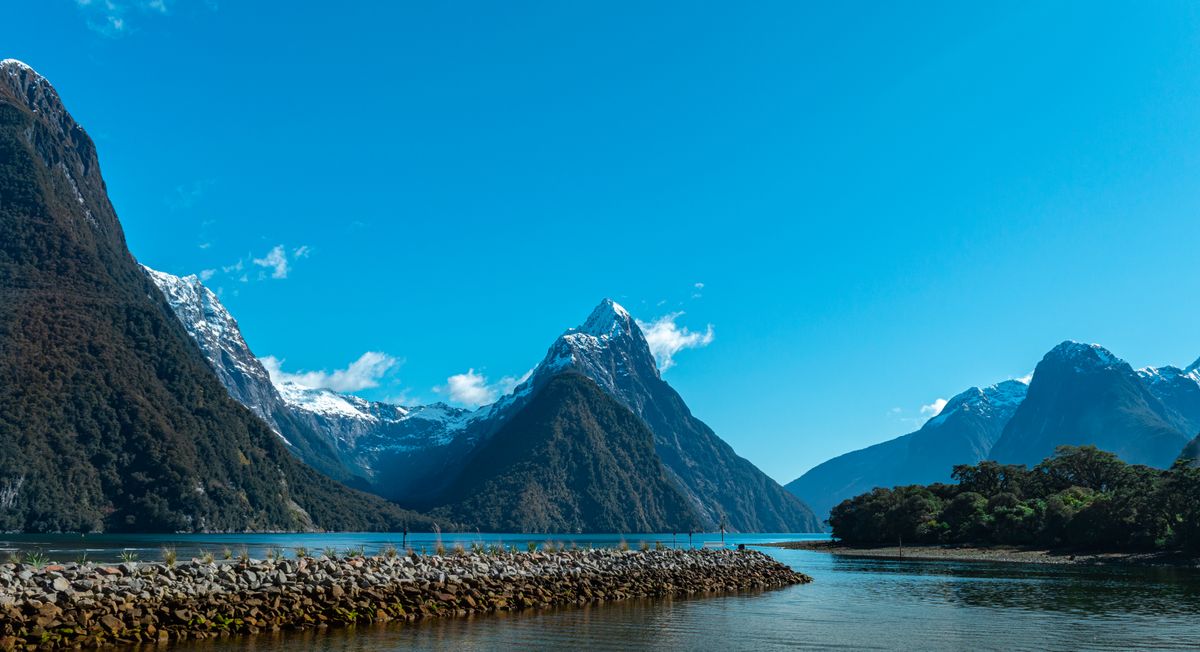
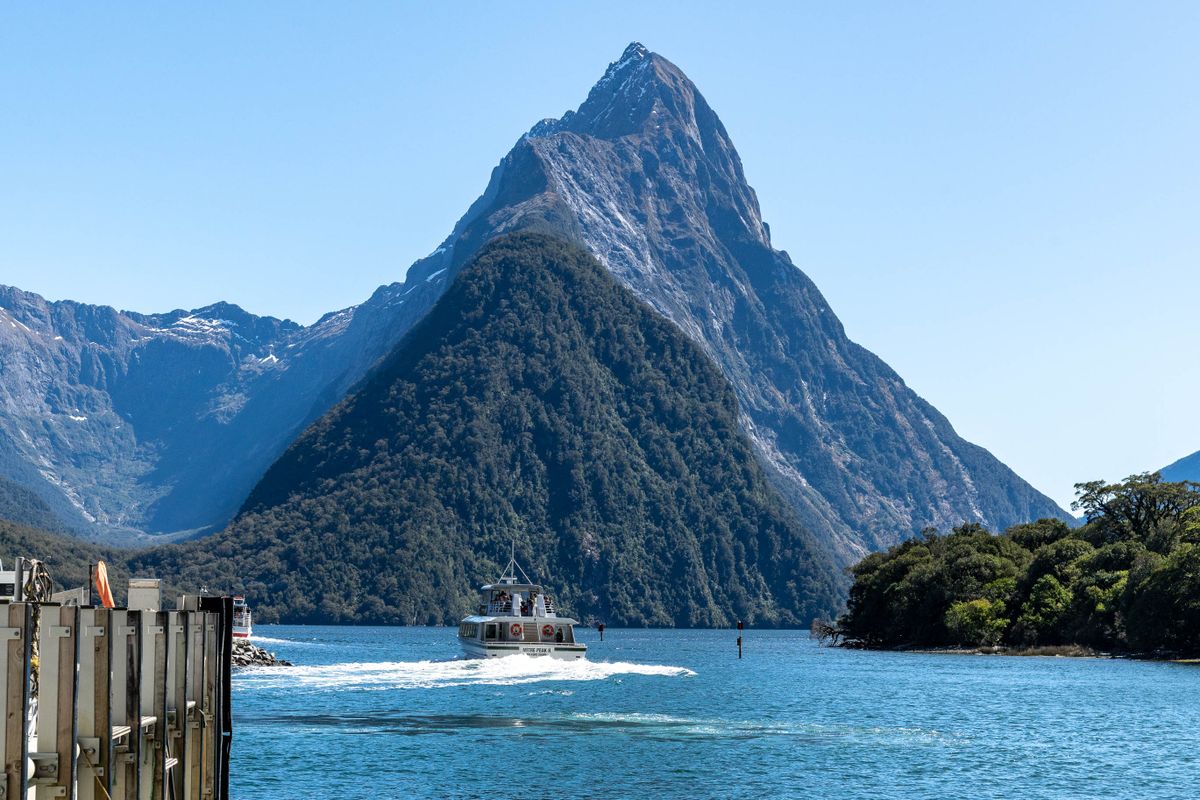
Sou'west twenty knots easing to ten by six, swell inside the heads down to a metre and dropping, tide high and slack at Deepwater Basin by half past five. That's the window the overnight boats wait for, and it's why we didn't leave until the day fleet had already turned around and gone home up the road. Milford Sound only has one road in, and everyone on it is on the same clock: bus out from Te Anau in the morning, cruise squeezed into whatever slot the timetable allows, bus back before the light goes. We left the wharf at Deepwater Basin with the water flat calm and had Mitre Peak's whole eastern face to ourselves inside twenty minutes, no wake but our own crossing the fiord.
A day cruise on Milford's a photo op with a schedule bolted to it. Ninety minutes to two hours, timed to get you past Stirling Falls and Bowen Falls and back to the wharf before the last bus fills up, which is a fine way to see the place if a fine way to see the place is all you've got time for. The overnight boat's the working trip. Same water, same peak, but you're not fighting forty other hulls for a spot in front of the falls, and you get the two windows in the day when the fiord's actually quiet: after the day fleet clears out at dusk, and before it arrives again the next morning. Everything in between belongs to whoever stayed.
Wind was still easing when we cleared the heads, nor'wester tucking in behind the ranges for the night. My money's on calm water till well past midnight.
Anchored Overnight, Inner Basin: The Fiord With Nobody Else In It
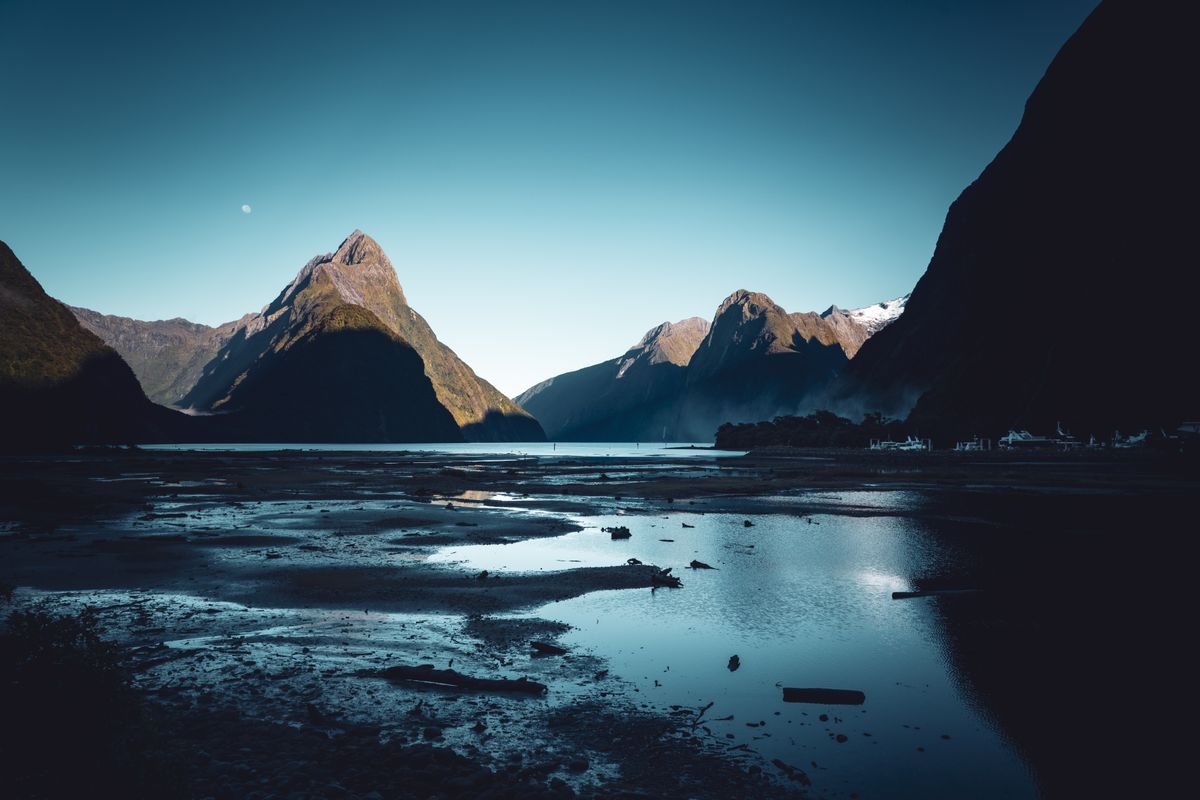
Wind gone entirely by nine, dead calm across the basin, swell nonexistent behind Harrison Cove, tide starting its ebb about two in the morning and none of our business, we were anchored fore and aft with sixty metres of chain out and going nowhere. Milford at night with no other boat in it is a different fiord to the one on the postcards. No engine noise but our own generator, no running lights crossing the water, just the black shapes of the walls going straight up on both sides and Mitre Peak losing its edges into the dark.
Someone on deck started whistling after dinner and one of the crew told him to knock it off, bad luck, whistles up a wind you don't want. It's not luck. On the old square-riggers a stray whistle could be mistaken for the bosun's pipe calling a manoeuvre, and a confused crew hauling on the wrong line in the dark was a genuinely bad night. Nobody's running canvas off Harrison Cove anymore, but the habit outlived the reason the way most of them do. He stopped whistling anyway. No sense arguing with a deckhand who's heard the story more times than you have.
Barometer held steady all night, not a twitch. I'd bet the calm holds till first light and breaks the moment the day boats start their engines again.
2140, anchored Harrison Cove, wind nil, swell nil, not another hull in the fiord, log it.
— log, 2140
Stirling Falls, Oh-Seven-Hundred: Empty Water Before the Fleet Arrives
Light nor'east air by dawn, five knots at most, swell still flat inside the basin, tide making again and pushing us gently on the chain before we'd even started the windlass. We were under way by six-forty and had Stirling Falls to ourselves by seven, no other boat's wake to cross, no queue of hulls jockeying for the same square metre of water in front of the spray. The day fleet wouldn't clear Deepwater Basin for another hour and a half.
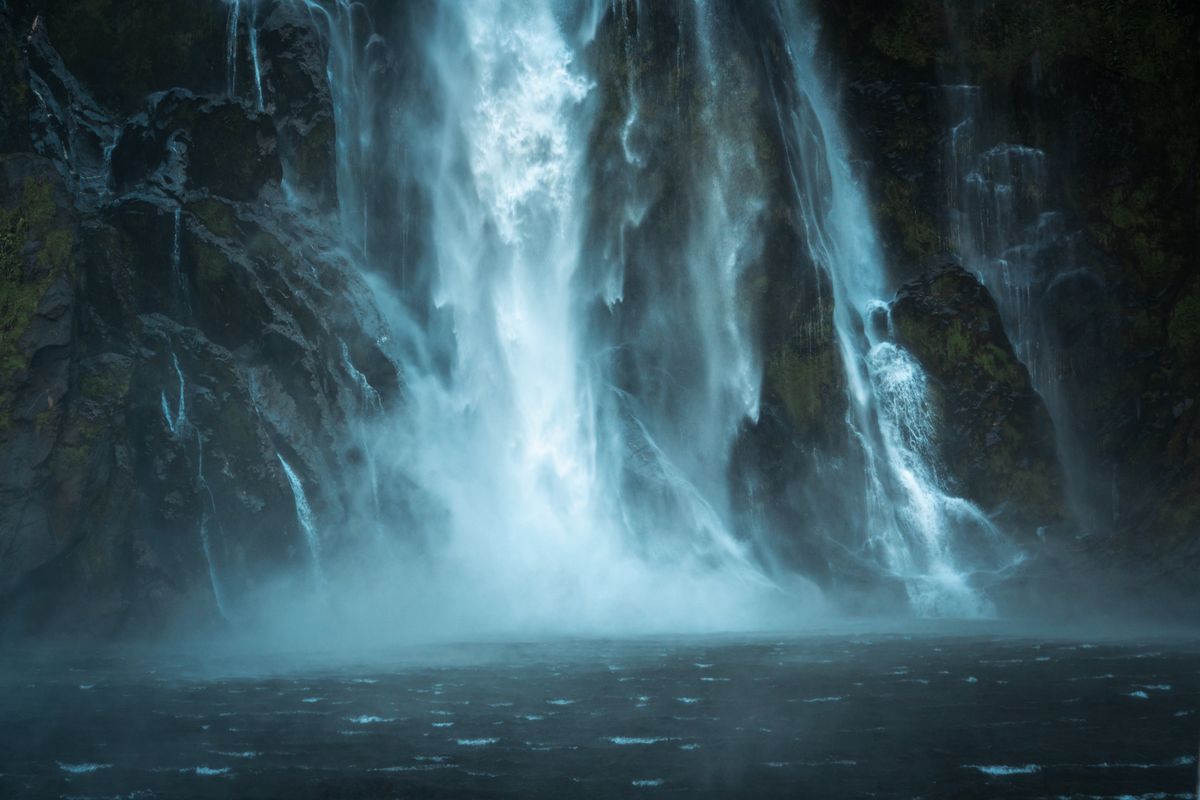
Stirling Falls after overnight rain runs heavy, throwing spray far enough to reach the bow rail if the skipper holds her in close, which ours did, twice, because there was nobody behind us waiting a turn. Water was cold enough to notice the temperature drop stepping out from under the wheelhouse roof. Nobody was in a hurry, first time all trip nobody was in a hurry.
Cloud was already building over the ranges by the time we pulled off. I'd guess rain in the tops again by afternoon, which is normal enough for Fiordland to barely count as a forecast.
Deckhand's Notes
Book the overnight months out in summer, cabins are limited and the whole point is the empty windows at dusk and dawn.
Bring a warm layer for the top deck at 7am, the fiord holds the night's cold longer than the road does.
The falls' spray reaches the rail on a close pass, waterproof whatever you're carrying before you're on deck.
The basin sits glass-calm most nights but it's still Fiordland, dress like the weather can turn even when the forecast says it won't.
The Road Back: Milford Road at First Light
Nor'east still light, ten knots by the time we tied up, no swell to speak of since we'd been off the water an hour, road clear and dry through the Homer Tunnel. Milford Road at seven-thirty, before the day's bus convoy has left Te Anau, runs close to empty, which is its own kind of rare on a road that spends most of the season nose to tail with buses.
Day Cruise vs Overnight
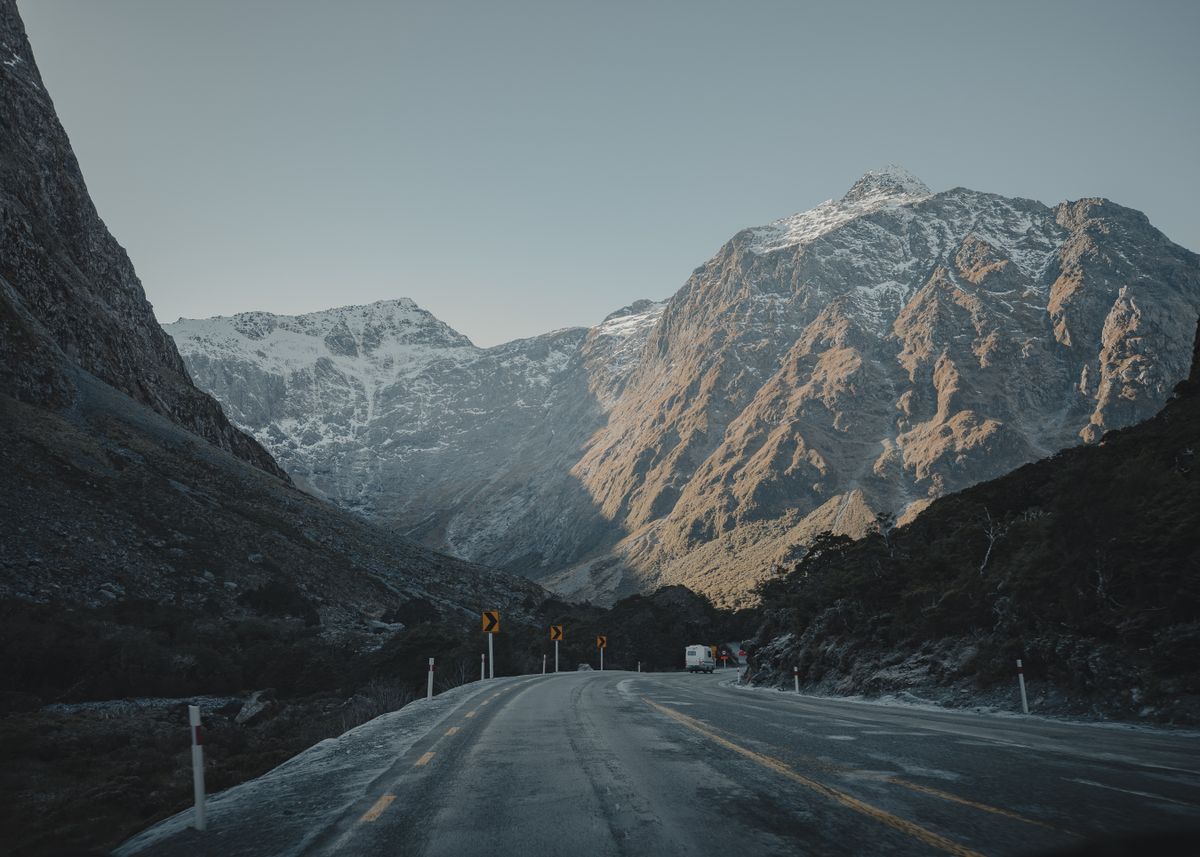
The road's a working drive if you catch it before the buses fill it, genuinely one of the better alpine drives in the country, Mirror Lakes and the Chasm and the Homer Tunnel all worth the stop. Do it as a day trip from Queenstown and you'll spend more hours on the bus than on the water, timed to the same ninety-minute window as everyone else who left that morning. Stay on the boat and you get the road at its emptiest on the way out, and two windows on the water nobody bussed in for. One's a photo op with good scenery either side. The other's the working trip.
We were back on the Milford Road by eight, sun barely over the ranges, not another car between us and the tunnel. Next bus convoy would be through inside the hour. My money's on the fiord being full again by nine, and on it not mattering to anyone who'd already had it to themselves at seven. ■