Areopoli's Market and Olive Groves
The Mani peninsula in southern Greece, followed on foot from Areopoli through olive country down to Limeni.

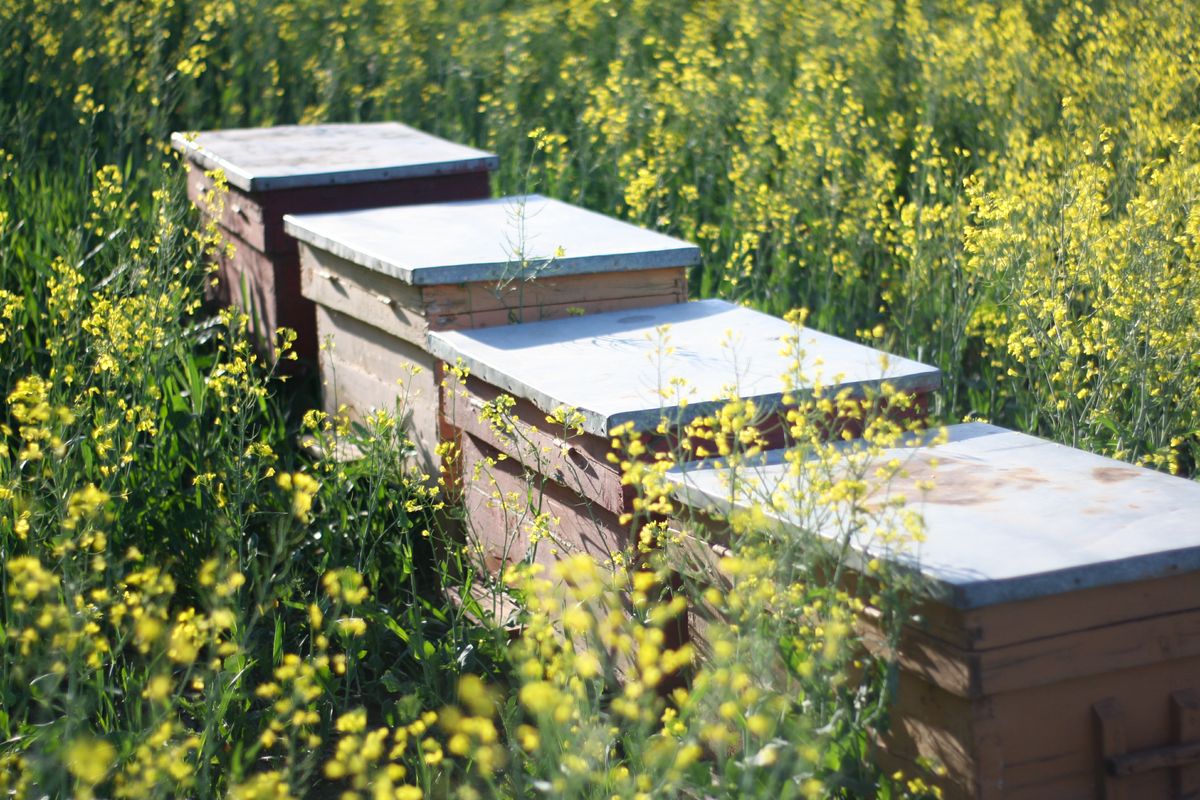
One day in spring the hives were settled, flying slow and steady with nobody guarding the entrances.
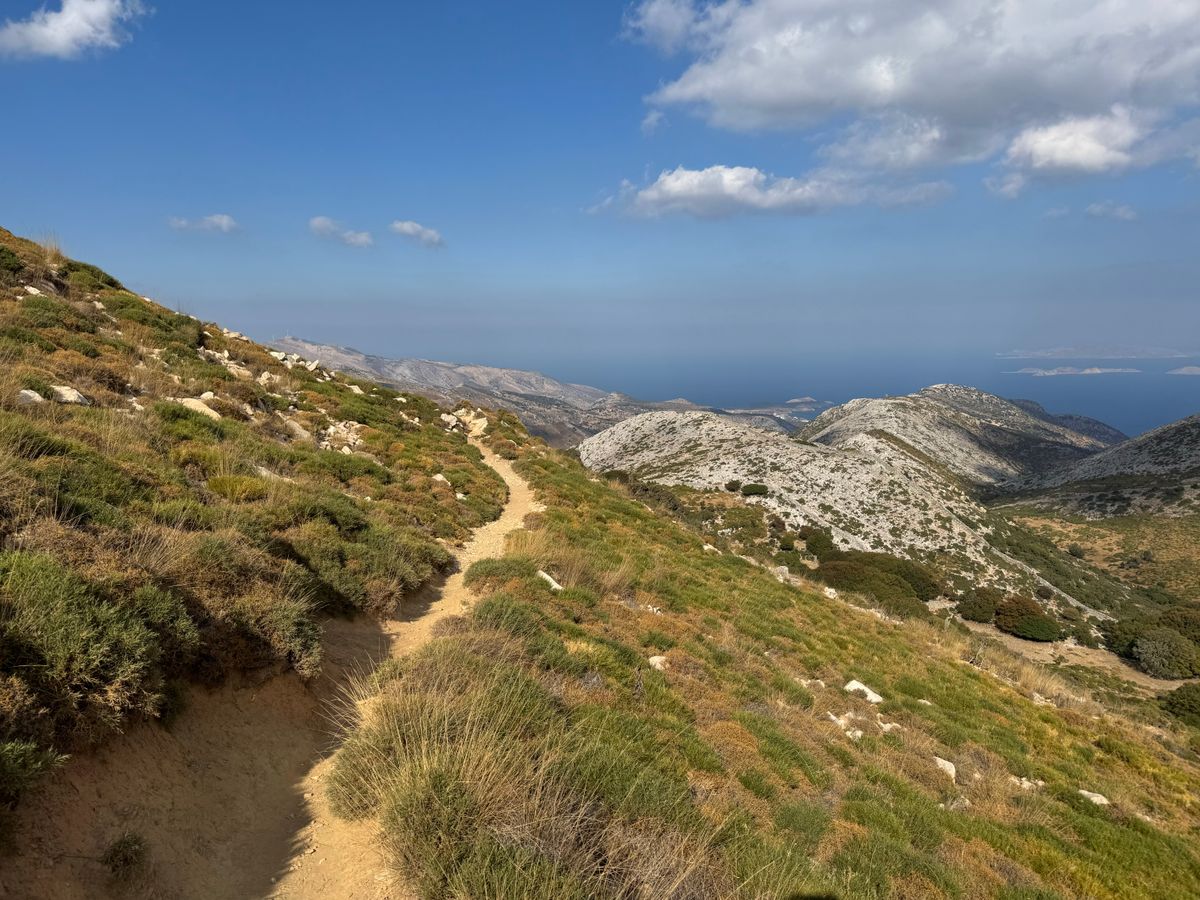
I took the day off and went to the Mani. Greece's southern mainland, the Peloponnese, reaches south in three peninsulas, and the Mani is the central one. Inland, the Mani is rocky and rugged, with grey ground showing through everywhere.
The obvious stop here is Vatheia, a largely abandoned village known for the tower houses on its hillside. Vatheia is popular in spring and summer, when wildflowers cover the hills around it. I did not go. Areopoli, a town on the same peninsula, got my day instead.
Saturday in the square

Old town
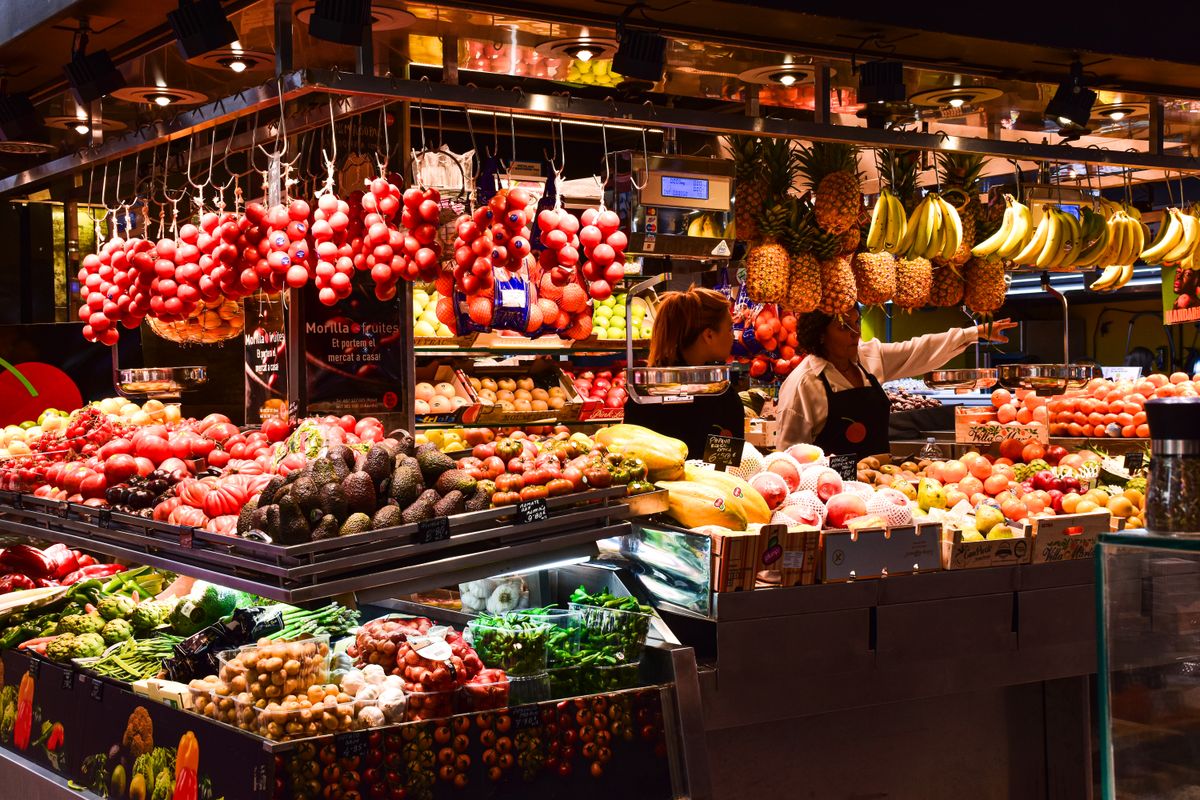
I reached Areopoli on a Saturday morning, when the main square turns into an open-air market. A lot of the sellers are local producers, which is why I had chosen the day. At one table the seller handed me an olive to try: firm, salty, with a bitter edge that lasted through two more laps of the square. A fellow shopper who had watched me chew said, "Start with the dark ones."
At the door of one of the stone houses I put my palm flat on the wall and found it cool even with the sun on it.
Once the whole peninsula went by the name Maina Polypyrgos, or Many-Towered Maina, for how many tower houses it had. Each tower usually stood among other houses and a family church, all inside one fortified compound.
A man at the front of one table was in a long conversation with the seller about cheese, and the queue behind him had turned defensive, the way a hive does when too many bodies want one entrance. The cause was one table with one way in. Nobody was to blame, and a second table would have settled it.

Out among the groves
After the market I walked out to the olive groves, and the noise of the square stayed behind the first wall. Lower on the slopes a dense scrub called maquis covers the ground, made of evergreen shrubs with hard leaves, and when I brushed the edge of it the sharp scent stuck to my hands for the rest of the afternoon.
A Kalamata, the large dark purple olive, must be picked by hand to avoid bruising, and it cannot be harvested green. Standing under one tree with the heat on my neck, I tried to work out how long one branch would take to pick, and gave up before my shadow had moved. The air smelled of warm stone and bruised grass.
Between about 1680 and 1840 the Mani exported honey and beeswax, along with quails and olive oil, and I liked that honey came first.

Smoker notes: by the track, the hum from the hives rose each time the wind dropped.
Evening at the port
By late afternoon the clouds had started to build, and I decided to finish the day by the water, which meant walking down to Limeni, the small port of Areopoli, 1.5 km from the town. I walked it slowly and stopped once to let a pickup truck past on a bend.
Traditional cooking in the Mani includes olive oil and olives, wild greens and aromatic herbs, and by the time I reached the port I was hungry for exactly that.

hive notes
The Mani is about 45 km long and ends at Cape Matapan, the southernmost point of continental Greece.
In 2003 the whole peninsula was designated a cultural complex of international importance.
The first flag of the Greek War of Independence was raised in Areopoli, in Taxiarchon Square, on 17 March 1821.
Areopoli's tower houses are built of field stones, unlike the blue and white buildings of many Greek villages.
Kalamata olives take their name from the city of Kalamata in the southern Peloponnese.

A rope creaked somewhere along the shore whenever the air moved. I stayed until the lights came on in the houses, then walked back up to the town. ■