The Hives Go Up When the Thyme Calls
A Cretan beekeeper follows her hives into the mountains for the thyme bloom, and reads the tourist crowds she passes the same way she reads a nervous colony.

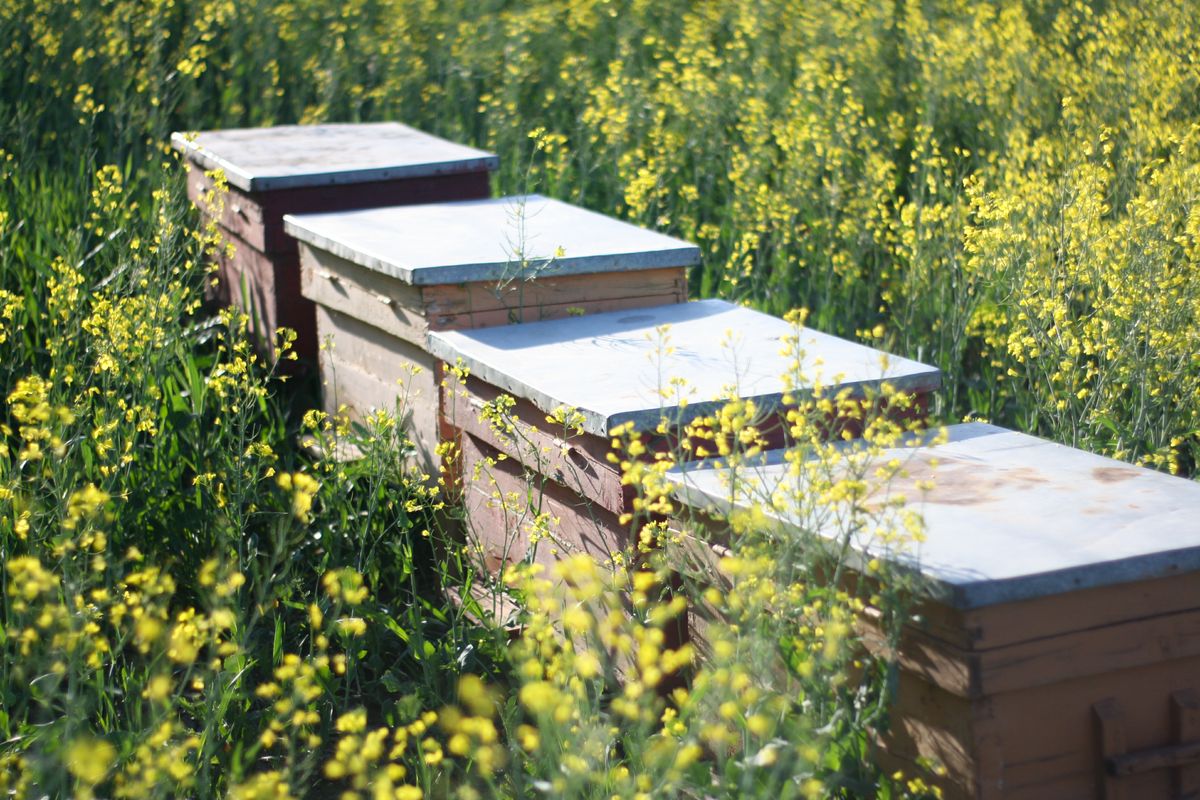
The hives were calm this morning. No drumming at the entrance boards, no guards rising off the wood to meet my hand before I'd lifted the lid. Calm means the thyme is still coming in steady, and it also means the weather's holding, a hive gets sharp and short tempered a good six hours before a system moves in, faster than any forecast I've trusted. So today is the day to load the truck and follow the bloom up the mountain.
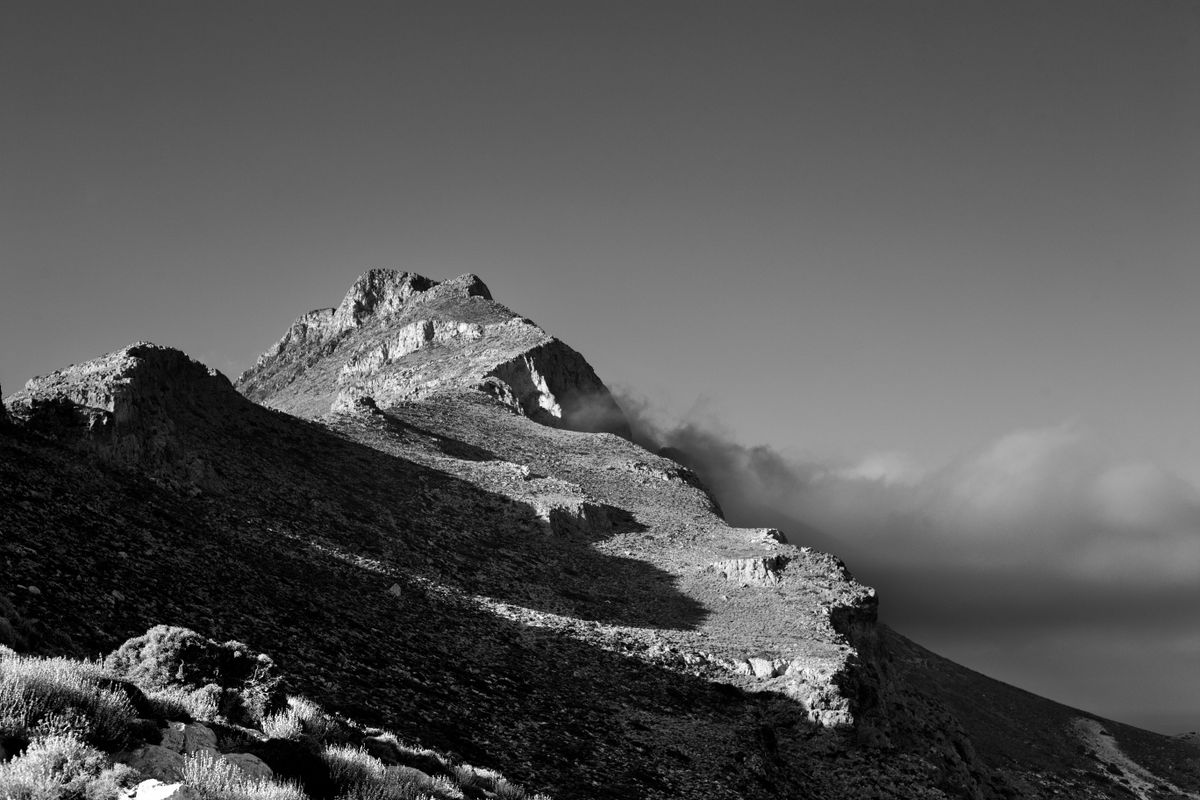
Psiloritis: moving the hives into the bloom
A hive that's about to be moved gets restless a full day before the truck arrives, fanning harder at the entrance, foragers flying wider circles than they need to. Mine have been doing that since Tuesday. Every June I take forty boxes from the lower ground near Zaros and carry them up the slopes of Psiloritis, Mount Ida to anyone who buys the postcard version, chasing the wild thyme as it opens higher and later the further up the mountain you go.
Above 800 metres the thyme grows next to malotira, the mountain tea the shepherds around Anogeia have been cutting for generations, and my bees work both without much preference that I can measure. What they do have a preference for is being left alone during the move. Crete's honeybee, Apis mellifera adami, exists nowhere else on earth, the product of centuries of beekeeping on an island mainland bees mostly couldn't reach. It sits calmer on the comb than the macedonica I worked with on the mainland years ago, but it does not forgive being jostled in a hot truck bed.
By the time I've set the last box down and closed the lids, the fanning stops within the hour if the site is right. If it doesn't stop, the hive is telling me I've parked it somewhere the thyme isn't as thick as I judged from the road, and I move it again the next morning rather than argue with them about it.
Phalasarna: reading a taverna instead of a hive
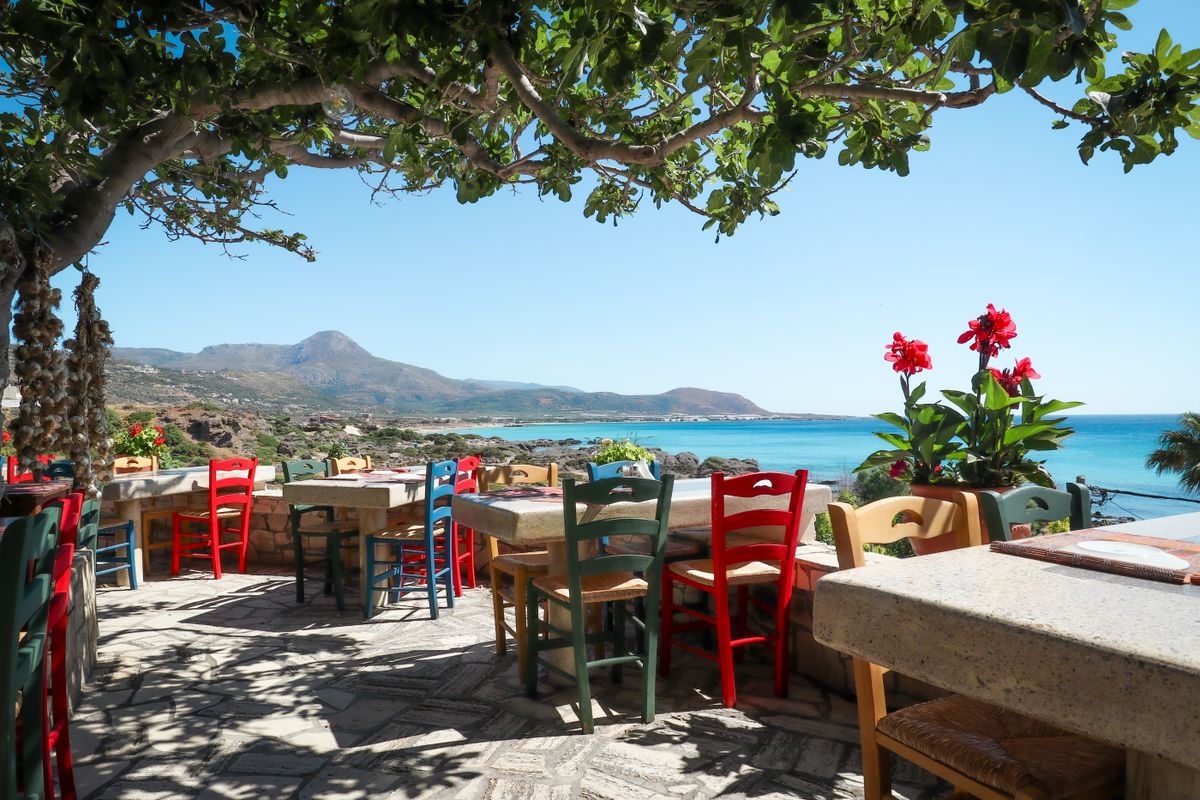
An empty hive box and an empty taverna read the same way to me: quiet isn't the same as calm, it's just unoccupied. I stopped at a place above Phalasarna at eleven in the morning, chairs painted four different colours, nobody at a single table, the sea doing all the talking. Call that one calm, tentatively, pending what comes off the next coach.
By half past twelve a coach emptied thirty people onto that terrace with forty minutes on the driver's schedule before the next stop. For the first minute they looked like a swarm with nowhere to cluster yet, spreading across the terrace without settling on tables. Once they'd claimed seats the real temperament showed itself, and it wasn't chaos, it was defensive: thirty foragers converged on one feeding site with a countdown running. A woman at the next table asked the waiter twice how long the calamari would take, then again in a different tone. Nobody there was behaving badly. They were behaving like a hive with an entrance too small for the traffic it needed to move.
With a hive like that I'd widen the entrance, or add a second one, before I'd ever reach for a veil. With the taverna I did the only equivalent thing available to a customer: ordered fast, paid in cash, and gave up my table the moment I was done, which is its own kind of smoke.
Smoker notes: a defensive crowd isn't rude, it's a feeding site with an entrance too small for the traffic.
The home apiary: pulling the first thyme frames
A hive that's ready for harvest hums lower than usual, a settled note instead of the sharp one you get from a colony that's short on stores. Every box I brought down from Psiloritis last week was humming low, which told me before I'd lifted a single frame that there was capped honey to take.
Crete carries something like 2,200 beekeepers on an island this size, most of them running the same seasonal route I do, and between us we produce a share of Greece's honey that's out of proportion to the land, mostly on the strength of sun and the density of wild thyme across these mountains. Thymarisio meli, the thyme honey specifically, is the one buyers from Athens ask for by name rather than just asking for Cretan honey in general.
hive notes
Thyme blooms across the Psiloritis and Lefka Ori slopes roughly June through August, later the higher you go, so a July visit catches hives still working the high ground.
Buy from a producer stall in a mountain village rather than a coastal gift shop, and ask specifically for thymarisio meli, not just 'Cretan honey'.
Real thyme honey granulates into a fine, almost buttery set within a few months. If a jar stays syrup smooth on a shelf for a year, ask what else is in it.
Expect to pay somewhere around 12 to 18 euro for a 450 gram jar bought direct from the producer, more once it's sitting in a coastal shop.
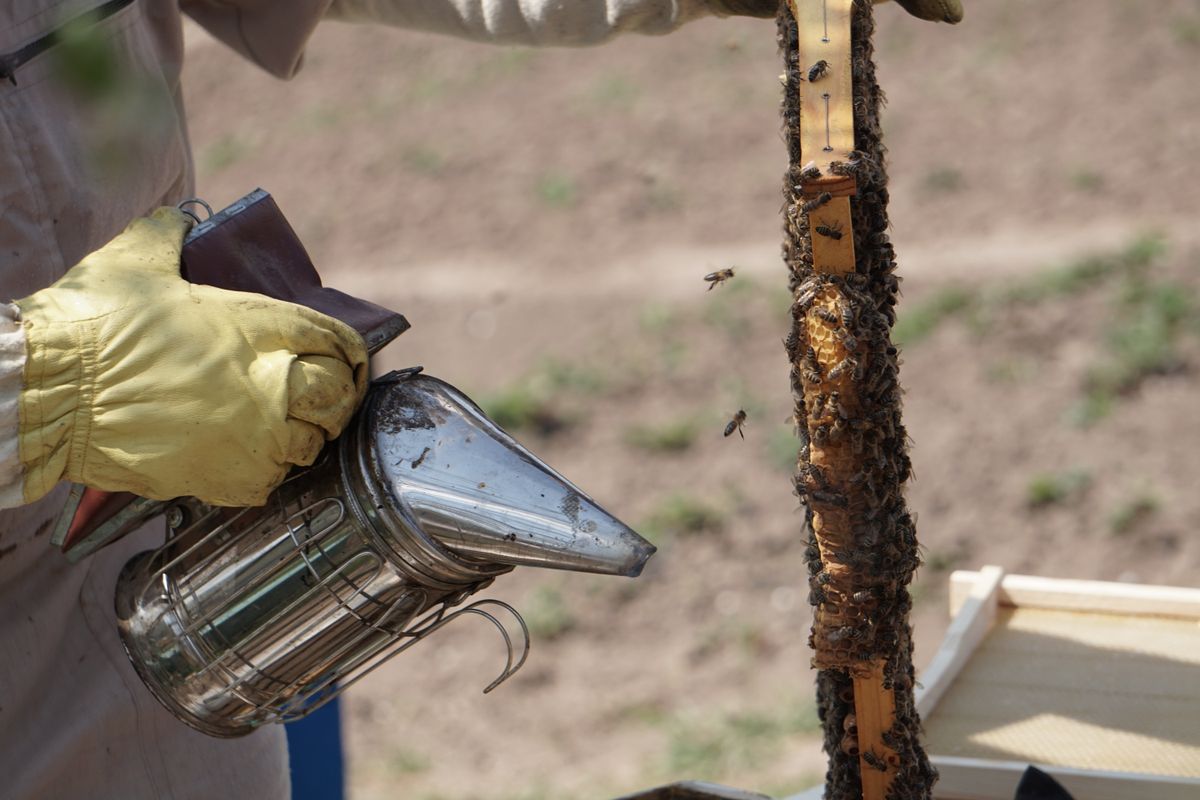
The scale told the real story this year. Boxes that went up to Psiloritis came back heavier than the two I left near the house as a control, which I only keep as a control because my neighbour insists his stay-low hives do just as well and I am tired of arguing with him about it over coffee. The hives don't lie about that, even if he does. ■