Lima to Cusco by Rail? Wrong Premise, Right Question: A Peer Review
The Line That Doesn't Exist
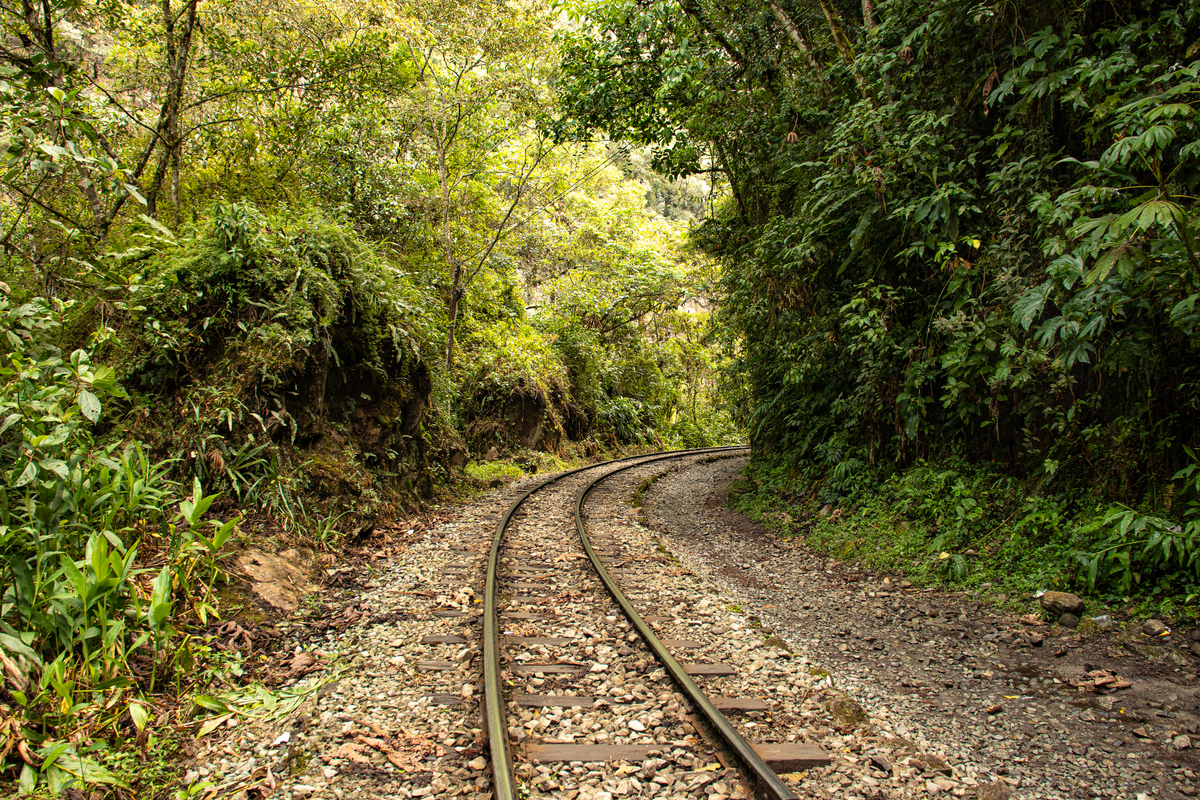
Zero. That's the kilometre count of continuous rail between Lima and Cusco, because the line does not exist and never has, not as a single track, not as a single operator, not as anything a travel agent could book you a seat on. People ask me for the Lima-Cusco train the way they'd ask a bridge inspector about a bridge that was demolished before they were born. The map looks like it should connect. It doesn't.
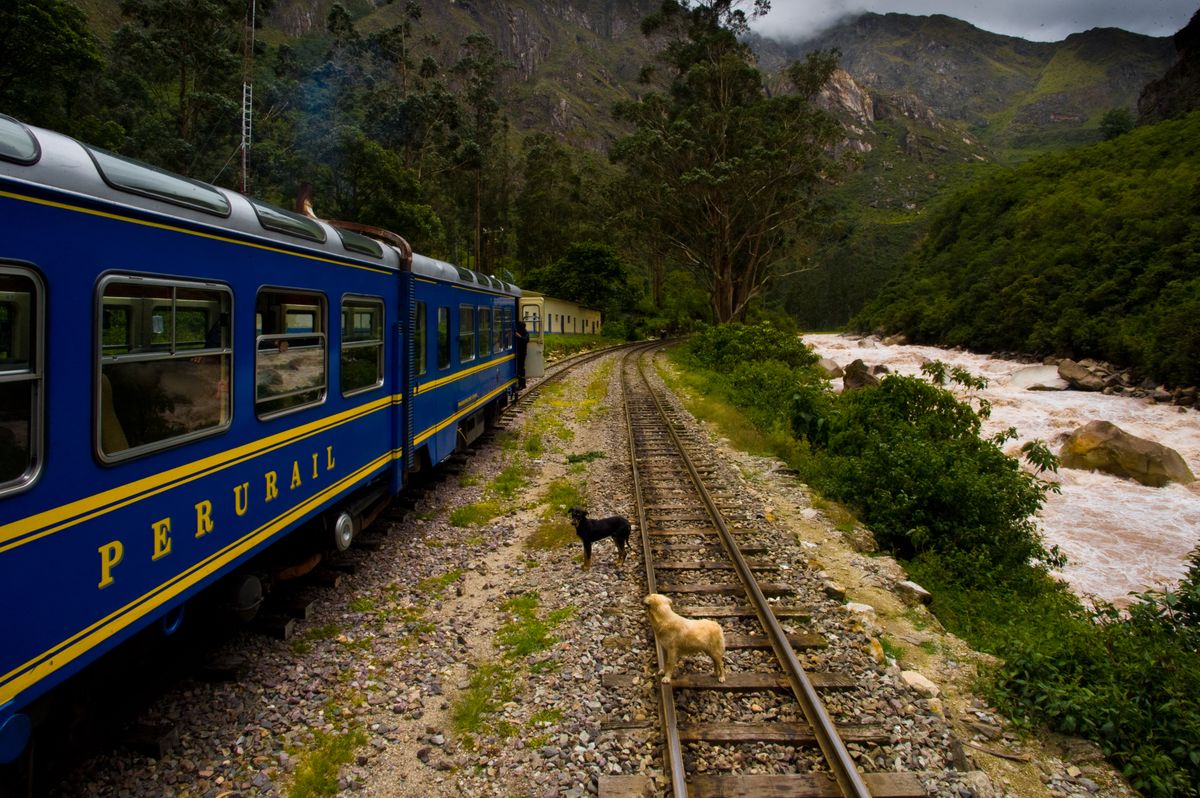
What Peru actually has is two railways that share a country and nothing else. The Ferrocarril Central Andino runs freight and the occasional excursion train from Lima up into the Andes toward Huancayo, a genuinely brutal climb I'll grade on another trip. The southern network, the one tourists actually mean when they say 'the Cusco train,' starts nowhere near Lima. It runs between the Sacred Valley and Machu Picchu, worked by two competing operators, PeruRail and Inca Rail, over track that was never built to reach the capital and doesn't pretend otherwise.
So this report covers the railway that's actually there: Ollantaytambo to Aguas Calientes, the station everybody calls Machu Picchu Pueblo, roughly sixty kilometres of metre-gauge track down the Urubamba gorge. I rode it both directions, PeruRail's Expedition class down, Inca Rail's Voyager back, and inspected what I could see from a moving window, which for a structural engineer on vacation is more than most passengers bother with.
Grade: solid, provisionally, since a length of empty track tells you about drainage and vegetation control and nothing about the rolling stock running on it. The ballast here is clean, the shoulders are cut back hard enough that nothing's crept into the gauge, and somebody is fighting that clearance against jungle that wants its right-of-way back every single week.
Grading the Masonry Before the Track
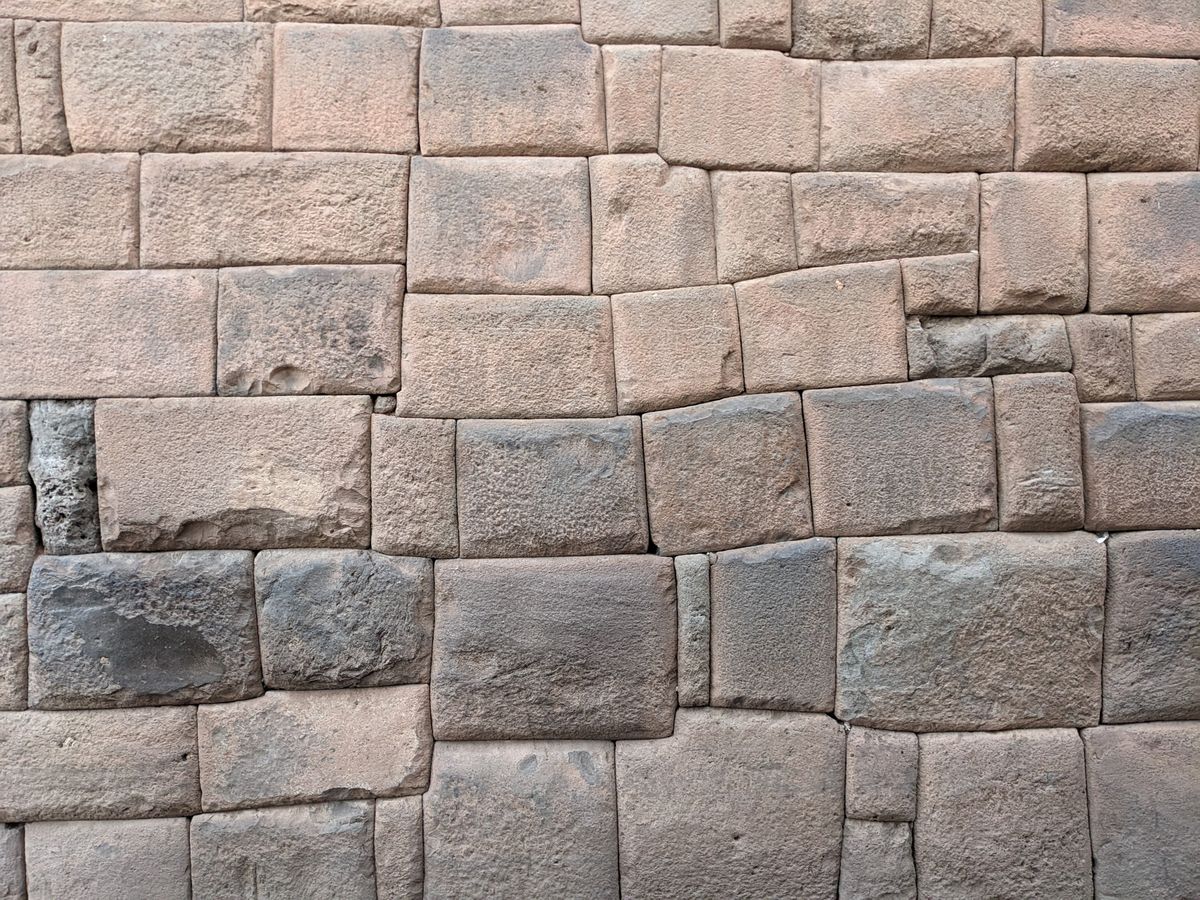
Ollantaytambo sits at 2,792 metres. The stones in its terrace walls run up to three metres on a side, cut and fitted with no mortar and no iron cramps, nothing a building inspector today would recognise as a fastening system, and they've carried load through five centuries of freeze-thaw and at least one serious earthquake in 1950 that levelled parts of Cusco thirty kilometres away.
I put a level on one accessible course near the fortress terraces, as much of a level as a phone app counts as, and it read flatter than the concrete platform the tour operator poured beside it sometime in the last fifteen years. That platform already has a hairline crack running its full width. The Incas didn't use rebar. They didn't need to, because polygonal fitting distributes load the way a keystone arch does, every stone locking its neighbours in compression.
A guide near the fortress told our group the stones were 'melted' into place by a lost technology, which is the kind of claim that survives because it sounds better than the true one. The true one is a workforce with unlimited time, bronze and stone tools, and a real understanding of compressive load, shaping each block to its neighbour before it ever went in the wall. That's not magic. That's a construction schedule I'd never get signed off.
No rebar, no mortar, no engineer's stamp, and it's outlasted every earthquake I can name.
Ollantaytambo, and the Zigzag Cusco Doesn't Run Anymore
Ollantaytambo's station sits a fifteen-minute walk from the plaza, low platform, no barriers, tickets checked twice before anyone's allowed near the track. Boarding closes ten minutes before departure and PeruRail enforces it without apology, which after two decades of overloaded tourist services, they've clearly earned the right to.
Before Ollantaytambo I spent a morning at Wanchaq, Cusco's old station, chasing a piece of engineering that mostly doesn't run anymore: the switchback line that used to climb out of the Cusco basin toward Juliaca and Puno. Cusco sits at 3,399 metres in a bowl, and getting a train out of a bowl without tunnelling means zigzagging, reversing direction across a series of stub tracks cut into the hillside, gaining a few dozen metres each leg. It's over a century old, and most of it now sits freight-only or simply idle.
A plaque near the old yard credits the line with being the highest passenger railway in the world. It was, once, at the La Raya pass near 4,313 metres, before other Andean and Tibetan lines were built higher and the claim quietly stopped being true. Grade the switchback itself: B-plus, an ingenious solution on a genuinely constrained site, docked for a maintenance backlog you can read straight off the rust on the unused rails.
Ollantaytambo to Machu Picchu, one round trip
Field notes
Book the earliest PeruRail or Inca Rail departure you can get, not the cheapest. Afternoon cloud rolls into the Urubamba gorge by early midday most of the year, and the first train out of Ollantaytambo buys you clear light at the ruins before the site fills and the fog does. Seats on that first service sell out weeks ahead in the May-to-September dry season.
Down the Gorge to Aguas Calientes
Ollantaytambo to Aguas Calientes drops about 750 metres over sixty kilometres, a grade so gentle the train barely feels like it's descending, while the temperature climbs the whole way, twelve degrees Celsius at departure to something closer to twenty by the time the doors open at the bottom.
The Urubamba River does the work here that a highway engineer would pay for tunnels to avoid. The track hugs the river the entire way, cut into a gorge wall that closes in until the cloud forest is close enough to touch through the glass, and PeruRail has strung rockfall netting over the worse cuttings, standard galvanised mesh pinned into the slope. It's doing its job. I watched one section holding back a scree fall that looked recent enough to still be settling.
Aguas Calientes itself doesn't earn a high grade from me. It exists because the railway does, a town built entirely to feed and bed tourists between the platform and the Consettur buses that switchback up the final 400 metres to the entrance gate, twenty-five minutes each way on a paved road with hairpins tight enough that two buses can't pass without one of them backing up first.
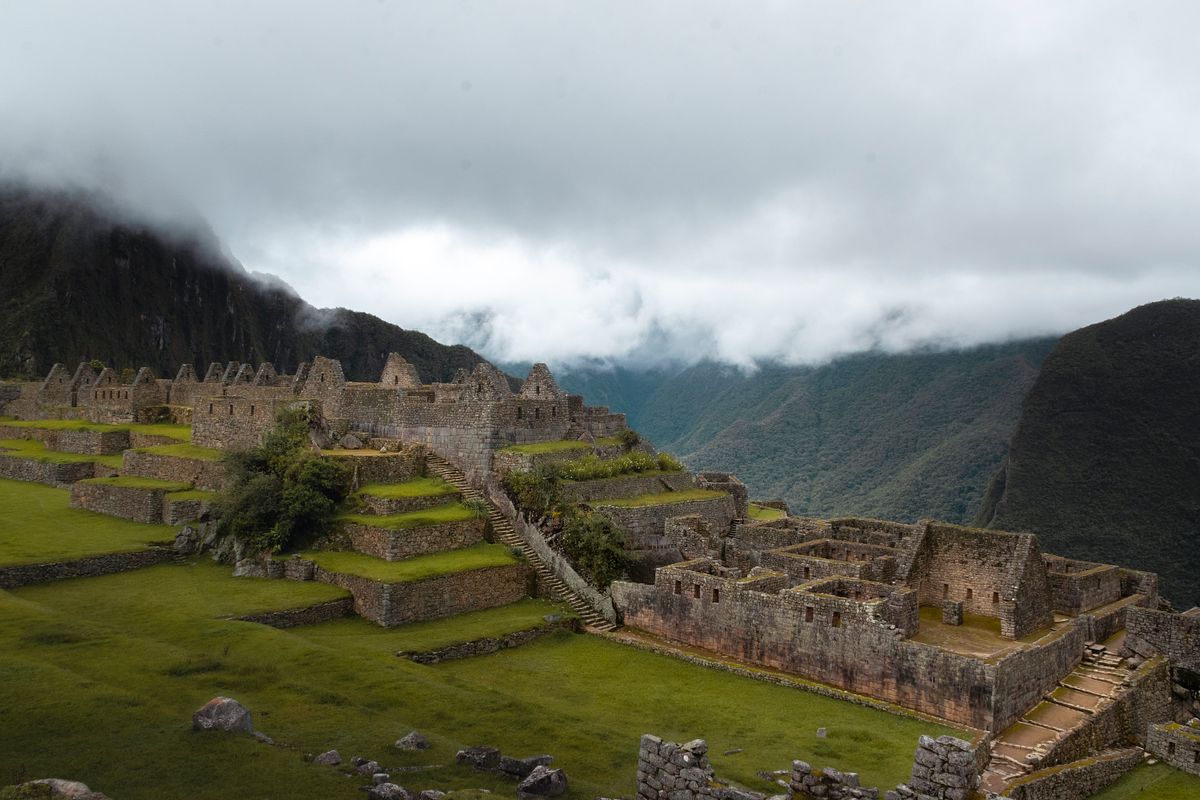
The stonework at the top earns every grade I gave the walls at Ollantaytambo, and more, because it's doing it at altitude, in cloud-forest humidity that would rot a modern timber frame inside a decade. I stood at the Temple of the Sun and admitted, out loud, to a stranger, that this was better built than half the pedestrian bridges I've signed off on. Then I found the modern viewing platform installed for photos, saw the gap where its foundation has already pulled a few centimetres clear of the original terrace wall, and felt considerably better about my own profession's average. ■