In Mongolia's Taiga, the Reindeer Are for Milking, Not Meat
North and west of Lake Khövsgöl, the Tsaatan keep reindeer the way other herders keep dairy cows, and I went to see how the animals were actually doing.

Horses, and a Scrum at Tsagaannuur
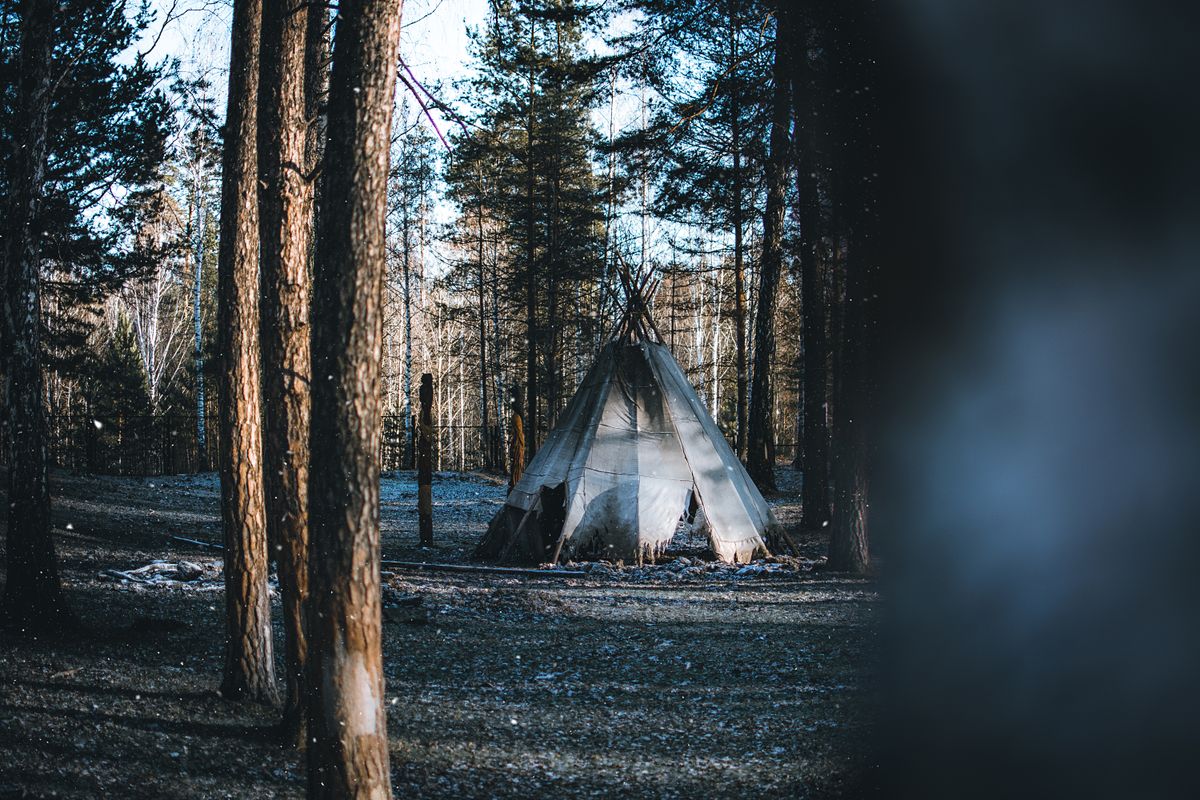
The first ortz through the larch, still a quarter mile out from camp.
The horse under me flattened its ears at the second jeep door slamming, and I already had my answer about the crowd before I'd turned around to look at it.
Twelve of us had come off three vehicles at once outside Tsagaannuur, duffel bags and camera bags and one man's drone case, and for about four minutes we behaved exactly like a herd pushed through a gate too fast, all shoulder and no sense, everyone drinking from the same six feet of trough while the rest of it sat empty. Our two guides sorted us the way I'd sort skittish yearlings, quietly, one at a time, until the horses stopped side-eyeing us and got back to being horses.
From Tsagaannuur it's a day and a half by horse to reach the eastern taiga camps, longer if the passes are drifted in. By the second hour my gelding's breath was hanging in a solid column that didn't clear until well past nine in the morning. The temperature sat around minus twenty-five for most of the ride. Snow squeaked instead of crunched, which any Mongolian will tell you means it's too cold to be pleasant and too shallow yet to be dangerous.
The first reindeer I saw were three does bedded down in a clearing, jaws going sideways in that unhurried cud-chewing rhythm that tells you nothing is wrong before you've even reached for a thermometer. One lifted her head at us, decided we were no more interesting than the wind, and went back to chewing. Diagnosis for day one: nobody here was afraid of anything, which in taiga this quiet means the taiga is doing its job.
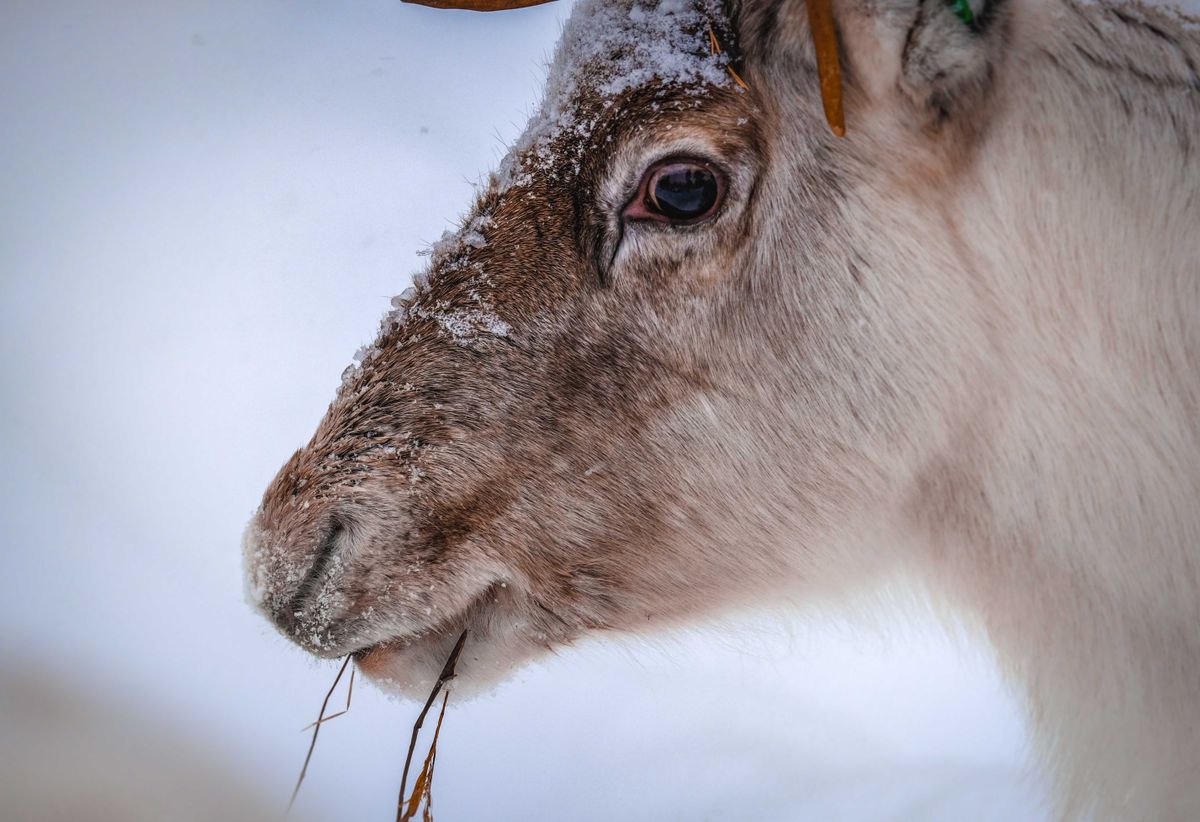
Reindeer, and the Business of Milk
A calf reindeer, maybe eight months old, tried to headbutt the milking bucket out from under its mother and got swatted off with a hind leg so mild it looked more like advice than punishment.
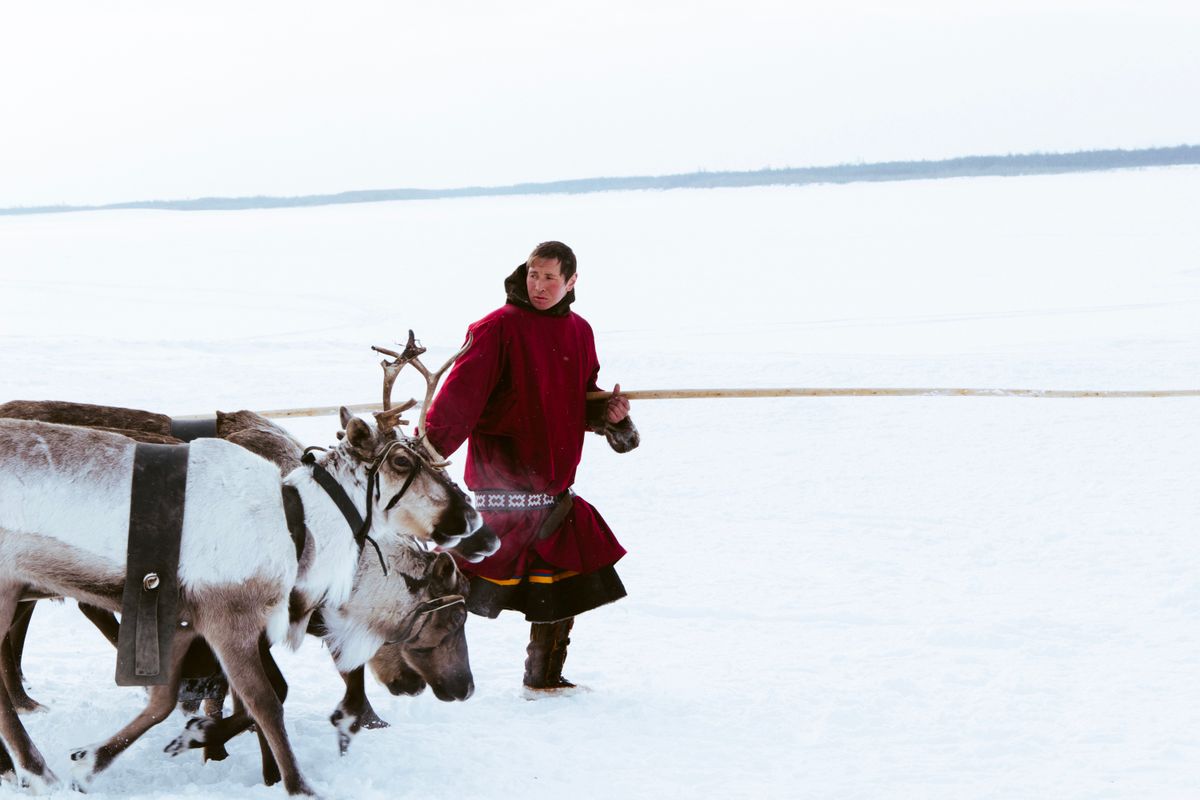
Buyan-Erdene, whose Tsaatan family runs eleven reindeer between two ortz, let me sit in on the morning milking. A doe gives perhaps half a litre a day this time of year, nothing like a dairy cow, but the fat content is extraordinary, closer to cream than milk. Steeped into the morning tea with a pinch of salt it left a coating on the back of my tongue I could still taste at lunch. Nobody in that camp had ever slaughtered a reindeer for meat and looked faintly puzzled when I asked. The animals are milked, ridden, and used to pack firewood and hides between camps. For meat, the family keeps goats lower in the valley.
Only the children and the smallest adults ride the reindeer themselves, since a loaded doe carries perhaps forty kilograms comfortably and complains with her whole body past that. The men lead them on foot more often than they ride, one hand loose on a nose-rope, matching the animal's pace rather than setting their own, which is the opposite of every horseman's instinct I've had beaten into me over the years.
In early summer, before the antlers harden, the family cuts the velvet for trade, working fast with a cord tourniquet and a blade kept for nothing else, the way I'd handle a dehorning without anaesthetic on hand. Done right the animal is back grazing within the hour and the antler regrows the following spring. I checked four males for old cutting scars and found clean, even lines on all of them, no ragged edges, no swelling. Whoever taught this family the technique taught it properly.
Buyan-Erdene's mother had named every animal in the small herd after a mix of relatives and old dogs, and could tell me each one's temperament before I'd finished asking. That's a herder who's actually looking at her animals, not just counting them. Diagnosis for the herd: lean but sound, nothing you'd want to treat, and better fed on lichen and birch than half the horses I see tied up outside guesthouses in Mörön.
These reindeer are dairy stock, not dinner, and every animal here knows it.
Reindeer at Dawn, and the Ride Back
The dogs woke before anyone else, ears up and noses working the treeline long before the reindeer stirred. That's usually my first sign a place is safe, when the animals lowest on the pecking order are the ones still asleep.
We'd timed the trip loosely around the reindeer races held most winters near Tsagaannuur, a low-key affair by any Western measure, a couple dozen riders and their does strung out across a frozen meadow with none of the fencing or grandstands a horse race back home would demand. Nobody was betting money that I saw. Mostly it was families comparing which doe still had the legs for it at eleven years old.
Herd Report
Go for the winter reindeer races near Tsagaannuur if you can time it, quieter and more honest than any festival with a stage.
Budget two full days each way on horseback. Don't let anyone sell you a one-day version of this trip.
Ask before you photograph the milking. It isn't a show, it's breakfast.
Pack for minus twenty-five even if the forecast says less. The taiga runs colder than the lake towns.
Don't expect reindeer meat on any menu near a Tsaatan camp. If you see it, you're not eating what you think you're eating.
What the Trip Actually Cost
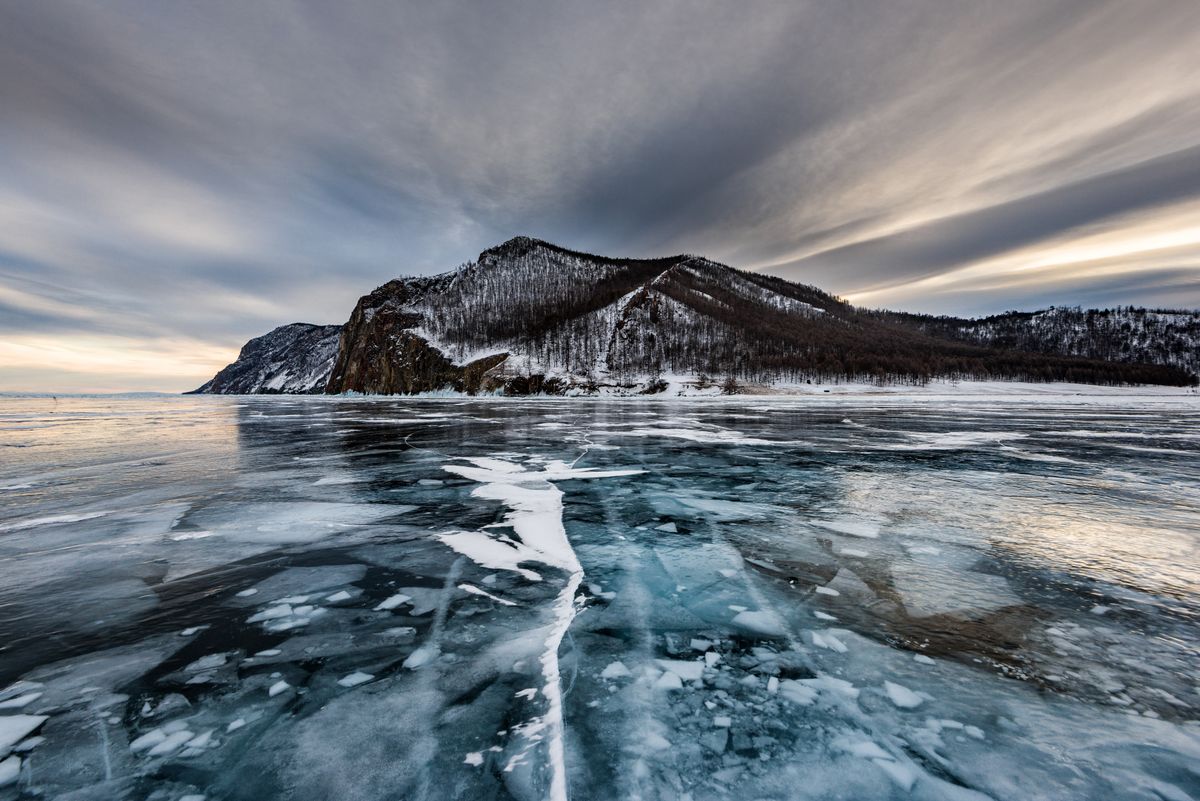
We rode back past the frozen edge of Khövsgöl with the mountains gone that flat blue they go right before dusk, and my gelding's ears stayed forward the whole way, no spooking, no hesitation on the ice we crossed at a walk. That's as good a closing note as a vet gets, an animal that trusts the ground under it. The reindeer I left behind seemed to feel much the same about the taiga. ■