The Plate Always Tells Me First
A teahouse owner on the Annapurna Circuit reads a trekker's fate off the dinner plate long before the mountain does.
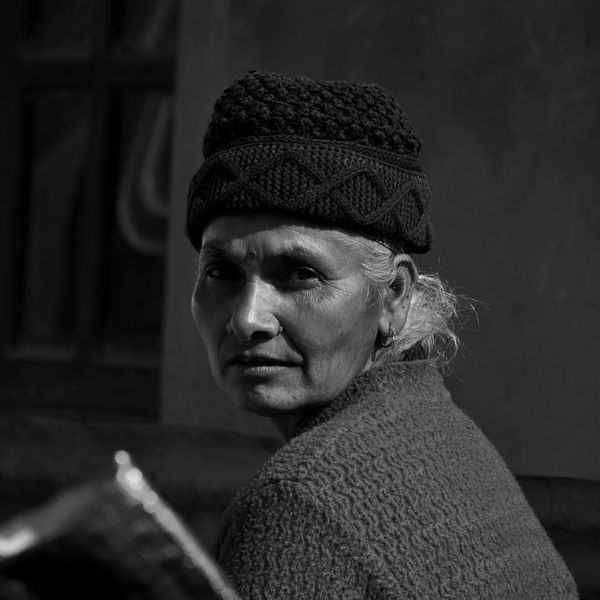
By the time the plates come back to my kitchen each evening, I already know more about a trekker than their guide does. Rice pushed flat against the rim, dal barely touched, the pickle sitting in its little steel dish exactly where I set it: that plate has told me who is stopping in Manang because the itinerary says to and who is stopping because their body has already decided for them. A guest can tell me anything they like across the table. I have thirty years of scraped plates that say the body speaks first.
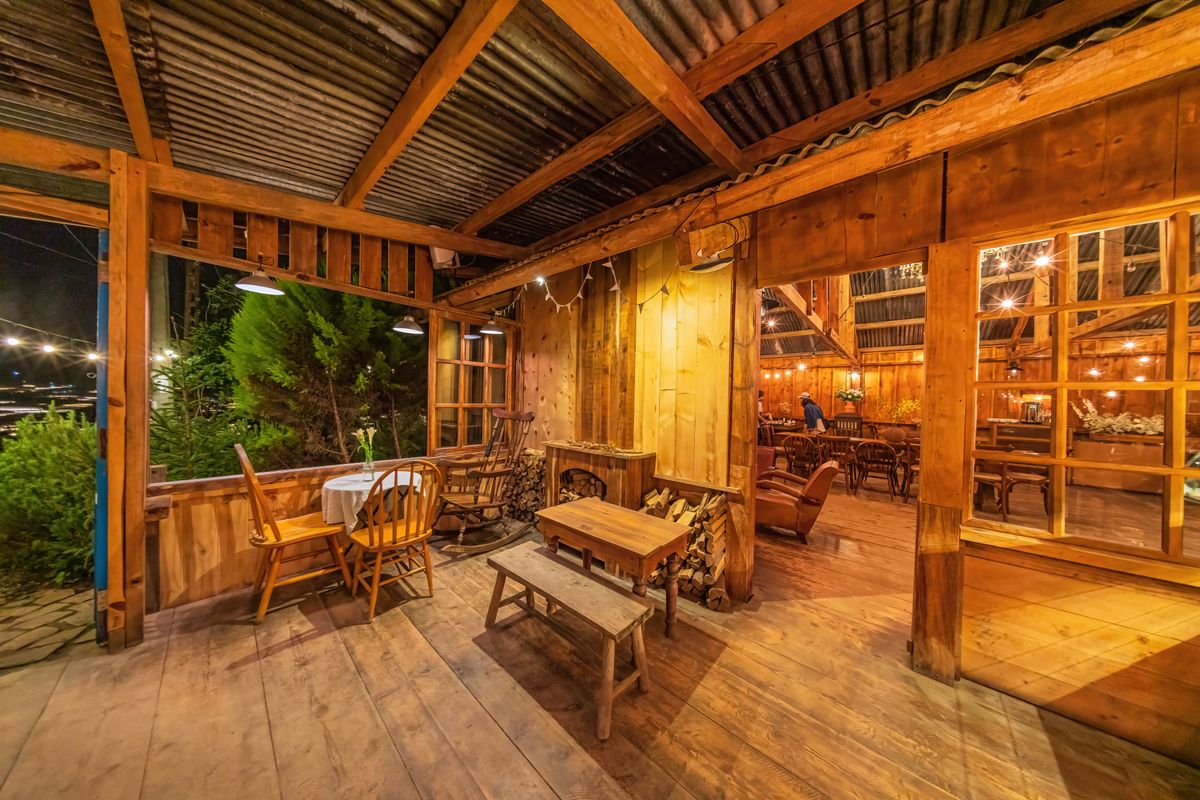
Chame
The German trekker at table four went back for a second helping of dal bhat before I had cleared his first plate, spoon working steady, rice gone to the last grain, pickle eaten though most foreigners leave it untouched. That is a man who slept well at 2,670 metres and isn't yet thinking about the ten days of uphill ahead of him. He ordered a second black tea, unprompted, and asked what time breakfast started without asking whether he'd need it early.
Two tables over, a woman traveling alone left half her rice and most of her greens, turning her fork through the dal without lifting it twice. She said the walk in had been easy, said it twice, which is the kind of thing people say when they want it to be true. Her plate said otherwise. It said she'd covered the distance on will rather than appetite, and will runs out before Manang.
The German will be in Manang within three days, complaining mildly that the acclimatization day is boring. The woman I'm not so sure about. I told the guide to watch her at breakfast before I'd said a single word to her about it.
A clean plate two nights running worries me more than a trekker who admits they're tired.
— kitchen notes
Manang
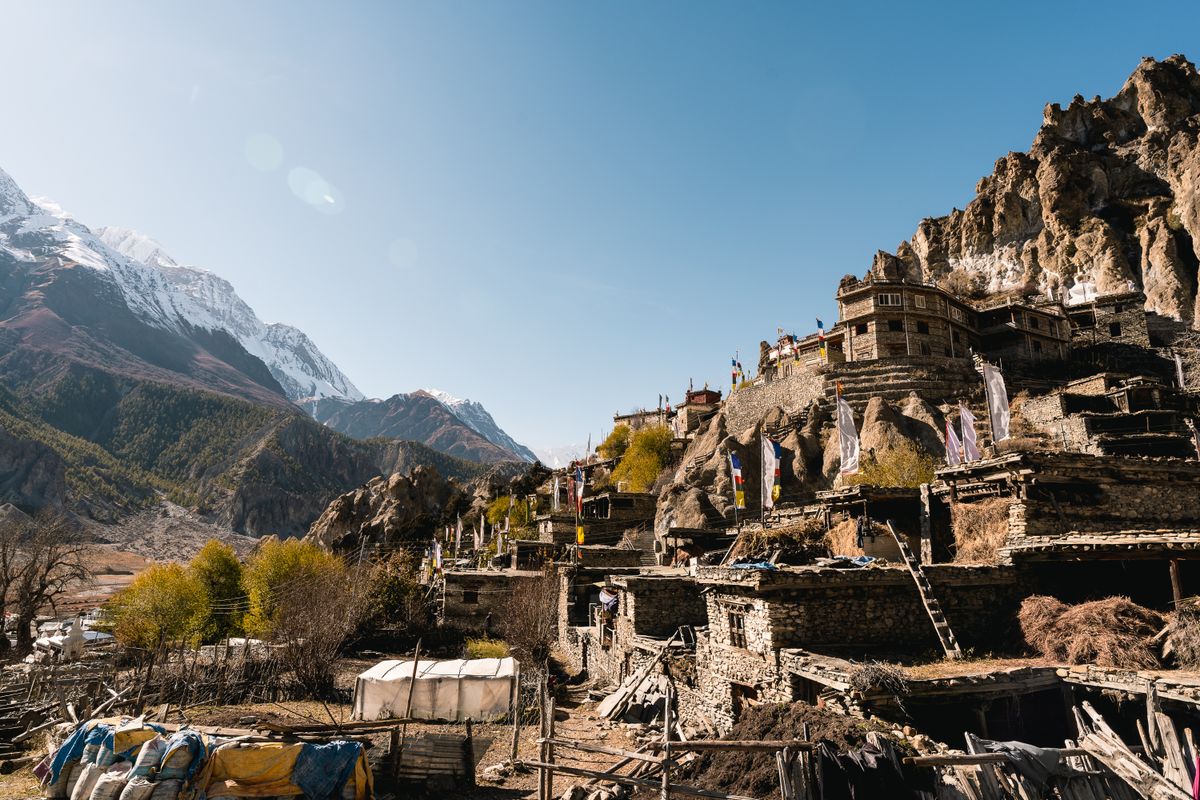
Manang is where the appetite tells on people before the altitude does. Everyone stops here for a mandatory rest day at 3,540 metres, officially to acclimatize, and I watch the second night's dinner more closely than the first, because by the second night the mountain has had a full day to work on them.
A trekker on his rest day ordered dal bhat and ate perhaps a third of it, pushing the rest around his plate, saying he wasn't very hungry after the acclimatization walk that morning. He mentioned a headache, nothing serious, he said. I've fed enough people at 3,540 metres to know that nothing serious and a third of a plate together mean I should be listening for his door at two in the morning.
Her tablemate ordered nothing at all that second evening, just black tea and dry biscuits from her own pack, and sat facing the window rather than the room. Guides notice fever and vomiting. I notice a trekker who stops ordering food from my kitchen and starts eating from her own bag, because that's a person already planning her way down before she's said so to anyone, including herself.
The headache went on to Thorong Phedi two days later, slower than his group but moving under his own power. The woman with the biscuits turned around and went back down the valley the next morning, and nobody who'd shared her table was surprised. Least of all me.
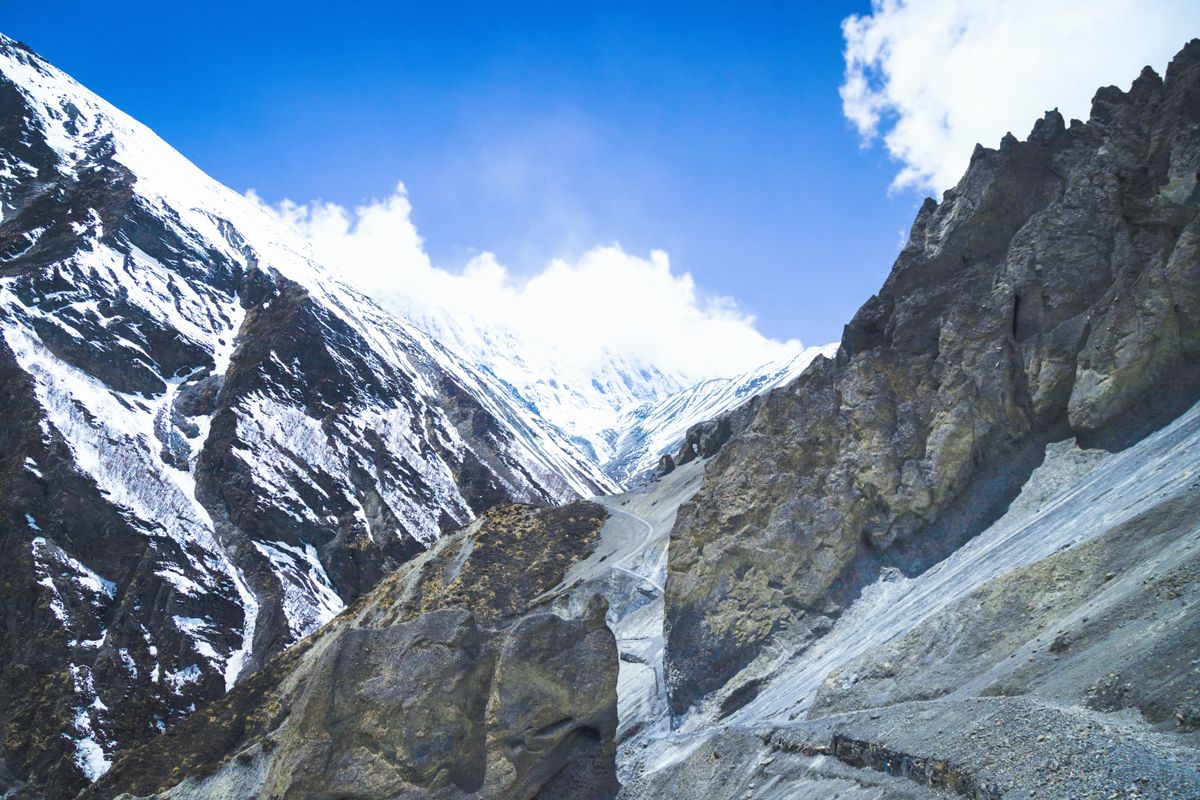
Thorong La
At Thorong Phedi, 4,450 metres, dinner is served early and eaten fast, because everyone in the room knows they're up again by three or four in the morning for the push to the pass. I watch these plates harder than anyone's all trek, because this is the one stage where a bad plate the night before means a genuinely bad morning, not just a slow one.
A young Australian ordered dal bhat power, 24 hour, the way half the trekkers do as a joke by this point in the circuit, and then actually finished the plate, unlike most who order it as a punchline and eat half. Nine hundred and sixty six metres to the pass in one push, starting in the dark and cold before the afternoon wind gets going, is not a distance you cover on a joke. It's a distance you cover on a plate like his.
innkeeper's notes
Sleeping elevation above 3,000m: gain no more than 400 to 500 metres a day. That's why Manang's rest day at 3,540m exists, not because it's scenic.
Thorong Phedi (4,450m) to Thorong La (5,416m) is roughly 966 metres of ascent in one push, usually started around 3 to 4am so trekkers clear the pass before the afternoon wind.
Thorong High Camp, roughly 4,880m, is the last stop before the pass for those who don't push straight from Phedi.
Watch the plate, not the mouth. A trekker who stops finishing dal bhat before anyone mentions a headache is usually the more honest symptom.
Prices climb with altitude because everything is carried up by porter or mule. The same dal bhat costs more in Manang than in Chame, and more again near Thorong Phedi.
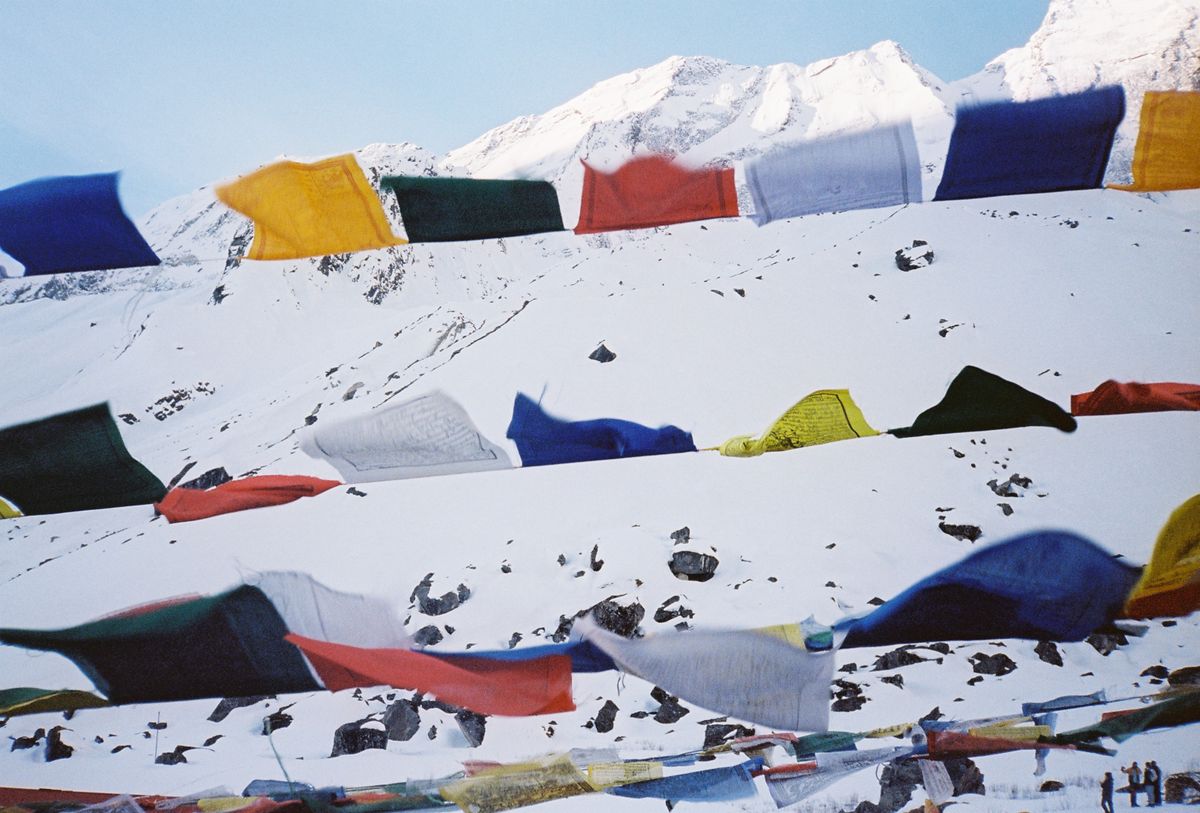
Another guest at the same table told his girlfriend, loud enough for the whole dining room, that he'd trained for this and Thorong La would be nothing to him. His plate at three in the morning was two bites of porridge and a black tea he didn't finish before pulling on his boots. I didn't say anything. I've learned that a trekker who announces his fitness at breakfast is telling the room what he wants to be true, not what his plate already told me.
The Australian crossed the pass by mid morning and was eating a second breakfast in Muktinath, 3,800 metres, before noon. The one who'd trained for it made the pass too, in the end, an hour behind his own girlfriend and considerably quieter than he'd been at dinner. I don't know that I taught either of them anything. I know what their plates told me the night before, and I was right both times, which is about all a teahouse owner can ask of thirty years in a kitchen. ■