Full Time in Vava'u: A Whale-Season Sail Out From Neiafu

No whale's been sighted yet, not officially, but the skipper's already reading the water like a front row reads a scrum, shoulders down, eyes on the seam where the swell changes colour. That's Vava'u in whale season, the island group in northern Tonga where locals stopped just watching humpbacks from the rail years ago and started getting in the water with them, one licensed boat at a time. Every year the whales come up from the feeding grounds off Antarctica to breed and calve in this warm water, and every year Vava'u makes visitors work for the privilege of getting close.
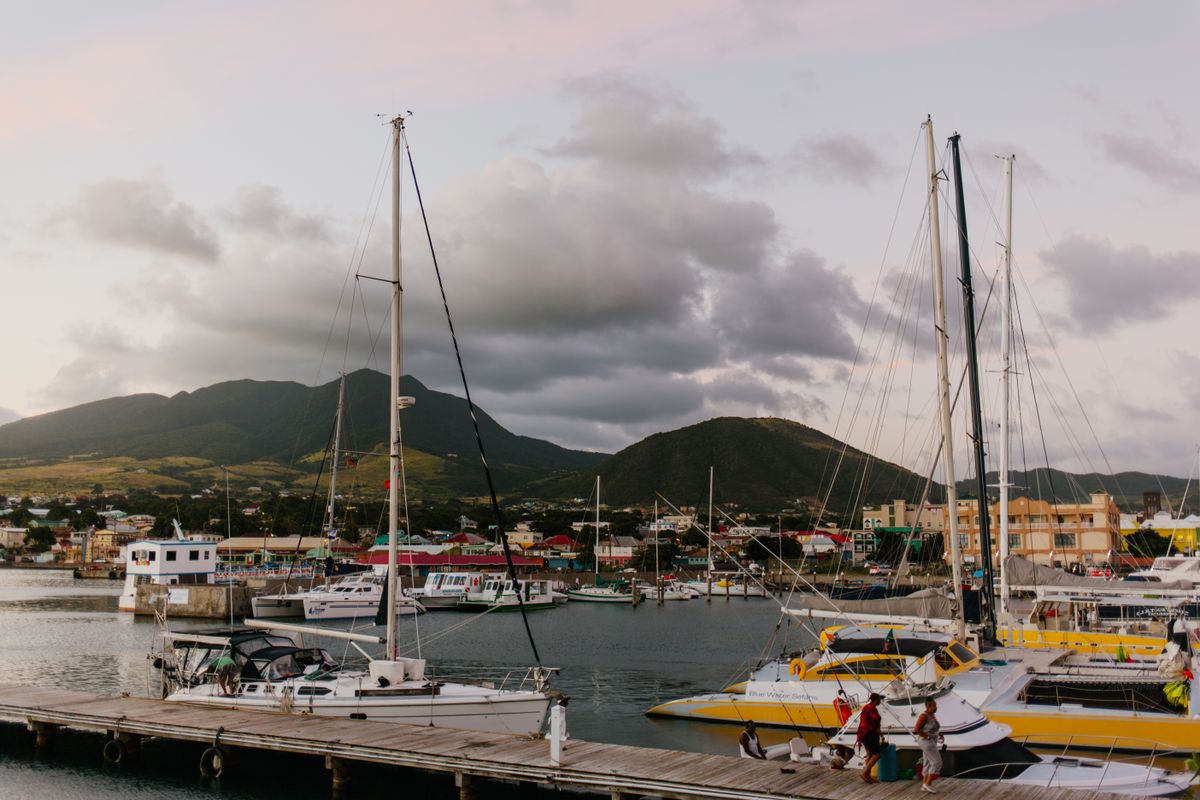
Warm-Up: Casting Off From the Port of Refuge
Neiafu pulls yachts in from half the Pacific for a reason. The harbour's deep enough and sheltered enough that sailors have called it the Port of Refuge for longer than anyone on this dock can date, and on a July morning in whale season it looks like a warm-up circle before kickoff, hulls nose to nose, crews trading weather reports instead of team sheets.
Our operator runs the same drill every departure. Licence checked, boat capacity checked, snorkel gear fitted before the ropes are off, because Tonga only lets whale swims run through licensed outfits and they take the cap seriously. Nobody's getting near a mother and calf on a boat that hasn't done the paperwork.
Eight of us today, three who've snorkelled before, five who haven't, and the skipper reads that mix the way a coach reads a bench. No judgment in it. Conditioning's a fact, not a verdict, and today's fact is that half this boat will be working harder than the other half by lunchtime.
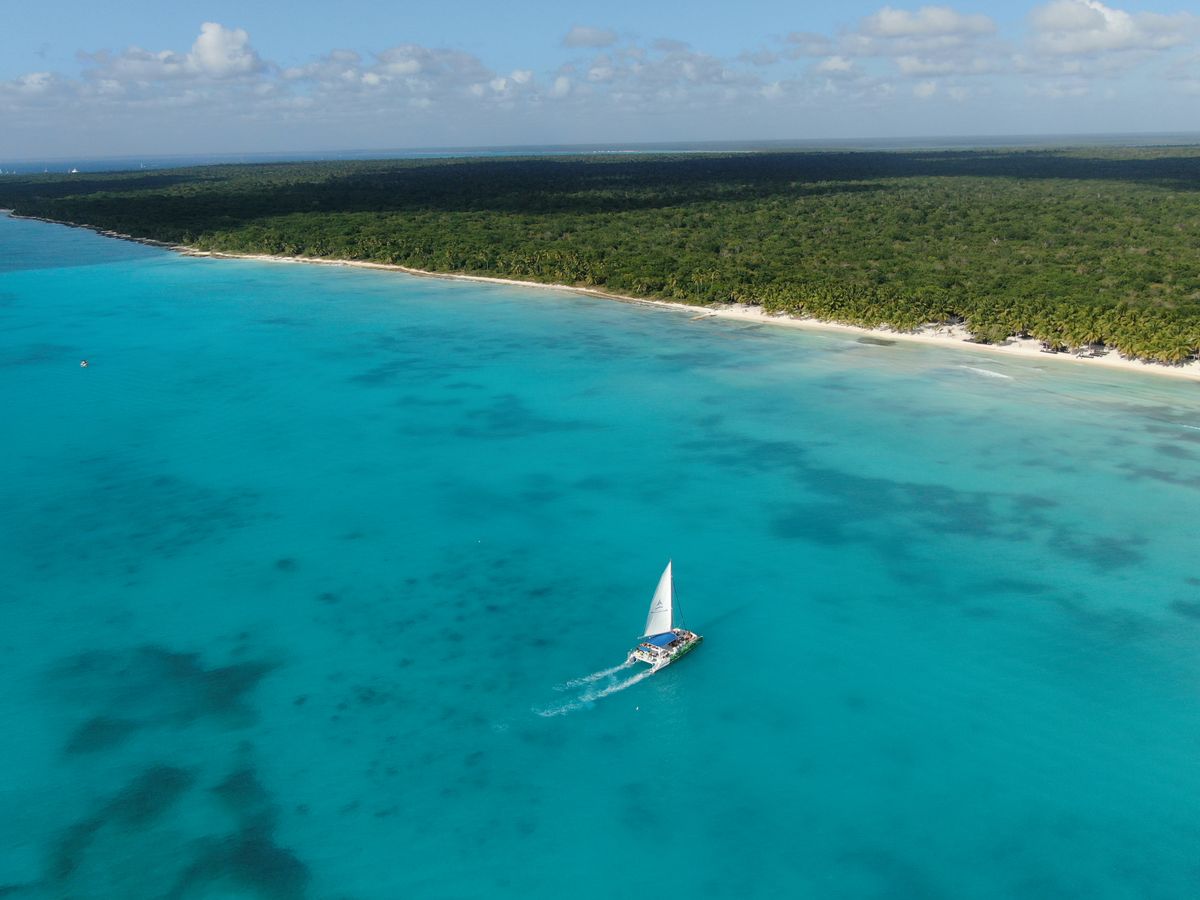
Past the last mooring the swell opens up and the islands of Vava'u start doing what they do, dropping green shoulders straight into blue water with no warning. Half an hour out, the engine cuts. Somebody on the bow has spotted a blow.
Before You Book
Ask to see the operator's licence before you hand over a deposit, not after.
Pack your own rash vest. Sun and saltwater both work you over out there.
Go light on breakfast. You'll be finning hard with no warning.
August and September are peak season. Book Neiafu operators weeks out, not days.
Full Time: In the Water With Vava'u's Giants
First sighting is a blow maybe a hundred metres off the bow, then nothing for ten minutes, same as any match that opens with both sides testing each other before commitment. The skipper cuts the engine early and lets the boat drift down onto the whale's line instead of chasing it, because chasing a humpback is a game the boat loses every time.
Our guide takes swimmers in twos, never the whole boat at once, because Tonga's rules exist to stop a mother and calf ever feeling surrounded. My turn comes and the water is warmer than the deck made it look, clear enough to see the calf before the mother, which is the wrong order and also exactly how it should be, since she is the one deciding whether we stay.
Holding position over a whale is its own conditioning session. No wall to push off, no rest between reps, just fins working the whole time to stay clear of her tail without falling behind the drift. Ten minutes in the water and my legs know it more than any hill on Vava'u ever has.
Whale Swim Day, Vava'u
Full time: she sounds, tail up, and the whole boat exhales like a crowd after a missed conversion.
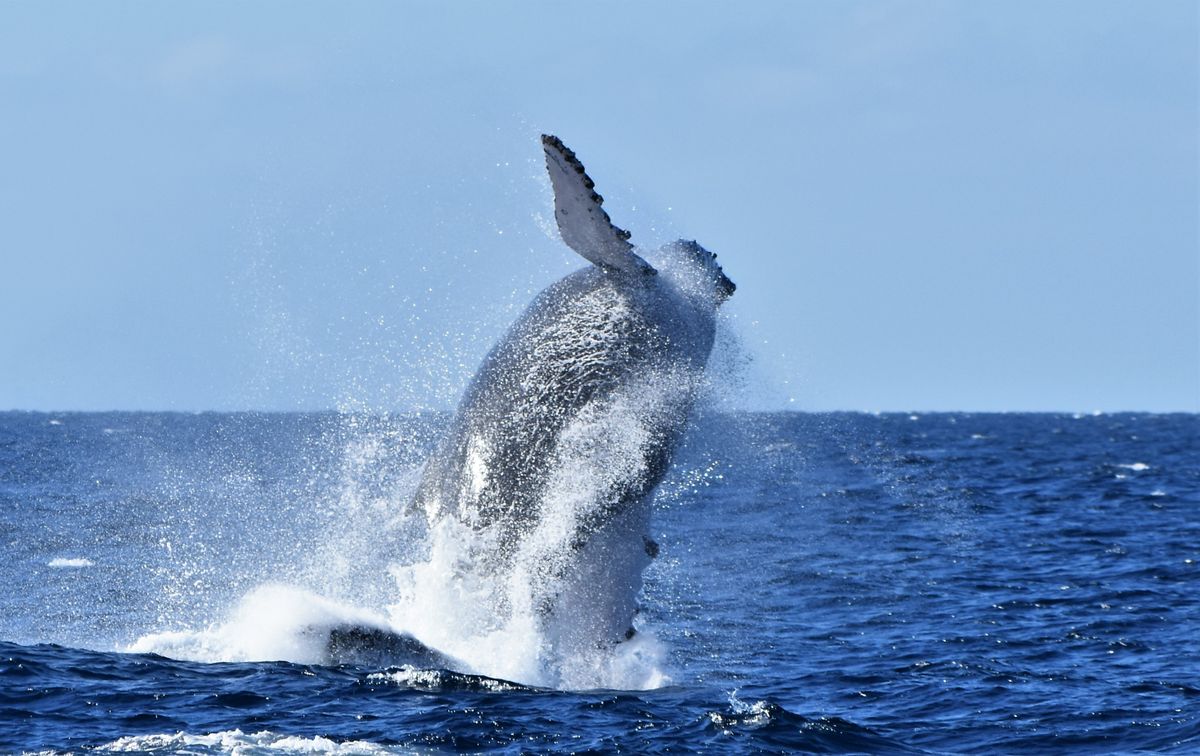
Full time comes when she sounds, tail up, straight down, and the whole boat exhales at once like a crowd after a missed conversion. Call it forty minutes on the water, one mother-calf pair, zero contact and not one complaint: a clean result for the first session of whale season, and Vava'u hasn't even brought its bigger pods out yet. ■