Three Crossings on the Bosphorus, by the Rules of the Road
A working ferry captain grades a day of Istanbul traffic, on the water and on the gangway, by who actually had right of way.

Eminönü to Üsküdar, 0715
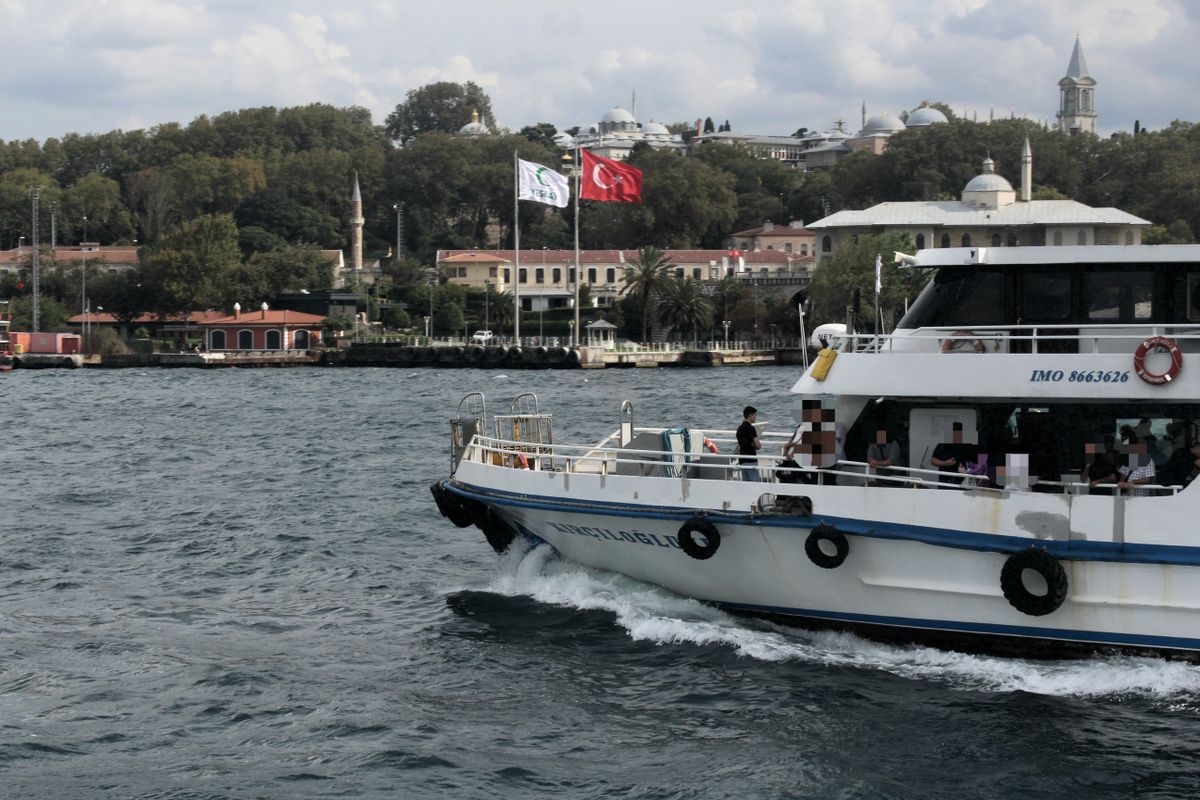
Two knots of current running south that morning, spillover from the Black Sea pushing down through the strait same as it does most Augusts, not enough to fight but enough to correct for if you're lining up a pier approach. Eight ferries in view from the wheelhouse before we'd even cleared our own berth, three more waiting their slot at Eminönü, and two Boğaz Turu tour boats still loading passengers for the long haul up to Anadolu Kavağı. Ordinary Tuesday traffic.
Commuters know how a pier works without being told. They queue along the rail, let the boat empty before they board, hold their tea steady when the gangway shifts underfoot. Half the queue at Eminönü was carrying simit from the cart by the tram stop, the other half a glass of tea from the stand at the top of the ramp, and nobody spilled either climbing aboard.
Right-of-Way, Pier Side
A tour group came down the ramp from Sirkeci at a dead run, phones up, cutting straight across the boarding line to grab rail spots before the horn. Under any reading of pier etiquette that's a crossing situation, and the party crossing an established line of commuters headed for the gangway is the give-way vessel. They didn't check for traffic and didn't slow, and the queue had to break formation to let them through. Nobody shouted. Istanbul commuters absorb this the way you'd absorb a wake, lean into it, keep walking.
We backed off the berth on schedule, the group got their rail spot, and the ferry that had been holding at the outer buoy for our slot took station behind us without complaint. Give-way vessel behaved badly and stand-on vessel absorbed it anyway, same as most mornings. That's the whole system, on the water and off it, working exactly as designed even when one side never learns the rule it's breaking.
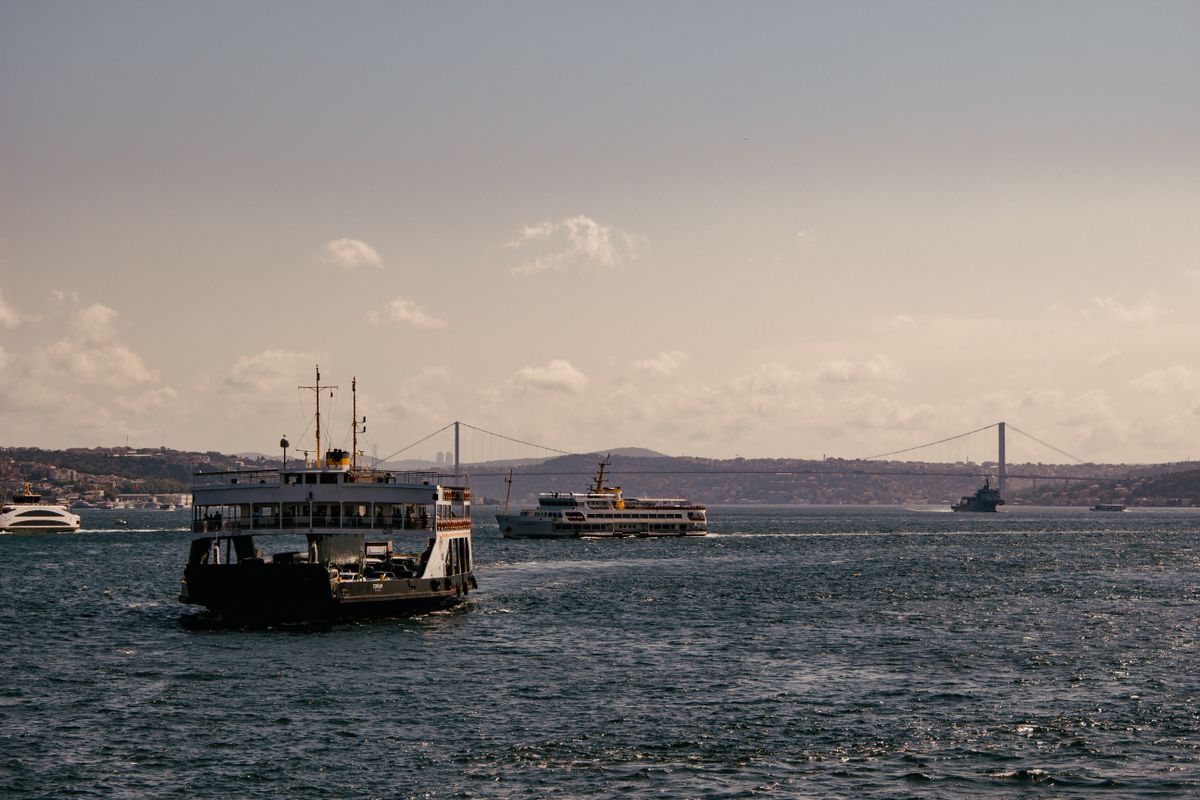
Mid-Strait, Passing Anadolu Hisarı
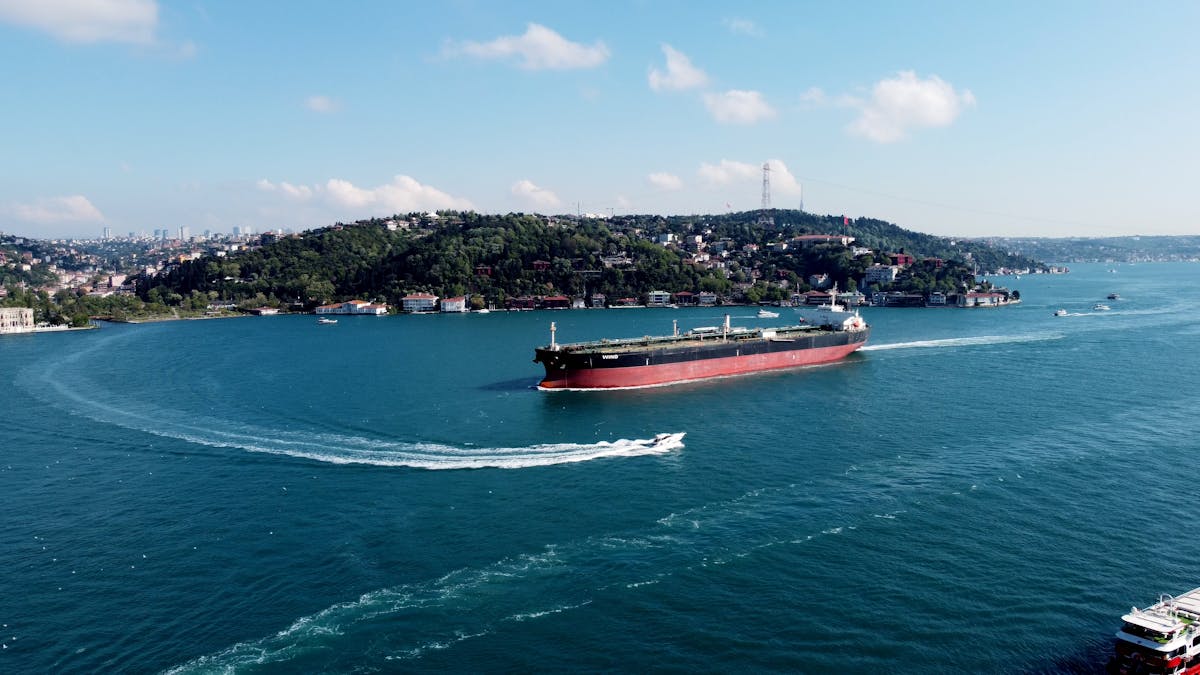
Current picked up to just under three knots by the time we cleared the second bridge tower, and the AIS screen showed four cargo vessels inside a two-mile stretch of water we needed to cross diagonally. One of them was a tanker running light, high in the water, holding maybe eleven knots on a course that put her broad off our port side.
She wasn't going to alter for us, and she shouldn't have had to. A loaded commercial vessel that size, with that draft and that turning radius, doesn't have the room to make a small correction just because a passenger ferry wants to hold a straight line. We came off our course early, cut speed, and let her pass ahead with clear water to spare. Passengers on the open deck got their photo of a red hull filling half the strait and had no idea it had already been decided who was moving for whom.
This isn't theory for anyone who's worked the wheelhouse. The Bosphorus carries tanker and cargo traffic through the same channel as thirty-odd ferry routes and around forty million ferry passengers a year, all funneled through a strait that narrows hard in places to barely more than the length of two ferries end to end. A captain who insists on the technical right to hold course against a deep-draft vessel that can't easily stop or turn isn't defending a principle. He's making a mistake he only gets to make once.
We held give-way status for the full crossing and came back onto our line only once her stern had cleared our bow by a comfortable margin. Correct call, and not a close one. Give-way vessel gave way, stand-on vessel held her course, and the only chaos anyone saw was on a passenger's phone screen, cropped tight enough to look closer than it was.
The bigger vessel with less room to turn gets the room. Everything else is a photo opportunity.
— wheelhouse notes
Üsküdar to Eminönü, Last Light
Current had eased back to under a knot by half past seven, evening slack settling in, and traffic on the AIS had thinned to the last few commuter runs and one Princes' Islands boat coming home late. Easiest crossing of the day by a wide margin.
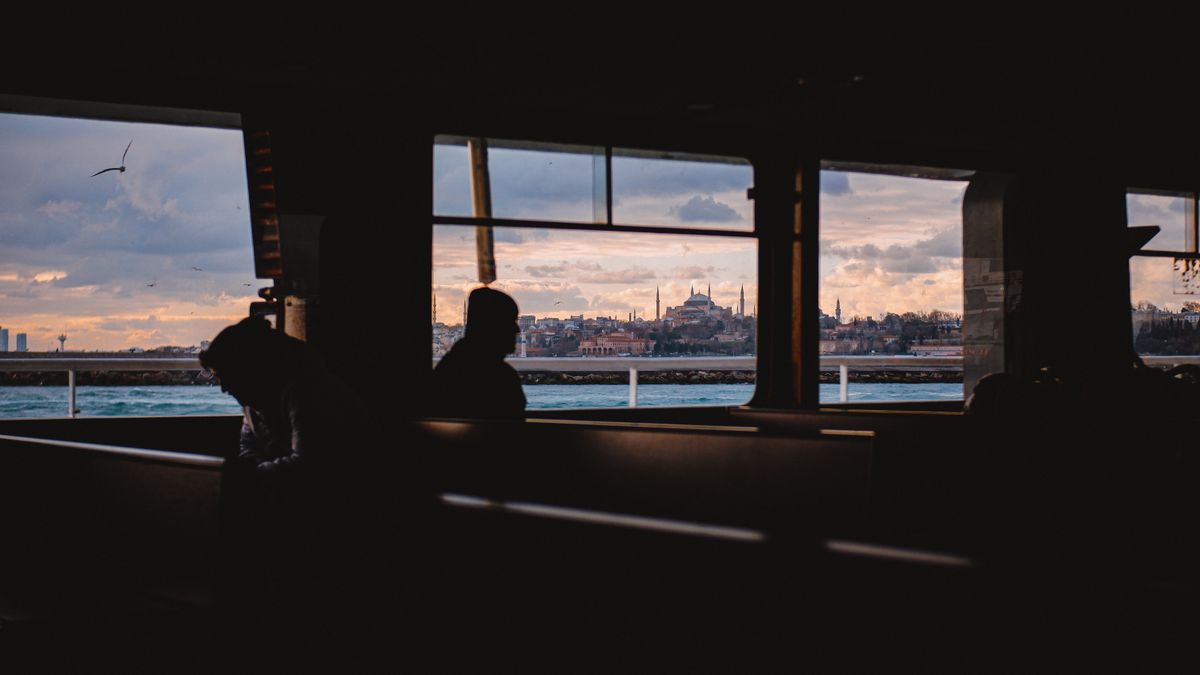
The return leg empties out fast this time of evening. Regulars who'd ridden out standing at the rail that morning were sitting now, tea in hand, watching the mosque domes along the Üsküdar shoreline turn from gold to grey as the light dropped behind the hills on the European side. Nobody was rushing the gangway. Nobody needed to be.
Captain's Notes
Board from the stern when a tour group is loading at the bow. You'll avoid the crossing situation entirely instead of arguing your way through it.
Take the starboard rail outbound from Eminönü for the clearest run at the bridge and the palace grounds, no scramble required.
If a ferry is slowing well before its pier, it's giving way to something you can't see yet. Don't fight the rail for a photo, wait it out.
Three crossings, one working rule under all of them. The tour group at Eminönü was the give-way vessel and never checked for traffic before crossing the queue. The tanker off Anadolu Hisarı held stand-on status by weight and draft, and we gave way early enough that nobody on board even clocked the decision. Final verdict for the day: two clear give-way calls, both correctly resolved, and an evening crossing quiet enough that the question never came up. That's what a good day on the water looks like from the wheelhouse. ■