Saaremaa, From Rough Stock to Finished Bowl
A juniper carver rates Saaremaa's crater, windmills, and craft stalls the only way he knows: by how much carving each one still has left in it.

Roughing: Off the Muhu Ferry
Thirty minutes is the whole first cut. That's the crossing time from Virtsu to Kuivastu on Muhu, and it isn't enough time to remove much bark, only enough to notice the water is the same grey as unstripped juniper before it dries. From Kuivastu the causeway, the Väike Väin, runs straight onto Saaremaa itself, no second ferry, no second ticket. Call this the roughing stage: material's on the bench, nothing shaped yet.
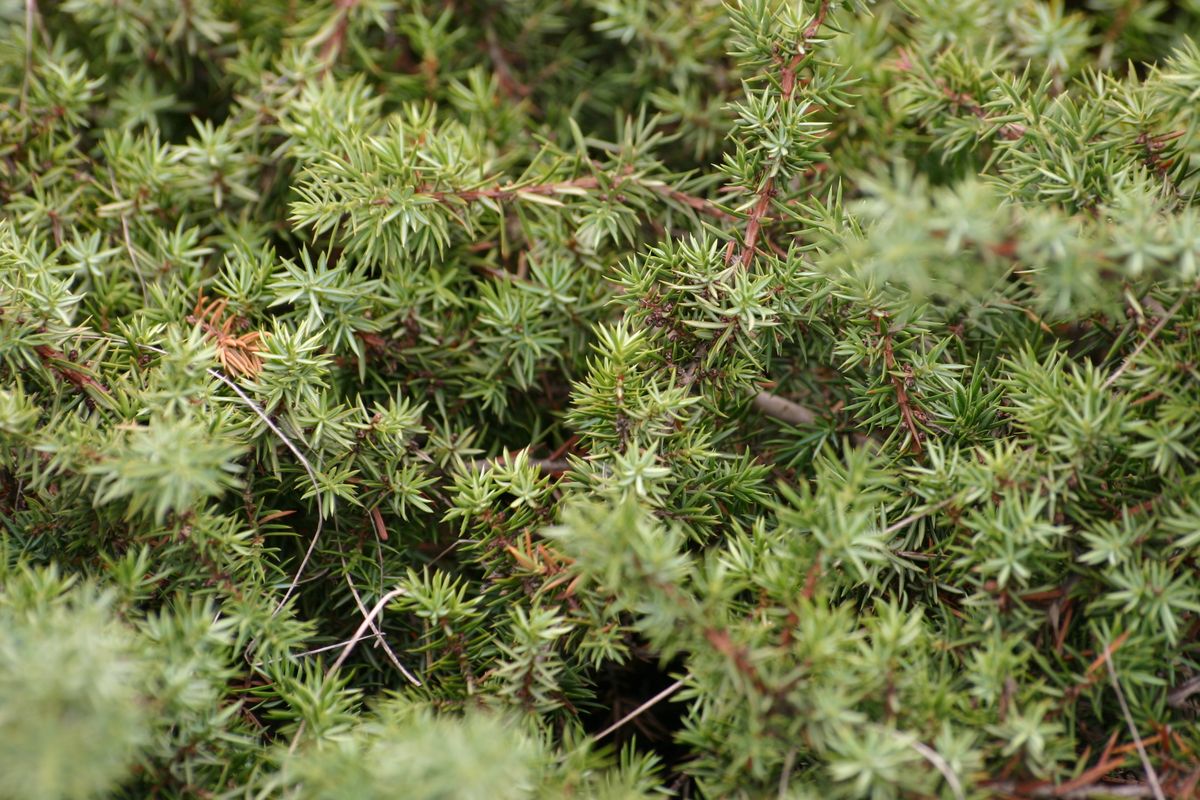
The coast road out of Kuivastu is where the actual stock declares itself. Juniper scrub runs the fields on both sides, low and grey-green, not planted in rows the way a tree farm would be, just growing wherever the dolomite under the topsoil lets it. I've worked this wood my whole life and I'd never seen this much of it standing at once. A field of blanks, none of them cut yet.
A café at the Kuivastu terminal had a sign up calling its pastry case true island flavor. Everything in it was shrink wrapped from a mainland bakery. I know unfinished work dressed up as finished work when I see it, whether it's a spoon or a cinnamon roll, and that sign was sanded smooth over stock that never got carved at all.
So call the first hour what it is. Rough stock, bark on, no maker's mark. Still needs work, all of it, and that's exactly right for an opening pass. Nobody expects a blank to already be a bowl.
Shaping: The Crater and the Mills
Two things on Saaremaa are further along than rough stock without being finished, and neither one is going to get there by the time I leave.
The Kaali crater sits inland from the coast road, a meteorite strike from about 3,500 years ago that punched a hole 110 meters across and 22 meters deep, with eight smaller craters scattered nearby that together make up what's reckoned the most dramatic crater field anywhere in Eurasia. Entry is free. There's a small car park, a small restaurant, and a few handicraft sellers set up near the path in, but no ticket booth and no rope line, just a bowl in the ground with trees growing partway down the sides.
Call it the island's own oldest scar, still being worked on by root and weather the same slow way I'd take a gouge to a knot I can't avoid. Three and a half thousand years hasn't finished the job. The rim is still eroding, the water at the bottom still rises and falls with the season. I stood at the edge longer than I meant to. A piece that's been in progress since before there was a Saaremaa to hit is not one I'm going to rush past.
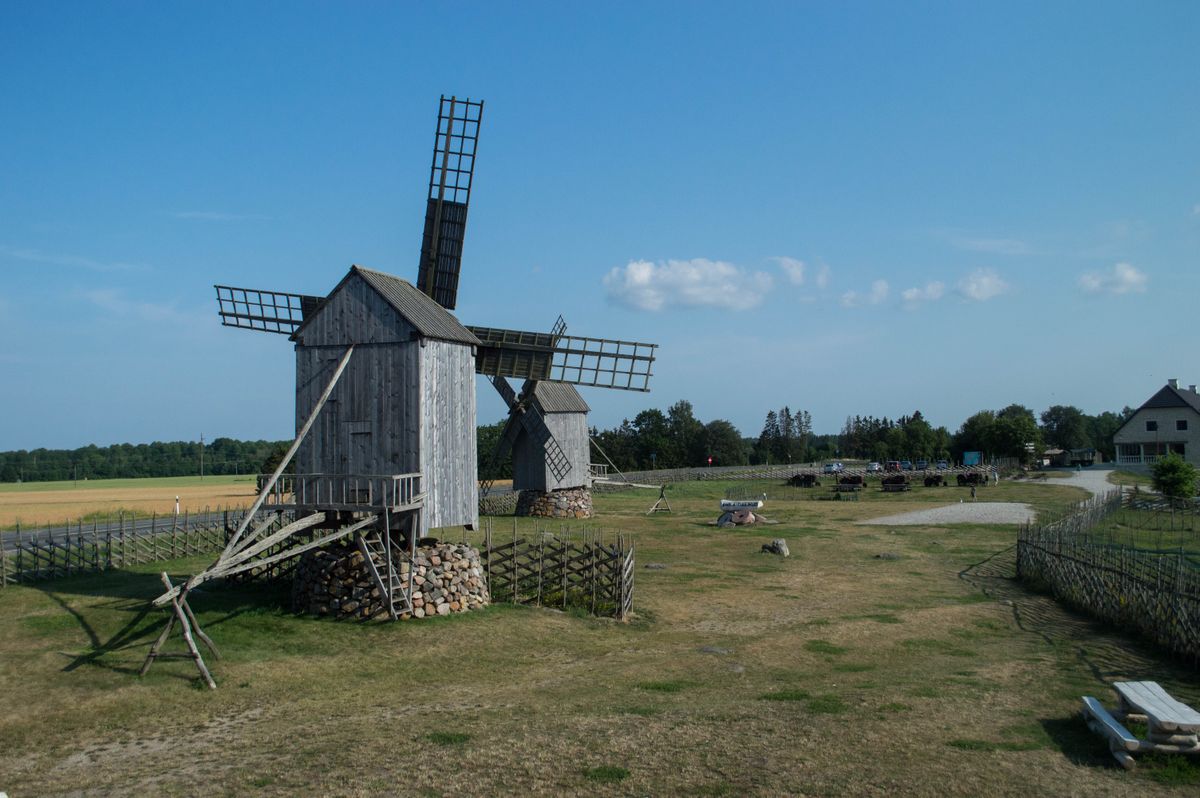
Angla Windmill Park is the other half of this chapter, a short drive on from the crater. Five windmills stand there, the best preserved on the island, built in the late 1800s and now the last group of working-style mills still standing on Saaremaa, alongside a small heritage center. Their sails are set the way a carpenter leaves a chisel mid cut, positioned like the next gust decides something.
A century of standing there hasn't made the mills finished either, not the way I use the word. They're sound enough that a real wind would still turn them, whether or not that's what anyone asks of them most days. Shaped, not rough anymore, definitely past the blank stage. But shaped isn't the same as done, and I won't put a maker's mark on either of these two just because they've been worked on for a long time.
Still needs work, both of them, on two completely different clocks. The crater on a geological one, the mills on whatever clock keeps a hundred-year-old machine from seizing. Ready to use: not yet, not by my definition. Worth stopping for regardless.
Three and a half thousand years and the crater still is not finished with itself.
Finishing: The Stalls of Kuressaare
By the time I got back into Kuressaare the light was doing what it does at the end of a carving session, low enough that tool marks show up whether you want them to or not. That's the right light for judging finished work, and finished work was finally what I was looking at.
Kuressaare's stalls and the workshop space at Juniperium Studio carry actual juniper, boxes and bowls cut and worked right there on the island, not shipped in from somewhere the wood is cheaper. You can smell the difference before you can see it. Fresh-cut juniper has a resin smell that fades within a year or two, and half the pieces on the tables still had it.
carver's notes
Kaali crater entry is free, no ticket booth, just a small car park and a path in.
The Virtsu to Kuivastu ferry runs about 30 minutes; the causeway onto Saaremaa proper follows straight after, no second crossing.
For juniper actually worked on the island, ask at Juniperium Studio in Kuressaare before buying off a general souvenir shelf.
Angla Windmill Park's heritage center is small, worth pairing with Kaali as one loop rather than a separate trip.
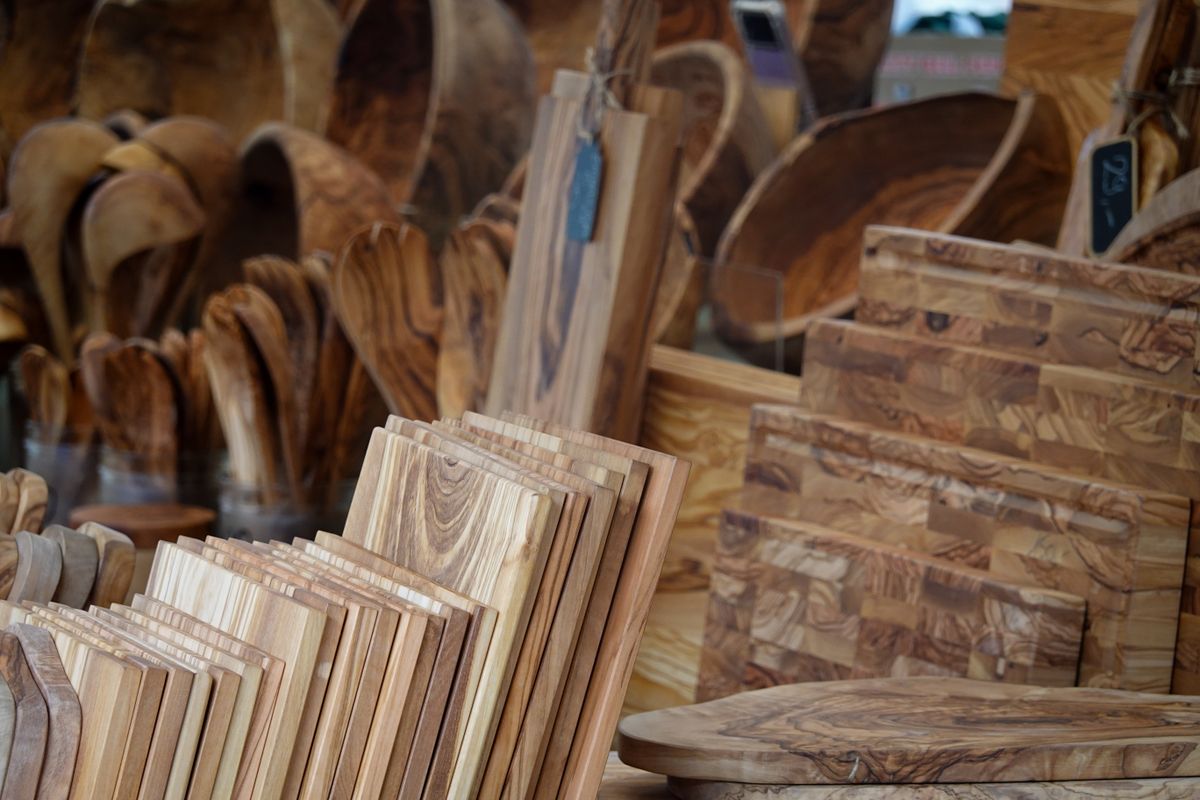
One stall had bowls with walls too even on the inside, no fight in the grain the way juniper grain fights a slow blade when it's actually being carved by hand. Lathe turned, and finished only in the sense that the machine stopped moving. That isn't the same thing as finished in my sense of the word, and I told the seller so, politely. She agreed and pointed me toward the hand-cut ones at the back without much argument.
Those back-table pieces had the grain doing what juniper grain does when someone's actually followed it instead of fighting it, tool marks left visible on purpose, no attempt to sand out the evidence of the hand that made them. I bought a small bowl. Ready to use, mine included. That's the first ready-to-use stamp I've put on anything all day.
Rough stock at Kuivastu, two pieces mid shape at Kaali and Angla, one finished bowl in Kuressaare by evening. That's the whole day's progress report, and I'm not going to dress it up as more than that. Some days you rough out. Other days you get to finish something. This one did both, on schedule, nothing more sentimental than that. ■