Between Neon and Incense: Finding Japan's Pulse on the Well-Worn Golden Route
Fourteen days, four cities, and the discovery that even the most traveled path through Japan still holds secrets in its convenience stores, train stations, and the patient kindness of strangers

Day 1-4: Tokyo - The Electric Embrace
The moment I step out of Narita Airport's sliding doors, Tokyo hits me like a wave of organized chaos. The humid April air carries the faint scent of cherry blossoms mixed with diesel exhaust, and suddenly I'm navigating the labyrinthine depths of Shinjuku Station - 3.5 million people pass through here daily, they tell me, and I believe every statistic.
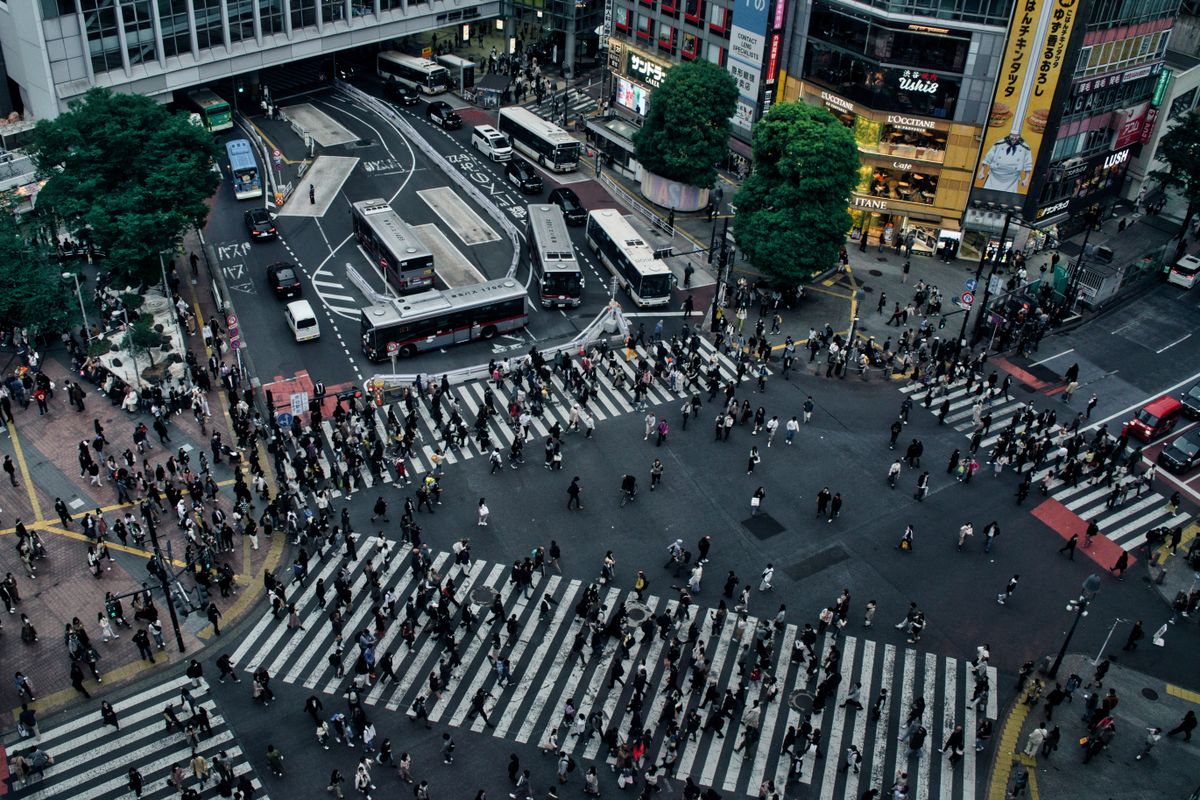
Shibuya Crossing at 8 PM
Standing at the world's busiest intersection, I'm mesmerized. When the lights turn red, the intersection becomes a human river - hundreds of bodies flowing in perfect choreography, no collisions, just this beautiful urban ballet. The massive screens above pulse with advertisements for things I can't read but somehow understand. A girl in a sailor uniform checks her phone mid-crossing without breaking stride. This is Tokyo's heartbeat made visible.
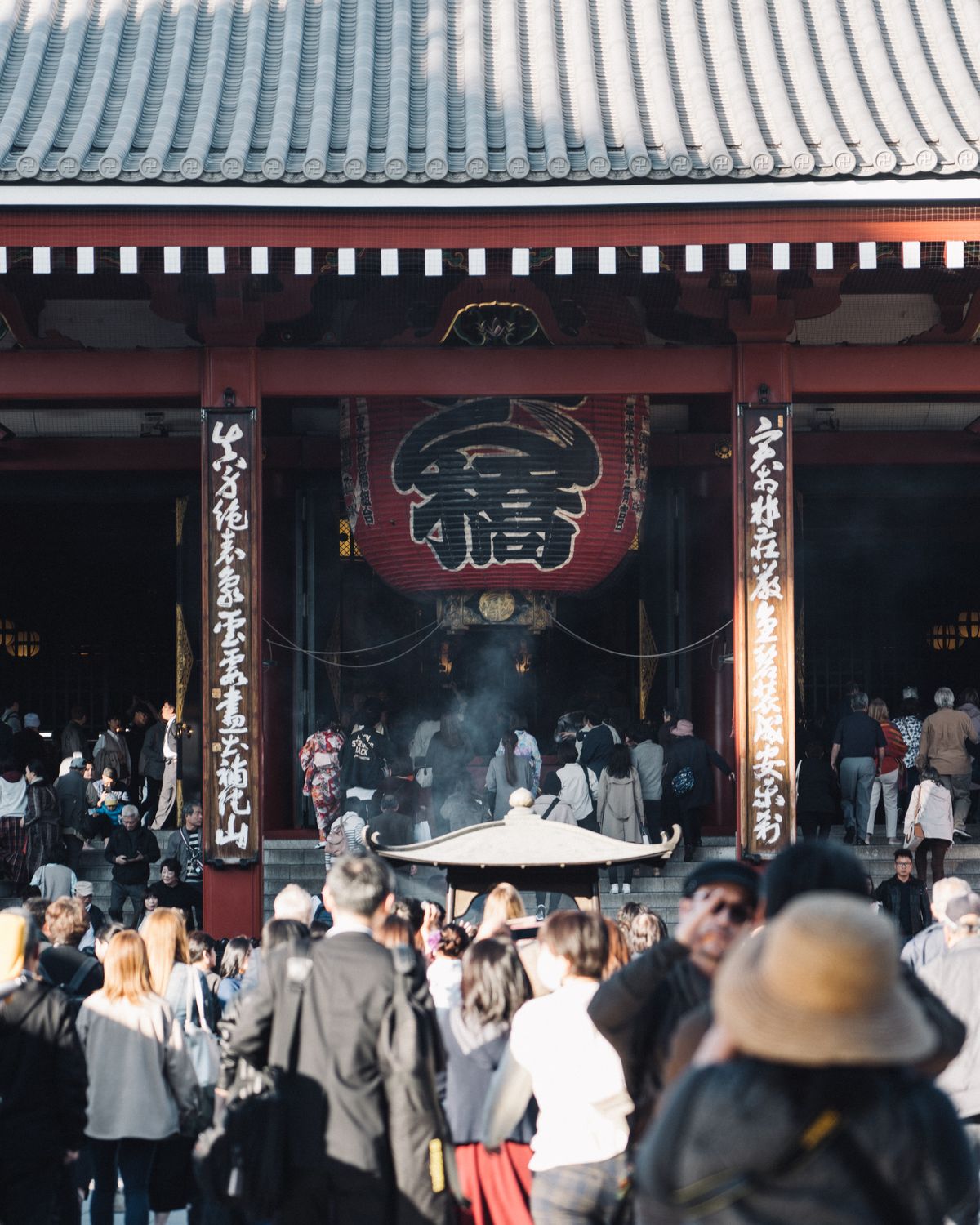
Asakusa's Senso-ji Temple
The contrast jolts me. From neon madness to the smell of incense and the sound of wooden prayer plaques clacking in the wind. At 6 AM, before the tourist buses arrive, I watch elderly locals perform their morning rituals. An old woman in a purple jacket feeds the temple pigeons, bowing slightly to them. The massive paper lantern at Kaminarimon Gate needs repainting - you can see where thousands of hands have brushed against its base, leaving their oils, their wishes, their presence.
Harajuku on Sunday
Takeshita Street is a candy-colored fever dream. I'm dodging teenagers with rainbow crepes, their faces painted with temporary tattoos. The air is thick with the scent of fresh cotton candy and grilled yakitori. In Yoyogi Park, rockabilly dancers in leather jackets perform for no one in particular, their pompadours defying both gravity and the passage of time.
Japan doesn't reveal itself all at once. It parcels out its secrets in small doses - in the perfect temperature of a konbini egg sandwich, in the bow of a hotel cleaner to an empty hallway.
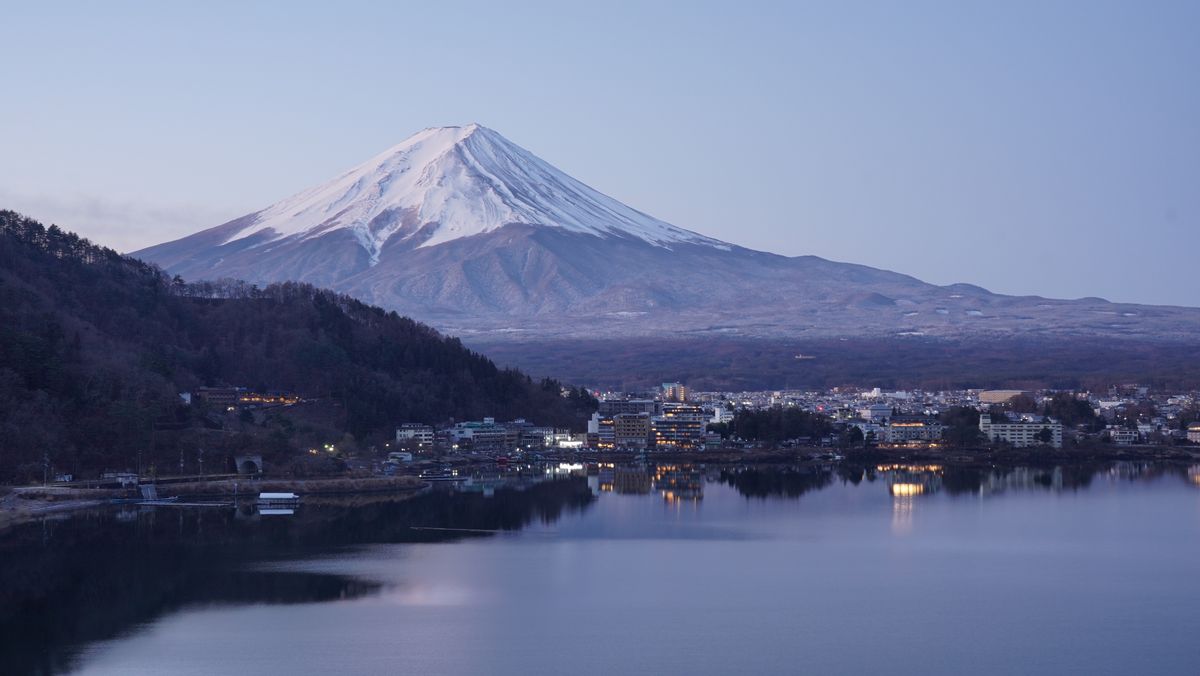
Day 5-6: Mount Fuji & Hakone - Into the Clouds
The romance of seeing Fuji-san for the first time from the Odakyu Romance Car is real - until it isn't. The mountain plays hide and seek behind clouds, and I learn the first rule of Fuji: she shows herself when she wants to.
Lake Ashi
The pirate ship tourist boat is absurd and perfect. As we glide across the lake, Fuji suddenly emerges, pristine and impossibly symmetrical. Everyone gasps in unison - Japanese, American, French voices all making the same sound of wonder. The lake's surface mirrors the mountain so perfectly it feels like a meditation.
Owakudani
The sulfur hits your nostrils before you even see the volcanic valley. Steam rises from cracks in the earth like the planet is exhaling. I eat a black egg boiled in the sulfur springs - supposed to add seven years to your life. It tastes like a regular egg with a hint of mineral water and mythology. The ropeway sways gently over this lunar landscape, and below, tiny figures navigate wooden walkways through the steam.
Evening Onsen
Naked among strangers in the outdoor bath, hot water up to my chin, cool mountain air on my face. The mineral-rich water makes my skin feel like silk. An old man next to me sighs contentedly, and though we share no language, we share this moment of pure, distilled peace.
Day 7-10: Kyoto - The Living Museum
If Tokyo is Japan's caffeinated present, Kyoto is its contemplative soul. My ryokan room has tatami mats that smell of fresh straw and summers I've never lived.
Fushimi Inari at Dawn
I start climbing through the thousand torii gates at 5:30 AM. The vermillion tunnels create their own light, each gate donated by a family or business, their names carved in black characters. Halfway up, panting, I meet a businessman in a full suit making his morning pilgrimage before work. We nod. No words needed. By the summit, Kyoto spreads below like a gray-green quilt, punctuated by pagoda spires.
Gion at Twilight
The maiko hurries past, her wooden geta sandals clicking on wet stone. Tourists raise cameras but she's already gone, disappeared into an ochaya teahouse. The narrow alley smells of grilled eel and expensive perfume. Through a lit window, I glimpse the edge of a private world - shadows moving behind paper screens, the sound of a shamisen, laughter like water over stones.
Arashiyama Bamboo Grove
The tourist photos don't capture the sound - the hollow knock of bamboo stalks colliding in the wind, like a wooden wind chime the size of a cathedral. Light filters green through the canopy. A couple takes seventeen selfies in the same spot. I wait, then walk deeper where the path empties, and for thirty seconds I'm alone with the bamboo and the sound of my own breathing.
Kinkaku-ji
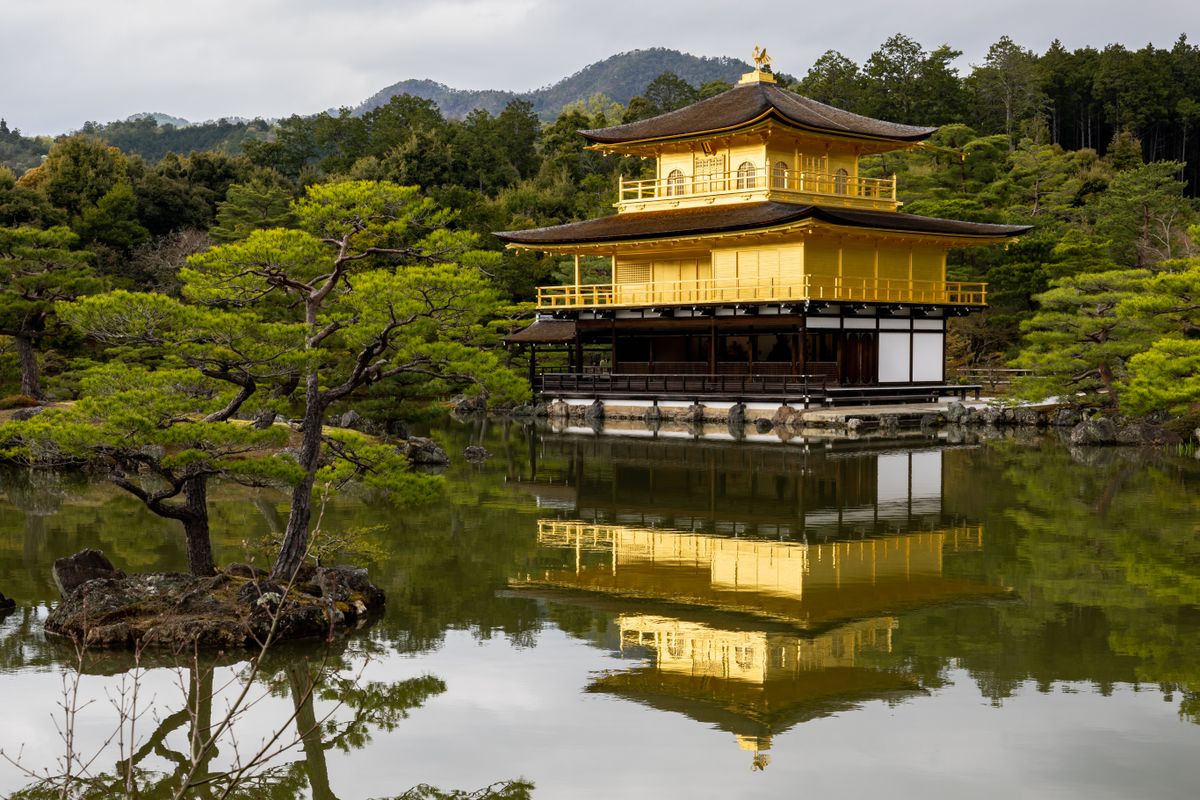
The Golden Pavilion is almost vulgar in its perfection, wrapped in gold leaf that makes it glow even under cloudy skies. Its reflection in the pond doubles the effect. It's the most photographed building in Japan, and yet standing there, I understand why. Some clichés are clichés because they're true.
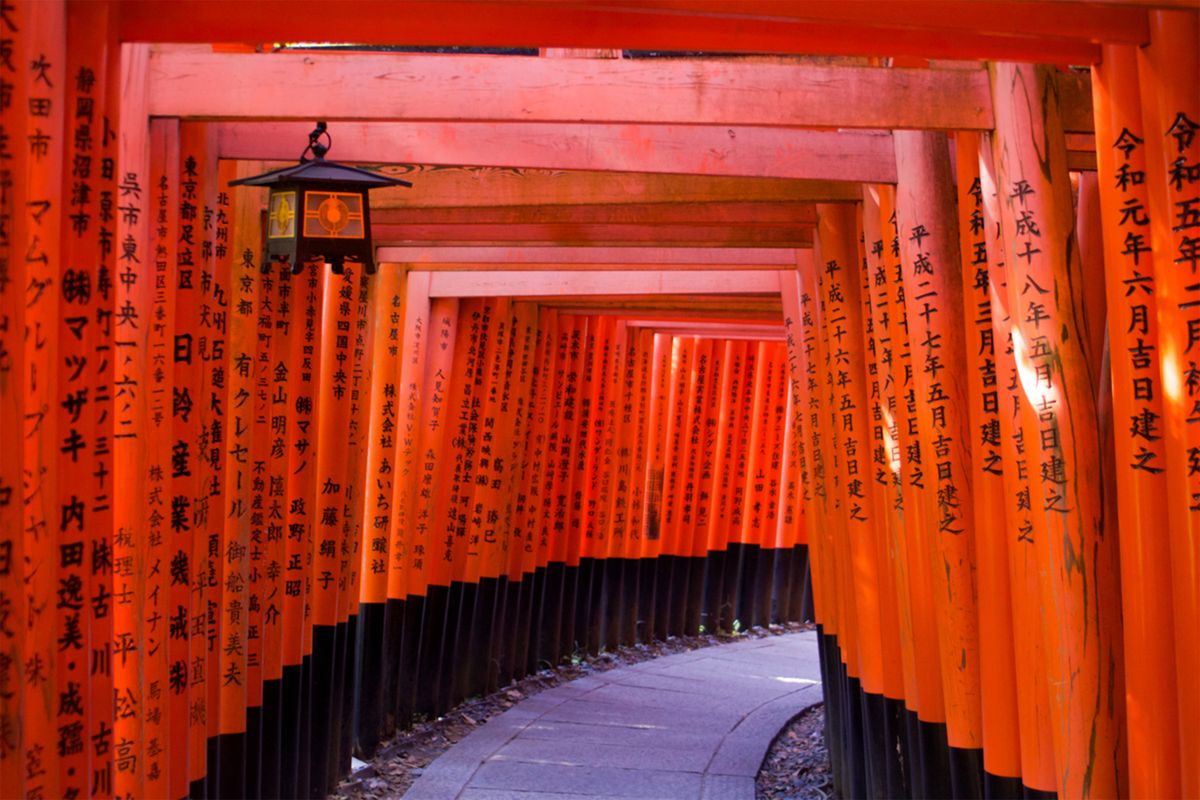
The seemingly endless path of vermillion torii gates at Fushimi Inari Shrine, where each gate has been donated by a Japanese business.
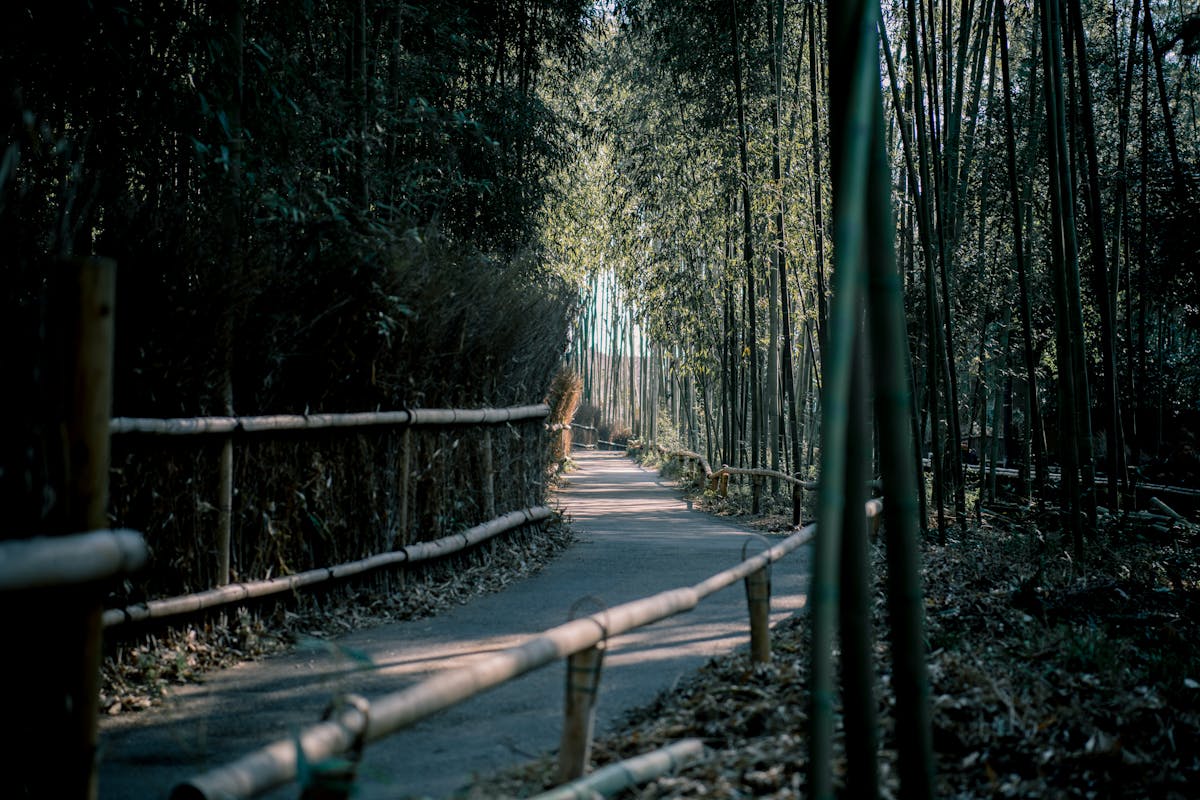
The serene bamboo forest in Arashiyama, where sunlight filters through the towering green stalks creating an otherworldly atmosphere.
Day 11-14: Osaka - The Belly Laugh
Osaka doesn't bow as much. It slaps you on the back and asks what you're drinking.
Dotonbori After Dark
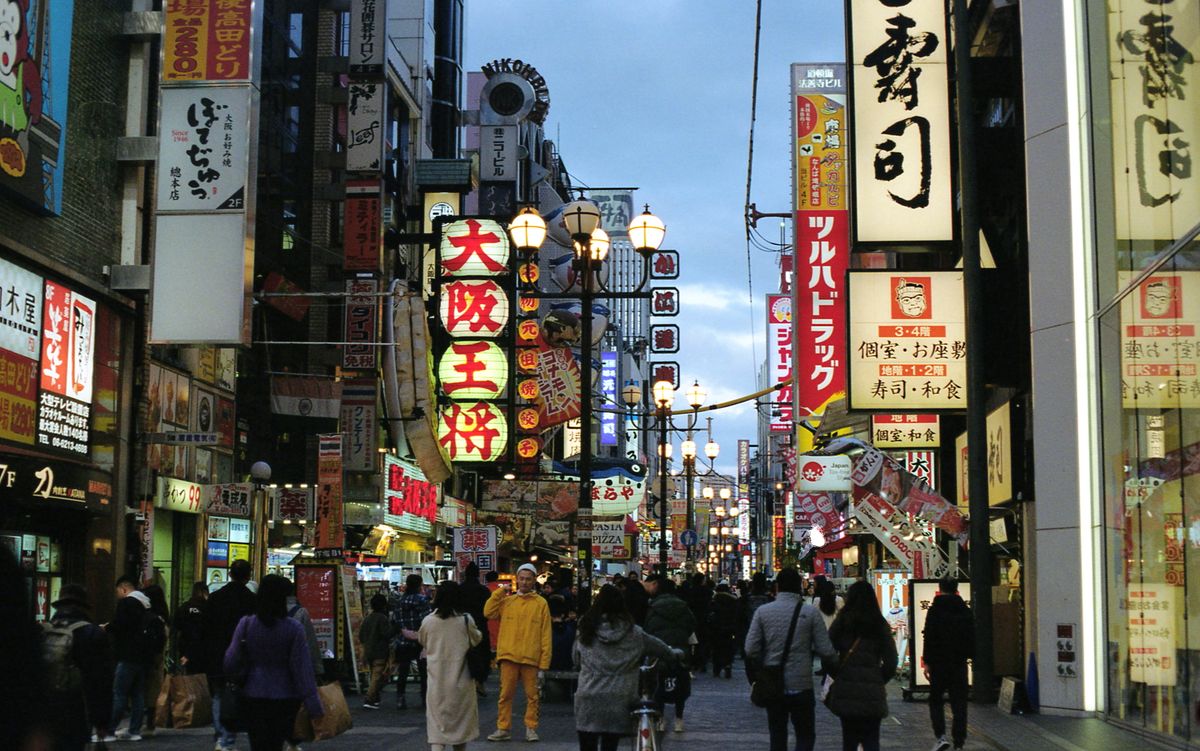
This is sensory overload as an art form. The Glico running man sign presides over a neon canyon where every surface screams for attention. The mechanical crab sign's legs move hypnotically above the canal. The air is thick with takoyaki smoke and the competitive shouting of restaurant touts. I eat kushikatsu from a place with a surly owner who points at the "No Double Dipping" sign in four languages.
Kuromon Market Morning
The tuna auction energy is different from Tokyo's Tsukiji - more intimate, more chaotic. A vendor hands me a slice of perfectly marbled Kobe beef on a toothpick. It melts on my tongue like butter made of dreams. His grandmother, sitting behind the counter, grins toothlessly at my expression. The market smells of fresh seafood, grilled meat, and pickling vegetables - Japan's kitchen indeed.
Osaka Castle
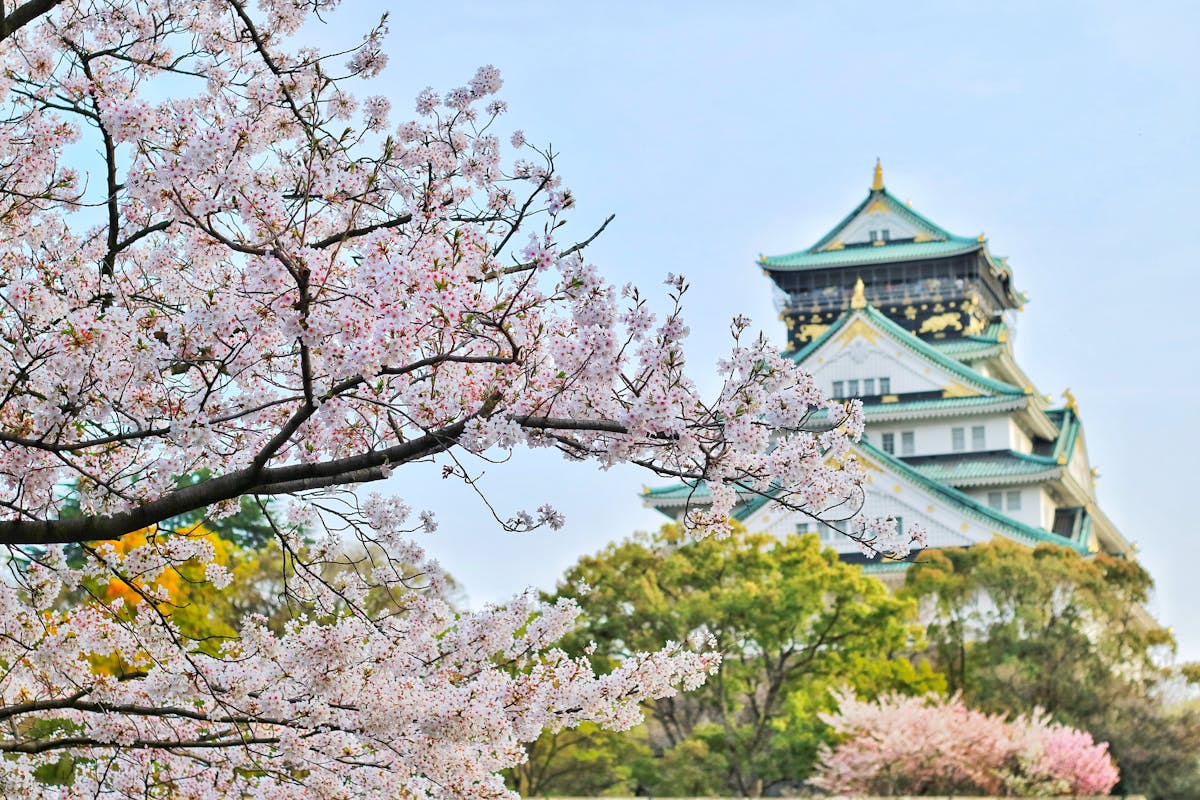
From the top floor, modern Osaka spreads in all directions, but squint and you can imagine the armies that once converged here. A school group in matching yellow hats swarms past. Their teacher carries a flag like a general leading tiny, giggling troops.
Last Night in Shinsekai
This retro district feels like Japan's version of faded Vegas. The Tsutenkaku Tower glows against the night sky. I sit in a standing bar, drinking Asahi from a bottle sweating in the humidity, watching salarymen loosen their ties and become human. A drunk businessman tries to explain the meaning of "kuidaore" - to eat oneself to bankruptcy - using hand gestures and producing a receipt from his pocket that makes his colleague laugh until he cries.
The Golden Route may be the tourist path, but there's gold in it still. You just have to know how to look.
The Golden Route: Final Thoughts
Fourteen days, four cities, countless moments of beauty and absurdity. The Golden Route is well-worn for good reason - it's Japan's greatest hits album, each track a classic. But between the famous sights, in the train stations and convenience stores, in the patient queue formations and the unexpected kindnesses of strangers who walk you to your destination rather than simply point, you find the real magic.
Japan doesn't reveal itself all at once. It parcels out its secrets in small doses - in the perfect temperature of a konbini egg sandwich, in the bow of a hotel cleaner to an empty hallway, in the way Tokyo's chaos suddenly makes perfect sense at 2 AM when you're slightly drunk on sake and possibility.
The Golden Route may be the tourist path, but there's gold in it still. You just have to know how to look. ■