eSIMs for Travellers: An Away-Day Scouting Report

Full time at Gatwick, and the away side's data allowance is already down to single figures. That's the kind of scoreline that used to mean a scramble through an arrivals-hall kiosk, passport out, coins ready, hoping the bloke behind the counter speaks enough English to sell you the right size SIM. Not anymore. Four countries, four eSIMs, one phone that's never left flight mode long enough to matter. This is the scouting report.
I've coached enough sides to know a good plan on paper means nothing until it's tested on the actual ground, in the actual weather, against the actual opposition. Same rule for a data plan. Doesn't matter what the app promises in the departure lounge with full wifi. Matters what happens when you land in a country you've never used their network in, phone searching, bars climbing one at a time like a scrum resetting.
Home ground: setting up before the whistle
Airalo first, because it's the one every squad member already has installed. Bought the Global 3GB plan for 12 US dollars before I'd even left Nuku'alofa, activated it sitting in my kitchen with the home wifi doing the heavy lifting, because that's the one rule nobody breaks twice: you install and activate an eSIM before you fly, not after. Do it on the tarmac and you're relying on airport wifi that's usually worse than what you're trying to replace.
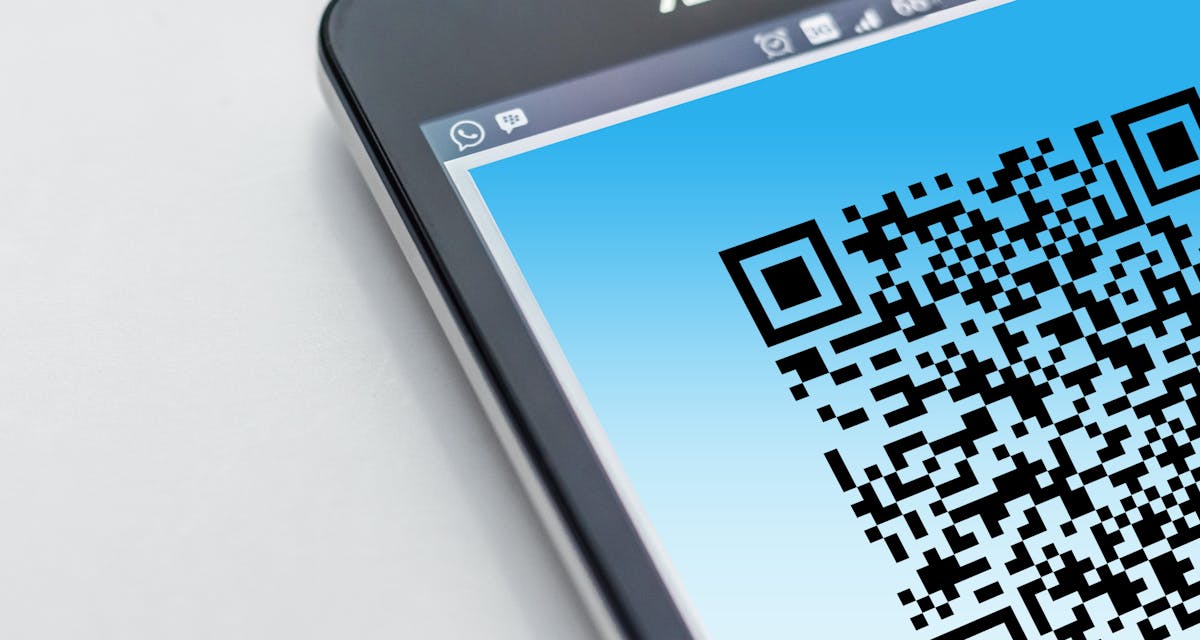
Scanning the QR takes maybe ninety seconds if your hands aren't shaking with pre-match nerves, which mine weren't, because there's nothing on the line here except whether I can post a photo from an airport later. The eSIM installs as a second line, sitting alongside my Tongan number, and you toggle data roaming on for it and off for the home line so you're not double-charged for a signal you're not using. That's the whole setup. No shop, no queue, no counter.
Buy and activate before you fly
Do this on your home wifi, not airport wifi. Check your phone supports eSIM and is carrier-unlocked first — an older or carrier-locked handset won't take a second profile no matter how good the plan is.
First away leg: Gatwick, cold and testing
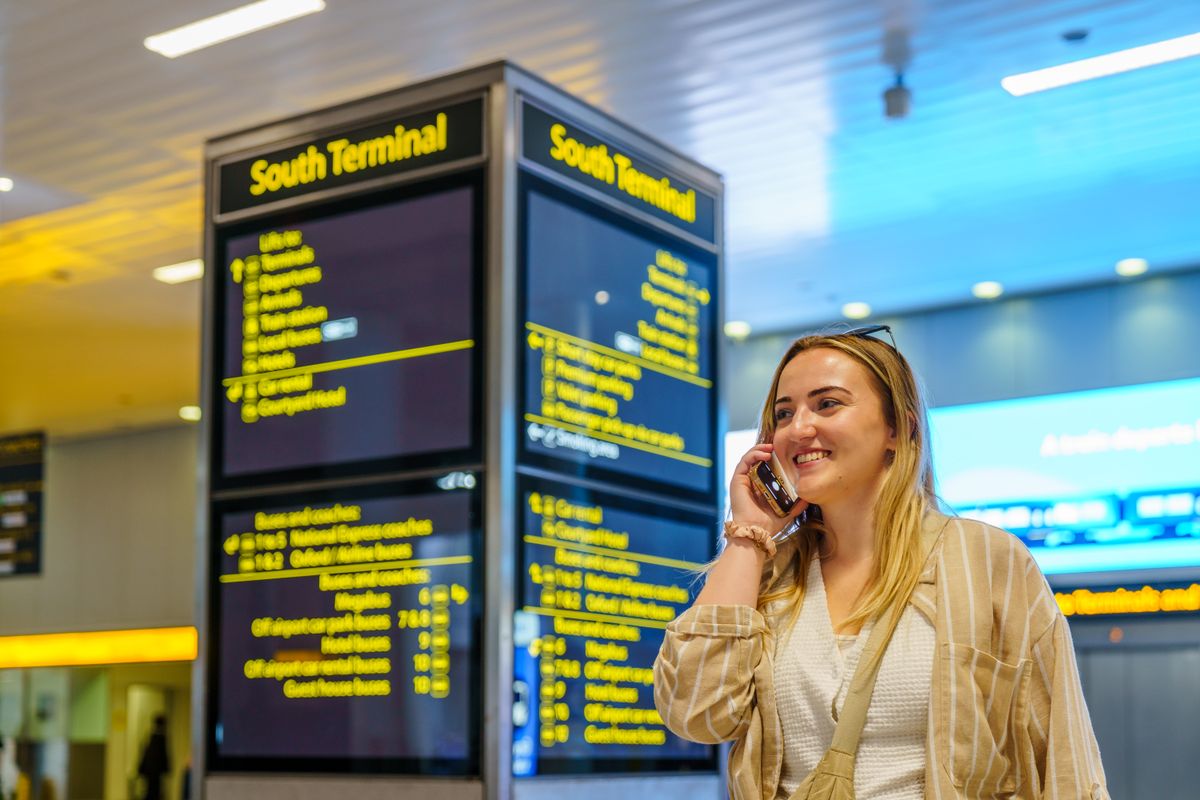
Landed at Gatwick's South Terminal off an eleven-hour leg, the kind of fatigue where a team's shape falls apart in the final ten minutes if the fitness work wasn't done. Phone came off flight mode at the jet bridge. Bars appeared before I'd cleared passport control, which for the Airalo UK-specific eSIM, an actual 1GB-for-7-days plan at 4.50 US dollars I'd added as a top-up rather than burning the global data, felt like a team scoring in the first minute. Early lead, settle the nerves.
Speed test in the arrivals hall clocked 38 Mbps down, which is more than enough to load a map or a message and more than most home routers manage during a full house rugby broadcast. The real test came two days later on a train out past Haywards Heath, hedgerows and sheep instead of terminal buildings, and that's where the UK plan showed its one weakness: data held at a walking pace through the flatter stretches, dropped to nothing for about four minutes going through a cutting near a tunnel. Not the eSIM's fault particularly. Same dead patch on a physical UK SIM in a teammate's phone sitting right next to me. Infrastructure gap, not a provider gap.
Called it even at halftime. Strong start in the terminal, a rough patch in open country, recovered fully by the time we rolled into Brighton. A team that concedes one in a run of dominant play and still wins comfortably. That's a result you take.
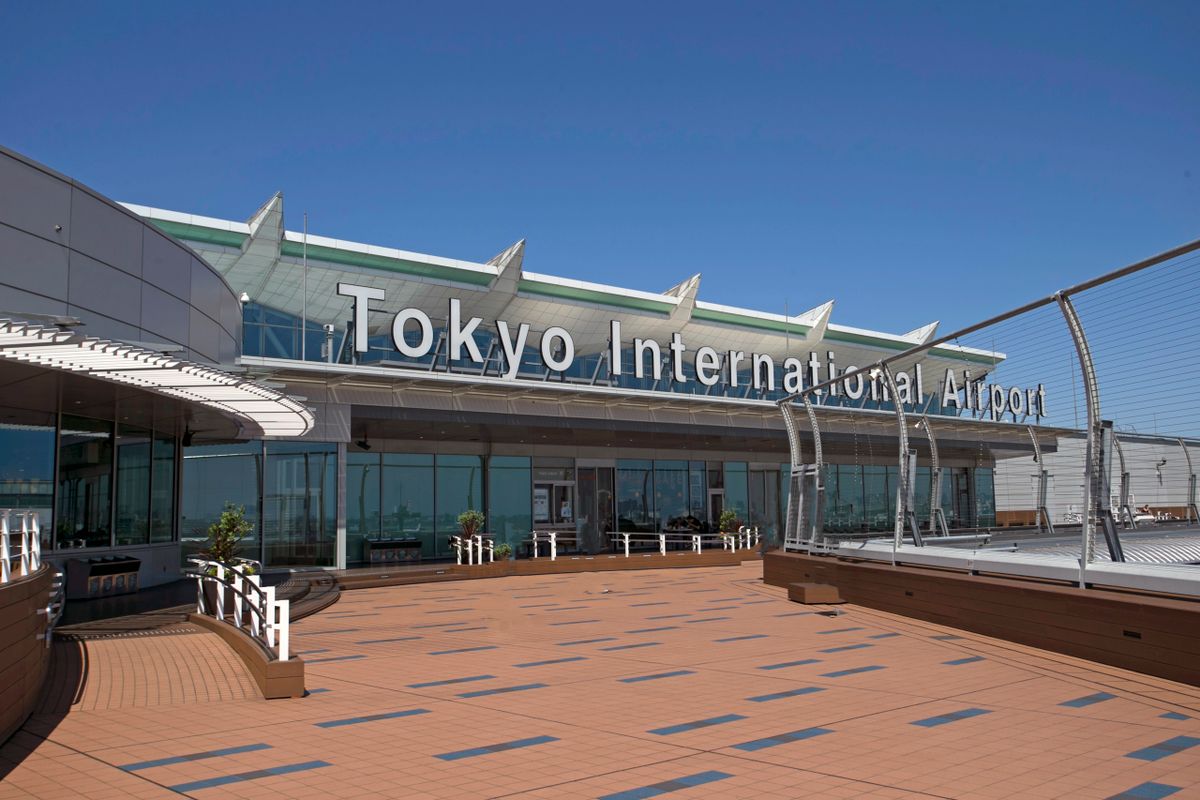
Second away leg: Haneda, a different style of game entirely
Japan plays a different style, and so does its eSIM market. Went with Ubigi this time instead of Airalo, partly to scout the competition properly rather than just backing the same club every fixture. Bought 5GB for 15 days at 15 US dollars, installed before departure the same way, and this fixture opened even faster than the UK leg.
Haneda gave a full signal reading before I'd found the exit, which tracks, since Japan built some of the densest mobile infrastructure on earth to serve a domestic population that's mostly urban. Shibuya crossing at peak foot traffic, thousands of phones all fighting the same towers for bandwidth, and the connection still held at 45 Mbps on a speed test I ran standing in the middle of it like a fool checking his phone instead of watching where he was going.
Took the bullet train down toward Kyoto and watched the bars hold steady through tunnels that would have killed a weaker network entirely, dropping only for maybe fifteen seconds at a stretch before resuming. That's conditioning most countries don't have. Japan's tunnels are covered by dedicated repeaters, so the Ubigi eSIM wasn't doing anything special, it was just riding infrastructure built for a population that commutes underground for a living. Full marks for the plan, but credit where it's due, most of the win belongs to the ground it was played on.
A dense city and a dense signal aren't the same thing, but in Tokyo they travel together.
Away leg on hard ground: the one that actually tested the squad
Every scouting trip needs one fixture on a rough pitch to mean anything, and mine was three hours out from Nadi on Viti Levu's back roads, dry season dust, hills that would have my old backline gasping inside ten minutes. Used a Holafly unlimited plan here, 19 US dollars for 5 days, mostly because Holafly's pitch is unlimited data with no throttling, and I wanted to see if that held up somewhere the towers thin out fast.
Four fixtures, four price tags
It didn't, not fully. Full bars in Nadi town, dropping to one bar and then to a stubborn little 'E' for data by the time the road climbed into the hills, the kind of signal that loads a text message over ninety seconds and gives up on anything heavier. Held for about six of the sixteen kilometres before conceding the rest. No eSIM beats a missing tower. Holafly's unlimited promise means nothing if there's no network underneath it to be unlimited on, same as the fastest winger in the league can't do much if his forwards haven't won any ball.
Back in Nadi that evening, full signal returned inside about four minutes of the road flattening out, and the connection ran a clean 22 Mbps sitting outside a roadside stall eating grilled fish. So the plan itself wasn't beaten, the terrain was, and that's a distinction worth keeping straight before anyone blames the SIM for what's actually a coverage map.
Fifty and a half US dollars across four countries and roughly a month of travel, and every one of those numbers is what actually left my card, not a list price rounded off to sound tidy. Compare that to what a single day of airport-kiosk roaming used to cost on a physical SIM back when that was the only option, and it's not close.
Final whistle on the whole trip: three eSIMs did exactly what they were sold to do, and the fourth got beaten fair and square by terrain that beats everyone eventually. That's not a loss for Holafly, that's just what happens when the away ground doesn't have proper floodlights yet. Buy before you fly, check your phone's compatible, and don't blame the plan for what the hills do to a signal. Full marks to the squad, and a small note in the file for whichever tower company finally builds one out past Nadi's back road. ■