Grading Torres del Paine's Rescue Routes Like Search Sectors
Chile's most photographed trekking circuit, assessed the way a SAR handler assesses ground: by wind, footing, and how long a search window actually stays open, not by how it photographs.
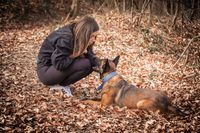
Callout: subject description unknown, last confirmed position somewhere between Refugio Paine Grande and John Gardner Pass, time since last seen anywhere from six hours to three days depending which sector of this park you're standing in when the weather turns. That's not a real callout. Nobody has called me out to Torres del Paine yet, and touch wood, nobody will while I'm there on holiday with Duna and a pack I'm not getting paid to carry. But I walked three sectors of this park the way I'd walk them on shift, and by the end I had opinions about which ones would actually let a dog do her job.
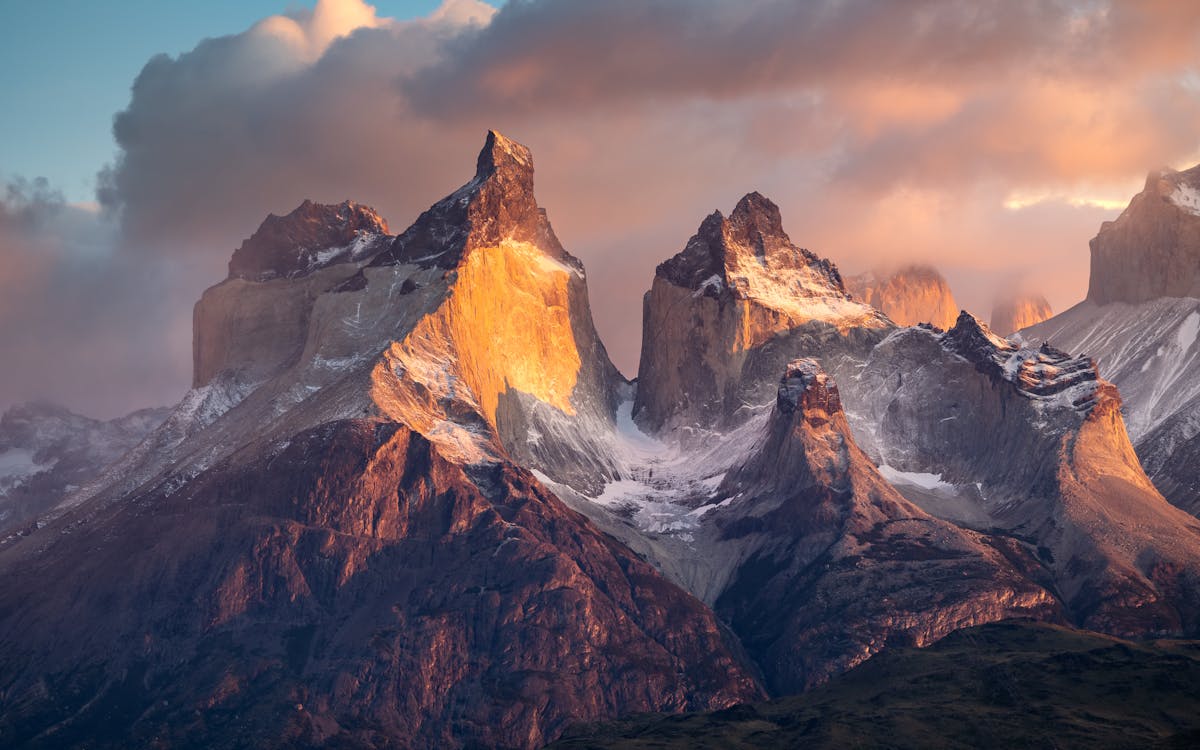
Every trekking guide to this park rates its routes on the massif view, the color of Lago Pehoé, whether you catch the towers lit orange at first light. None of that tells you anything useful if a hiker goes off trail in bad visibility. What tells you something useful is scent conditions, how fast a handler and dog could actually cover the ground, what's competing for the dog's nose, and what the terrain does to a person's judgment once conditions turn. Three sectors, three ratings, on those terms.
Sector One: Valle Frances
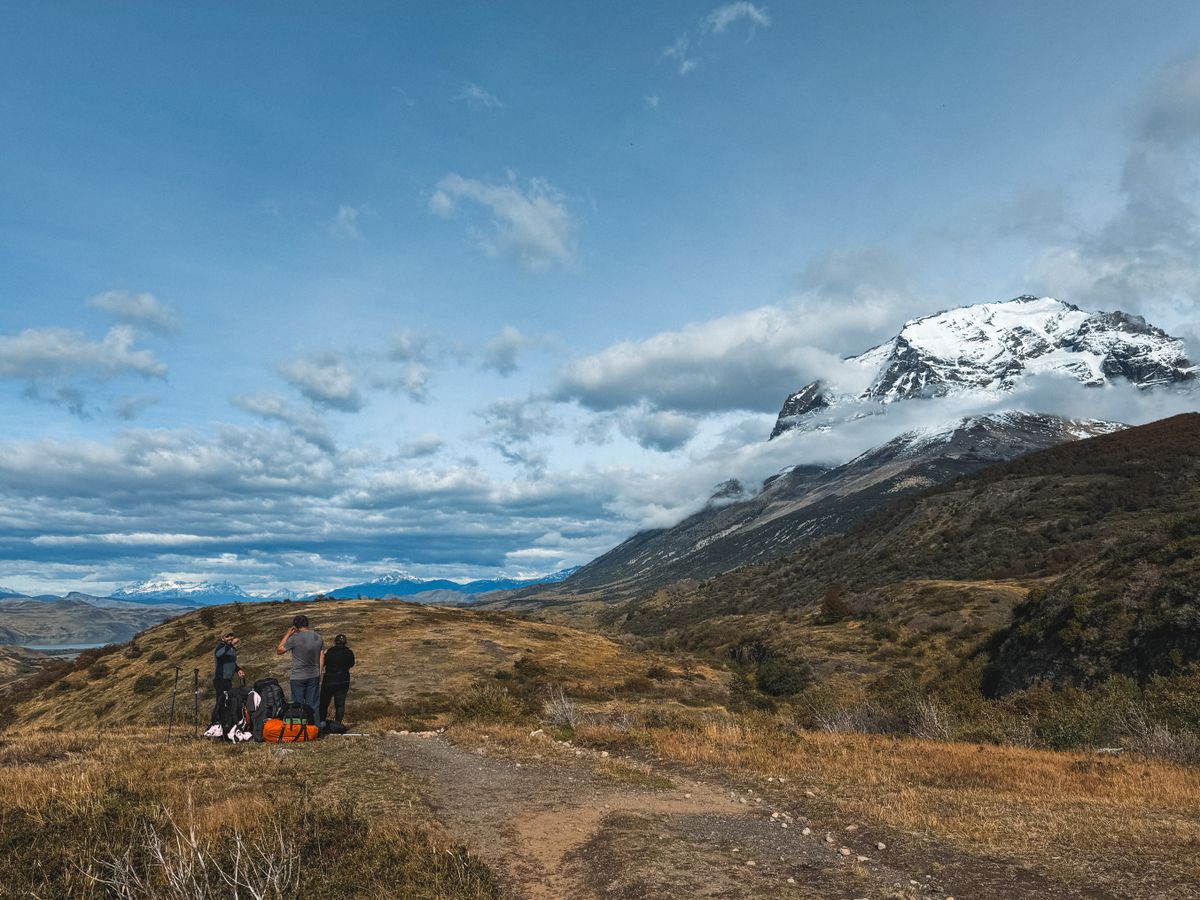
Terrain: established trail, a day-hike arm off the W circuit, climbing through lenga forest to a lookout below the hanging glacier of the French Valley. Wind: funnelled up-valley, strong enough to carry scent reliably along the corridor. Time since last seen, in the scenario I'd actually get called for here: under two hours, because this is the busiest stretch of trail in the park and nobody goes missing here for long without somebody noticing first.
Valle Frances is where the W trek sends its day trippers, people based at Refugio Paine Grande or Refugio Frances walking up without full packs to watch ice calve off the hanging glacier across the valley. On the day I walked it there were easily sixty people on the trail between the suspension bridge at the bottom and the mirador partway up. For search work that's a mixed blessing. A missing person here is a genuine anomaly in a crowd, which sounds bad until you remember sixty witnesses is sixty people who might have seen which way she went. What it's bad for is Duna's nose. Trail mix wrappers, someone's dog biscuit dropped at the bridge, four hundred metres of single corridor with everyone's scent laid thick over it. She'd work it, but slower than the empty sectors, hunting through everyone else's smell to find the one that matters.
Certification verdict for this sector: pass, on containment. The trail is a funnel, the traffic is constant, and a lost hiker here gets flagged fast because there are so many other people to notice the gap. It's not a clean scent picture, but it's a fast alarm, and that's a different kind of pass than the one I'd like to give. It still counts.
Sector Two: John Gardner Pass
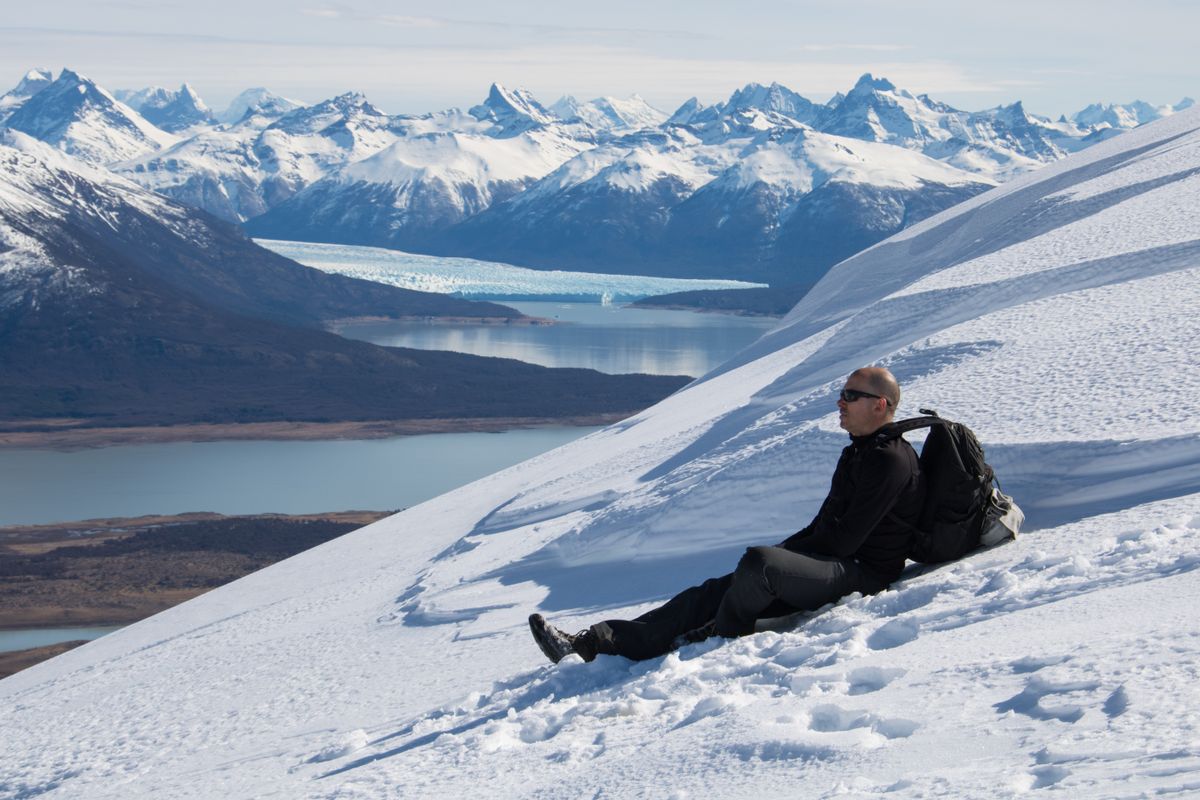
A pause on the pass, glacier visible far below. The wind doesn't show up in a photo.
Terrain: the backside of the O Circuit, climbing to John Gardner Pass at close to 1,200 metres on the west flank of the Paine massif, open scree and boulder above the treeline with no cover for the last hour of ascent. Wind: unpredictable in direction and, on a bad day, hurricane force, gusts measured over 160 kilometres an hour on this pass during storms. Time since last seen matters less than usual on a sector like this, because the clock that counts is how long a person can stay upright and warm, not how long since anyone saw them.
I've worked scent in wind that strong exactly twice, both times on ridgelines near Santiago, and the lesson was the same both times: past a certain gust speed the scent cone doesn't drift, it shreds. Duna can work a headwind. She can work a steady crosswind. What she can't work is wind that changes direction three times while she's still casting, because every shift means starting the search again from a different assumption about where the source sits. The reward at the top is real, Grey Glacier and the Southern Patagonian Ice Field spread out below on a clear day, but a clear day up there can turn inside forty minutes, and the terrain that gives you the view gives a stranded hiker nowhere to shelter and nothing to break the wind.
Certification verdict: conditional fail. Not because the pass is unsafe to cross on a good day, plenty of O Circuit trekkers cross it every season without incident, but because the margin between a good day and a genuine emergency is thinner here than anywhere else on the route, and a dog team's ability to search that ground drops with the wind speed once conditions turn. If I get a callout for this sector, I'm not thinking about how fast we'll find the subject. I'm thinking about how fast the weather window will close on my own team.
Handler's log: wind at John Gardner reads three directions in four minutes. Duna can't hold a cone in that.
— Javiera Fuentes
Sector Three: The River Crossings
Terrain: lenga and coihue forest on the descent from the backside toward Refugio Grey, cut by rivers running fast off the ice, crossed on single-file suspension bridges bouncing underfoot with every step. Wind: dropped to almost nothing under the tree cover, then funnelled hard and sudden at the open span of each bridge. Time since last seen: usually short here too, because the bridges are natural checkpoints, everyone crosses one at a time and nobody skips the queue.
A suspension bridge is a strange thing for a handler to like, but I like these ones. They're a chokepoint in the best sense: one person on the span at a time, wet boards underfoot, a hand cable to hold, and on the far side a place where CONAF rangers can and do check who's passed through. The park runs on that system, permits checked at circuit checkpoints, progress tracked between refugios and campsites, and it means that if someone doesn't show up at the next hut there's a known window instead of an open-ended guess. The failure mode here isn't the search, it's the footing. Wet boards, a pack thrown off balance by a gust mid-span, a river loud enough underneath that nobody hears a shout. Duna would find a subject fast in this forest, the cover holds scent well and the ground is soft enough to hold a track. Getting to them in one piece across the same bridges is the part I'd worry about.
Debrief notes
Book your CONAF entrance ticket and your refugio or campsite reservations well ahead. High season runs November to March and the park won't let you camp wild if the sites are full.
Check in at every ranger checkpoint, even if you feel fine and want to keep moving. That check-in is the only thing that starts the clock if you don't make the next one.
Carry real wind protection for John Gardner regardless of the forecast at the trailhead. What the pass is doing has little to do with what Refugio Grey is doing.
Cross bridges one at a time, pack straps cinched tight, and wait out a strong gust rather than push through the middle of a span.
Tell your refugio which route and rough time you're taking for the next leg. Same principle as a subject's last known position: the smaller the search box, the faster it closes.
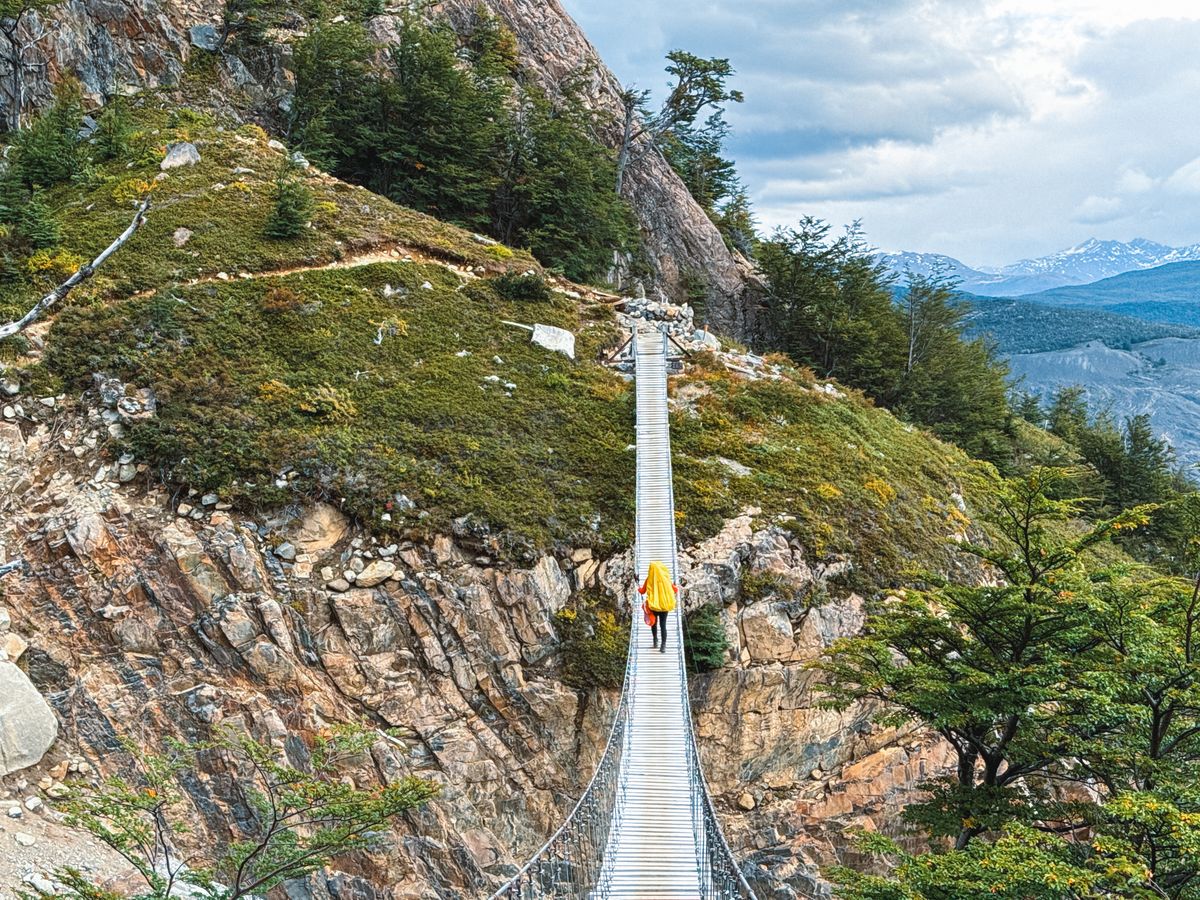
Certification verdict: pass, with a note. Search speed here is good, the forest holds scent and the checkpoint system flags a missing person early. What drags the grade down is the same infrastructure that helps it, because the bridges that make containment easy are also where an already tired trekker is most likely to go down.
Overall certification for Torres del Paine's backcountry rescue routes: pass, but not a clean one. The park does the parts of search and rescue that are under human control about as well as I've seen anywhere, checkpoints that actually track people, bridges that funnel rather than scatter, a permit system that means someone always knows roughly where you should be. What it can't certify is the weather, and John Gardner Pass in particular is a sector I'd grade a pass for the trekkers who respect it and a fail waiting to happen for the ones who don't. Duna and I didn't get called out once in four days on that trail. I'd like to keep it that way, and the only part of that equation the park doesn't control is you. ■