Three Search Sectors in the Driest Desert on Earth
A search-and-rescue handler runs her dog across the Atacama's salt flats and Valle de la Luna to keep a certification current, and finds the desert's dryness is the real subject under test.
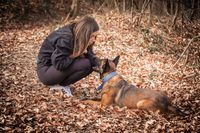
Sector One: The Salar
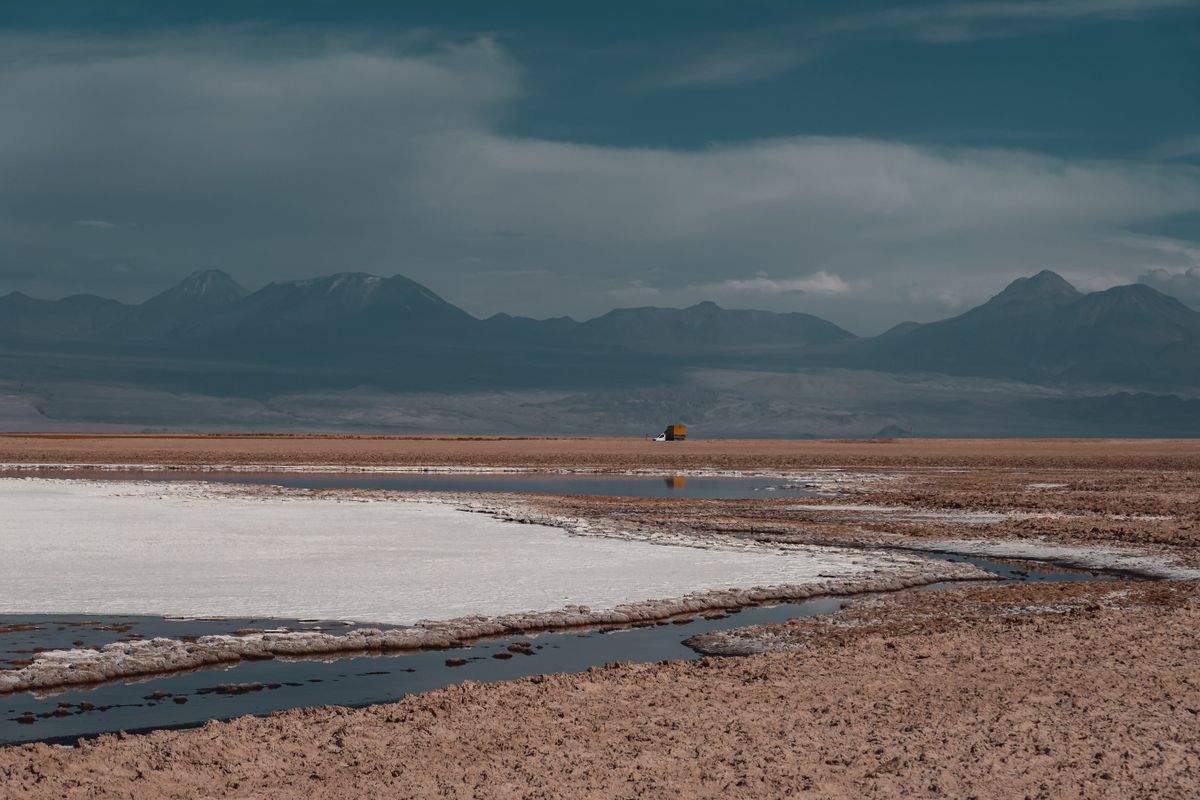
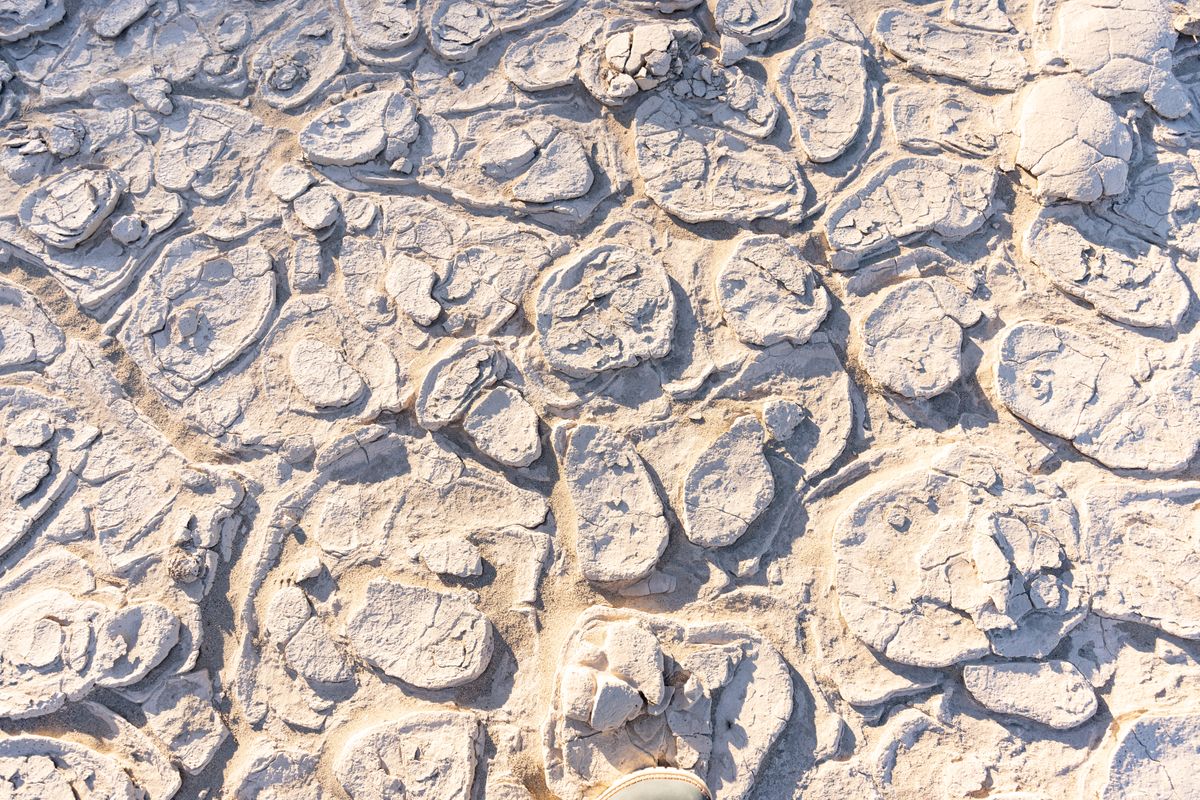
Terrain: crusted salar, the edge of the Salar de Atacama, flat to the eye and cracked underfoot for the first four hundred meters out from the truck. Wind: two to three knots, west to east, not enough to carry scent past the length of a football pitch. Time since last known position: forty minutes, set by me, a scent article buried under a slab of salt the way I'd bury one for a real subject.
The crust looks solid from the truck. It isn't. Under the white skin the ground is soft and dark, mud that never quite dried out from whatever sits below this basin, and every third or fourth step punches through to it. I've turned an ankle out here before. Duna hasn't, because she reads the crust with her feet before I've registered it with my eyes, but I brief every handler I train the same way: assume nothing under your boot is load-bearing until you've weighted it.
Distraction density is close to zero out here, which sounds like an easy day and isn't. No livestock, no picnic wrappers, no other dog teams working the same ground, none of the competing scent noise I brief for in parks or campsites back home. Take away distraction and you'd think the search gets faster. It doesn't. Duna has nothing to filter out on this ground, which means the whole cast across open salt is pure method, air on nose, no shortcuts handed to her by the terrain.
She gave the indication at thirty-one minutes, pawing at the buried slab, nose down, sit, hold. Full trained final indication, no hedging. Sector One: pass.
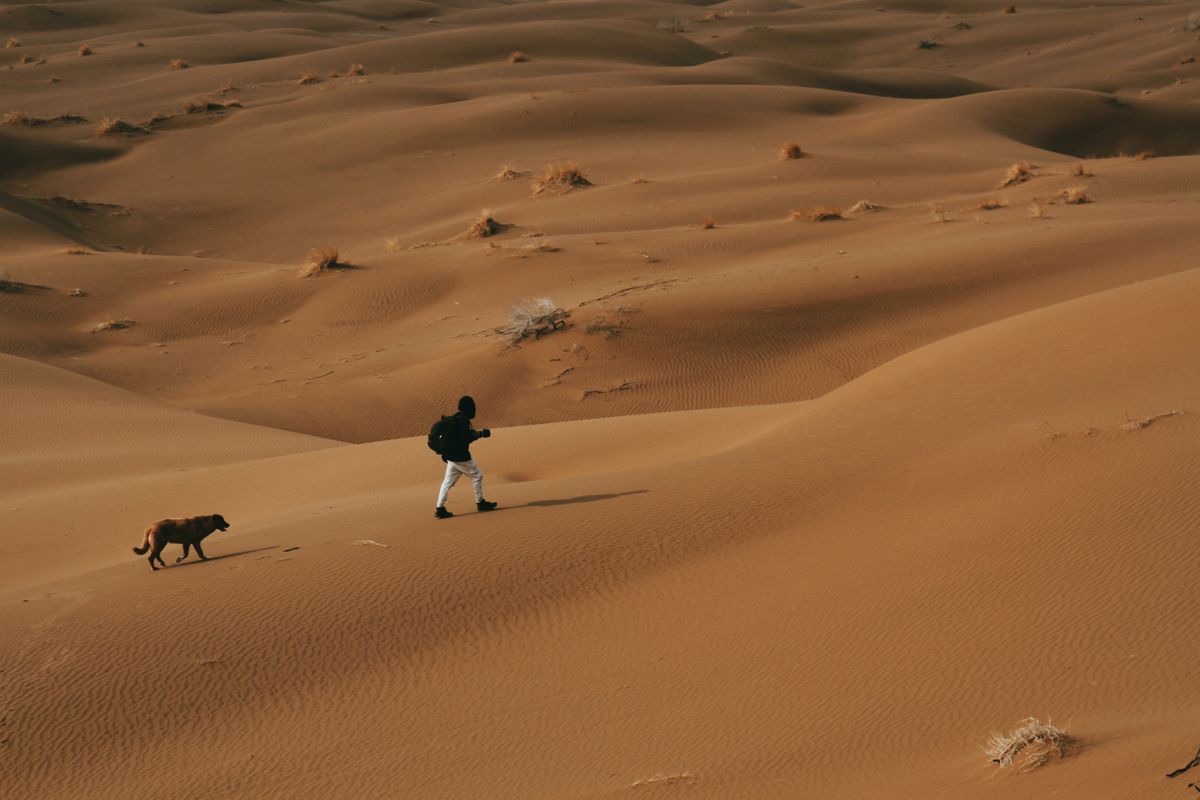
Sector Two: Valle de la Luna
Debrief notes
Brief rock sectors as pooling terrain, not open terrain. Cast the dog slower, closer to the ground contours, not fast and wide like a flat search.
Watch feet, yours and the dog's. Sharp broken rock takes pads off faster than sand ever will.
Don't let a slow indication read as a bad dog. A trained final indication that takes fifty minutes is still a trained final indication.
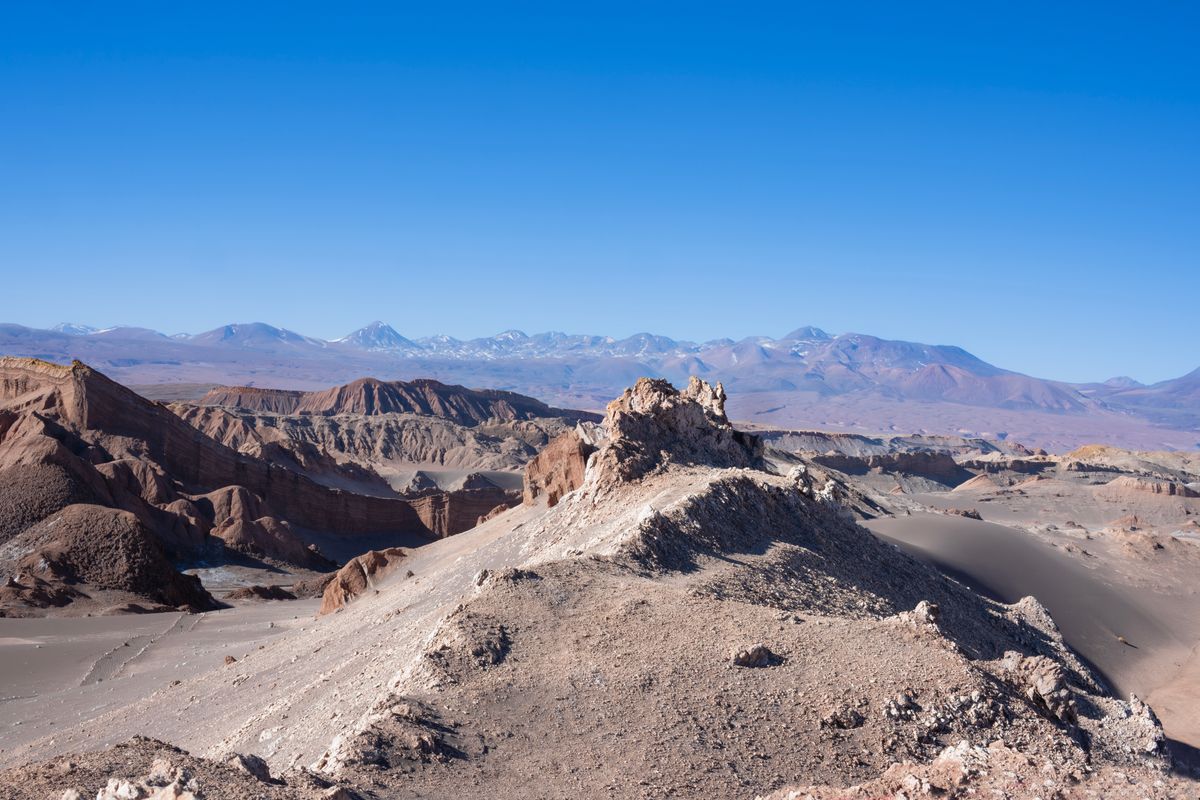
Terrain: broken rock and wind-carved ridgeline, Valle de la Luna, footing uneven in a different way than the salar, sharp instead of soft. Wind: gusting, direction changing off every ridge face. Time since last known position: fifty-five minutes, article wedged in a crevice at chest height to mimic a subject pinned above ground level.
Rock changes the problem. On the salar, scent that lifts travels in something close to a straight line before it thins out. Here it doesn't travel, it pools, catches in a crevice and sits there for an hour, or it hits a ridge face and dead-ends fifteen meters from where the article actually is. A dog can work a scent cone with total confidence and still end up nosing the wrong side of a boulder, because the air behaved like water finding the low point of a drainage, not like a current heading anywhere useful.
I rate a sector on how fast Duna would actually find something in it, not on how it photographs from the overlook, and by that measure Valle de la Luna is slower than the salar despite being a fraction of the size. The postcard sells it as the dramatic sector. My stopwatch says otherwise. Call it honest work instead of scenic work.
She found it at fifty-three minutes, worked past the crevice twice before the pooled air caught her properly, then gave a clean sit and hold. Slower than the salar, indication just as solid. Sector Two: pass, logged with a note on time.
Handler's log: rock holds scent longer than salt. It just won't tell my dog which direction it came from.
Sector Three: The Return Leg
Terrain: open gravel plain back toward San Pedro de Atacama, flat again but drier than the salar if that's possible, no crust at all, just pale stone and dust that hasn't held moisture in longer than anyone's kept records. Wind: nearly none by the time we loaded the truck. Time since last position: the whole day, six hours worked across three different textures of the same problem.
Subject: one flip-flop, sun-bleached past its original colour, sole cracked at the toe. Terrain: gravel shoulder, roughly two hundred meters off the main track. Time since last seen: indeterminate, weeks at minimum going by the fade. I called it in to myself exactly the way I'd call in anything else, full description, no laughing, because a handler who only briefs real subjects straight loses the habit for the ones that count. Duna gave it a courtesy sniff and walked past without sitting. No indication. Correctly so. A sun-bleached sandal is not a missing person, and rewarding a false alert on training day is how you teach a good dog to alert on garbage for the rest of her career.
Every sector today came back to one fact. This is the driest non-polar desert on the planet, and that isn't a line from a guidebook, it's a scenting condition I have to plan around the way I'd plan around deep snow or standing water anywhere else. Dry air lifts fewer scent particles off a buried article, and what does lift disperses fast instead of hanging low the way it would over damp ground or through grass. Humidity does real work for a search dog. Out here there's none of it doing that work for Duna. She has to make up the difference with raw nose and hours on her feet.
That's the whole difference between a coastal search and a desert one. Back home a scent trail can sit in wet grass for the better part of a day, degrading slowly enough that Duna can pick up hours-old track and follow it like a thread. Out here scent thins almost as fast as it lifts, so the method has to change. Wider casts, more ground covered per minute of working time, less faith placed in the air doing anything on her behalf. It's slower, harder work than it looks from a lookout point with the light doing all the color across the rock.
None of the three sectors handed her an easy find. The salar tried to break her stride, Valle de la Luna tried to scatter the scent sideways into rock, and the return leg just wore down the hours until dust was the only smell left in the air. She held her nose to the work in all three.
Three sectors, three trained final indications, no false alarms and no hedged sits. I'm certifying the day. Duna's current for another six months, and next rotation I'm running the salar first, since that's the one sector where a soft crust under any rain at all would change the whole brief. ■