The Wall: Running the Rift Valley Escarpment by Truck

Industrial Area to Rironi, the flat part
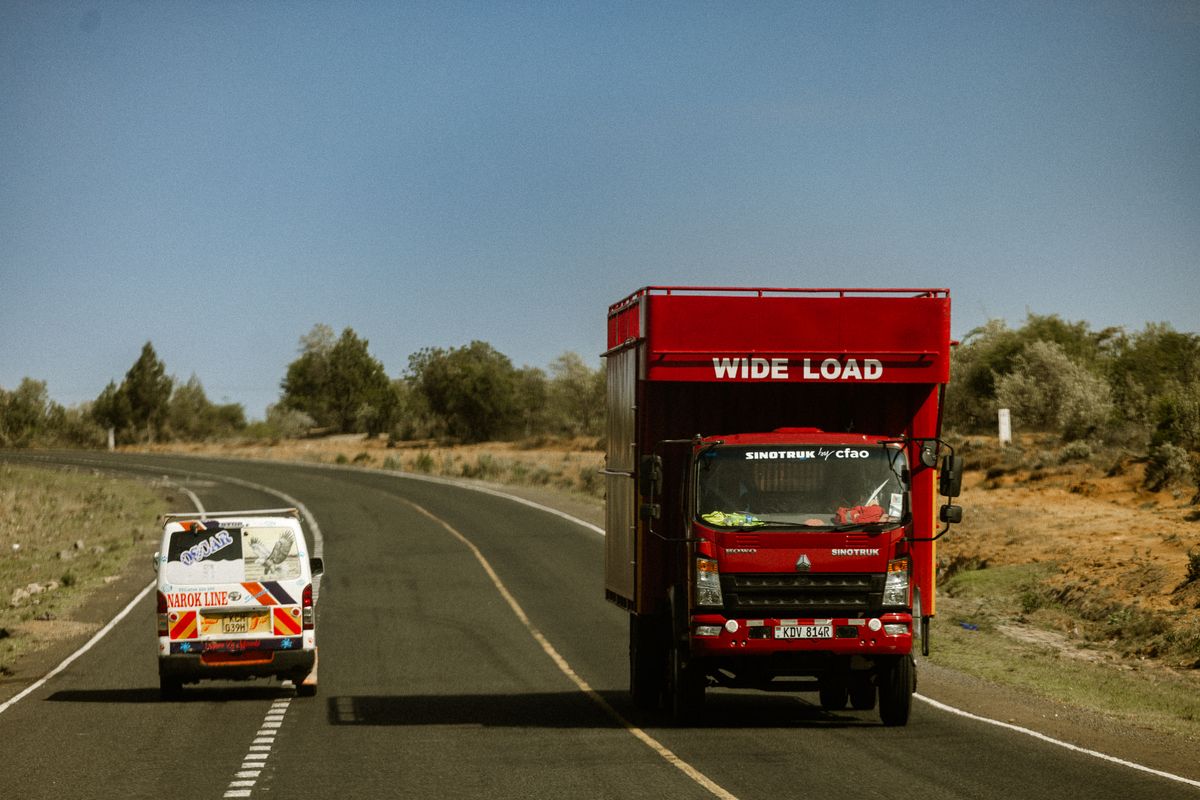
Nine hours to Eldoret if the Gilgil weighbridge is quiet, eleven if it isn't, and today the load is five hundred bags of fifty-kilo cement stacked on a flatbed that's run this route since it was registered in 2015. Loaded weight comes to just under twenty-eight tonnes, and that number decides everything else about the day: how much diesel burns getting up and down the escarpment, how long the queue at Gilgil takes to clear me, and whether it's worth pushing through Salgaa after dark or stopping short.
Out of the yard at Industrial Area by five, ahead of the Mombasa Road jam that locks in around Nyayo Stadium most mornings. The Southern Bypass gets me around the city instead of through it, three hundred shillings at the toll booth near Ngong Road, cheap for the two hours it saves a truck that can't hold more than sixty on a good stretch. Past Dagoretti I put a call out on channel nine anyway, more habit than need. 'Simba, you there, this is the cement truck, how's Rironi looking this morning.' Nothing back but static and somebody's gospel station bleeding through. Simba's probably still parked at Mlolongo waiting on his own load.
At Rironi the road changes under the tyres before it changes on the map. This used to be the old single-lane climb out of Kikuyu, potholed past Kinungi, trucks queuing four deep behind anyone crawling along in second gear with a hot engine. Now it's dual carriageway all the way to Mau Summit, tolled at the gate for one thousand seven hundred and forty shillings on my axle class, and I don't begrudge a shilling of it. Two years ago this same stretch cost me forty minutes stuck behind a matatu with a flat, breathing diesel fumes in a single lane with no shoulder to pull onto.
The Wall
This is the part of the run where a driver earns his allowance. From Rironi the highway holds the ridge a little longer, then the escarpment opens up and the road starts down into the Rift proper, better than a thousand metres of drop in under half an hour if you take it at truck speed, which nobody sane does. Third gear at most going down, engine holding the weight, foot mostly off the brake pedal. Ride the brakes the whole descent and by Mai Mahiu you've got nothing left but pedal to the floor and a prayer; I've seen what's left of trucks that found that out at the bends past the old view point.
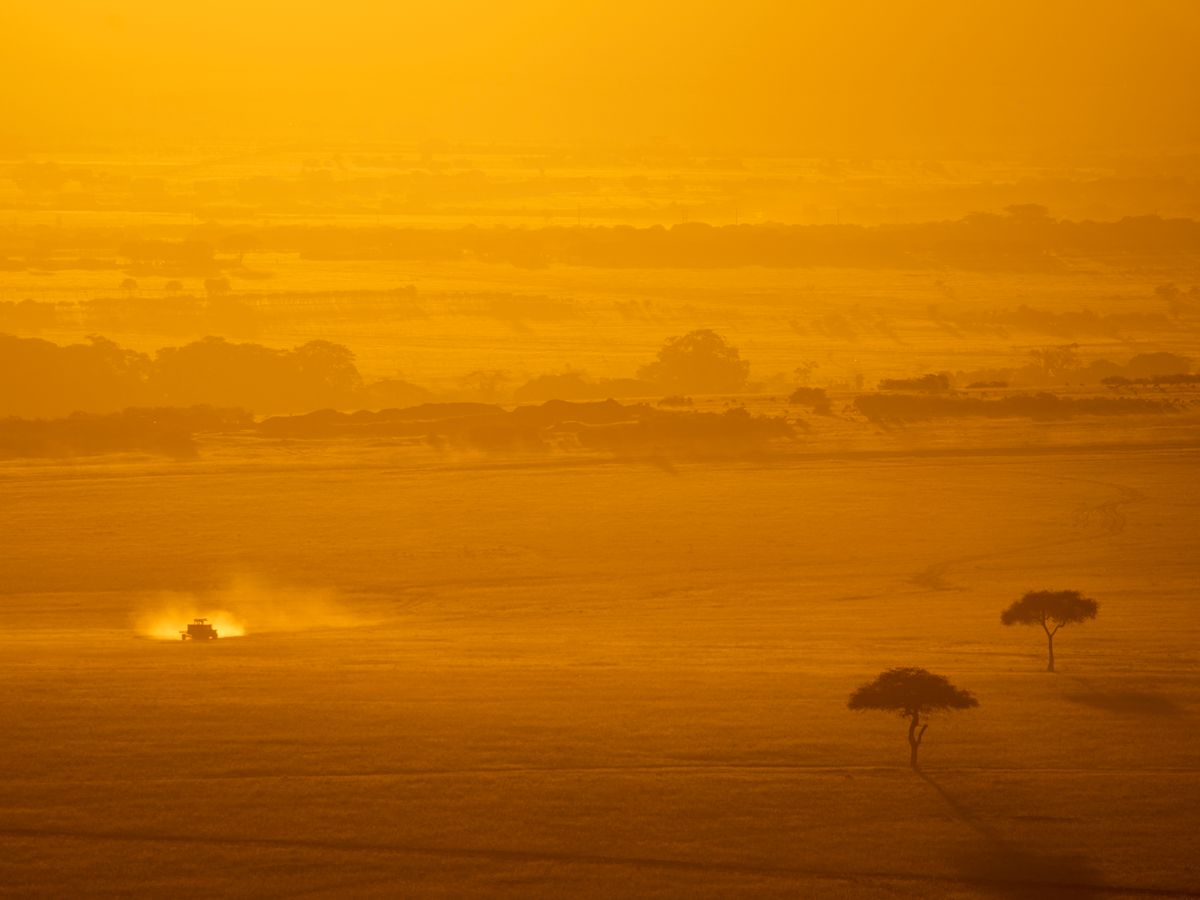
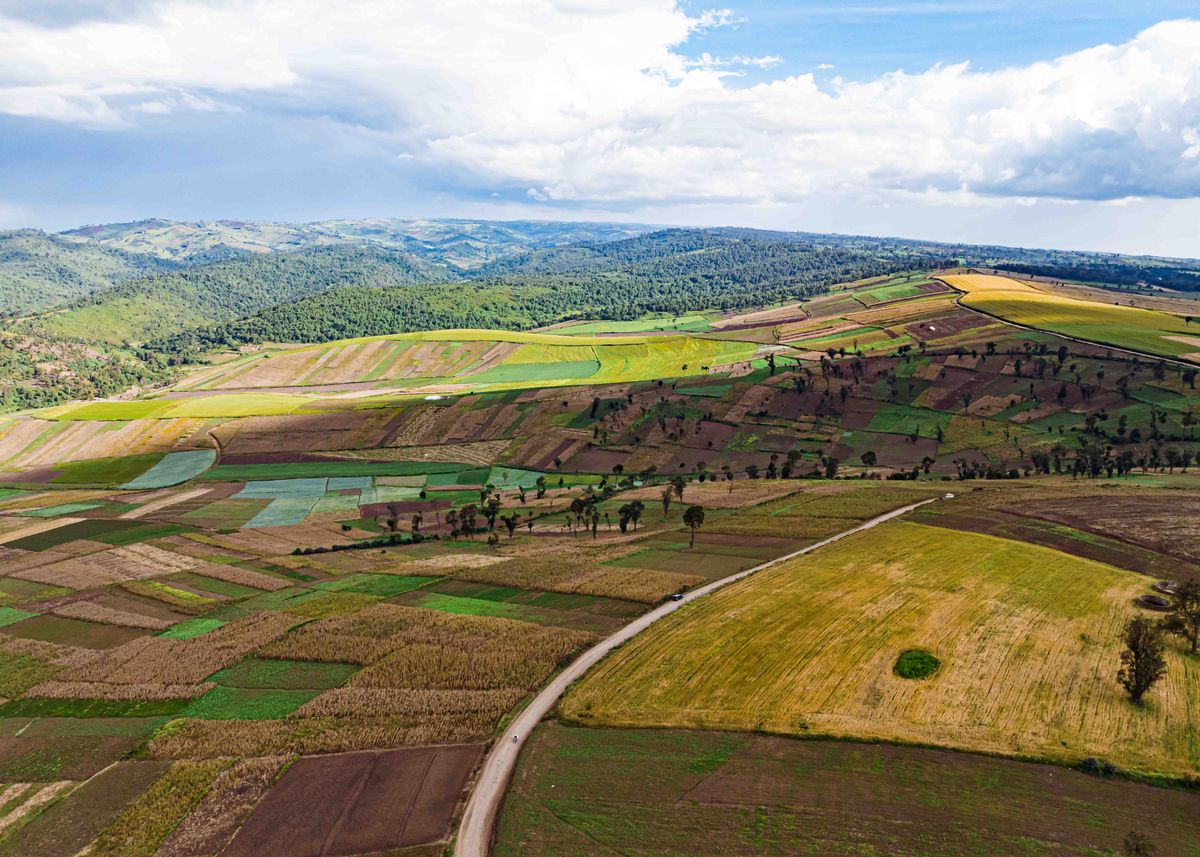
Off the left shoulder the whole valley floor lays itself out at once, Longonot's cone sitting green and quiet, the lake glinting past it when the haze lifts, shambas stitched into the lower slopes in the kind of patchwork you only get a proper look at from up here doing the job at walking pace. Curio sellers still work the old viewpoint layby with soapstone carvings and dried banana-leaf baskets, waving at cabs that mostly don't stop anymore since the new road bypassed their stretch of the highway.
By the time the gradient eases, the temperature gauge has crept up two notches and stays there until Mai Mahiu, where the road finally flattens onto the valley floor proper. I stop the first hundred metres past the police checkpoint to let the brakes breathe, whether they need it or not. Habit, same as the radio call. 'Any trucker down at the bottom, watch the loose gravel by the fuel depot, it's been sitting there since the rains.' Somebody answers this time, a fuel tanker headed the other way up to Naivasha, tells me the depot's out of diesel again anyway.
The escarpment doesn't ask what's in your logbook, only what's left in your brakes.
Mai Mahiu to Gilgil
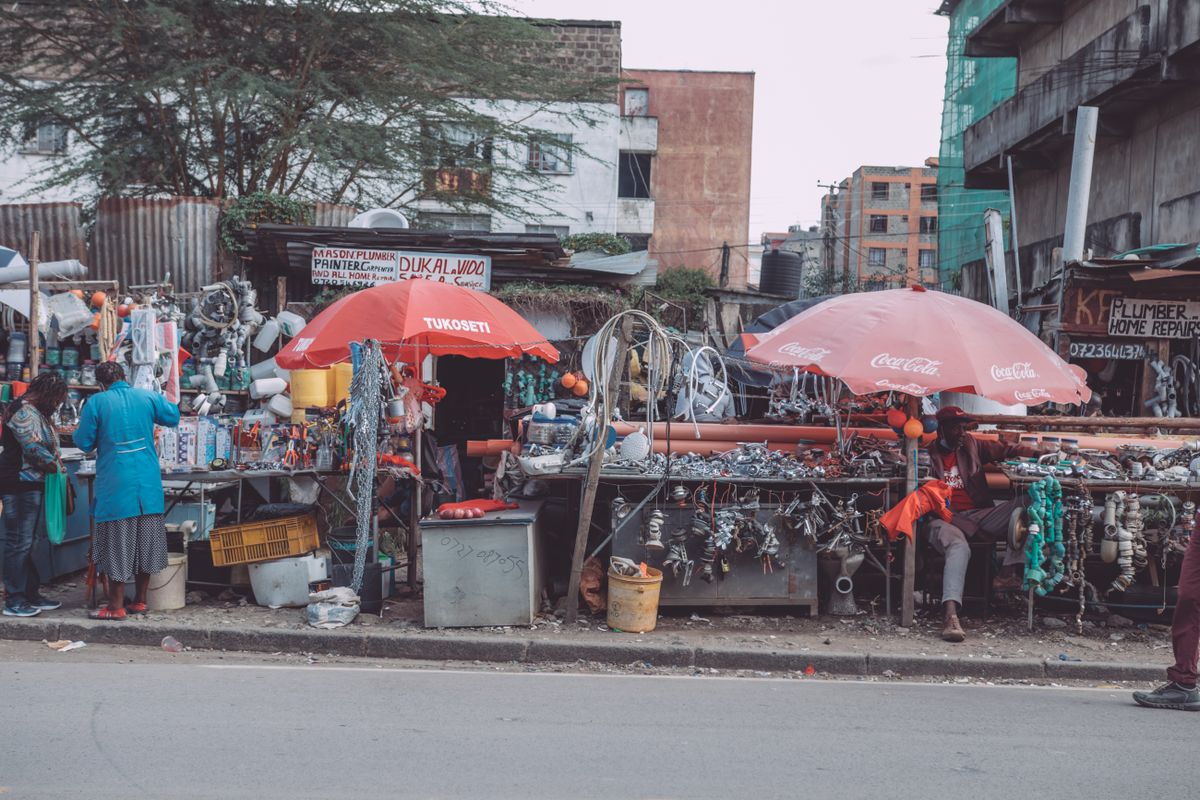
Mama Njeri's stall at the Mai Mahiu junction gets my business every time I run this road, and I don't say that about many places. Fifty shillings for a plate of ugali and beef stew that's actually beef, not the gristle some roadside kitchens pass off on drivers too far behind schedule to complain. She remembers regulars, which matters more than the food some days. She remembers I don't take sukuma, remembers to wave me toward the shaded side of the yard so the flatbed isn't cooking in the sun while I eat. The place two hundred metres up sells the same plate for eighty and reheats yesterday's ugali. I wouldn't pull over there again if it were free.
Naivasha comes and goes fast at truck pace, greenhouses either side of the road shipping roses to Amsterdam on flights I'll never take, then Gilgil, where the weighbridge decides whether the rest of my day is easy or not. Twenty-eight tonnes loaded is inside the limit for this axle configuration, so today it's a green light and a wave-through, no more than four minutes stopped. Overloaded trucks get pulled into the side yard, and that can cost a driver the whole afternoon plus a fine that starts around fifteen thousand shillings and climbs with every extra tonne over.
Past Gilgil the highway runs through Salgaa, which every driver on this corridor knows by name for the wrong reasons. More crashes get logged on that four-kilometre stretch than anywhere else on the Nakuru road, mostly trucks losing brakes on a gentle downhill nobody respects because it doesn't look like the escarpment. I back off to fourth gear through there out of habit and call it out on channel nine for anyone newer to the route. 'Salgaa ahead, keep your speed down, the tarmac's got no excuse for what happens there.' A matatu driver cuts back with a laugh, tells me to relax, then overtakes on the solid line anyway.
The Nairobi to Eldoret run, one way
Nakuru to Eldoret, the climb back up
Nakuru town adds an hour if the Total station queue for diesel is long, which today it is, eleven trucks ahead of me, a forty-minute wait for a fill I could have taken at Rironi for eight shillings less a litre. From there the road climbs again, out of the valley floor toward Molo, then Elburgon, then Timboroa, which sits above seven thousand feet and is cold enough in the early morning that drivers keep a jacket behind the seat for it even in a Kenyan July. The hills run proper green through here, tea and pyrethrum plots stacked up both sides of the road, a different country from the acacia and red dust two hours back down at Mai Mahiu.
Roadside intel
Take the Wall in third gear or lower and stay off the brake pedal on the way down; ride the brakes the whole descent and they'll be gone by the time you reach Mai Mahiu. If you're new to this corridor, don't run the old Salgaa stretch after dark by choice. It's flat enough that drivers stop respecting it, and the crash log there is longer than the rest of the Nakuru highway combined.
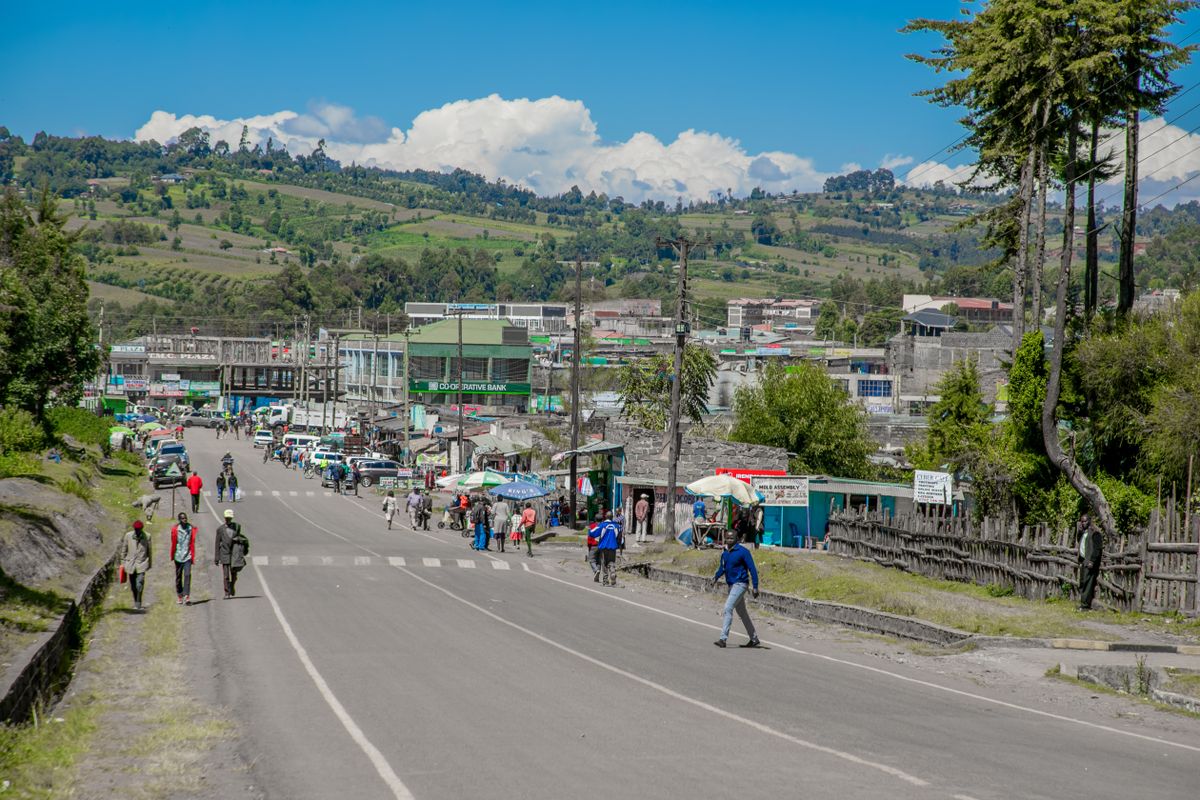
Eldoret by three in the afternoon, ten hours door to door, weighbridge and fuel queue included, and the hardware depot manager wants to argue the count is short four bags before he'll sign for the load. It isn't short. The manifest matches what left Industrial Area this morning, but I've learned not to fight that battle standing up after ten hours in the seat. I sit in the cab with the radio on until his clerk finds the four bags stacked behind the wrong pallet. No apology, just a signature and a chit for the next load back down, cement again, empty this time, which means the whole run downhill through the Wall tomorrow with nothing in the back to keep the tail from wagging on the bends. ■