The Isebania Run: Six Hours to the Border, Then the Mara Opens Up
A trucker's route from Nairobi through the one-stop border post at Isebania-Sirari and into the wildebeest herds of the Mara-Serengeti corridor.

Nairobi to Narok: The Approach
Six hours to Isebania if the Narok road stays clear, eight if there's been rain past Ewaso Ngiro and the black-cotton shoulders have swallowed a matatu again, and today I'm running an empty flatbed west because whatever cargo comes back over the border from the Tanzania side, it isn't my problem until Sirari says so.
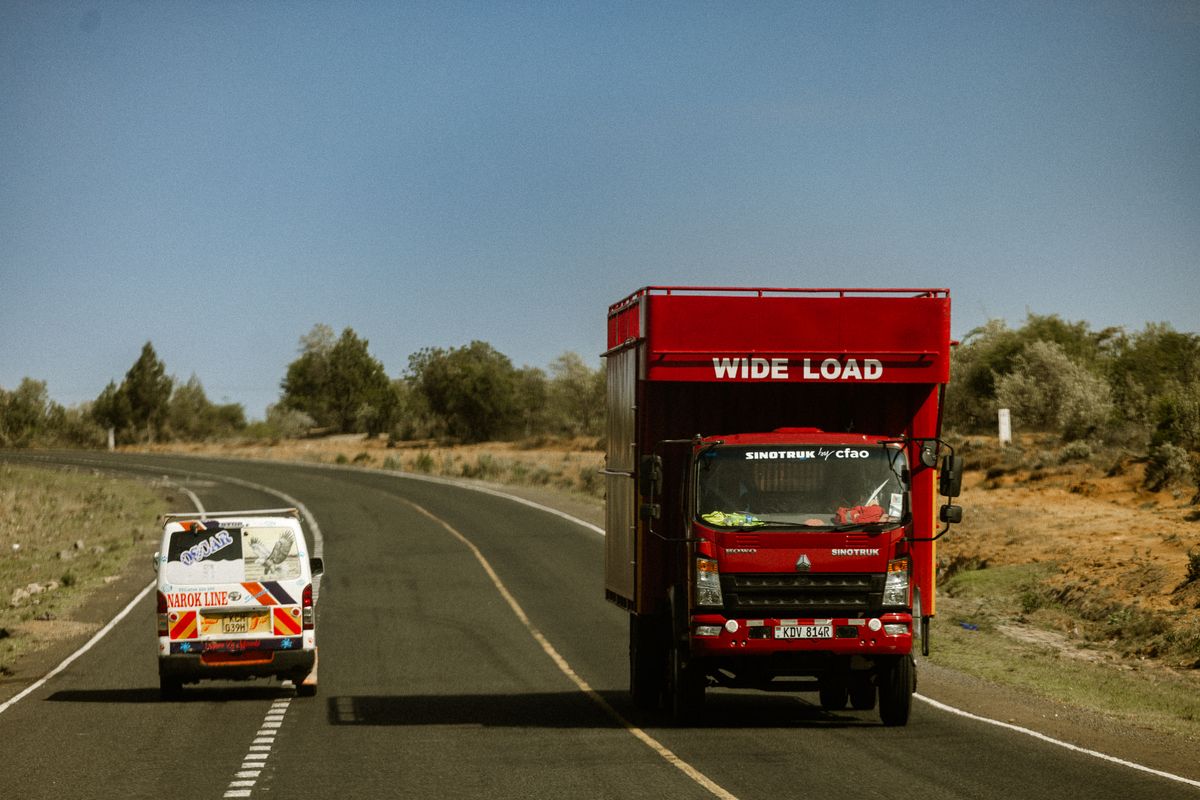
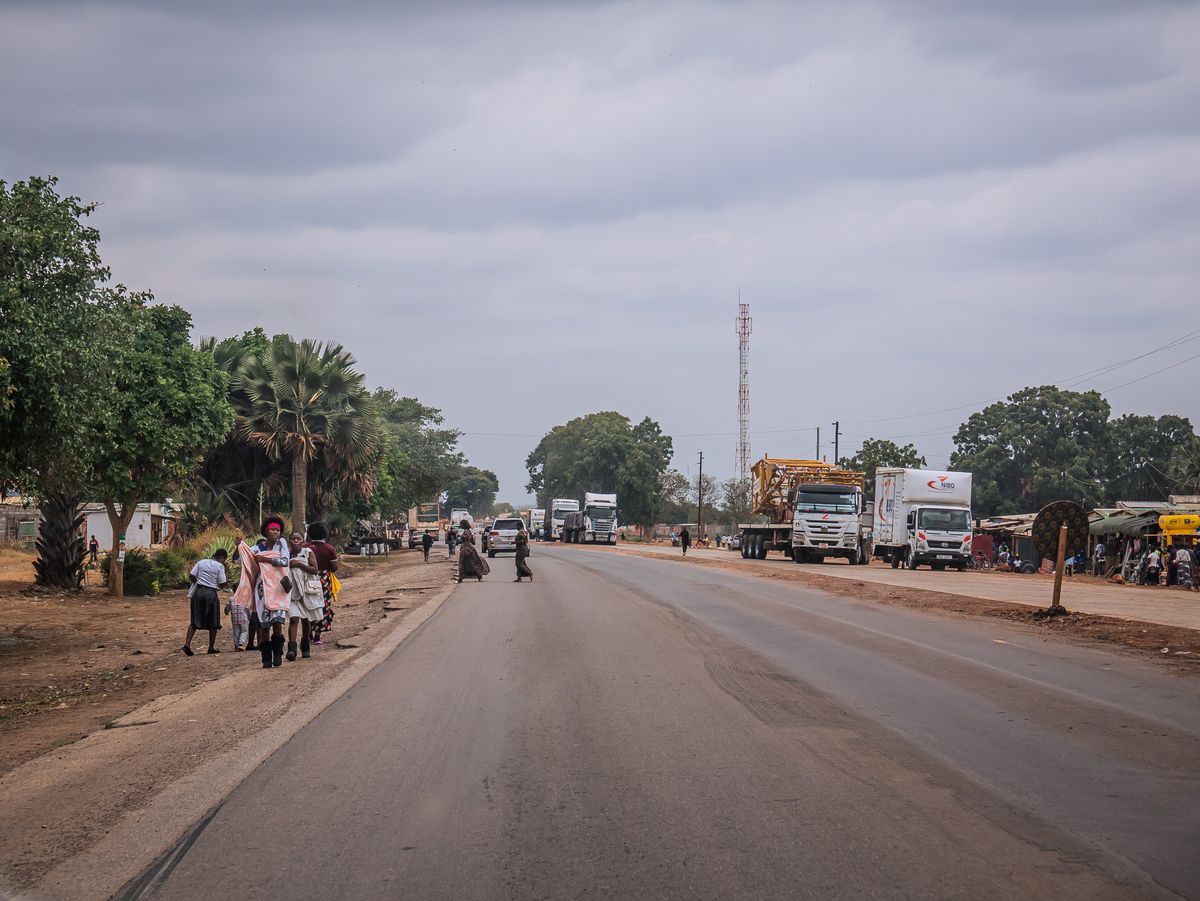
Out past Kikuyu the road climbs and drops through Maai Mahiu, then Suswa, then the long flat run into Narok where the tarmac is new enough that the centre line hasn't faded yet. This used to be single carriageway pitted so badly past Ntulele that a loaded truck ran twenty kilometres an hour for the privilege, brake pads smoking by the time you reached town. Now it's smooth two-lane blacktop the whole way and I don't apologise for saying so. 'Base camp, you reading me, what's the queue like at Sotik junction?' I ask the radio somewhere past Suswa. A voice comes back flat and bored, tells me it's backed up behind a fuel tanker with a blown tyre, tells me to take it easy on the corners past the escarpment view point where tourists stop their hired Land Cruisers without warning. I thank him, keep the revs where they are, and get back to watching the road.
I pull in at Mama Sarah's on the edge of Narok town, same spot I've stopped at for six years, sh150 for beef stew and ugali with a mug of tea thrown in and the beef actually tastes like beef. The stall two hundred metres past the matatu stage does the same plate for sh100 and boils one pot of stew all day until it's grey and tastes of nothing but salt. I've eaten there twice and regretted it both times. Mama Sarah's gets my business every run through, no argument.
Isebania-Sirari: The Crossing
Forty minutes to clear both sides if the hall isn't stacked with safari minivans and a cattle truck ahead of you, two hours if it is, and the road surface inside the yard is better than anything I've run since Narok because they repoured the apron when they built the one-stop post.
One Roof, Not Two
It didn't used to work this way. Before the one-stop post went up, you cleared Kenyan immigration and customs on the Isebania side, drove the short stretch of no-man's-land, then did the whole thing over again at a separate Tanzanian post at Sirari, two queues, two stamps, two sets of officers who didn't talk to each other and no guarantee the hours matched. Now it's one hall, officers from both countries at facing counters, and you queue once. That's the theory. In practice the hall still fills by mid-morning with safari operators running clients through on one side and freight drivers like me on the other, and today there's a cattle truck ahead of me whose paperwork doesn't match his manifest, and that's forty minutes of my life gone before I've even reached the counter.
Customs wants the log book, the cargo declaration, the driving permit, and they walk the length of the flatbed checking the load against what's written down even when the load is nothing but empty pallets and tie-down straps. An officer climbs up, counts the pallets twice, writes the number down a third time on a different form. Nobody's rushing on my account and I stopped expecting them to years ago.
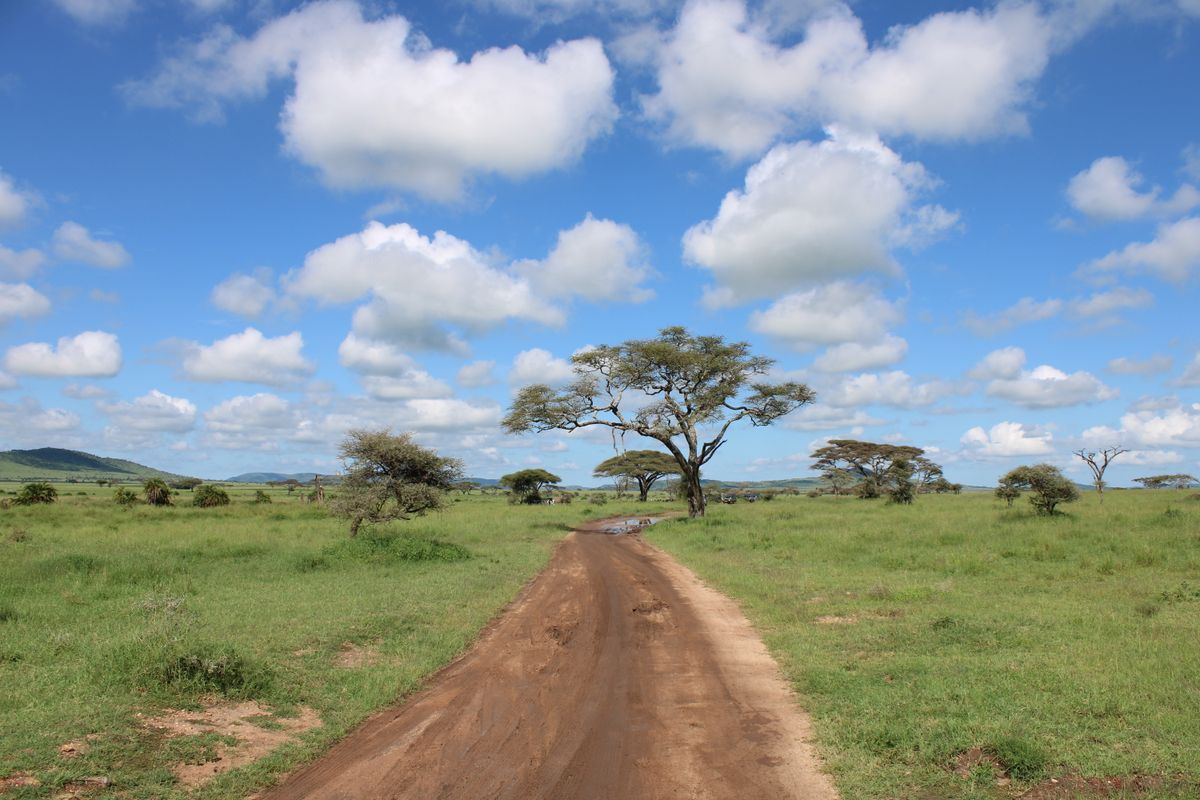
Sirari's gate lifts and the road changes under the tyres before it changes on the map. Fewer potholes patched with cold-mix, more left unpatched altogether, a stretch past Mugumu where the tarmac gives up for a few kilometres and I drop to second gear over corrugated red dirt the rains haven't been kind to. I've run worse than this. I don't complain about it either, not on a route that ends where this one does.
Isebania's one roof now, not two, but still two queues if a cattle truck's ahead of you.
— radio check
Into the Mara-Serengeti: The Payoff
Two hours from Sirari to the reserve boundary if the Mugumu stretch hasn't washed out again, less if I don't stop, and I stop anyway because the road drops out of the trees onto open grass and there's a line of wildebeest crossing it like they own the right of way, which out here they do.
Roadside Intel
Carry printed copies of your log book and driving permit, not just photos on your phone, the OSBP counters want paper.
Fuel up in Narok. Nothing between there and Isebania is reliable, and nothing past Sirari is cheap.
A cattle truck ahead of you in the queue means a longer stop than a minivan does. Budget the extra hour.
The Mugumu stretch on the Tanzania side floods fast. Don't run it after dark if the sky's already grey.
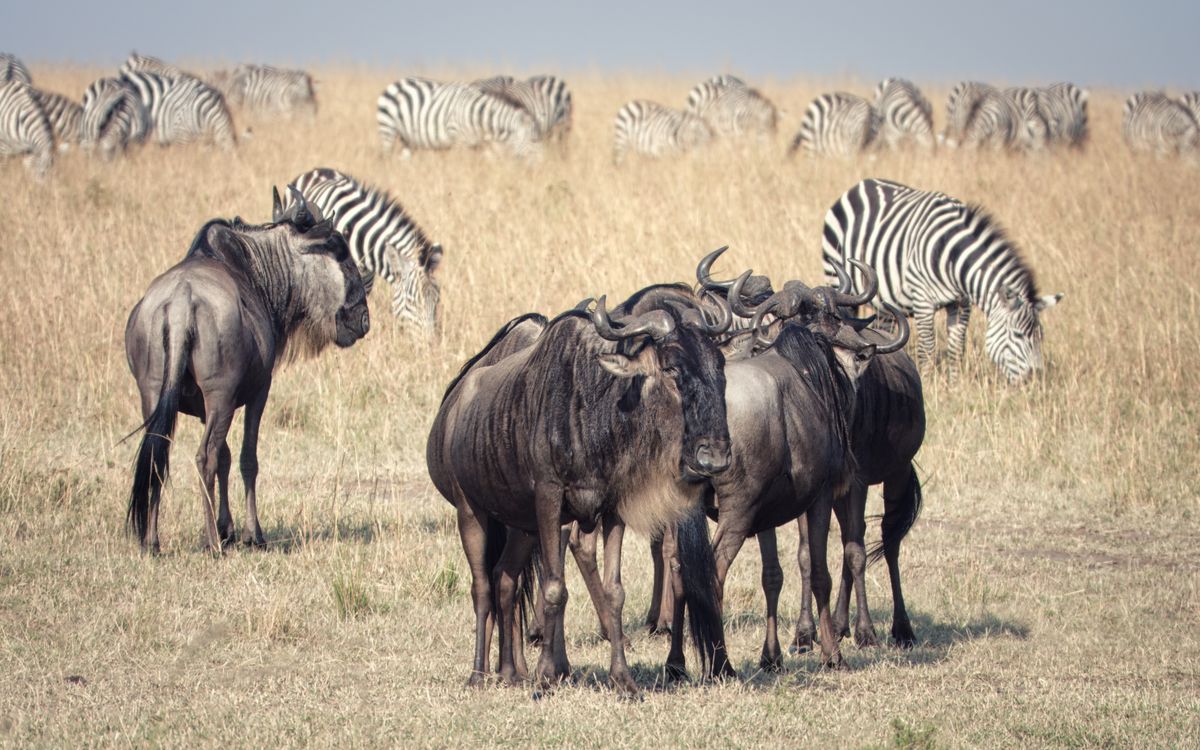
I cut the engine and let them pass, maybe four hundred head moving in that stupid patient shuffle wildebeest do, zebra threaded through them like they're along for the company. A Maasai herder on the verge watches the same thing I'm watching, unbothered, like he's seen this exact herd cross this exact spot before, which he probably has. There's no cargo riding on my clock today, so there's nowhere I need this road to end in the next ten minutes, and I let that be enough.
Six hours from Nairobi to the border, most of it good tarmac laid over what used to be a road that ate brake pads for breakfast, then the one-stop post at Isebania-Sirari, which is real progress even on a day the cattle truck ahead of you makes it feel like none, then two hours of red dirt and washouts into grass that doesn't care what paperwork you filled out to reach it. I'd run this route again next week if the load called for it. Some routes you take because the highway board finally did its job. This one you'd take either way. ■