The Flush Grade: Two Leaves, a Bud, and Nuwara Eliya's Quality Season
A tea quality grader follows one high-grown flush from bush to cupping bowl and scores every stage the way she'd score a lot.
The Quality Season, on the Bush
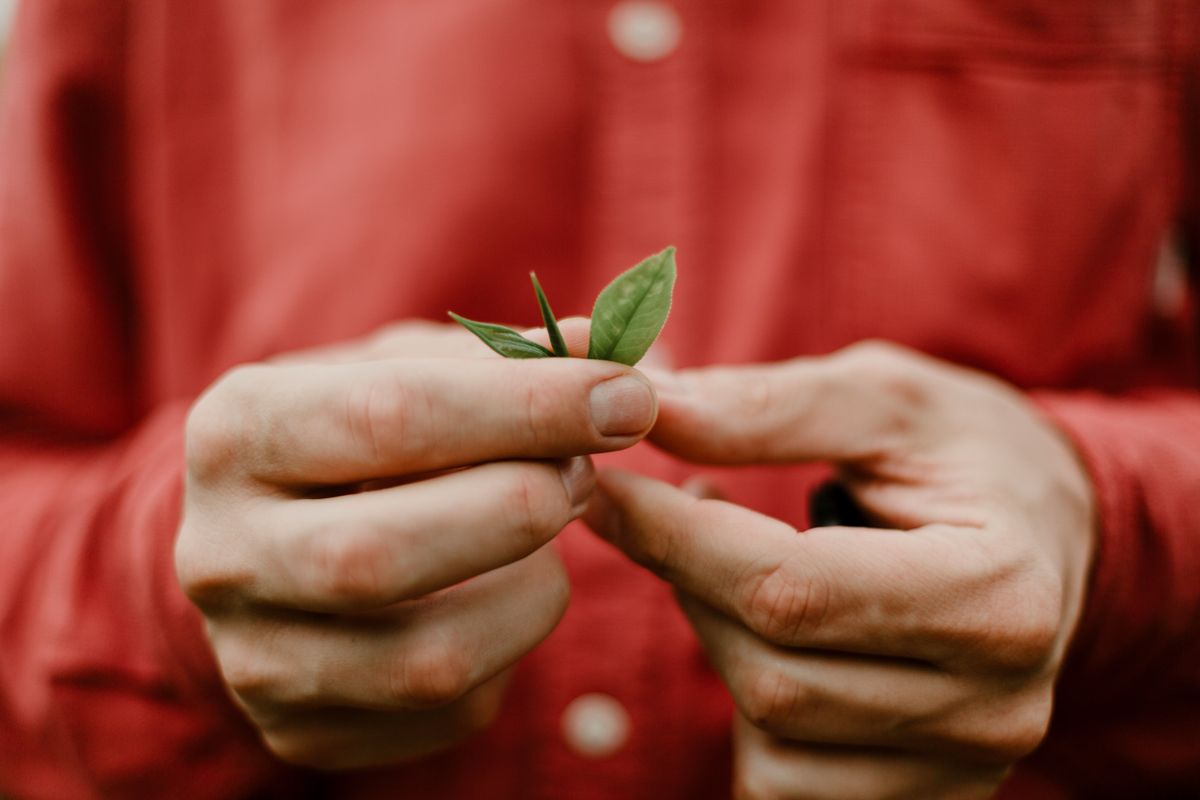
Two leaves and a bud, the only standard that matters on the bush.
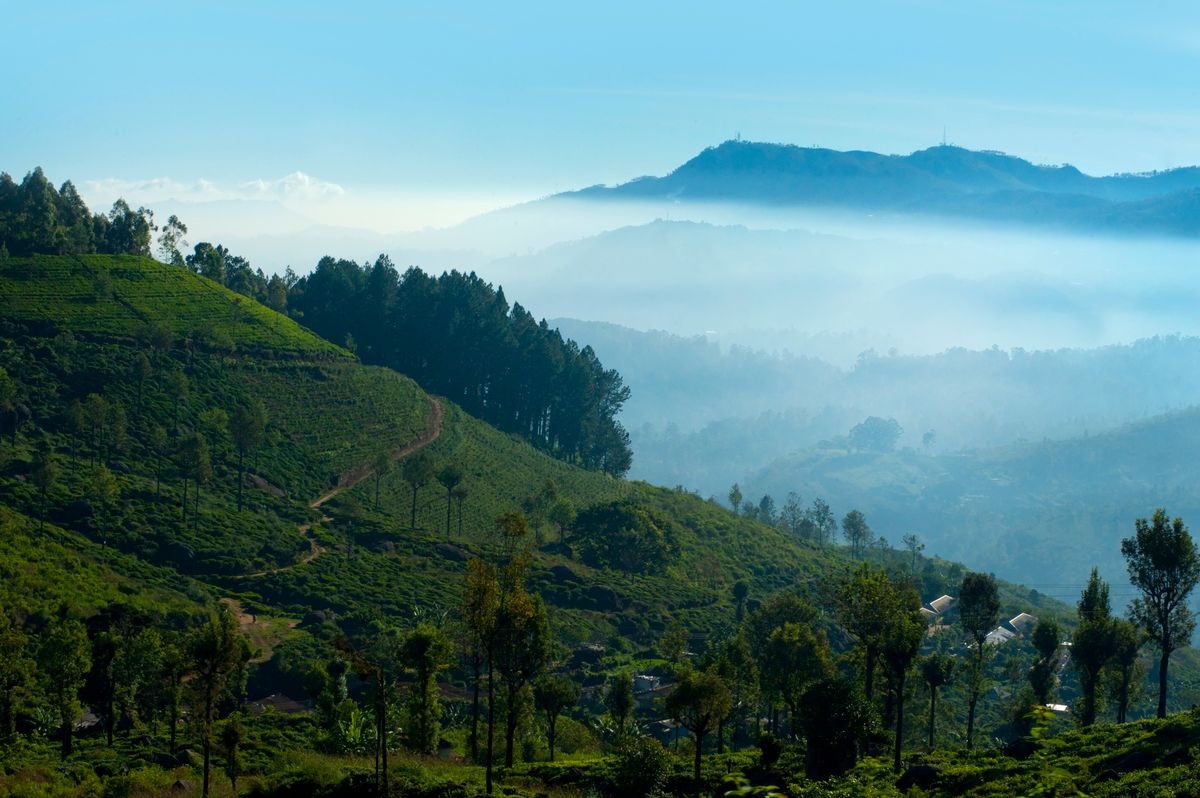
Aroma of bruised grass and cold stone, liquor colour not yet declared because there is no liquor at this stage, only leaf, briskness already evident in the way the pluckers' hands move faster than the mist is burning off the ridge. Six in the morning on a Nuwara Eliya slope smells like this before it smells like anything else, and it is the only honest sample you get all day, before processing has a chance to flatter or hide a single leaf.
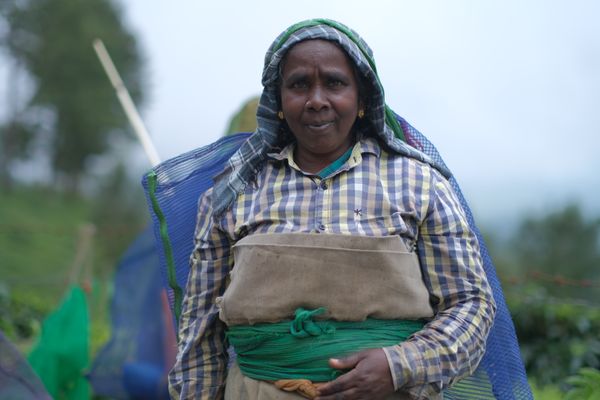
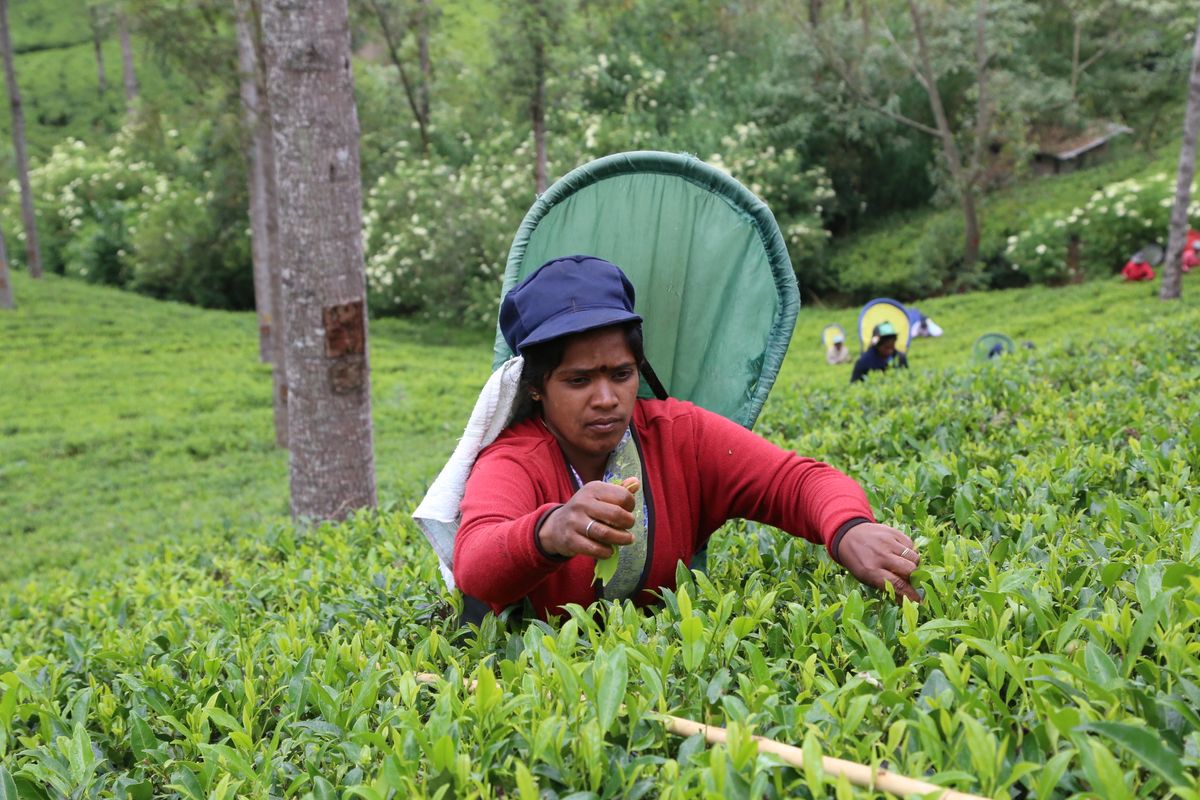
The standard here is two leaves and a bud, nothing coarser, and watching a good plucker work it is like watching someone read a scorecard without a pen. Thumb and forefinger snap at the same point on the stem every time, no third leaf sneaking in, no stem left dangling to bulk out the basket weight. A slow picker fills the basket faster with padding. A good one fills it slower with quality, and by midmorning you can tell which basket belongs to which plucker just by the ratio of tip to leaf, the way I can tell a BOP lot from an OP lot by grain size alone, without needing the invoice.
The head plucker on this particular round has been doing this longer than I have been grading, and she does not look up when she talks. 'One flush, one standard,' she says, checking a young picker's basket with two fingers and a glance, the way I'd run my hand through a sample tin before it ever reaches the cupping table. It is not encouragement. It is quality control, delivered the way quality control should be delivered, without decoration.
Rate the technique on this slope and you are looking at something close to FTGFOP standard, finest tippy golden flowery orange pekoe, the top shelf of whole-leaf grading, and I do not use that term loosely. It shows in the basket by nine, the leaf still silver-green and unbruised, tip content high, stem content close to none. A coarser round two ridges over, plucked by hands in more of a hurry, would grade out closer to a plain BOP: broken, serviceable, nothing to write on the chest of a tea chest about.
Call this morning's round what it is on the scorecard: high tip content, clean separation, minimal stem, and a briskness in the pluckers' pace that the leaf itself will carry all the way to the factory door. Flush grade: FTGFOP, provisional, pending what the withering loft does to it. A grade this good on the bush is worth protecting between here and the scale.
Cupping notes: a fair pluck reads like an honest season before the leaf has even seen a withering trough.
The Quality Season, in the Factory
Aroma shifts from grass to something closer to warm hay and wet rope, liquor colour still not on offer because the leaf hasn't been near water yet, only air, moving slowly through a loft stacked with burlap sacks of leaf losing weight by the hour. A factory at midday sounds less like a kitchen and more like a large patient machine breathing, and the leaf inside it is doing the same thing my palate does over a cupping bowl: waiting to be read properly before anyone decides what it's worth.
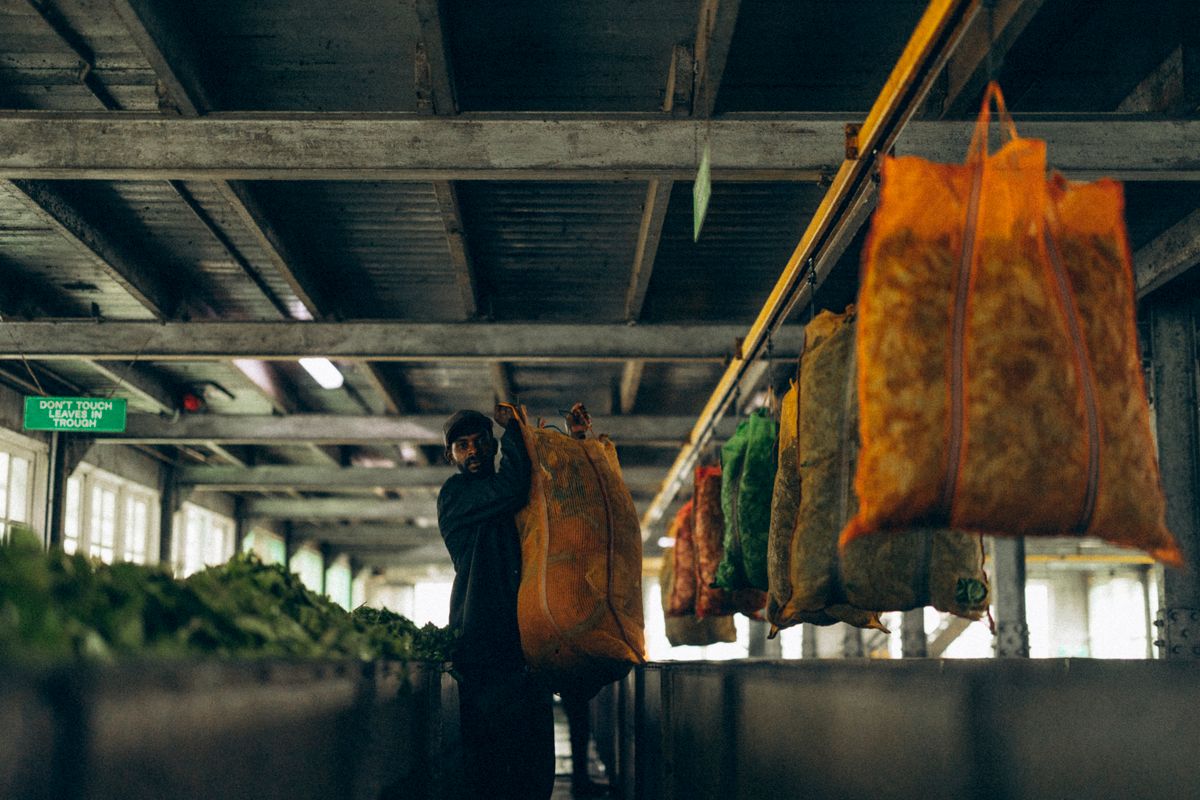
Withering is the part visitors always underestimate, assuming tea-making starts with heat when it actually starts with loss, moisture bleeding slowly out of the leaf over twelve to eighteen hours until it goes limp enough to roll without shattering. The loft's humidity is kept deliberately low, since the whole point of the wither is moisture leaving the leaf, not the air pushing more back in. A worker crosses the floor with a sack over one shoulder, past rows of hanging burlap heavy with leaf still holding its shape, and nobody rushes this stage because rushing it is how you end up with a grade nobody wants to buy.
After the wither comes rolling, which breaks the cell walls and lets the enzymes get to work, and then oxidation, where the leaf actually decides its own colour and character while nobody's hand can speed it along. Firing locks the whole judgment in place. From plucked shoot to graded, dried leaf sitting in a tea chest is a matter of hours, not days, which still strikes me as the strangest thing about this trade: the entire verdict on a season's work gets written in an afternoon.
Grade the factory's handling of today's leaf and it holds up: even withering, a rolling pass that didn't overwork the leaf into dust, oxidation stopped at the right minute rather than the convenient one. Flush grade for the batch coming off the drier this afternoon: OP standard at minimum, FTGFOP in the best trays, and not a single lot I'd send back.
Brewer's notes
High-grown leaf bruises on contact with boiling water, so let the kettle sit off the boil for thirty seconds before pouring.
Shorter steeps flatter this altitude: two to three minutes draws out the fragrance without dragging up bitterness.
Judge liquor colour before you judge taste. Pale gold and clear is the tell of a genuine high-grown lot, not a blend cut with lower-grown leaf.
The Quality Season, in the Cup
Aroma arrives properly this time, delicate and a little sweet, liquor colour a pale gold you could read fine print through, finish light and quick to clear the palate rather than sit on it, which is the whole argument for why buyers pay attention to this address twice a year. A cupping bowl of Nuwara Eliya at its best doesn't announce itself the way a low-grown cup does. It states its case quietly and expects you to already know why it's right.
At roughly 6,128 feet, in the shadow of Pidurutalagala, this is the highest of the island's tea-growing districts, and altitude is doing most of the talking in that cup. Cooler air slows the bush down, the leaf stays smaller, and the liquor comes out paler and more fragrant than anything grown lower on the hillsides, where strength wins over delicacy almost every time. It's the same reason a wine grower talks about a slope's aspect. Up here, the elevation is the terroir, and the cup either tells the truth about it or it doesn't.
The trade recognizes two quality seasons out of Nuwara Eliya each year, an Eastern and a Western flush, and this round falls inside one of those windows, which is exactly why the pluckers were moving with that particular urgency on the slope and why the factory didn't let a single tray sit an hour longer than it needed to. Miss the window and the same bush gives you a perfectly ordinary cup. Catch it and you get the two or three weeks a year the whole district's reputation actually rests on.
So the grade sheet for this harvest, plain and undecorated: pluck standard FTGFOP on the best rounds, BOP where the pace slipped, factory handling clean enough not to cost the leaf anything it earned on the bush, liquor pale gold, finish quick, briskness present without being sharp. Flush grade: high-grown, quality-season standard, the kind of lot that doesn't need an origin story attached to sell itself. It just needs someone to taste it properly, which is all any of us are really asking for. ■