Mid-Grown, Plainly Graded: Kandy's Tea Before the Colombo Hammer
In the hills above Kandy the grade gets earned long before an auctioneer in Colombo ever says a word.

900 Metres Above Kandy: Pluck Standard on the Mid Slopes
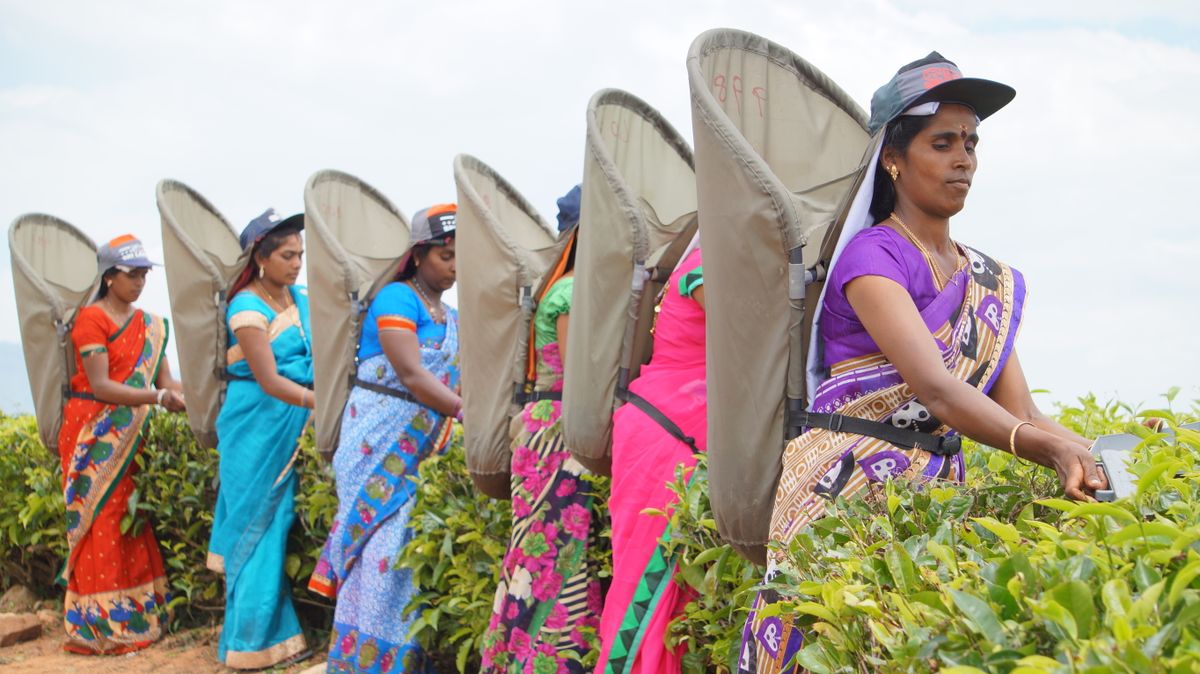
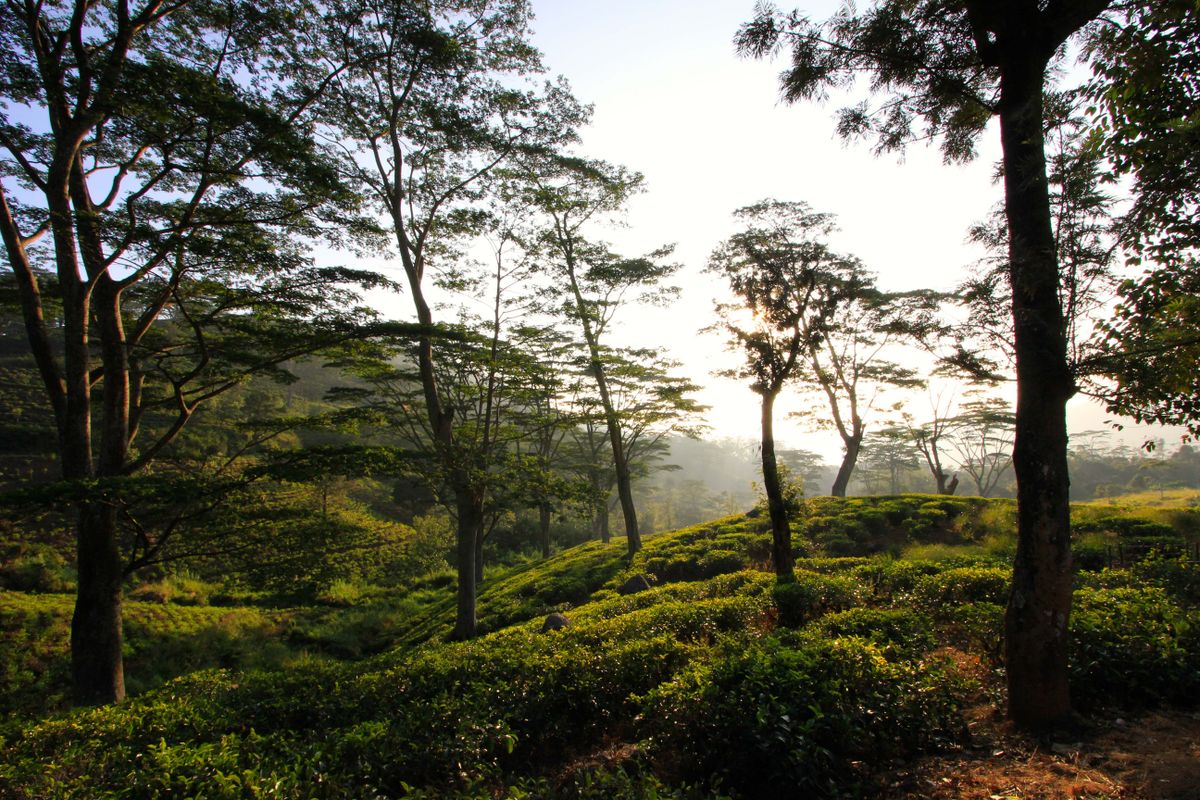
Aroma of wet earth and bruised leaf, liquor colour not yet declared because the leaf is still on the bush, briskness already showing in how the pluckers move two rows ahead of the mist burning off the ridge. The estate sits on a shoulder of hill above Kandy, close to 900 metres by the driver's estimate, which puts it squarely in Ceylon's middle elevation band: low grown below 600 metres, mid grown from 600 to 1,200, high grown above that line. I have spent most of my working life grading high grown lots. This week is the first time I have spent on a mid grown estate, and the difference shows before you taste a single cup.
Kandy earns its place in that middle band honestly. Nineteen acres at Loolecondera Estate, a short drive from where I was standing, is where a Scottish planter named James Taylor put in the first tea bushes in 1867. He had a proper factory running on the property by 1872, and by 1875 the first shipment of Ceylon tea had reached the London auction floor. Every estate downhill toward the coast and every garden further up toward Nuwara Eliya traces back to that one hillside.
The pluckers work in a line below the factory road, baskets slung on their backs, thumbnails doing the actual grading before anyone in a factory gets a look at the leaf. The standard here is two leaves and a bud, the same standard I would ask for at any elevation, but the hands move differently at 900 metres than they do at 1,800. Less caution in the wrist, more leaf per minute, and a plucker named Kumari told me through the estate supervisor that a good picker on this slope clears eighteen kilograms of green leaf before the midday heat makes the bushes go quiet.
Rate the technique on this slope and it lands closer to a clean BOP standard than to the fine whole leaf work I graded at higher elevation last season. That is not a demotion. Broken Orange Pekoe describes leaf size, smaller and more broken than Orange Pekoe's long wiry twist, faster to infuse, more body in the cup. Mid grown estates like this one are built for exactly that character: brisk, full bodied liquor rather than the pale, delicate cups high altitude earns. The pluckers here are not doing lesser work. They are doing different work, for a different grade sheet.
The road up switches back six times in under two kilometres, and the view from the third bend gives you the whole valley in one pass: tea rows in dark green corduroy, a strip of forest left uncut along the streambed, Kandy itself a grey smear in the haze forty minutes back down the hill. Worth the switchbacks. Not worth the plate of stale biscuits the roadside stall tried to sell me as breakfast, which I am grading here for the record: aroma of packet cardboard, no liquor to speak of, briskness zero, finish that lingered longer than the biscuit deserved. Call it a low grown lot at best, and I mean that as an insult.
So the grade sheet for the plantation walk, plain and undecorated: pluck standard clean BOP across most of the rows, technique unhurried even at pace, factory road handled well enough that nothing gets bruised before the baskets are weighed. Call the walk itself a sound mid grown lot, nothing showy, everything sound.
Brisk and full bodied, mid grown tea makes an honest case without the high altitude polish.
The Factory at Pilimathalawa: Where the Grade Gets Earned
Aroma of hot metal and warm leaf before the first machine even starts, liquor colour still ten hours off, the whole shed carrying that particular smell of oxidising tea that never quite leaves a factory once it has worked a season. The estate's factory sits down in Pilimathalawa, on the western edge of Kandy, an orthodox operation that still runs the full manufacturing sequence in view of visitors: withering, rolling, fermentation, drying, then sorting and grading. A full estate visit has three parts, more or less always in this order: the plantation walk, the factory floor, then the tasting. I had done the first. This was the second.
The withering troughs run the length of the top floor, green leaf spread maybe fifteen centimetres deep over mesh, fans pulling air through from below for somewhere between twelve and eighteen hours depending on humidity that day. The leaf goes in smelling of cut grass and comes out smelling faintly of fruit, soft enough to roll without snapping. A supervisor named Ranjith pinched a handful and let it spring back slowly rather than snap, which he said was the only test that mattered.
From there the leaf goes through the rollers, which twist and bruise it to break the cell walls and start real oxidation, then spreads out on fermentation tables for roughly two to three hours while the colour shifts from green to copper. The dryers finish it at high heat, locking the colour in and dropping the moisture down to something the leaf can survive in a sack. None of this is romantic to watch. It is closer to a laundry than a temple, machines doing exactly what machines are supposed to do, on schedule.
brewer's notes
Pilimathalawa factories run guided tours through the working floor, not a replica, so timing around an active withering or rolling cycle gets you more to see.
Ask which grade is running that day before you buy in the shop, OP and BOP from the same estate can taste noticeably different in the cup.
The tasting at the end is usually unsweetened and unmilked on purpose, so the liquor colour and finish are what you are actually judging.
Wear shoes you don't mind getting a little tea dust on. The sorting floor is not a clean room.
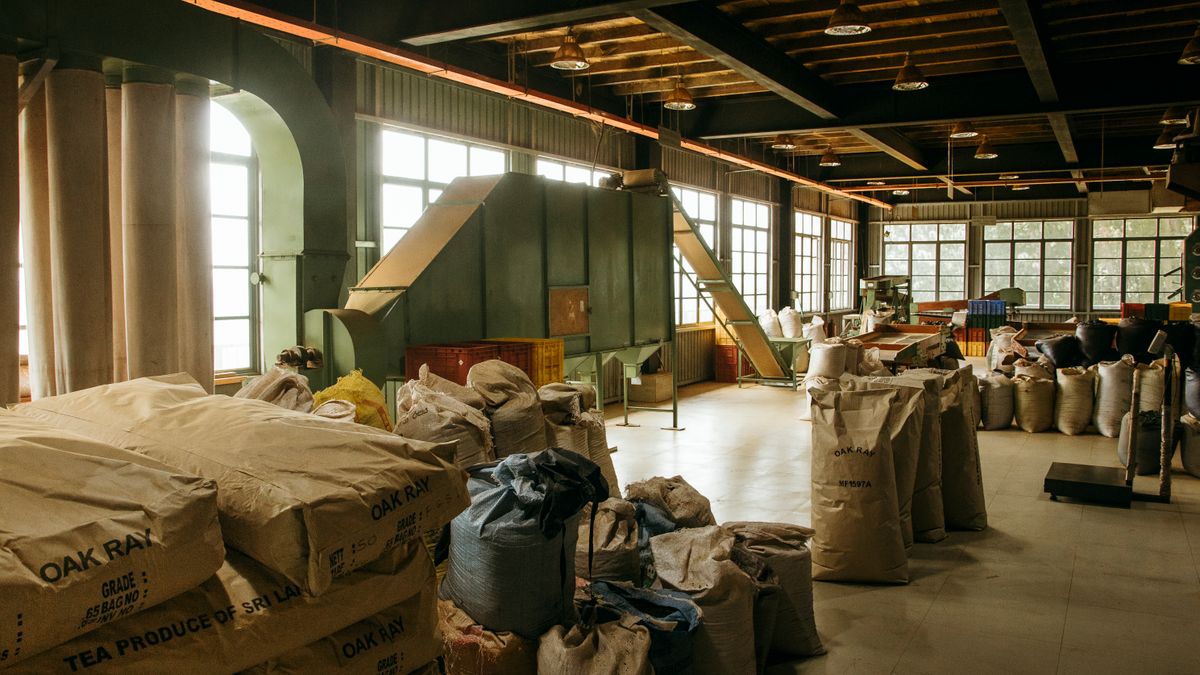
The last stop is the sorting floor, where the dried leaf gets shaken through a stack of mesh screens and comes out the other side already carrying its grade. Long, wiry, whole leaf that infuses slowly and pours a clear bright liquor gets called Orange Pekoe. Smaller broken pieces that infuse fast and carry more body get called Broken Orange Pekoe. Neither one outranks the other on the sheet in front of me, they are different leaf sizes for different cups, and this factory was turning out a fair amount of both from the same day's pluck.
Off the sorting floor is a small storage room lined with foil sacks and tea chests, humidity controlled tighter than anywhere else in the building, because a lot that grades out clean on the floor can still spoil in a damp warehouse before it ever reaches a buyer. Ranjith checks the room twice a day with a simple hygrometer nailed to the wall. Nothing dramatic about it, just the kind of unglamorous discipline that keeps a good grade from turning into a wasted one.
One correction worth making plainly, since I keep hearing the word used loosely around here: none of this is the auction. What happens in Kandy, on this factory floor and on the slope above it, is the leaf being grown, plucked, and processed into a graded lot. The actual auction, the room where a hammer falls and a price gets set, is in Colombo, at the Colombo Tea Auction that has been running since 1883, the oldest and largest tea auction in the world. Lots from estates all over the island, mid grown Kandy estates included, get consigned there and sold under that hammer. The grade gets earned here, the price gets decided somewhere else entirely.
Five cups line up on a folding table by the sorting room, liquor ranging from pale amber to a deep coppery brown depending on which lot came off the dryers that morning. The BOP pours fast and dark, brisk on the tongue, finish that does not linger. Steeped longer, the OP comes out lighter, a cleaner sweetness with less punch. Neither cup disappoints, they are simply different instruments playing the same slope.
So the grade sheet for the whole visit, plain and undecorated: pluck standard clean BOP on the slope, factory handling careful enough that Pilimathalawa's floor did not cost the leaf anything it earned on the bush, liquor coppery and full bodied, finish brisk rather than delicate, and one piece of vocabulary corrected without much ceremony. Kandy grows and grades the tea. Colombo is where the hammer falls. Both jobs matter. Only one of them happens here. ■