1,500 Kilometres From the Nearest Beach
A beach person, a disapproving camper van named Lorraine, and six days on the road from Alice Springs to Uluru. The surf report never came.

I checked the surf report for Alice Springs before I flew in. Not as a bit, either. It was 11pm, I'd had two wines, and the confirmation email for a six-day camper hire out of a town 1,500 kilometres from the nearest beach was already sitting in my inbox. The plan looked simple on a phone screen: fly into Alice, drive the 450-odd kilometres down to Uluru with a detour to Kings Canyon, come back a changed woman. The camper turned out to be a rattly Apollo hi-top I named Lorraine, because above 90 km/h she made a noise like an aunty disapproving of your life choices. We covered a bit over 1,200 kilometres together. She disapproved the entire way.
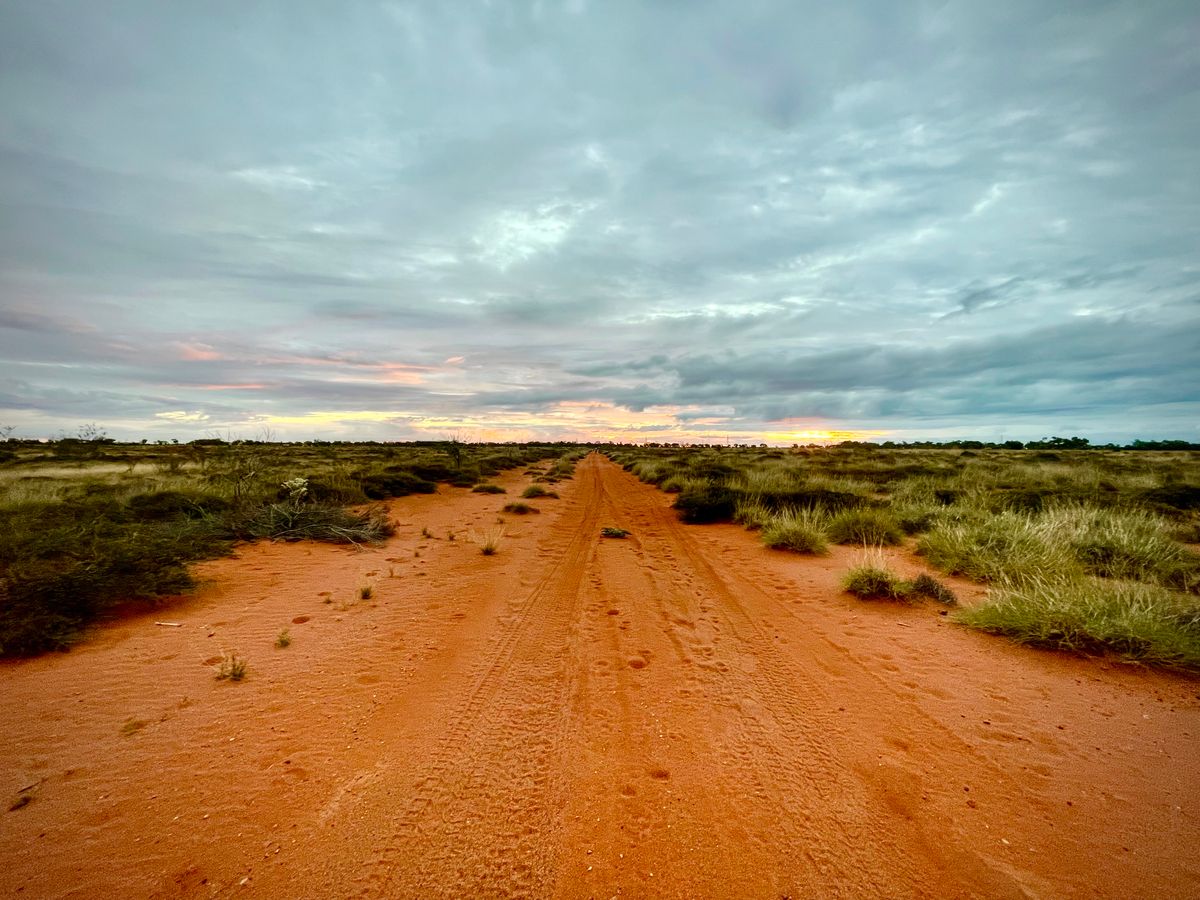
Days 1–2: Alice Springs to a road I was specifically warned about
Alice Springs surprised me by having genuinely good coffee. Page 27, down a laneway off Todd Mall, made me a flat white that would hold its own in Melbourne, and I drank it looking at the Todd River, which is a wide sandy trench with no water in it whatsoever. The locals famously hold a regatta in it where they carry bottomless boats. I stocked up at Coles like I was provisioning a ship: 20 litres of water, a thermos, and a jar of instant coffee I swore was strictly for emergencies. It lasted until day two.
The Stuart Highway south out of Alice is sealed, dead flat and hypnotic, and 132 kilometres in there's a turnoff called Ernest Giles Road that Google will cheerfully offer you as a shortcut to Kings Canyon. The bloke at the camper depot had said, word for word, 'don't take Ernest Giles.' The hire agreement said it again in writing. I took Ernest Giles.
Twenty minutes of corrugations later, Lorraine's cutlery drawer had opened itself and redistributed our forks throughout the cabin, and I'd done the maths: 100 kilometres of this, in a 2WD hi-top, with zero insurance cover from the second the bitumen ended. We turned around. Back on the highway it's another 67 kilometres to Erldunda Roadhouse, which calls itself the Centre of the Centre and prices its diesel accordingly, and from there the Lasseter and Luritja roads run sealed all the way to Kings Creek Station. I camped there between two Land Cruisers whose owners were very kind about the fork story.
Read the hire fine print (unlike me)
Most 2WD camper agreements void your insurance on unsealed roads. Ernest Giles Road is about 100 km of corrugated dirt; skip it unless you're in a 4WD you own.
Fill up at Erldunda, 199 km south of Alice. The next pumps are Kings Creek Station and Curtin Springs, and both are pricier again.
Carry 20 litres of drinking water minimum. Every roadhouse sells it, at roadhouse prices.
It's Telstra or nothing out here, and even Telstra drops out between roadhouses. Download offline maps in Alice.
Day 3: Kings Canyon and the 500 steps they don't put on the postcard
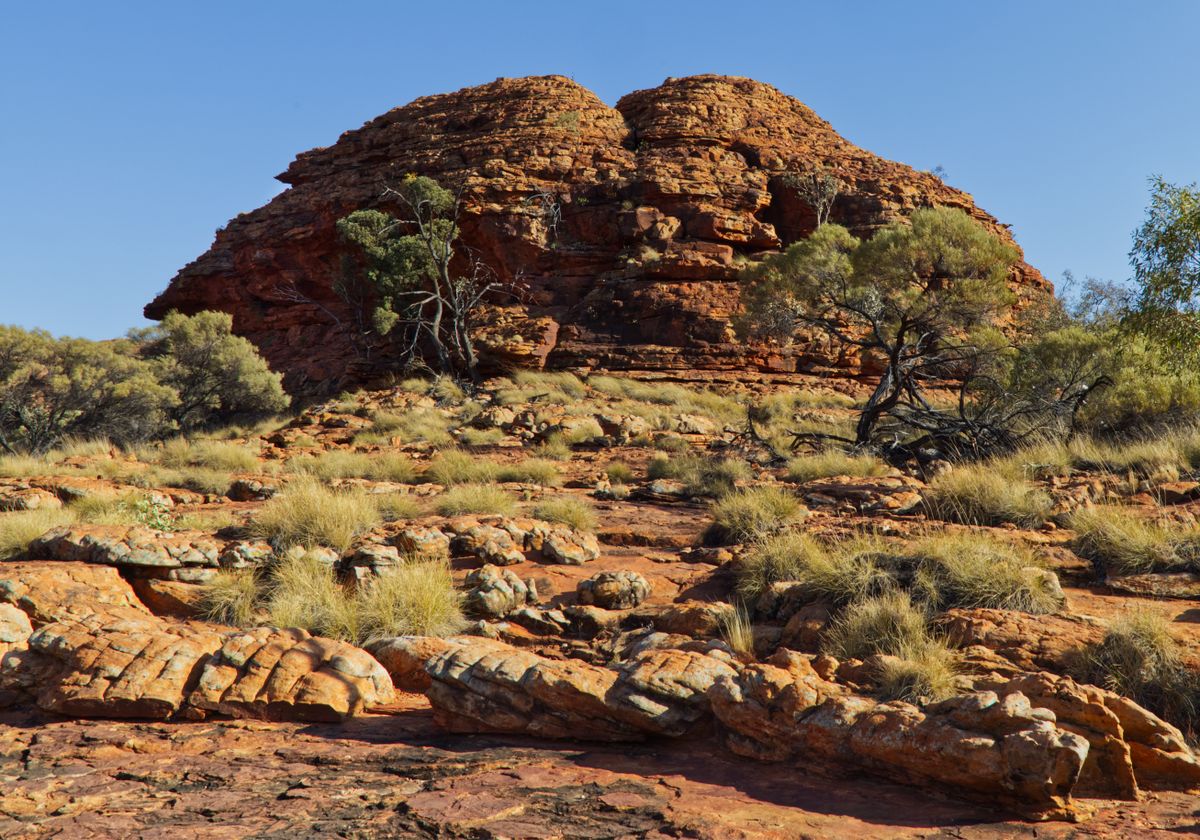
The rim walk starts with 500 steps locals call Heart Attack Hill, then flattens into this — beehive domes for as far as the track goes.
The Kings Canyon Rim Walk is six kilometres and opens with a climb the rangers call Heart Attack Hill, roughly 500 stone steps straight up the canyon wall. They shut the climb at 9am in summer once the forecast hits 36 degrees. My problem in July was the opposite: it was 3 degrees when I started at 7.30, and I did the first hundred steps wearing a beach towel as a shawl, because I'd packed for a coastline that was never coming. Up top it's all beehive sandstone domes and a sheer drop into the Garden of Eden waterhole, and it's honestly one of the best walks I've ever done. The towel really tied the outfit together.
From Kings Canyon it's about 300 kilometres to Yulara, the resort town outside the national park, and an hour in you get your first look at a huge red monolith on the horizon. You pull over, heart going, camera out. That's Mount Conner. Everyone falls for it, to the point locals call it Fooluru. Curtin Springs Station, a bit further along, sells cold beer to people who need to sit with their embarrassment for a minute. I had the beer and pushed on.
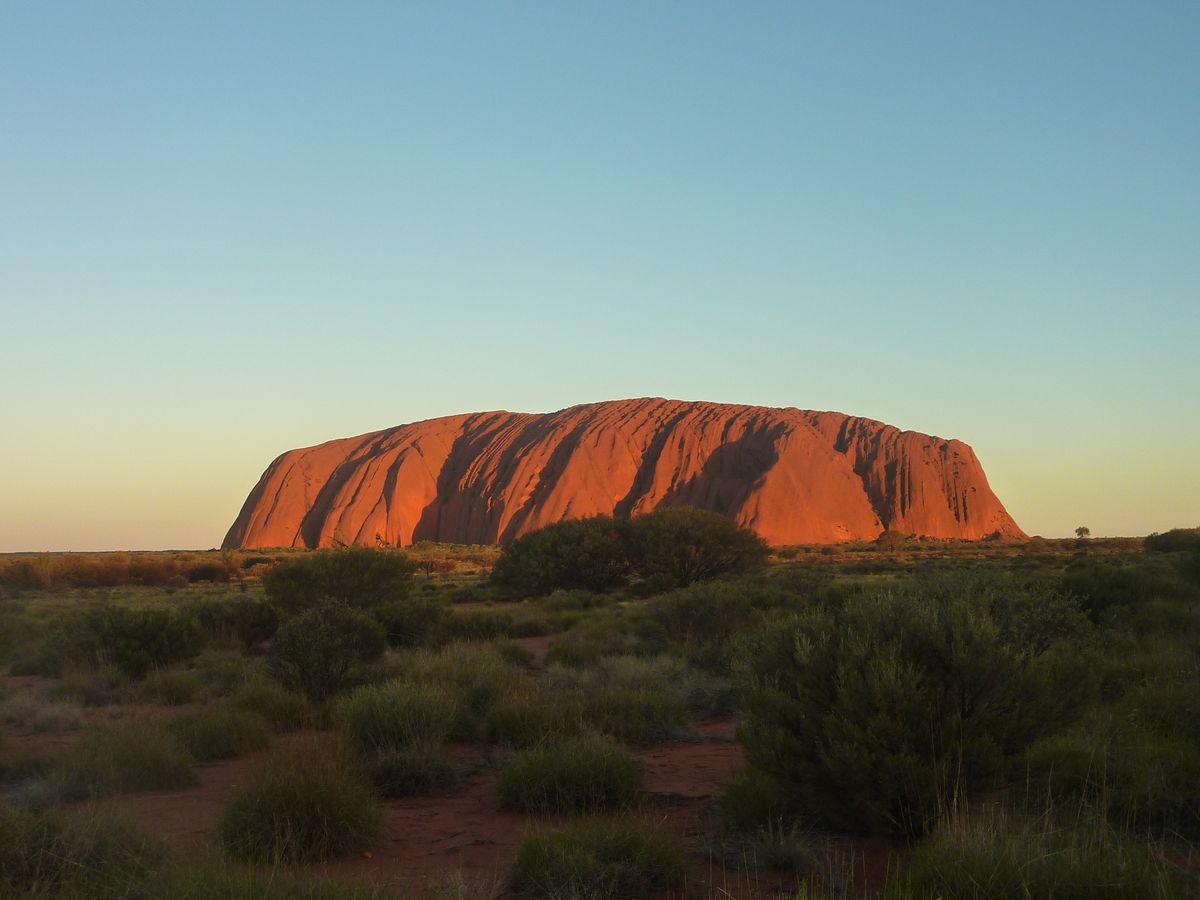
Days 4–5: The Rock, and the coffee situation at the end of the world
The sunset viewing area at Uluru is a strip of red dirt with a hundred tripods on it, and I turned up with a camp mug of shiraz and low expectations, because famous sunsets have burnt me before. Then the rock did the thing. It slides from brown to orange to a deep glowing red like someone's turning a dial, and the whole car park goes quiet at once. I'd tell you it moved me, but I was also fighting a fly for control of my wine, so let's call it a draw.
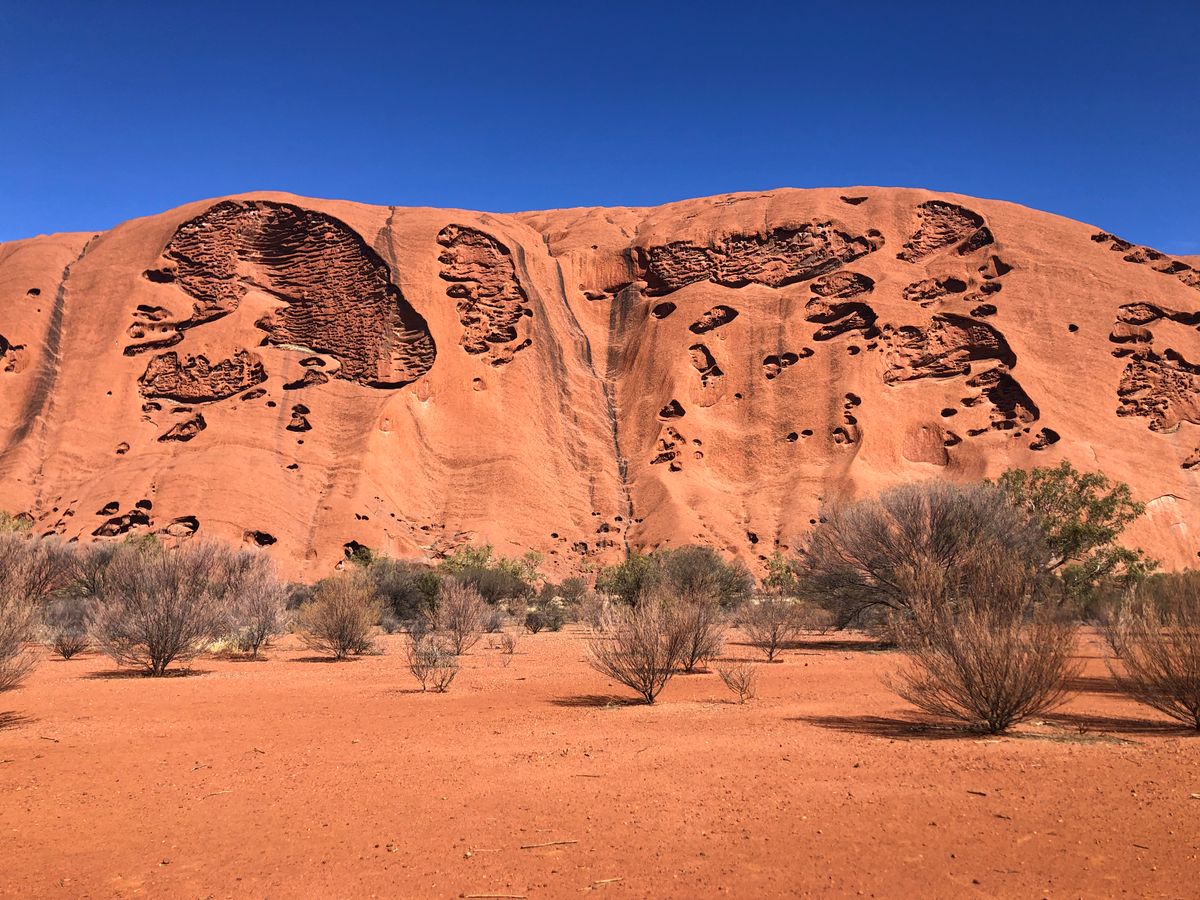
Sunrise meant a 5.45am alarm and minus 1 on Lorraine's thermometer, and the emergency instant coffee officially became the load-bearing beverage of the trip. Up close on the base walk the rock stops being a postcard and turns into texture: pocked, flaking, streaked dark where waterfalls run on the rare days it rains. The full loop is 10.6 flat kilometres, and the signs asking you not to photograph certain sacred sections deserve to be taken seriously. Anangu people have been custodians here for tens of thousands of years, and they've asked politely. Pointing your camera elsewhere costs you nothing. The instant coffee, for the record, was terrible. I had three.
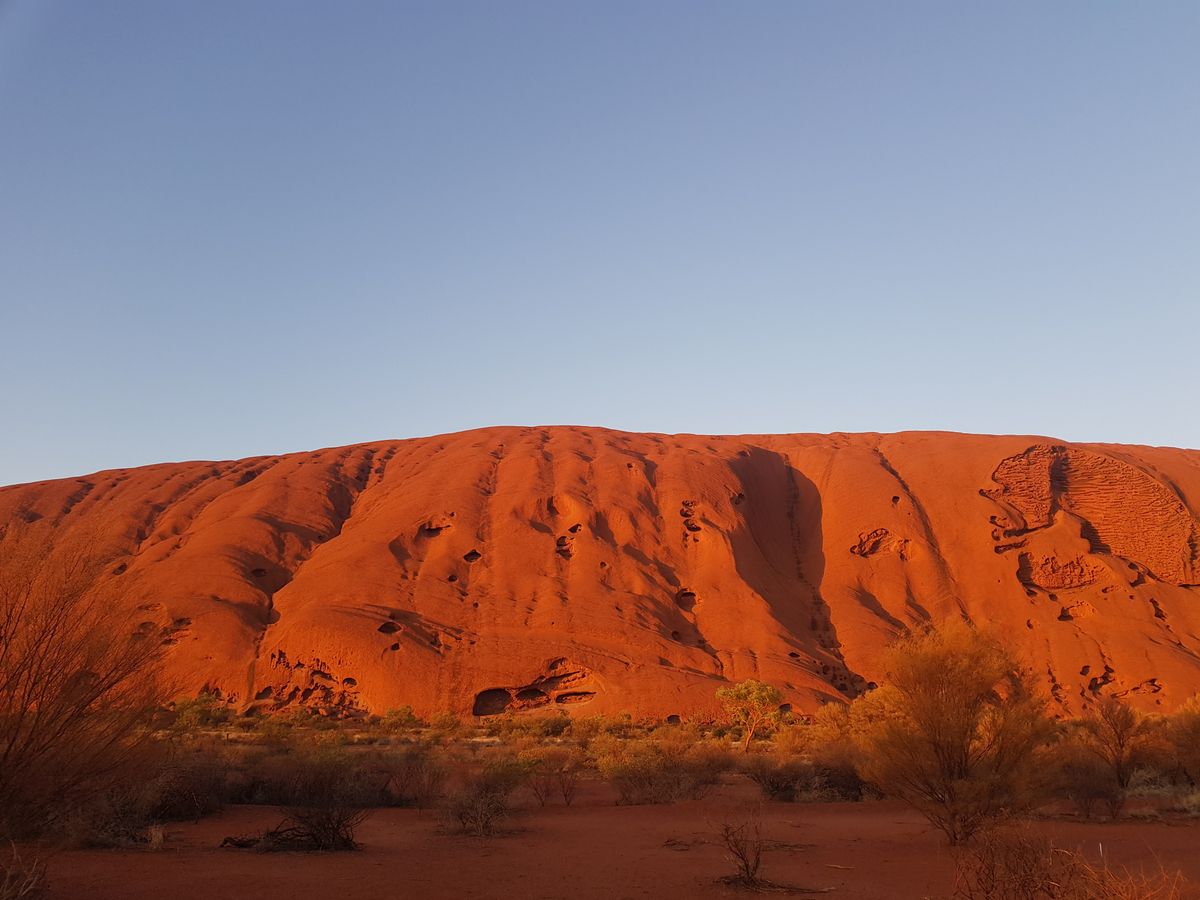
The flank at sunrise. From the car park it's a postcard; from a metre away it's flaking, pitted, and older than basically everything you've ever touched.
Uluru without the tour-bus markup
The Uluru-Kata Tjuta park pass is $38 per adult and lasts three days. Buy it online before you arrive; the 5.30am entry queue is real.
Best sunrise spot is the Talinguru Nyakunytjaku platform. Get there 45 minutes early if you want a spot on the rail.
Do the 10.6 km base walk before 10am, even in winter. There's water at the Mala car park and Kuniya, but carry your own anyway.
The IGA in Yulara's town square is the only supermarket for about 250 km. For coffee, Kulata Academy Cafe is trainee-run and the best value in town.
The whole car park went quiet at once, which for a hundred Australians with camp chairs is basically a religious event.
The verdict
The drive back is 450 kilometres of the same road in reverse, and somewhere around Erldunda I realised I'd stopped checking the weather back home, which is the closest thing to personal growth this trip is going to claim. I still miss the ocean. The Red Centre doesn't care; it's been not-caring for about 500 million years and it's extremely good at it. Lorraine made her disapproving noise the whole way home. Fair enough, honestly.
The verdict: six days, one budget, several forks